Compare Essential Oils
Select up to 4 oils to compare side-by-side
Citronella Essential Oil
Cymbopogon nardus
cilantro essential oil
Coriandrum sativum
Brazilian Orange Essential Oil
Citrus sinensis
Benzoin Resinoid Essential Oil
Styrax benzoin
Ylang Ylang Essential Oil
Cananga odorata
Wormwood Essential Oil
Artemisia absinthium
Wild Orange Essential Oil
Citrus sinensis
Vetiver Essential Oil
Vetiveria zizanoides
Verbena Essential Oil
Aloysia citriodora
Vanilla Essential Oil
Vanilla planifolia
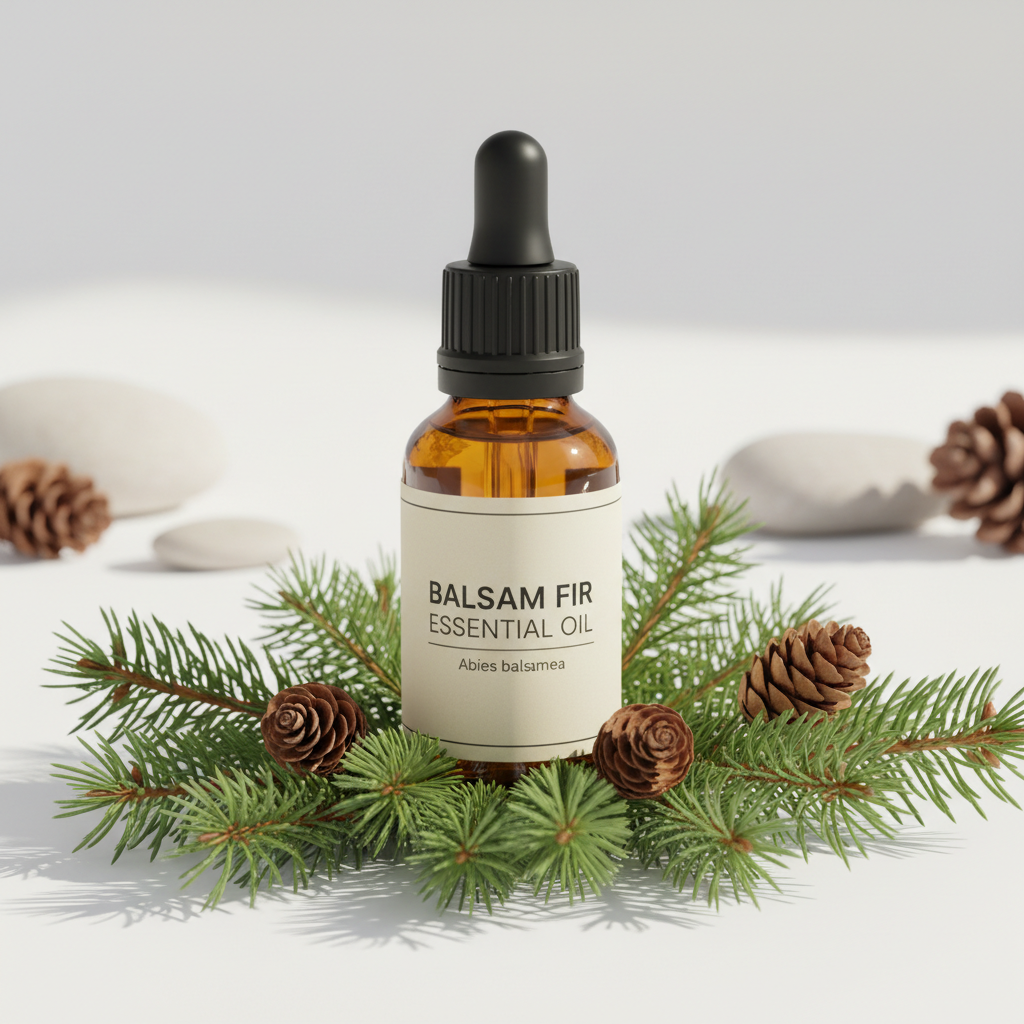
Benefits & Uses
- • Promotes a sense of peace and tranquility, ideal for reducing stress and anxiety.
- • Enhances mood and emotional clarity, making it useful during periods of emotional turmoil.
- • Supports emotional healing, helping to release negative emotions and past trauma.
- • Encourages feelings of connection to nature, fostering grounding and stability.
- • May boost confidence and courage in the face of challenges.
- • Helps alleviate muscle and joint pain when applied topically, especially after exercise.
- • Supports respiratory health; often used in steam inhalation to relieve congestion.
- • Can be applied to soothe tired or aching muscles during massages.
- • Used in saunas or baths for its aromatic benefits to enhance relaxation and well-being.
- • May aid in enhancing circulation when used in massage blends.
- • Used in formulations for acne-prone skin due to its antimicrobial properties.
- • Can be incorporated into creams and lotions for its soothing effects on irritated skin.
- • Added to hair care products for promoting a healthy scalp and adding shine to hair.
- • Often used in natural deodorants for its fresh scent and odor-fighting properties.
- • Can be used in diffusers to freshen indoor air and promote a calming atmosphere.
- • Added to cleaning products due to its antimicrobial properties and woodsy scent.
- • Can be mixed with carrier oils for wood finishes, bringing out the natural beauty of wood surfaces.
- • Used in potpourri or homemade candles for its invigorating fragrance.
How to Use
For effective diffusion, use 3-5 drops for a small room, 5-8 drops for a medium room, and 8-12 drops for larger areas. It is best to diffuse for 30-60 minute sessions and can be repeated 2-3 times daily, particularly in the morning to enhance mood and focus.
For topical use, adults should dilute to 2-3% (12-18 drops per ounce of carrier oil), children should use a 0.5-1% dilution (3-6 drops), and the elderly should use a 1-2% dilution (6-12 drops). Suitable carrier oils include jojoba, sweet almond, or fractionated coconut oil. Recommended application areas include temples, back of the neck, or chest, using a gentle massage for deeper absorption.
For direct inhalation: place 1-2 drops on a tissue and inhale or add drops to cupped hands and breathe deeply. For steam inhalation: add 2-3 drops to hot water and inhale for 5-10 minutes. Use personal inhalers for convenience during the day.
Safety & Precautions
Always conduct a skin patch test before widespread topical application. Balsam Fir may cause photosensitivity; avoid sun exposure after topical application. Consult a healthcare provider if pregnant or nursing. Should be stored in a cool, dark place, with a shelf life of 1-2 years. Avoid contact with eyes and mucous membranes.
- ⚠️ Individuals with sensitive skin conditions such as eczema or dermatitis.
- ⚠️ People with known allergies to pine or fir species.
- ⚠️ Pregnant or nursing women should avoid unless advised by a healthcare provider.