Compare Essential Oils
Select up to 4 oils to compare side-by-side
Citronella Essential Oil
Cymbopogon nardus
cilantro essential oil
Coriandrum sativum
Brazilian Orange Essential Oil
Citrus sinensis
Benzoin Resinoid Essential Oil
Styrax benzoin
Ylang Ylang Essential Oil
Cananga odorata
Wormwood Essential Oil
Artemisia absinthium
Wild Orange Essential Oil
Citrus sinensis
Vetiver Essential Oil
Vetiveria zizanoides
Verbena Essential Oil
Aloysia citriodora
Vanilla Essential Oil
Vanilla planifolia
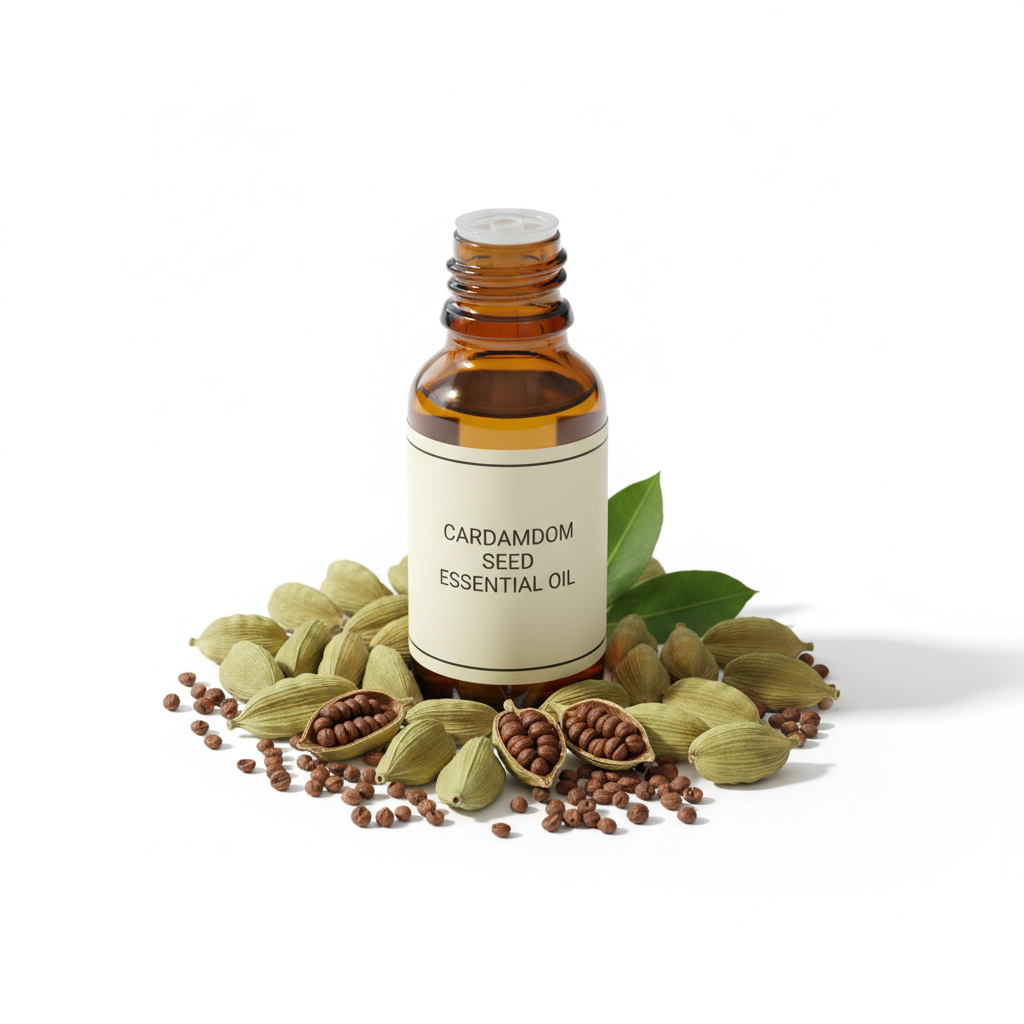
Benefits & Uses
- • Promotes mental clarity and focus, making it useful during study or work.
- • Acts as a mood enhancer, uplifting spirits and combating feelings of stress or sadness.
- • Encourages a feeling of warmth and comfort, often associated with pleasant memories and traditions.
- • Helps with relaxation during meditation and yoga, nurturing a deeper sense of peace.
- • Supports emotional resilience by reducing tension and promoting relaxation.
- • Helps ease symptoms of respiratory discomfort such as coughs and colds.
- • May assist in regulating blood circulation, contributing to overall cardiovascular health.
- • Supports the body’s natural detoxification processes.
- • Facilitates digestion and can help to reduce stomach cramps when used appropriately.
- • May relieve tension headaches when inhaled or applied in diluted form.
- • Can be blended into skincare formulations for its antibacterial properties, helping to prevent breakouts.
- • Useful in facial steams for its ability to rejuvenate dry skin and improve complexion.
- • May be added to body oils to tone and nourish the skin, promoting a vibrant appearance.
- • Provides a warm and spicy scent in beauty products, enhancing the sensory experience.
- • Effective as a natural air freshener when diffused, contributing to a refreshing aroma in homes.
- • Can be used in homemade cleaning products due to its antimicrobial properties.
- • Increases ambiance when added to potpourri blends or scented sachets.
- • Acts as an insect repellent when used in spritzers or diffused in living areas.
How to Use
For a small room, use 3-5 drops; for medium rooms, use 5-8 drops; and for large rooms, use 8-12 drops of cardamom seed oil. Diffuse for 30-60 minutes at a time, 2-3 times daily, ideally during morning hours or meditation sessions.
For adults, dilute to 2-3% (6-10 drops per 30ml carrier oil), for children 0.5-1% (1-3 drops per 30ml), and for elderly 1-2% (3-6 drops per 30ml). Suitable carriers include jojoba or sweet almond oil. Apply to pulse points or massage into the skin, allowing time for absorption.
For direct inhalation, place 1-2 drops on a tissue or cotton ball and inhale deeply. For steam inhalation, add 2-3 drops to a bowl of hot water, covering your head with a towel and inhaling the steam for 5-10 minutes. Personal inhalers can be made for on-the-go use.
Safety & Precautions
Always perform a patch test before topical use to identify allergies. Avoid exposure to sunlight for 12 hours post-application on skin. Consult healthcare providers before use during pregnancy or nursing. Store in a cool, dark place. Shelf life is approximately 2-3 years.
- ⚠️ Pregnant individuals, especially in the first trimester.
- ⚠️ Those with known allergies to plant family members like ginger or turmeric.
- ⚠️ Individuals on anticoagulant medications or with clotting disorders.