Compare Essential Oils
Select up to 4 oils to compare side-by-side
Citronella Essential Oil
Cymbopogon nardus
cilantro essential oil
Coriandrum sativum
Brazilian Orange Essential Oil
Citrus sinensis
Benzoin Resinoid Essential Oil
Styrax benzoin
Ylang Ylang Essential Oil
Cananga odorata
Wormwood Essential Oil
Artemisia absinthium
Wild Orange Essential Oil
Citrus sinensis
Vetiver Essential Oil
Vetiveria zizanoides
Verbena Essential Oil
Aloysia citriodora
Vanilla Essential Oil
Vanilla planifolia
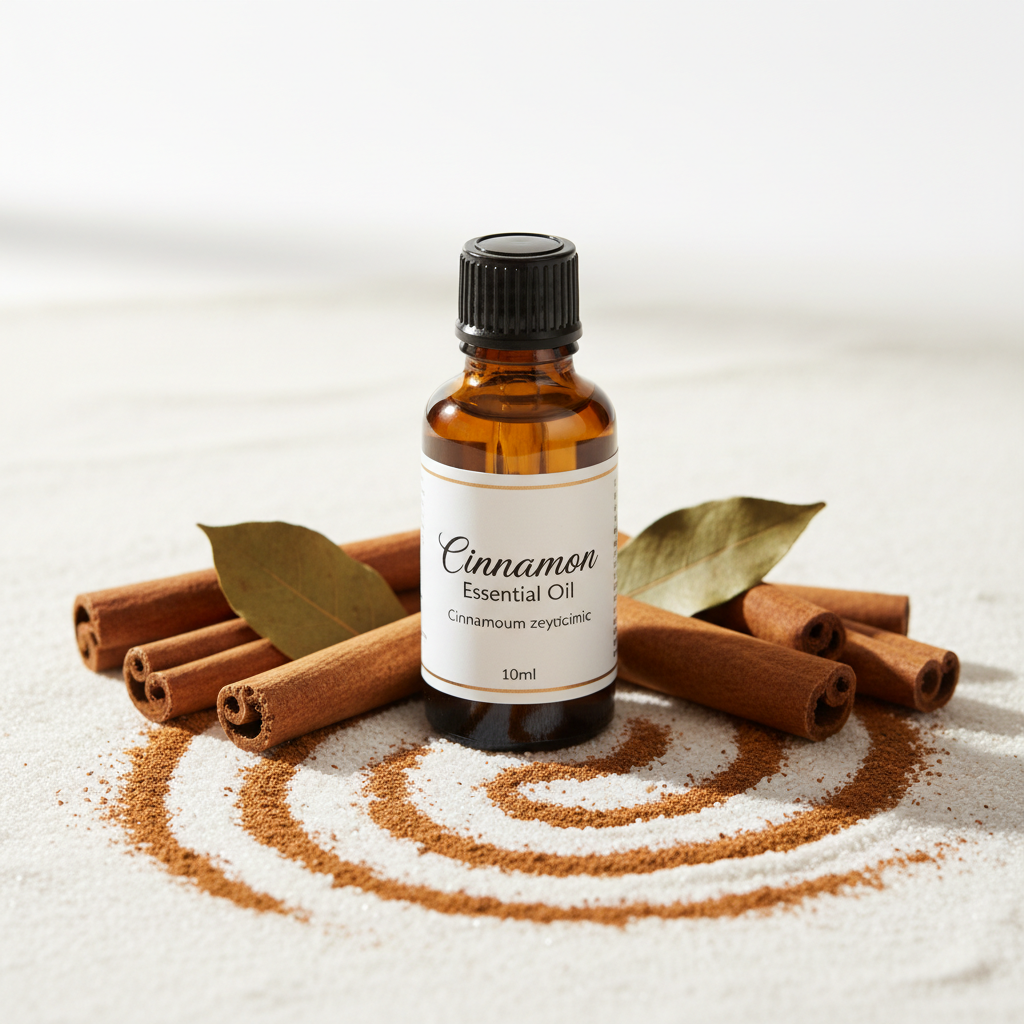
Benefits & Uses
- • Enhances mood: The warm scent can elevate spirits and create a comforting environment.
- • Reduces stress: Promotes relaxation and calmness, helping to alleviate feelings of anxiety during stressful situations.
- • Cognitive clarity: Stimulates mental clarity and focus, making it useful for studying or work tasks.
- • Creates a sense of warmth: The comforting aroma evokes feelings of safety and nostalgia, especially during fall and winter months.
- • Encourages motivation: Energizing scent that can help combat fatigue and boost motivation.
- • Supports respiratory health: Used for its expectorant properties to relieve coughs and clear airways.
- • May enhance circulation: Helps promote better blood flow and warmth throughout the body.
- • Relief for menstrual discomfort: Traditionally used to help ease menstrual cramps and discomfort.
- • Aids in immune support: Known for its immune-boosting properties, helping the body fight off infections.
- • Skin invigorator: Can invigorate the skin when diluted properly, promoting a healthy glow.
- • Skin toning: Can help improve skin texture and tone when diluted in a carrier oil.
- • Anti-aging: Offers antioxidant properties that can help reduce the appearance of fine lines.
- • Acne treatment: May help reduce bacteria on the skin when used in a proper blend, making it suitable for acne-prone skin.
- • Cellulite treatment: Often used in DIY blends for promoting blood circulation and reducing the appearance of cellulite.
- • Natural disinfectant: Effective for cleaning surfaces and purifying the air due to its antimicrobial properties.
- • Mood setting: Used in diffusers to create a warm and inviting atmosphere, especially during gatherings.
- • Insect repellent: Acts as a natural deterrent for insects when used in sprays or candles.
- • Odor neutralizer: Helps to mask unwanted odors in the home, providing a fresh scent.
How to Use
For small rooms, use 3-5 drops of Cinnamon essential oil in the diffuser; for medium rooms, use 5-8 drops, and for larger spaces, 8-12 drops. Optimal diffusion duration is 30-60 minutes, 2-3 times daily. Best times to use are early mornings or during times of relaxation.
Dilute Cinnamon essential oil as follows: Adult dilution: 2-3% (10-15 drops per ounce); Children: 0.5-1% (3-5 drops per ounce); Elderly: 1-2% (5-10 drops per ounce). Recommended carrier oils include sweet almond, jojoba, and fractionated coconut. Massage into application areas, allowing time for absorption.
For direct inhalation, place 1-2 drops on a tissue or cotton ball and inhale. For steam inhalation, add 2-3 drops to a bowl of hot water and inhale the steam for 5-10 minutes. Personal inhalers can be prepared for on-the-go use.
Safety & Precautions
Conduct patch testing before topical application; Cinnamon oil may cause skin irritation in some individuals. It should not be used in direct sunlight for 12 hours post-application due to potential photosensitivity. Not recommended for use during the first trimester of pregnancy or while nursing without consulting a qualified professional. Store in a cool, dark place away from children. Shelf life is typically 1-2 years if stored correctly.
- ⚠️ Those with sensitive skin or allergy to cinnamon.
- ⚠️ Pregnant or nursing individuals without professional guidance.
- ⚠️ People on blood-thinning medications should consult a healthcare provider before use.