Compare Essential Oils
Select up to 4 oils to compare side-by-side
Citronella Essential Oil
Cymbopogon nardus
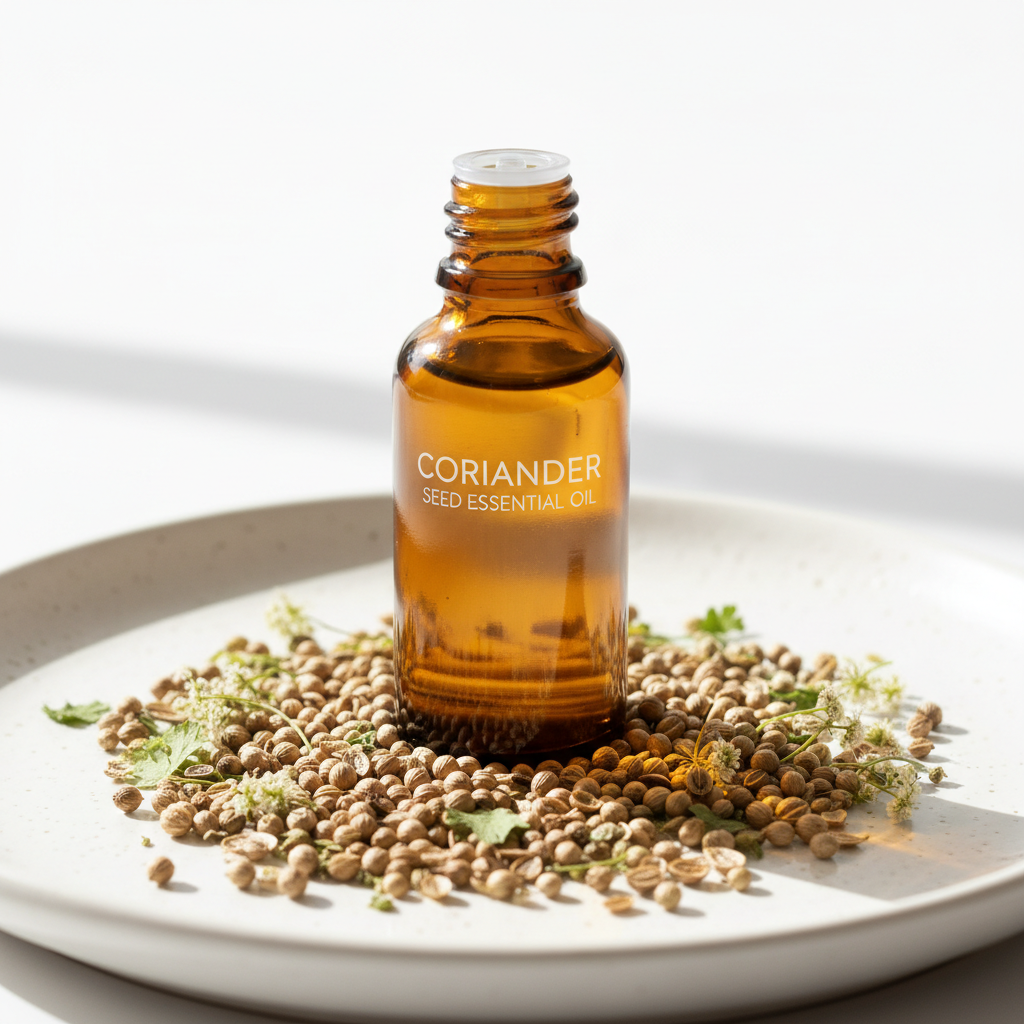
cilantro essential oil
Coriandrum sativum
Brazilian Orange Essential Oil
Citrus sinensis
Benzoin Resinoid Essential Oil
Styrax benzoin
Ylang Ylang Essential Oil
Cananga odorata
Wormwood Essential Oil
Artemisia absinthium
Wild Orange Essential Oil
Citrus sinensis
Vetiver Essential Oil
Vetiveria zizanoides
Verbena Essential Oil
Aloysia citriodora
Vanilla Essential Oil
Vanilla planifolia
Benefits & Uses
- • Enhances mood by alleviating feelings of stress and anxiety.
- • Promotes a sense of grounding—helpful for those feeling scattered or overwhelmed.
- • Encourages clear thinking and enhances focus and concentration.
- • Can stimulate motivation and enhance feelings of confidence during challenging tasks.
- • May evoke a sense of warmth and comfort, making it a great choice for emotional healing.
- • Supports a healthy appetite and may assist in regulating appetite control.
- • Facilitates digestion, including relief from bloating and discomfort after meals.
- • Can alleviate headaches and tension as part of a massage blend.
- • May contribute to better sleep patterns due to its calming properties.
- • Helps to reduce symptoms of respiratory conditions by easing congestion.
- • Acts as a natural antiseptic in skincare formulations for blemish-prone skin.
- • May help to brighten and even out skin tone when blended with carrier oils.
- • Can be incorporated into massage oils to soothe and nourish the skin.
- • Used in aromatherapy facial steams to promote skin clarity and vitality.
- • Acts as a natural deodorizer for spaces like kitchens and bathrooms.
- • Can be included in homemade cleaning solutions to enhance antibacterial properties.
- • Utilized in potpourri for a pleasant and inviting aroma in living spaces.
- • Infused in candles for a warm, inviting scent during gatherings.
How to Use
For a small room, add 3-5 drops; for medium spaces, use 5-8 drops; for large areas, add 8-12 drops. Optimal time for diffusion is 30-60 minutes, 2-3 times per day, preferably in the morning or when feeling under stress.
Adult dilution is recommended at 2-3% (12-18 drops oil per ounce carrier oil). For children (ages 2-12), reduce dilution to 0.5-1% (3-6 drops). Elderly should use at 1-2% (6-12 drops). Suggested carrier oils include sweet almond, coconut, or jojoba. Apply to desired area and massage gently for absorption, ideally after a warm shower.
For direct inhalation, place 1-2 drops on a tissue and breathe deeply. For steam inhalation, add 2-3 drops to a bowl of hot water and cover your head with a towel while inhaling the steam for 5-10 minutes. You may also use a personal inhaler with 10-15 drops of the oil.
Safety & Precautions
Conduct a patch test before use on the skin to ensure no allergic reactions occur. Coriander Seed Essential Oil can cause irritation if exposed to sunlight post-application—avoid sun exposure for 12 hours. Pregnant or nursing women should consult healthcare providers before use. Store in a cool, dark place, and ensure it is sealed tightly. Shelf life is typically 2-3 years.
- ⚠️ Pregnant individuals, especially in the first trimester.
- ⚠️ People with skin sensitivities or allergies to coriander or Apiaceae family members.
- ⚠️ Those on blood thinners or anticoagulant medications should avoid use unless advised by a healthcare provider.