Compare Essential Oils
Select up to 4 oils to compare side-by-side
Citronella Essential Oil
Cymbopogon nardus
cilantro essential oil
Coriandrum sativum
Brazilian Orange Essential Oil
Citrus sinensis
Benzoin Resinoid Essential Oil
Styrax benzoin
Ylang Ylang Essential Oil
Cananga odorata
Wormwood Essential Oil
Artemisia absinthium
Wild Orange Essential Oil
Citrus sinensis
Vetiver Essential Oil
Vetiveria zizanoides
Verbena Essential Oil
Aloysia citriodora
Vanilla Essential Oil
Vanilla planifolia
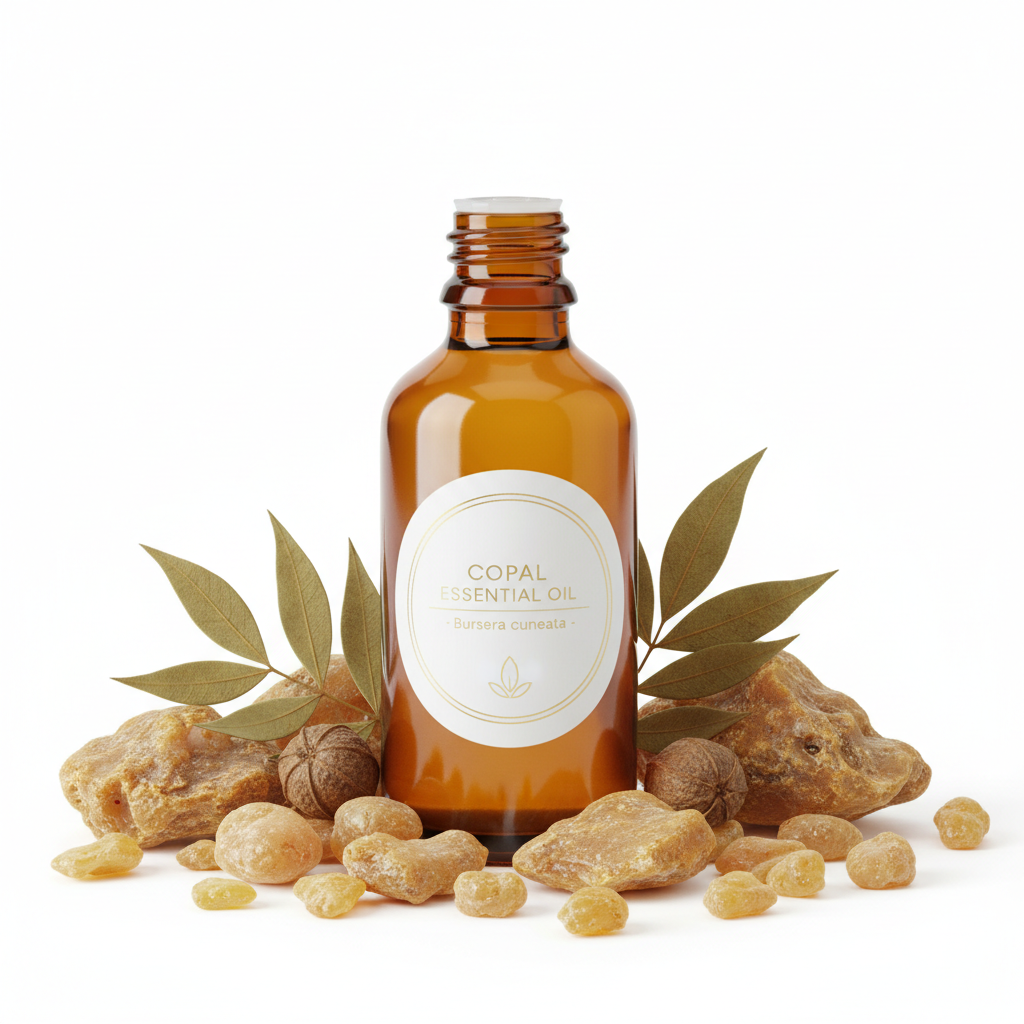
Benefits & Uses
- • Grounding: Helps to establish a sense of stability and presence, making it useful for overcoming feelings of anxiety.
- • Boosts mood: The warm, resinous scent can elevate feelings of happiness and well-being.
- • Stress relief: May reduce levels of stress and tension, fostering a calm mind.
- • Mental clarity: Enhances focus and clarity of thought, aiding in concentration.
- • Spiritual connection: Used in meditation practices, it can facilitate a deeper connection with oneself.
- • Respiratory support: Useful for alleviating respiratory issues, including symptoms of colds.
- • Skin healing: May assist in healing skin irritations and minor wounds when diluted and applied topically.
- • Immune support: Can play a role in supporting the immune system.
- • Joint relief: Potentially helpful in reducing discomfort in joints when used in massage.
- • Enhances digestion: Can have a soothing effect on digestive health.
- • Balancing oil: Useful for balancing oily skin when blended with a carrier oil.
- • Soothing: May calm skin irritations and blemishes.
- • Scar treatment: Helps in the healing of scars and other skin blemishes when applied topically.
- • Aging: Can be included in anti-aging skincare routines due to its rejuvenating properties.
- • Natural air freshener: Effective in purifying air and adding a pleasant aroma to spaces.
- • Cleansing: Can be used in homemade cleaning solutions for its antimicrobial properties.
- • Spiritual cleansing: Often burned as incense in spiritual practices to create a calming atmosphere.
- • Bug repellent: May help in repelling insects when used in candles or diffused.
How to Use
For diffusing, use 3-5 drops in a small room (up to 100 sq ft), 5-8 drops in a medium room (100-250 sq ft), and 8-12 drops in large areas (over 250 sq ft). Recommended durations are 30-60 minutes at a time, with sessions repeated 2-3 times daily, ideally during times needing relaxation or focus.
For topical applications, use a dilution of 2-3% for adults, 0.5-1% for children, and 1-2% for elderly. Recommended carrier oils include jojoba, sweet almond, or fractionated coconut oil. Apply to pulse points or area of concern, massaging gently to increase absorption, allowing at least 10-15 minutes for the oil to be absorbed.
Inhalation methods include: Direct inhalation - put 1-2 drops on a tissue or in your palms and breathe in deeply. Steam inhalation - add 2-3 drops to a bowl of hot water and inhale the steam for 5-10 minutes. Personal inhalers may also be prepared using 2-5 drops according to preference.
Safety & Precautions
Perform a patch test before applying topically. Use caution with photosensitivity as copal may cause reactions when exposed to sunlight. Pregnant or nursing women should consult healthcare providers before use. Store in a cool, dark place, and keep away from children. Shelf life is typically around 2-3 years. General precautions include avoiding use around mucous membranes and sensitive skin.
- ⚠️ Pregnant women should consult healthcare providers.
- ⚠️ Individuals with resin allergies or sensitivity should avoid.
- ⚠️ Those on certain medications such as anticoagulants or antihypertensives.
- ⚠️ Children under the age of 2 without professional guidance.