Compare Essential Oils
Select up to 4 oils to compare side-by-side
Citronella Essential Oil
Cymbopogon nardus
cilantro essential oil
Coriandrum sativum
Brazilian Orange Essential Oil
Citrus sinensis
Benzoin Resinoid Essential Oil
Styrax benzoin
Ylang Ylang Essential Oil
Cananga odorata
Wormwood Essential Oil
Artemisia absinthium
Wild Orange Essential Oil
Citrus sinensis
Vetiver Essential Oil
Vetiveria zizanoides
Verbena Essential Oil
Aloysia citriodora
Vanilla Essential Oil
Vanilla planifolia
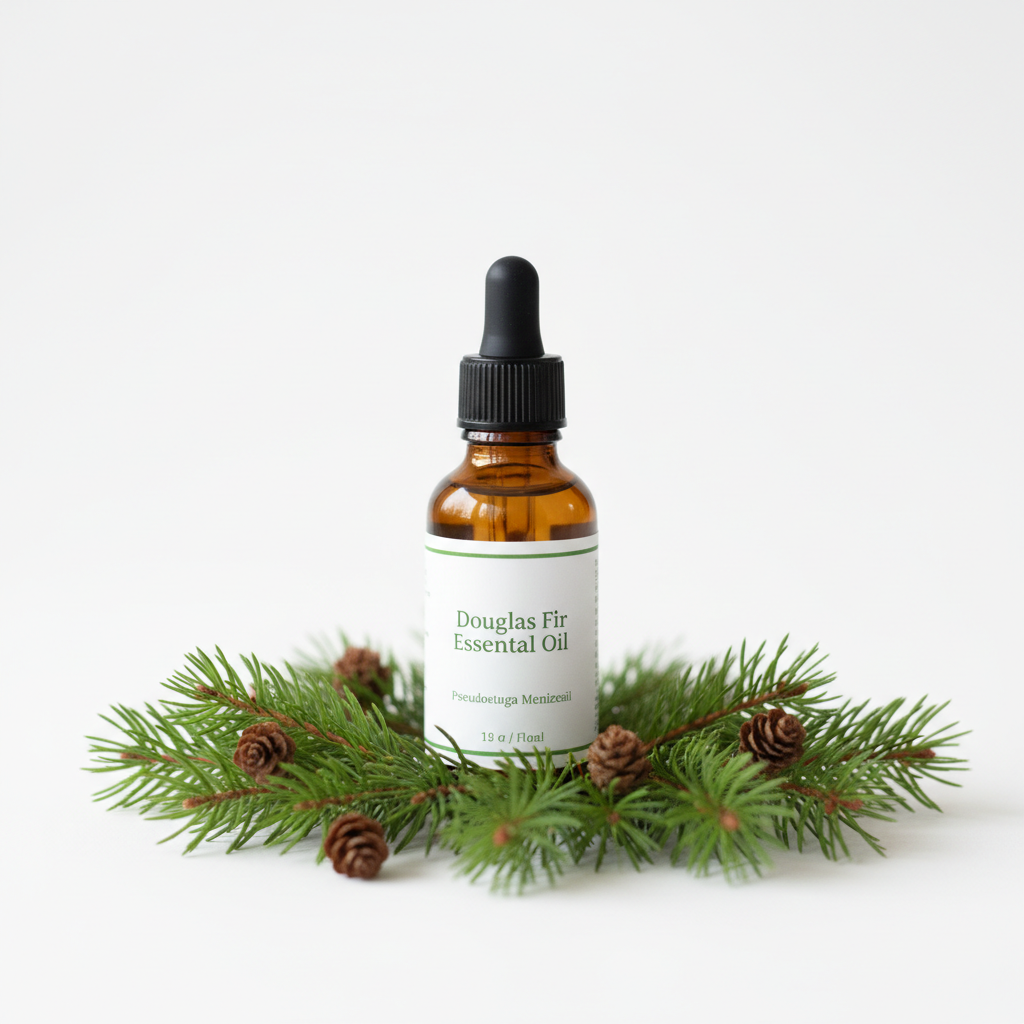
Benefits & Uses
- • Enhances feelings of peace and stability, helping to alleviate stress and tension.
- • Encourages a sense of connection to nature, improving overall mood and mental clarity.
- • Supports emotional resilience, particularly during times of trauma or distress.
- • Aids in grounding meditation practices, fostering a deeper state of relaxation.
- • Promotes a positive atmosphere, enhancing social interactions and communal gatherings.
- • Soothes sore muscles and joints, especially when diluted for topical applications.
- • Supports respiratory health, assisting those with seasonal allergies or respiratory discomfort.
- • Promotes healthy skin by reducing the appearance of minor blemishes when added to skincare.
- • Cleans the air in living spaces, making it desirable for purification and freshening.
- • Boosts immunity and overall well-being when incorporated into a holistic wellness routine.
- • Add to facial oils for its antiseptic properties, beneficial for oily or acne-prone skin.
- • Incorporate in bath products to help soothe skin irritation and provide calming effects.
- • Use in homemade deodorants for its refreshing scent and antibacterial qualities.
- • Blend with carrier oils for a relaxing massage oil that comforts sore muscles.
- • Dilute in lotions to enhance skin regeneration and maintain moisture balance.
- • Add to cleaning products for its antibacterial properties and uplifting scent.
- • Use in water in spray bottles for natural air fresheners throughout the home.
- • Incorporate into potpourri or sachets to infuse spaces with the forest-like aroma.
- • Diffuse in living areas to create a calming atmosphere during gatherings or activities.
- • Combine with other oils in a bathroom diffuser for an invigorating shower experience.
How to Use
For small rooms, use 3-5 drops; for medium rooms, use 5-8 drops; for larger spaces, use 8-12 drops. Diffuse for 30-60 minutes at a time, 2-3 times a day, ideally in the morning or afternoon to benefit from its uplifting qualities.
Dilute Douglas Fir essential oil to 2-3% for adults (based on approximately 10-15 ml of carrier oil); for children, dilute to 0.5-1%; for elderly individuals, dilute to 1-2%. Use carrier oils like jojoba, sweet almond, or coconut. Apply to sore muscles or stressed areas with gentle massage techniques, allowing several minutes for absorption.
For direct inhalation, place 1-2 drops on a tissue or cotton ball and breathe deeply. For steam inhalation, add 2-3 drops to a bowl of hot water and lean over with a towel for 5-10 minutes. A personal inhaler can also be used by adding a few drops to the cotton wick inside.
Safety & Precautions
Conduct a patch test before topical use to avoid potential skin reactions. Be cautious of possible photosensitivity; avoid sun exposure for 12 hours after application. Pregnant and nursing individuals should consult healthcare providers before use. Potential interactions may occur with medications affecting blood pressure. Store in a cool, dark place and use within 1-2 years.
- ⚠️ Individuals with kidney issues.
- ⚠️ Those who suffer from severe allergies to tree oils.
- ⚠️ People with asthma should use cautiously.