Compare Essential Oils
Select up to 4 oils to compare side-by-side
Citronella Essential Oil
Cymbopogon nardus
cilantro essential oil
Coriandrum sativum
Brazilian Orange Essential Oil
Citrus sinensis
Benzoin Resinoid Essential Oil
Styrax benzoin
Ylang Ylang Essential Oil
Cananga odorata
Wormwood Essential Oil
Artemisia absinthium
Wild Orange Essential Oil
Citrus sinensis
Vetiver Essential Oil
Vetiveria zizanoides
Verbena Essential Oil
Aloysia citriodora
Vanilla Essential Oil
Vanilla planifolia
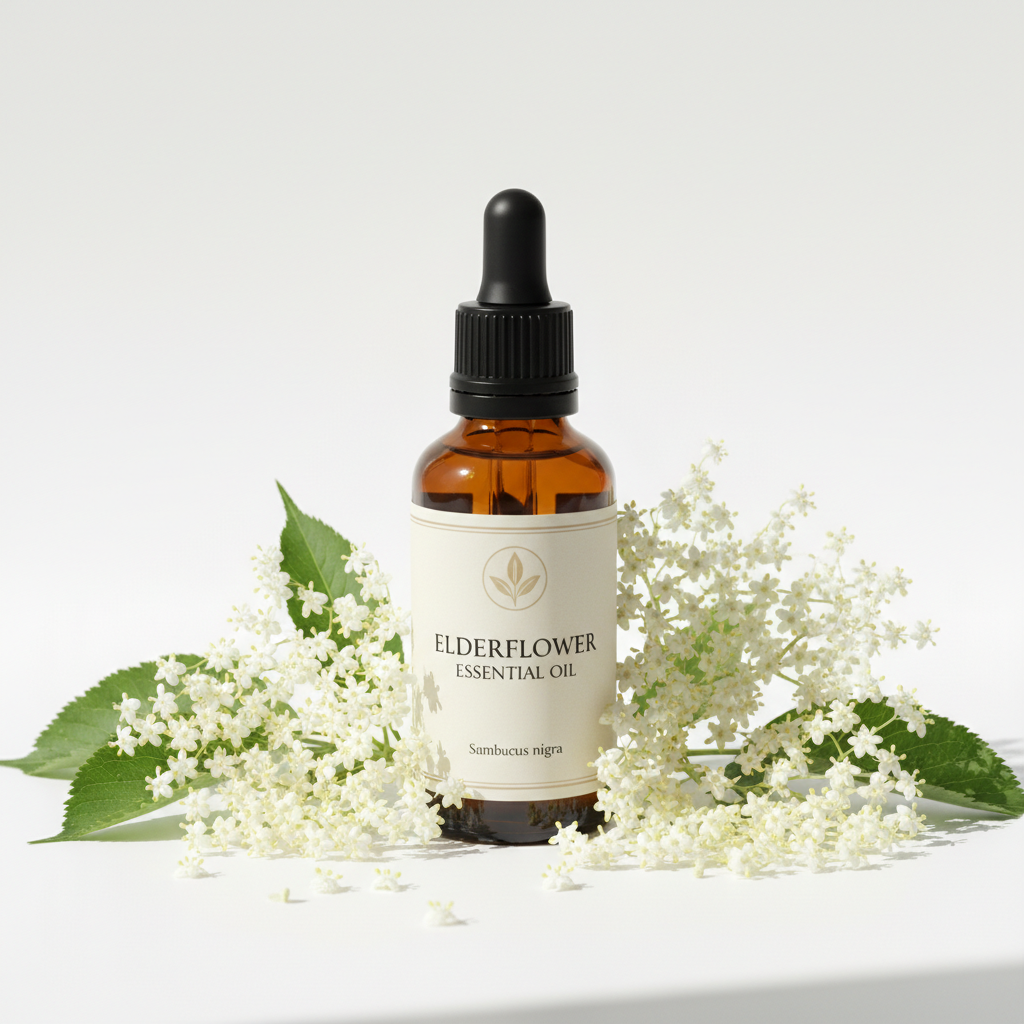
Benefits & Uses
- • Calming: Promotes a sense of peace, making it effective for stress relief and anxiety reduction.
- • Mood Enhancer: May uplift mood during difficult times, providing emotional balance.
- • Comforting: The sweet floral scent is associated with nostalgia and warmth, providing emotional support.
- • Mental Clarity: Helps clear the mind, which can enhance focus and cognitive function.
- • Grounding: Encourages mindfulness and a deeper connection to the present, reducing feelings of overwhelm.
- • Skin Rejuvenation: Supports skin health by soothing irritation and promoting a more radiant complexion.
- • Respiratory Support: Helpful in addressing respiratory concerns, especially during colder months.
- • Joint Relief: Offers comfort for sore muscles and joints due to its anti-inflammatory properties.
- • Hydration: Can assist in hydrating the skin, reducing dryness and enhancing texture.
- • General Well-being: Contributes to overall wellness by aiding in various bodily functions.
- • Facial Mist: Dilute with water to create a refreshing facial mist that hydrates and soothes the skin.
- • Acne Treatment: Combined with tea tree oil, it can be used to address mild acne concerns.
- • Anti-aging Serum: Incorporate in skincare oils to benefit mature skin and improve elasticity.
- • Soothing Oil: Mix with a carrier oil to apply on irritated or sensitive skin areas.
- • Bath Oil: Add to bath water for a relaxing soak that softens and refreshes the skin.
- • Air Freshener: Used in diffusers to create a pleasant and soothing environment indoors.
- • Natural Surface Cleaner: Combined with vinegar, it can serve as a natural cleaning solution.
- • Insect Repellent: May help deter pesky insects when mixed with other essential oils.
- • Potpourri Ingredient: Enhances the scent of homemade potpourri blends, offering a sweet floral scent.
- • Laundry Freshener: Add a few drops to laundry to impart a lovely scent and freshness.
How to Use
For a small room, use 3-5 drops of Elderflower Essential Oil, for a medium room, 5-8 drops, and for a large room, 8-12 drops. Diffuse for 30-60 minutes at a time, 2-3 times daily. Best times include early morning for mental clarity and nighttime for relaxation.
For adults, dilute Elderflower Essential Oil to 2-3% (10-15 drops per ounce) in a carrier oil. For children aged 2-12, dilute to 0.5-1% (3-5 drops per ounce). For elderly individuals, use 1-2% (5-10 drops per ounce). Recommended carrier oils are jojoba, sweet almond, or coconut. Apply in a gentle massage to pulse points or areas of concern, allowing adequate absorption time, approximately 20-30 minutes.
For direct inhalation, place 1-2 drops on a tissue or cotton ball and breathe in gently. For steam inhalation, add 2-3 drops to a bowl of hot water, covering your head with a towel and inhaling deeply for 5-10 minutes. Alternatively, use a personal inhaler by adding 5-10 drops for on-the-go benefits.
Safety & Precautions
Always perform a patch test before topical application, especially for sensitive skin. Use caution with photosensitivity; avoid sun exposure for 12 hours after topical use. Pregnant or nursing individuals should consult with a healthcare provider before use. Elderflower oil can interact with blood pressure medications; consult a healthcare professional. Store in a cool dark place, and ensure to keep out of reach of children. Shelf life is generally 1-2 years when stored properly.
- ⚠️ Pregnant individuals without healthcare provider approval.
- ⚠️ Individuals with certain allergies or sensitivities.
- ⚠️ Those on specific medications that may interact adversely.