Compare Essential Oils
Select up to 4 oils to compare side-by-side
Citronella Essential Oil
Cymbopogon nardus
cilantro essential oil
Coriandrum sativum
Brazilian Orange Essential Oil
Citrus sinensis
Benzoin Resinoid Essential Oil
Styrax benzoin
Ylang Ylang Essential Oil
Cananga odorata
Wormwood Essential Oil
Artemisia absinthium
Wild Orange Essential Oil
Citrus sinensis
Vetiver Essential Oil
Vetiveria zizanoides
Verbena Essential Oil
Aloysia citriodora
Vanilla Essential Oil
Vanilla planifolia
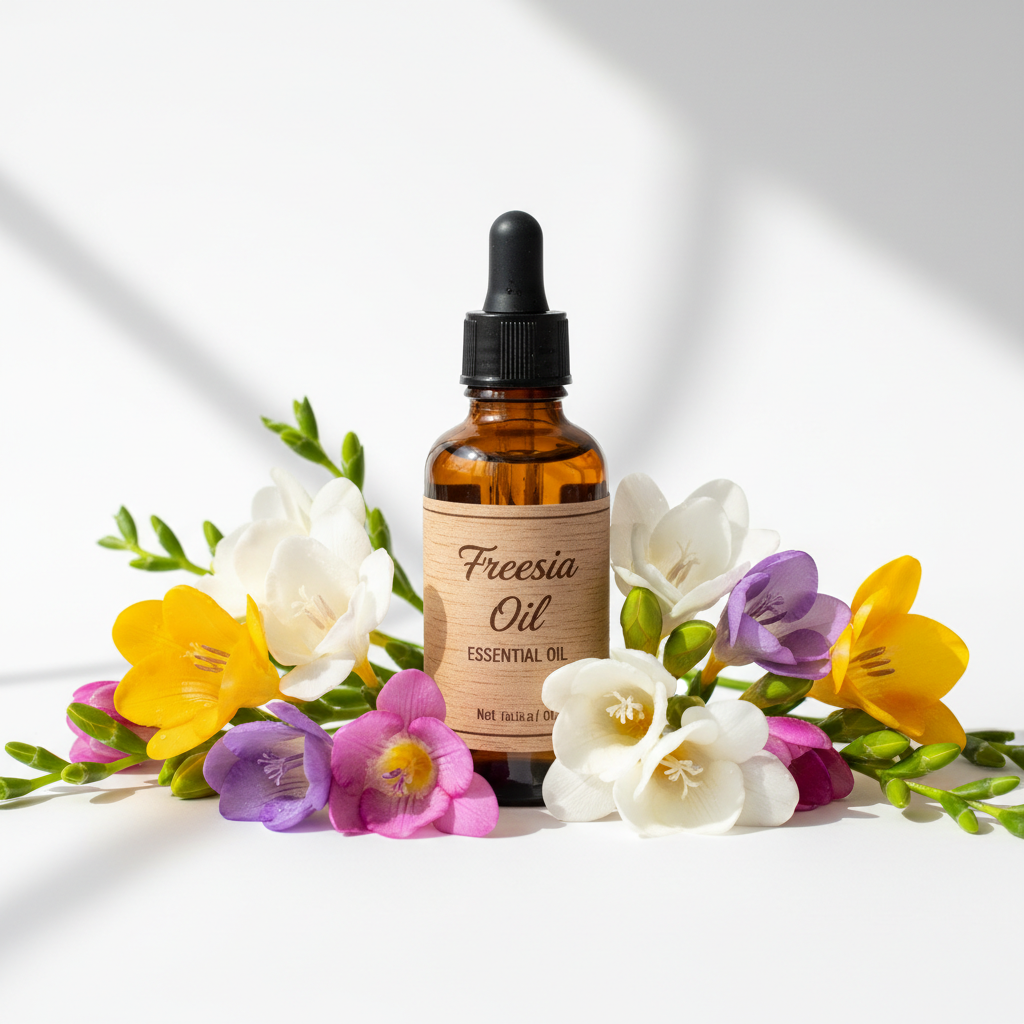
Benefits & Uses
- • Promotes a serene atmosphere, helping to reduce feelings of anxiety and stress.
- • Encourages feelings of happiness and joy, making it suitable for use during times of emotional distress.
- • Can enhance self-esteem and promote overall emotional balance.
- • Serves as a gentle support during meditation or yoga practices, fostering mindfulness.
- • Avoids feelings of loneliness, offering soothing comfort and companionship.
- • Supports respiratory health by helping to clear the airways and enhance breathing.
- • May help soothe headaches and tension related to stress.
- • Can improve sleep quality when diffused in the bedroom before rest.
- • Aids in easing muscle tension and discomfort through topical application.
- • Contributes to overall wellness when used in conjunction with relaxation techniques.
- • Can be incorporated into creams and lotions to promote hydration and nourishment of the skin.
- • Used in facial steams to help brighten and refresh dull skin.
- • Ideal as a natural perfume due to its alluring fragrance.
- • May help improve the appearance of skin due to its antimicrobial properties.
- • Aromatic enhancer when blended in home diffusers for a pleasant, fresh ambiance.
- • Can be used to naturally scent household cleaning products, providing a floral fragrance.
- • Effective in creating a calming environment in living spaces, reducing stress.
- • Contributes to potpourri blends for natural home fragrance.
How to Use
For small rooms, use 3-5 drops; for medium rooms, use 5-8 drops; and for large rooms, 8-12 drops. Optimal duration for use is between 30-60 minutes sessions, 2-3 times per day, ideally in the morning or when needing calm.
For adult use, dilute Freesia Oil to 2-3%. For children (2-12 years), use a dilution of 0.5-1%. For the elderly, a dilution of 1-2% is recommended. Suggested carrier oils include jojoba or sweet almond; apply to areas of tension using gentle massage techniques and allow for 20-30 minutes for absorption.
For direct inhalation, place 1-2 drops on a tissue or in your hands, and inhale deeply. For steam inhalation, add 2-3 drops to a bowl of hot water, covering your head with a towel, and inhale for 5-10 minutes. Personal inhalers can be prepared for individual use.
Safety & Precautions
Always perform a patch test to check for skin sensitivity. May cause a mild allergic reaction in some individuals. Avoid sun exposure for 12 hours after topical use due to potential photosensitivity. Should be avoided during pregnancy and nursing unless under professional guidance. Store in a cool, dark place, and be mindful of shelf life (generally 1-3 years).
- ⚠️ Pregnant or nursing individuals without medical supervision.
- ⚠️ Those with a history of severe allergic reactions to floral oils.
- ⚠️ Individuals taking medications for blood pressure or mood disorders without consulting a healthcare provider.