Compare Essential Oils
Select up to 4 oils to compare side-by-side
Citronella Essential Oil
Cymbopogon nardus
cilantro essential oil
Coriandrum sativum
Brazilian Orange Essential Oil
Citrus sinensis
Benzoin Resinoid Essential Oil
Styrax benzoin
Ylang Ylang Essential Oil
Cananga odorata
Wormwood Essential Oil
Artemisia absinthium
Wild Orange Essential Oil
Citrus sinensis
Vetiver Essential Oil
Vetiveria zizanoides
Verbena Essential Oil
Aloysia citriodora
Vanilla Essential Oil
Vanilla planifolia
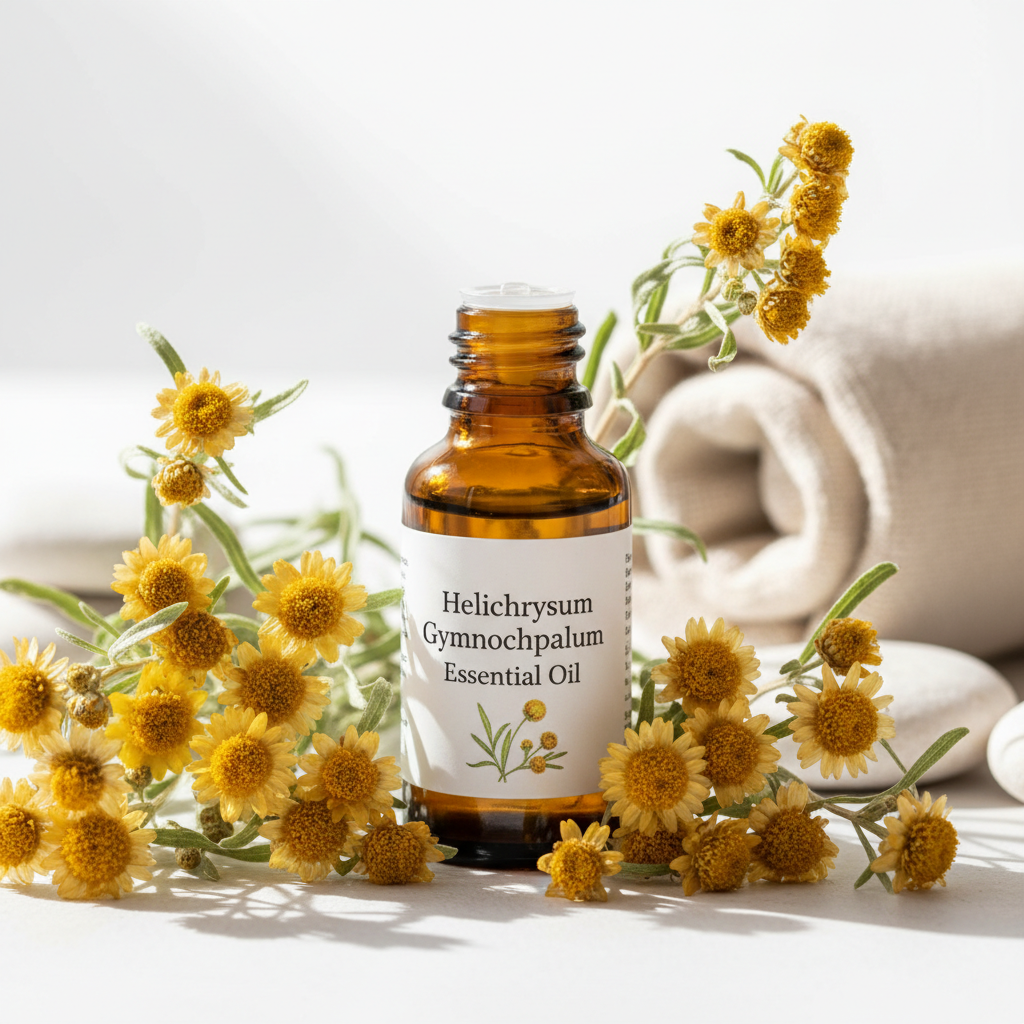
Benefits & Uses
- • Promotes relaxation and eases tension, perfect for calming anxious minds.
- • Enhances mood and elevates emotional well-being, conducive for meditation or calming routines.
- • Fosters a sense of grounding, aiding emotional stability during turbulent times.
- • Supports emotional resilience during major life changes, providing comfort and strength.
- • May enhance clarity and focus, making it ideal for stressful work environments.
- • Conditions and nourishes damaged skin, especially effective for scars and blemishes.
- • Improves the appearance of mature skin, offering restorative benefits.
- • Enhances circulation, contributing to overall physical vitality.
- • Relieves tension headaches when inhaled or applied topically in a diluted form.
- • Provides respiratory support, particularly in cases of congestion.
- • Helps to rejuvenate and repair skin, making it suitable for anti-aging formulations.
- • Excellent for soothing redness and irritation, beneficial for sensitive skin.
- • Can be used in facial blends for its skin-nourishing qualities.
- • Helps diminish the appearance of scars and promotes a smoother complexion.
- • Acts as a natural air freshener when diffused, uplifting the environment.
- • Can be used in homemade cleaners for its antimicrobial properties.
- • Effective in repelling insects when added to household sprays.
- • Creates a calming atmosphere in living spaces, enhancing relaxation.
- • Utilized in potpourri and scented sachets for a long-lasting fragrance.
How to Use
For small rooms (up to 200 sq. ft.), use 3-5 drops of Helichrysum Gymnocephalum essential oil. For medium rooms (200-400 sq. ft.), use 5-8 drops, and for larger spaces, use 8-12 drops. Diffuse for 30-60 minutes and frequency can be 2-3 times each day. Ideal times are early morning to elevate mood or evening to promote relaxation.
For adults, dilute the essential oil to 2-3% (10-15 drops per ounce of a carrier oil). For children, the dilution should be between 0.5-1% (2-6 drops per ounce). The elderly should use a dilution of 1-2% (5-10 drops per ounce). Suitable carrier oils include sweet almond, jojoba, and coconut. Apply to desired areas and use gentle massage techniques to boost absorption (allow at least 30 minutes).
Methods of inhalation include direct inhalation by placing 1-2 drops on a tissue and inhaling, or by cupping hands around the nose after adding a drop to fingers. For steam inhalation, add 2-3 drops to hot water and inhale the steam for 5-10 minutes. Personal inhalers can be created by putting several drops onto a cotton wick in an inhaler tube.
Safety & Precautions
Always perform a patch test before topical application to check for sensitivity. Avoid sun exposure for 12 hours post-topical use due to potential photosensitivity. Pregnant or nursing women should consult with a healthcare provider before use. Ensure proper storage in a cool, dark place; shelf life is generally 1-2 years. Keep out of reach of children and avoid contact with eyes and mucous membranes.
- ⚠️ Pregnant or nursing women without professional guidance.
- ⚠️ Individuals with known allergies to Helichrysum or related plants.
- ⚠️ Those taking anticoagulant medications should use with caution.