Compare Essential Oils
Select up to 4 oils to compare side-by-side
Citronella Essential Oil
Cymbopogon nardus
cilantro essential oil
Coriandrum sativum
Brazilian Orange Essential Oil
Citrus sinensis
Benzoin Resinoid Essential Oil
Styrax benzoin
Ylang Ylang Essential Oil
Cananga odorata
Wormwood Essential Oil
Artemisia absinthium
Wild Orange Essential Oil
Citrus sinensis
Vetiver Essential Oil
Vetiveria zizanoides
Verbena Essential Oil
Aloysia citriodora
Vanilla Essential Oil
Vanilla planifolia
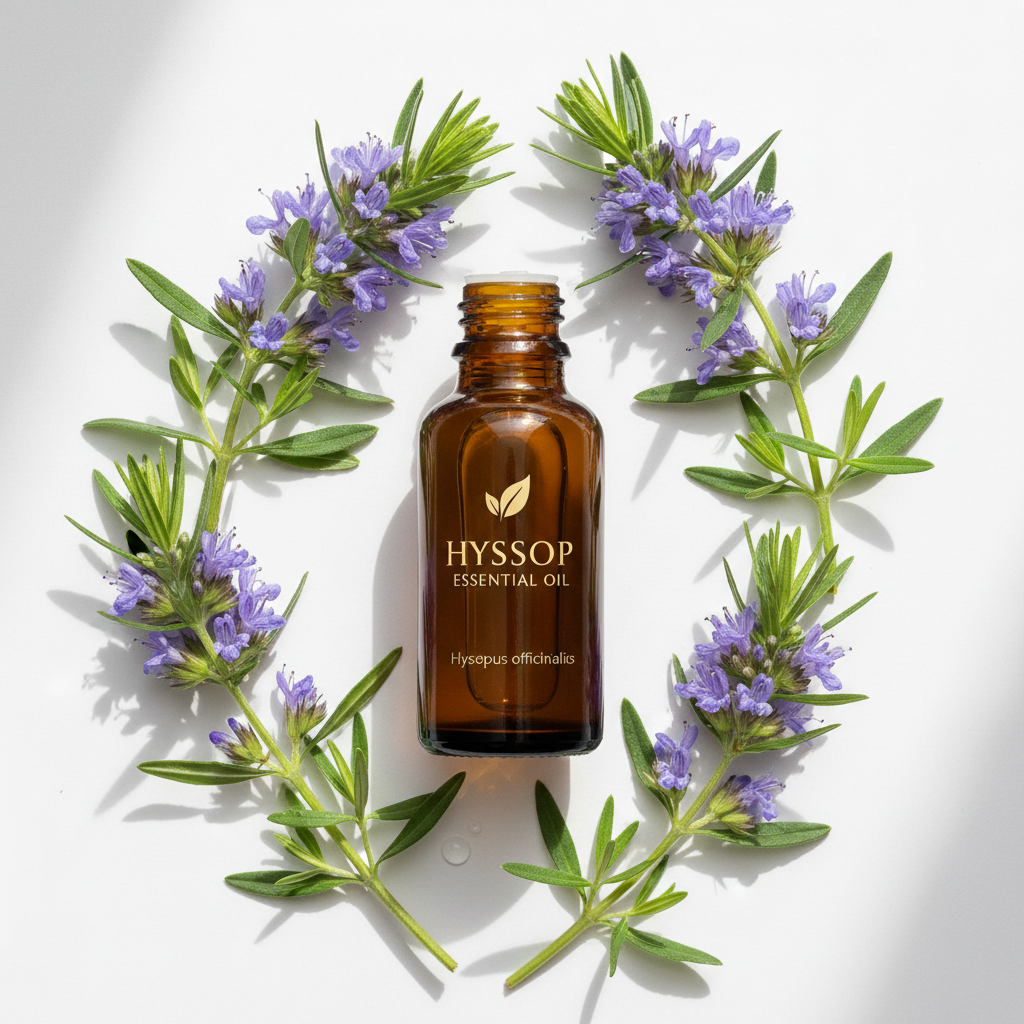
Benefits & Uses
- • Promotes emotional balance by reducing feelings of anxiety and tension.
- • Enhances mental clarity and focus, making it supportive for tasks requiring concentration.
- • Encourages a sense of calm and tranquility, helpful in meditation and spiritual practices.
- • May uplift mood and ward off feelings of sadness or despair, promoting a brighter outlook.
- • Supports grounding during overwhelming emotions, fostering a feeling of stability.
- • Promotes respiratory health by easing coughs and soothing sore throats when used in steam inhalation or diffusers.
- • Can help alleviate muscle tension and pain when applied diluted to affected areas.
- • Known to support the immune system, especially during seasonal changes.
- • May aid in reducing symptoms of indigestion when used in aromatherapy practices.
- • Potentially helps to enhance skin health by promoting a clear complexion when used in skincare products.
- • Used in small quantities in skincare formulations for its antibacterial properties which may help with acne management.
- • Acts as a natural astringent, making it beneficial for oily skin types.
- • Can be infused in carrier oils for use in massages, promoting relaxation while nourishing the skin.
- • May be included in homemade toners to improve skin clarity and texture.
- • Effective for purifying air, particularly in respiratory conditions when diffused in living areas.
- • Can be added to cleaning products for its antimicrobial properties, aiding in sanitizing surfaces.
- • Used in making natural air fresheners by blending with water and essential oils for a fresh scent.
- • Helpful for creating a serene environment during meditation and yoga sessions when used in diffusers.
How to Use
For small rooms, use 3-5 drops of hyssop essential oil. In medium rooms, 5-8 drops are appropriate, and for large spaces, use 8-12 drops. Optimal diffusion time is 30-60 minutes. It is best to diffuse 2-3 times a day, especially during morning routines or when focused work is needed.
For adults, dilute at 2-3% in carrier oils such as jojoba, sweet almond, or coconut. For children, aim for a 0.5-1% dilution, while elderly should use a 1-2% dilution. Apply on pulse points or massage gently into areas in need of relief, allowing for absorption.
For direct inhalation, place 1-2 drops on a tissue and breathe deeply. For steam inhalation, add 2-3 drops to hot water and inhale the steam for 5-10 minutes. You can also prepare a personal inhaler by adding 5-10 drops to the inhaler base for on-the-go use.