Compare Essential Oils
Select up to 4 oils to compare side-by-side
Citronella Essential Oil
Cymbopogon nardus
cilantro essential oil
Coriandrum sativum
Brazilian Orange Essential Oil
Citrus sinensis
Benzoin Resinoid Essential Oil
Styrax benzoin
Ylang Ylang Essential Oil
Cananga odorata
Wormwood Essential Oil
Artemisia absinthium
Wild Orange Essential Oil
Citrus sinensis
Vetiver Essential Oil
Vetiveria zizanoides
Verbena Essential Oil
Aloysia citriodora
Vanilla Essential Oil
Vanilla planifolia
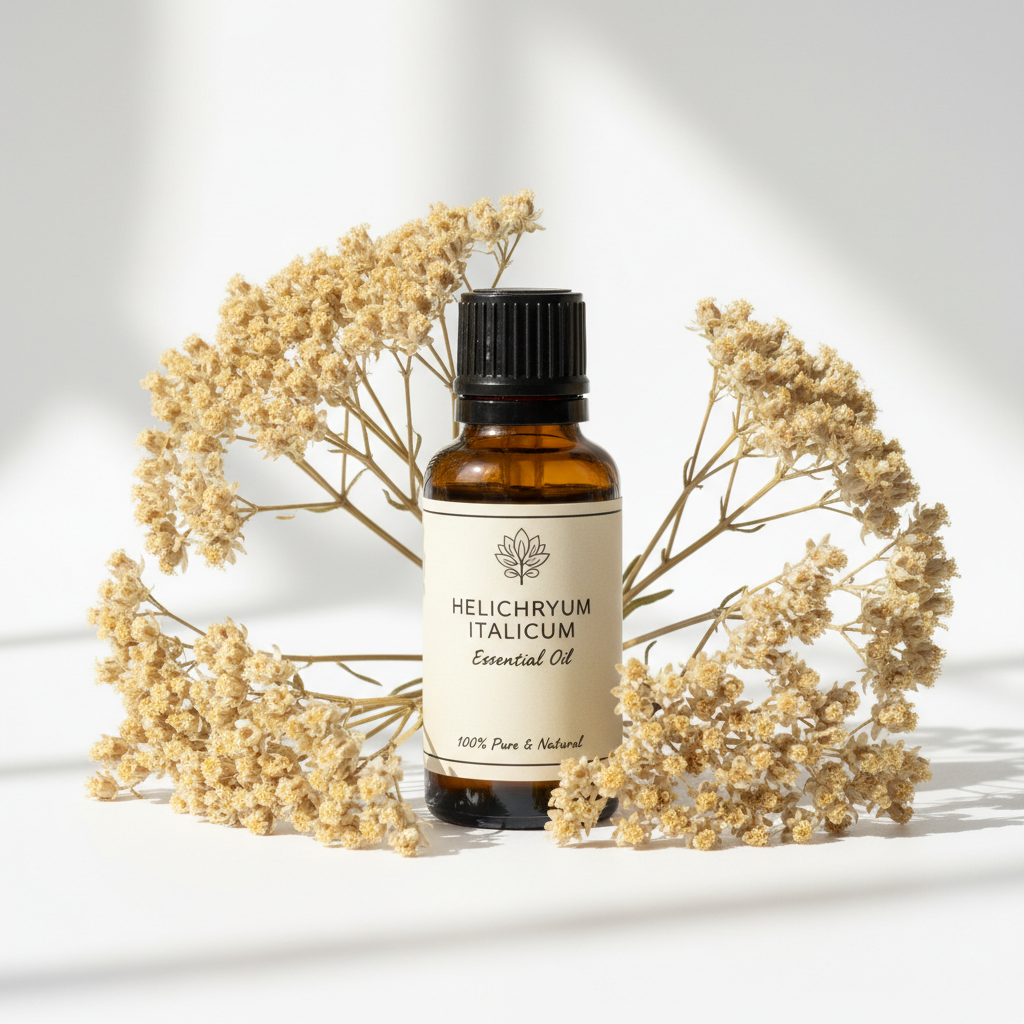
Benefits & Uses
- • Calming: Can promote a sense of calm and relaxation, reducing feelings of stress and overwhelm.
- • Emotional Healing: Supports emotional release and healing from trauma or grief.
- • Mental Clarity: Enhances focus and concentration, making it useful for mental fatigue.
- • Mindfulness: Aids in mindfulness practices, encouraging present-moment awareness.
- • Uplifting: Positively influences mood and can help alleviate feelings of sadness.
- • Skin Repair: Aids in the healing of cuts, bruises, and skin irritations.
- • Scar Treatment: Effective for reducing the appearance of scars and stretch marks.
- • Supportive for Respiratory Health: May ease symptoms of respiratory conditions when used in inhalation.
- • Digestive Aid: Can support digestive health when properly diluted and used internally.
- • Muscle Relief: Provides relief from muscle tension and soreness.
- • Scar Reduction: Incorporate into formulations to help minimize the appearance of scars.
- • Anti-Aging: Use in facial oils and serums for its regenerative qualities.
- • Moisturizing: Blend with carrier oils for deep skin hydration.
- • Soothing: Ideal for irritated or sensitive skin; adds calmness to skincare routines.
- • Air Freshener: Diffusing Helichrysum can purify the air and enhance the ambiance of a room.
- • Natural Cleaner: Added to household cleansers for its antimicrobial properties.
- • Insect Repellent: Deters pests when diffused or used in spray applications.
- • Laundry Freshener: A few drops in laundry can impart a refreshing scent.
How to Use
For small rooms (up to 100 sq ft), use 3-5 drops; for medium rooms (100-250 sq ft), use 5-8 drops; for large rooms (over 250 sq ft), use 8-12 drops. Diffuse for 30-60 minutes per session, up to 2-3 times a day. Ideal times are in the morning or during meditative practices.
For adults, dilute Helichrysum to 2-3%. For children ages 2-12, use a dilution of 0.5-1%. For the elderly, a 1-2% dilution is advisable. Carrier oils such as jojoba and sweet almond are suitable for dilution. Apply to areas of concern using gentle massage techniques to promote absorption, allowing 30 minutes for efficacy.
Direct inhalation can be achieved by placing 1-2 drops on a tissue or cupping hands over the nose and inhaling. For steam inhalation, add 2-3 drops to a bowl of hot water; cover with a towel and inhale for 5-10 minutes. Personal inhalers can be prepared using a cotton wick and essential oil.
Safety & Precautions
Always conduct a patch test before topical use to check for sensitivity. Helichrysum can cause photosensitivity; avoid sun exposure for 12 hours after topical application. Consult a healthcare professional if pregnant, nursing, or on medication interactions. Store in a cool, dark place with a shelf life of 2-3 years.
- ⚠️ Pregnant women (first trimester)
- ⚠️ Individuals with hypersensitivity to Helichrysum or similar plants
- ⚠️ People on anticoagulant therapy should use with caution