Compare Essential Oils
Select up to 4 oils to compare side-by-side
Citronella Essential Oil
Cymbopogon nardus
cilantro essential oil
Coriandrum sativum
Brazilian Orange Essential Oil
Citrus sinensis
Benzoin Resinoid Essential Oil
Styrax benzoin
Ylang Ylang Essential Oil
Cananga odorata
Wormwood Essential Oil
Artemisia absinthium
Wild Orange Essential Oil
Citrus sinensis
Vetiver Essential Oil
Vetiveria zizanoides
Verbena Essential Oil
Aloysia citriodora
Vanilla Essential Oil
Vanilla planifolia
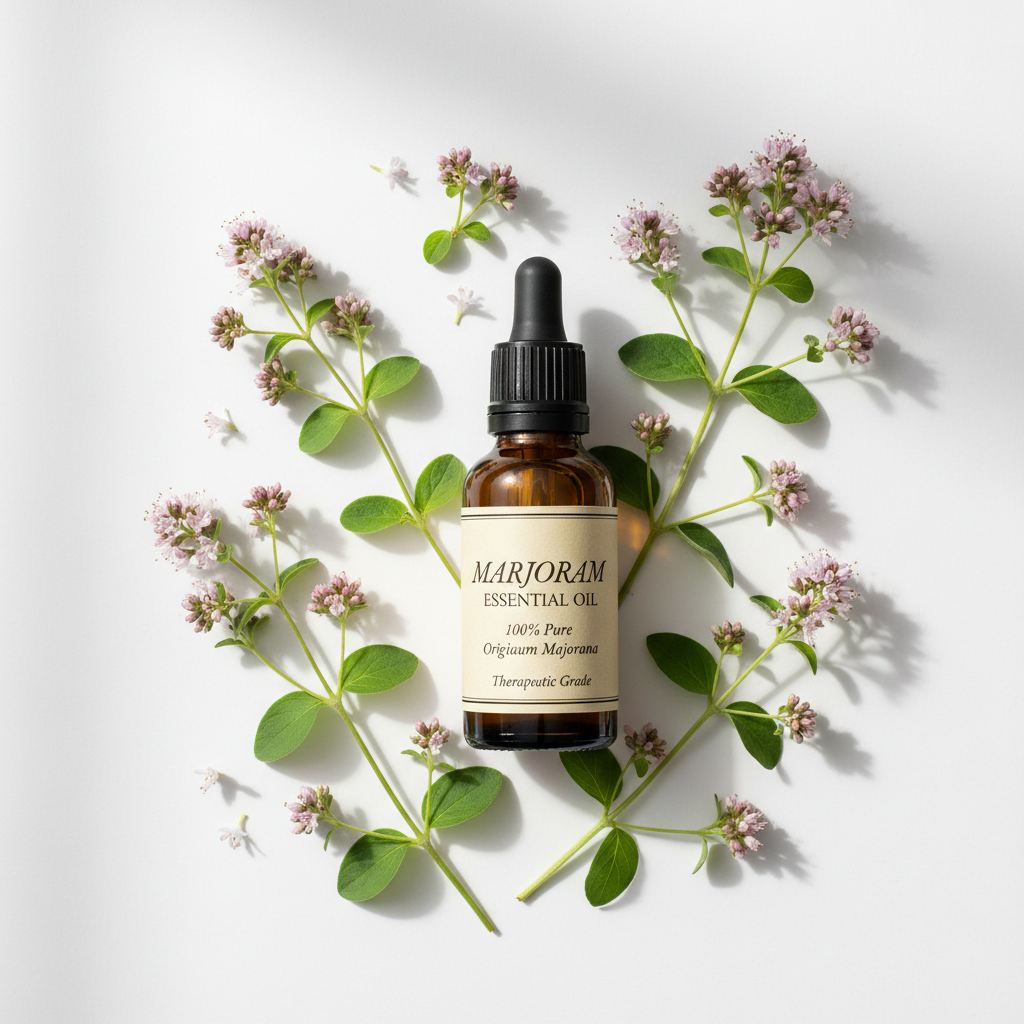
Benefits & Uses
- • Reduces stress and promotes a sense of calm, making it beneficial in stressful work environments.
- • Enhances mood and combats feelings of sadness and depression.
- • Supports emotional balance during times of high anxiety.
- • Encourages restful sleep when used in nighttime routines.
- • Fosters a sense of inner peace and well-being.
- • Helps relax muscles and relieve soreness after physical activity.
- • Aids in relieving headaches, particularly those linked to tension.
- • Supports respiratory health and may alleviate congestion.
- • Enhances circulation and promotes warmth in cold limbs.
- • May assist in minimizing the appearance of scars and blemishes when used in skincare.
- • Can be diluted in a carrier oil for soothing massage to relieve muscle tension.
- • Promotes a clear complexion when added to skincare products.
- • Assists in reducing acne due to its antimicrobial properties.
- • Can help soothe skin irritations when blended in a skin treatment.
- • Provides moisturizing benefits when blended into balms.
- • Effective for scenting the home and creating a calming environment when diffused.
- • Can be used in a homemade cleaning spray for its antimicrobial properties.
- • Improves indoor air quality by neutralizing odors.
- • Supports a peaceful ambiance in meditation spaces.
How to Use
For a small room (up to 100 sq. ft.), use 3-5 drops in the diffuser; for medium rooms (up to 250 sq. ft.), use 5-8 drops; and in large rooms (over 250 sq. ft.), use 8-12 drops. Optimal duration is 30-60 minutes per session, 2-3 times daily. Best times to diffuse include during meditation, relaxation, or in the evening to prepare for sleep.
For adults, dilute marjoram essential oil to 2-3% (12-18 drops per ounce of carrier oil). For children, use a 0.5-1% dilution (for ages 2-12), and for the elderly, use 1-2%. Recommended carrier oils include jojoba, sweet almond, or coconut oil. Apply to areas of muscle tension or for calming effects during massage. Absorption will vary, but massage in well for best results.
Direct inhalation: Place 1-2 drops on a tissue and inhale deeply, or cup hands over nose and inhale. Steam inhalation: Add 2-3 drops to a bowl of hot water, cover your head with a towel, and inhale the steam for 5-10 minutes. Personal inhaler: Add 4-5 drops to a personal inhaler for on-the-go relief.
Safety & Precautions
Always perform a patch test prior to topical application to check for sensitivities. Can cause photosensitivity with topical use; avoid sun exposure for 12 hours afterward. Pregnant or nursing women should consult with a healthcare professional before use. May interact with blood pressure medications. Store in a cool, dark place and ensure the cap is tightly secured. Shelf life is generally 1-2 years when stored correctly.
- ⚠️ Pregnant women, particularly in the first trimester.
- ⚠️ Individuals with hypotension or on blood pressure medications.
- ⚠️ Those with allergies to plants in the Lamiaceae family.
- ⚠️ People with skin sensitivities.