Compare Essential Oils
Select up to 4 oils to compare side-by-side
Citronella Essential Oil
Cymbopogon nardus
cilantro essential oil
Coriandrum sativum
Brazilian Orange Essential Oil
Citrus sinensis
Benzoin Resinoid Essential Oil
Styrax benzoin
Ylang Ylang Essential Oil
Cananga odorata
Wormwood Essential Oil
Artemisia absinthium
Wild Orange Essential Oil
Citrus sinensis
Vetiver Essential Oil
Vetiveria zizanoides
Verbena Essential Oil
Aloysia citriodora
Vanilla Essential Oil
Vanilla planifolia
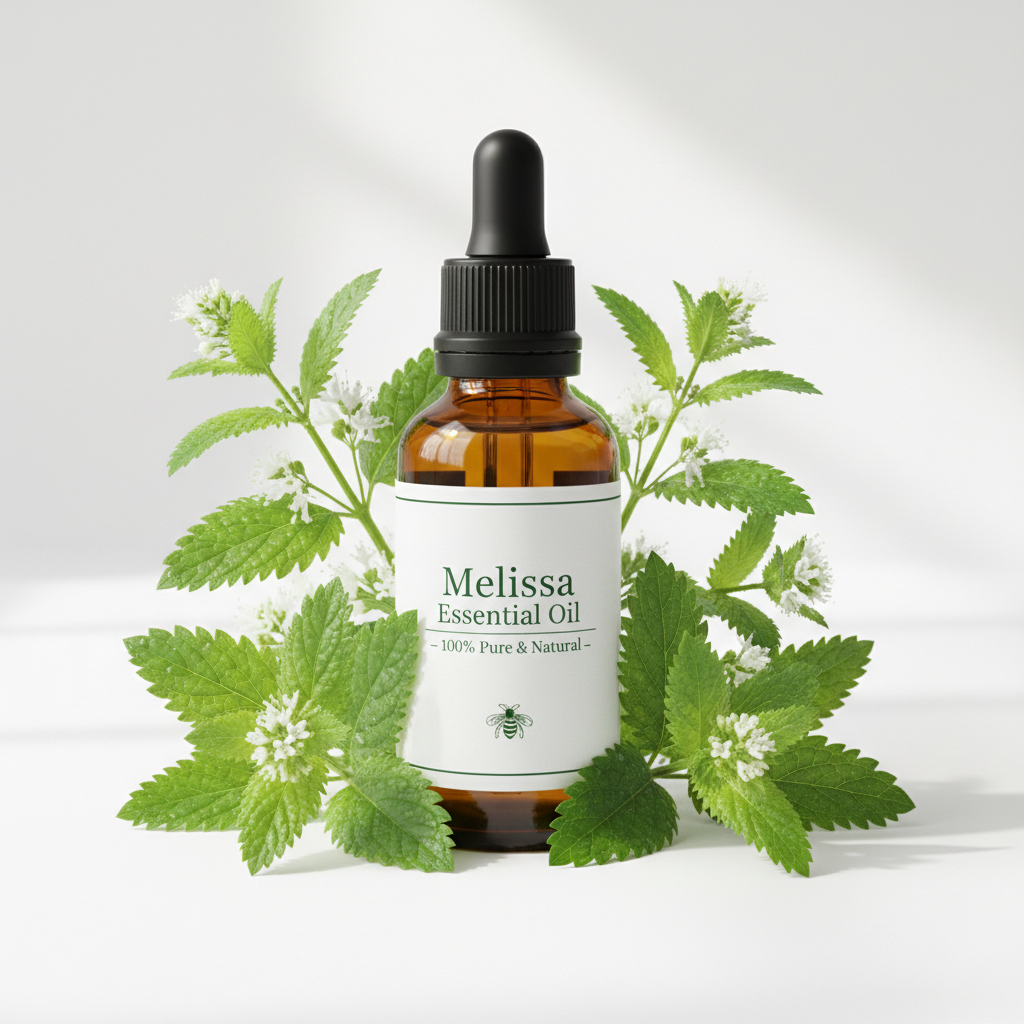
Benefits & Uses
- • Promotes relaxation and calmness, making it beneficial for stress relief.
- • May improve mood and reduce feelings of sadness or despair.
- • Aids in mental clarity and focus, helping to alleviate brain fog.
- • Encourages a sense of well-being, positively impacting emotional balance.
- • May help reduce nervous tension before public speaking or presentations.
- • Can help relieve digestive discomfort, such as bloating and gas.
- • Supports a healthy respiratory system, aiding in clearer breathing.
- • May assist with alleviating headaches and migraines through relaxation.
- • Helps with muscle tension relief, providing soothing effects on overworked muscles.
- • Offers skin-soothing properties, beneficial for minor irritations.
- • Can be diluted for use in facial oils to soothe sensitive skin and reduce redness.
- • Used in creams or lotions to provide calming effects for irritated or inflamed skin.
- • Potentially improves skin texture and hydration when added to serums.
- • Acts as a natural perfume, infusing products with its delightful aroma.
- • May help lighten the appearance of scars and blemishes over time.
- • Can be added to cleaning solutions for its antimicrobial properties.
- • Recommended for use in DIY air fresheners for a refreshing scent.
- • Used in bath products for a calming experience that enhances relaxation.
- • Infused in candles to create an inviting atmosphere.
- • Utilized in potpourri to bring a cheerful citrus scent into the home.
How to Use
For diffusing Melissa Essential Oil, add 3-5 drops for small rooms, 5-8 drops for medium rooms, and 8-12 drops for larger spaces. Run the diffuser for 30-60 minutes per session and use it 2-3 times daily, preferably during the evening or when feeling stressed.
For adults, dilute Melissa Essential Oil to 2-3% (6-9 drops per 30ml of carrier oil). For children, use a 0.5-1% dilution, applying to pulse points. For the elderly, a 1-2% dilution is appropriate. Common carrier oils include jojoba, sweet almond, and coconut. After application, use gentle massage techniques to promote absorption.
For direct inhalation, place 1-2 drops on a tissue or cotton ball and breathe deeply. For steam inhalation, add 2-3 drops to a bowl of hot water and inhale the steam for 5-10 minutes. Alternatively, consider using a personal inhaler for on-the-go applications.
Safety & Precautions
Always perform a patch test before using Melissa Essential Oil topically. Avoid sunlight exposure for 12 hours after topical application due to potential photosensitivity. Pregnant or nursing women should consult a healthcare provider before use. Store in a cool, dark place and keep out of reach of children. Shelf life is typically around 2-3 years.
- ⚠️ Individuals with severe allergies to plants in the mint family.
- ⚠️ Those taking certain medications for thyroid disorders.
- ⚠️ People with hypersensitivity to citrus oils.