Compare Essential Oils
Select up to 4 oils to compare side-by-side
Citronella Essential Oil
Cymbopogon nardus
cilantro essential oil
Coriandrum sativum
Brazilian Orange Essential Oil
Citrus sinensis
Benzoin Resinoid Essential Oil
Styrax benzoin
Ylang Ylang Essential Oil
Cananga odorata
Wormwood Essential Oil
Artemisia absinthium
Wild Orange Essential Oil
Citrus sinensis
Vetiver Essential Oil
Vetiveria zizanoides
Verbena Essential Oil
Aloysia citriodora
Vanilla Essential Oil
Vanilla planifolia
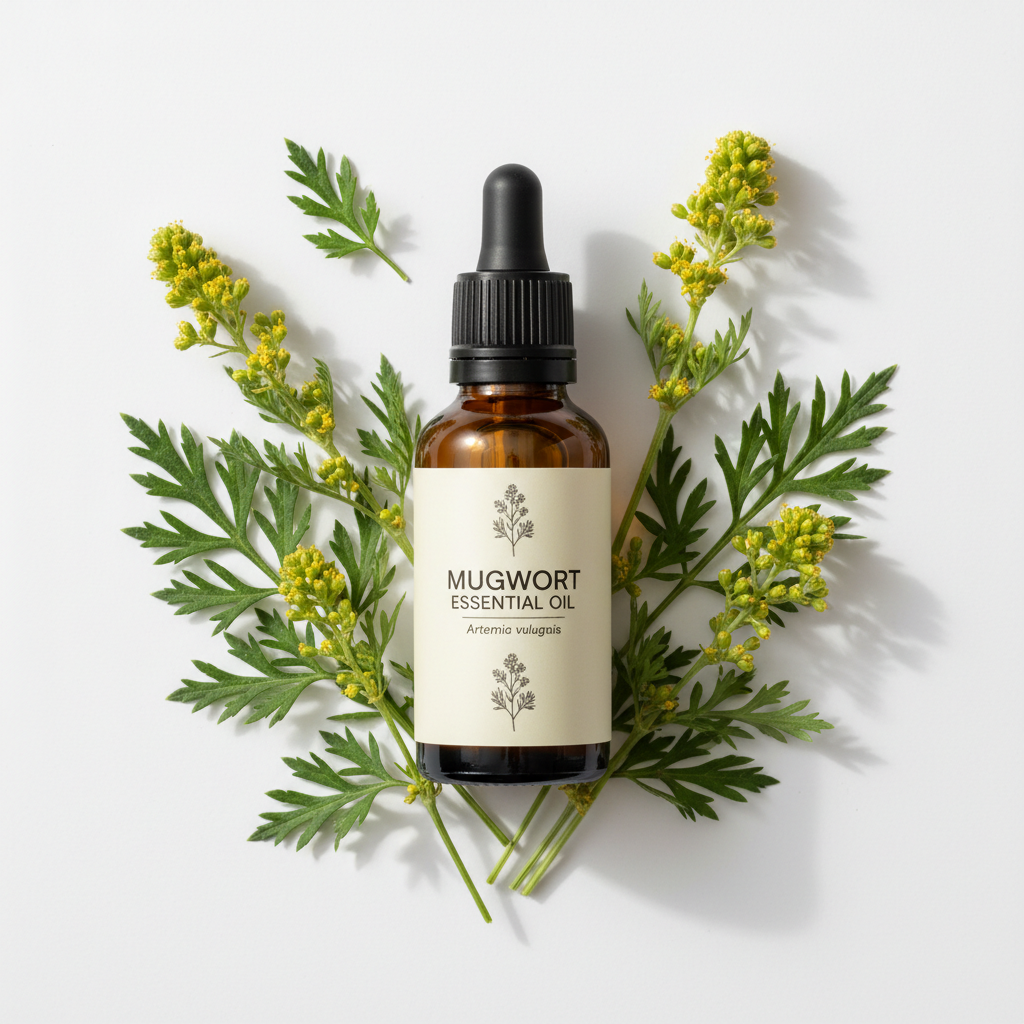
Benefits & Uses
- • Enhances Dream Recall: Supports vivid dreams and lucid dreaming, often used in dreamwork.
- • Reduces Stress: Promotes relaxation and reduces feelings of stress and tension.
- • Supports Emotional Balance: Assists in achieving emotional stability and clarity.
- • Encourages Creativity: Opens the mind to new ideas and inspirations.
- • Fosters a Sense of Grounding: Helps individuals feel centered and balanced.
- • May alleviate headaches and migraines when used through inhalation.
- • Supports respiratory health by promoting easier breathing.
- • Can relieve menstrual discomfort and other gynecological issues.
- • Aids in reducing symptoms of nausea when inhaled.
- • Enhances circulation, which can contribute to improved energy levels.
- • Can be added to skincare products for its potential anti-inflammatory properties.
- • Used in diluted form to soothe minor skin irritations.
- • May assist in toning the skin, providing a fresh appearance.
- • Incorporated into herbal baths for skin rejuvenation and relaxation.
- • Acts as a natural insect repellent when diffused.
- • Can be used in homemade cleaning solutions for its antibacterial properties.
- • Incorporated in potpourri to create a calming atmosphere.
- • Used to deodorize spaces by neutralizing unwanted odors.
How to Use
For small rooms, add 3-5 drops of Mugwort oil; for medium rooms, use 5-8 drops; large areas can benefit from 8-12 drops. Diffuse for sessions lasting 30-60 minutes, up to 2-3 times daily. Best diffused in the evening or during relaxation practices.
For adults, dilute Mugwort oil to 2-3% (approximately 12-18 drops per ounce of carrier oil). In children, use a lower dilution of 0.5-1%. For elderly, recommend 1-2%. Popular carrier oil options include jojoba, sweet almond, and coconut. Apply to areas of discomfort or in massage, allowing 30 minutes for full absorption.
Direct inhalation can be done by placing 1-2 drops on a tissue or cupping hands over the nose. For steam inhalation, add 2-3 drops to hot water and inhale the steam for 5-10 minutes. A personal inhaler can also be filled for on-the-go use.
Safety & Precautions
Always conduct a patch test prior to topical applications. Avoid sun exposure for 12 hours after topical usage due to potential photosensitivity. Pregnant or nursing women should avoid use unless directed by a healthcare professional. Store in a dark, cool place to maintain potency. Shelf life is typically 2-3 years.
- ⚠️ Pregnant women
- ⚠️ Nursing mothers
- ⚠️ Children under 2 years
- ⚠️ Individuals with liver disease
- ⚠️ People with a history of seizures