Compare Essential Oils
Select up to 4 oils to compare side-by-side
Citronella Essential Oil
Cymbopogon nardus
cilantro essential oil
Coriandrum sativum
Brazilian Orange Essential Oil
Citrus sinensis
Benzoin Resinoid Essential Oil
Styrax benzoin
Ylang Ylang Essential Oil
Cananga odorata
Wormwood Essential Oil
Artemisia absinthium
Wild Orange Essential Oil
Citrus sinensis
Vetiver Essential Oil
Vetiveria zizanoides
Verbena Essential Oil
Aloysia citriodora
Vanilla Essential Oil
Vanilla planifolia
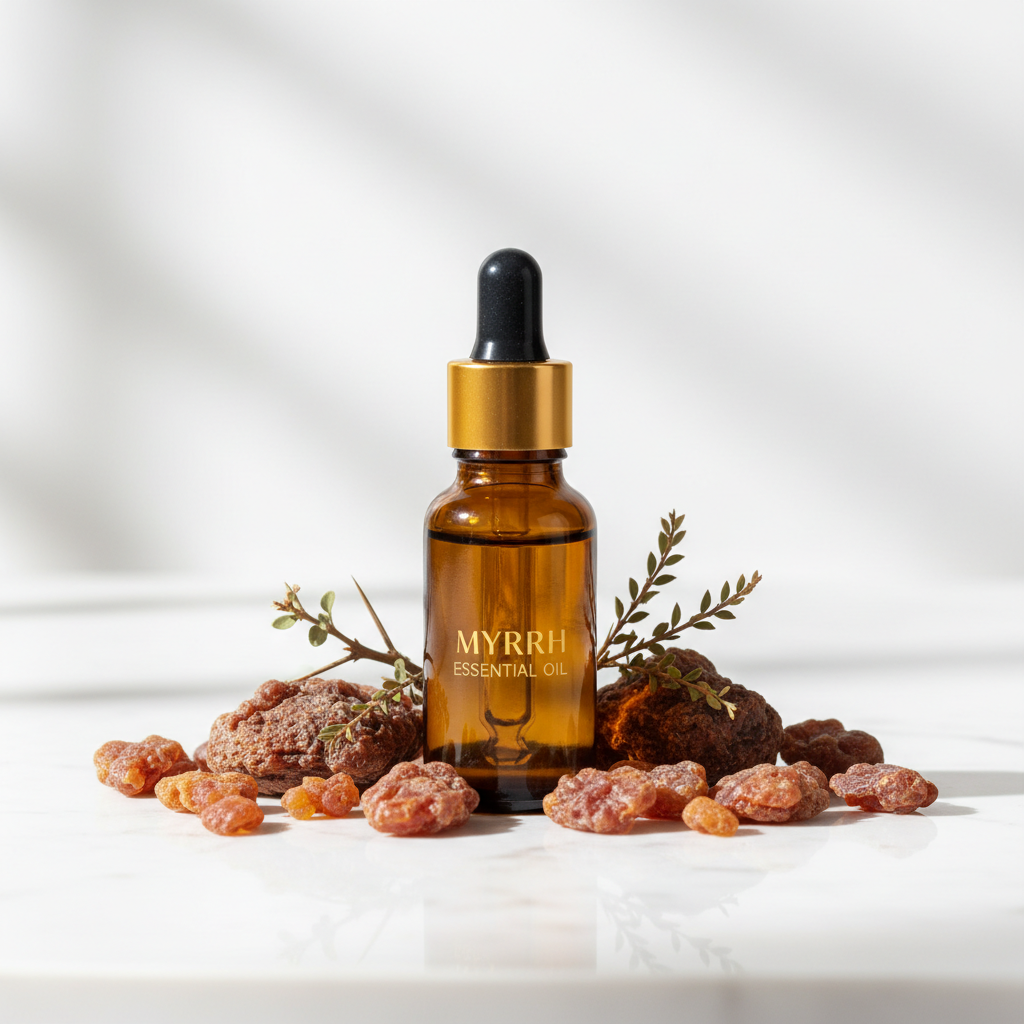
Benefits & Uses
- • Grounding: Myrrh is known to promote feelings of stability and calm, helping to center the mind.
- • Anxiolytic: its sedative properties can help alleviate anxiety, making it beneficial during times of stress.
- • Meditative: often used in spiritual practices, it can enhance meditation and mindfulness by fostering a deeper connection to self.
- • Emotional Healing: may assist in processing grief and emotional trauma, promoting emotional clearing and healing.
- • Balance: helps in stabilizing emotional fluctuations, fostering a sense of inner peace.
- • Skin Rejuvenation: helps in reducing the appearance of scars and wrinkles.
- • Immune System Support: strengthens the immune defense, aiding the body to fight against infections.
- • Respiratory Health: supports respiratory health, particularly during colds and respiratory infections.
- • Oral Health: may promote healthy gums and support oral hygiene due to its antimicrobial properties.
- • Anti-aging: its antioxidant properties contribute to reducing signs of aging.
- • Anti-aging serums: included in formulations designed to reduce wrinkles and improve skin tone.
- • Wound care: applied (diluted) to minor cuts and abrasions for its healing properties.
- • Moisturizers: used in creams and lotions for its ability to enhance skin hydration and elasticity.
- • Scar reduction: aids in diminishing the appearance of scars and blemishes when incorporated in skincare regimens.
- • Natural antiseptic: can be blended into cleaning solutions for its antimicrobial properties.
- • Air freshener: used in diffusers to purify the air and provide a grounding aroma.
- • Insect repellent: may be added to homemade insect repellents due to its ability to deter pests.
- • Deodorizer: effective in neutralizing unwanted odors in indoor environments.
How to Use
For small rooms (up to 100 sqft), use 3-5 drops of myrrh essential oil; for medium rooms (100-200 sqft), add 5-8 drops; and for large rooms (200+ sqft), use 8-12 drops. Diffuse for 30-60 minutes, 2-3 times daily. Ideal times are in the evening or during meditation practices.
For adults, dilute myrrh essential oil to 2-3% (10-15 drops per ounce of carrier oil). For children, use a dilution of 0.5-1%. For the elderly, a dilution of 1-2% is recommended. Suitable carrier oils include jojoba, sweet almond, and coconut oil. Apply to affected areas using gentle massage techniques, allowing time for absorption.
For direct inhalation, place 1-2 drops on a tissue or palm and inhale deeply. For steam inhalation, add 2-3 drops to a bowl of hot water and inhale the steam for 5-10 minutes. Personal inhalers can also be used for convenience.
Safety & Precautions
Perform a patch test before use to check for skin sensitivity. Myrrh may cause photosensitivity; avoid sun exposure for 12 hours after topical use. Not recommended during the first trimester of pregnancy. Store in a cool, dark place and keep out of reach of children. Shelf life is typically 2-3 years. Consult with a healthcare provider for potential interactions with medications.
- ⚠️ Pregnant individuals, especially in the first trimester.
- ⚠️ Individuals with known hypersensitivity to resinous oils.
- ⚠️ People taking anticoagulant or blood-thinning medications.
- ⚠️ Individuals with diabetes should use caution due to potential blood sugar effects.