Compare Essential Oils
Select up to 4 oils to compare side-by-side
Citronella Essential Oil
Cymbopogon nardus
cilantro essential oil
Coriandrum sativum
Brazilian Orange Essential Oil
Citrus sinensis
Benzoin Resinoid Essential Oil
Styrax benzoin
Ylang Ylang Essential Oil
Cananga odorata
Wormwood Essential Oil
Artemisia absinthium
Wild Orange Essential Oil
Citrus sinensis
Vetiver Essential Oil
Vetiveria zizanoides
Verbena Essential Oil
Aloysia citriodora
Vanilla Essential Oil
Vanilla planifolia
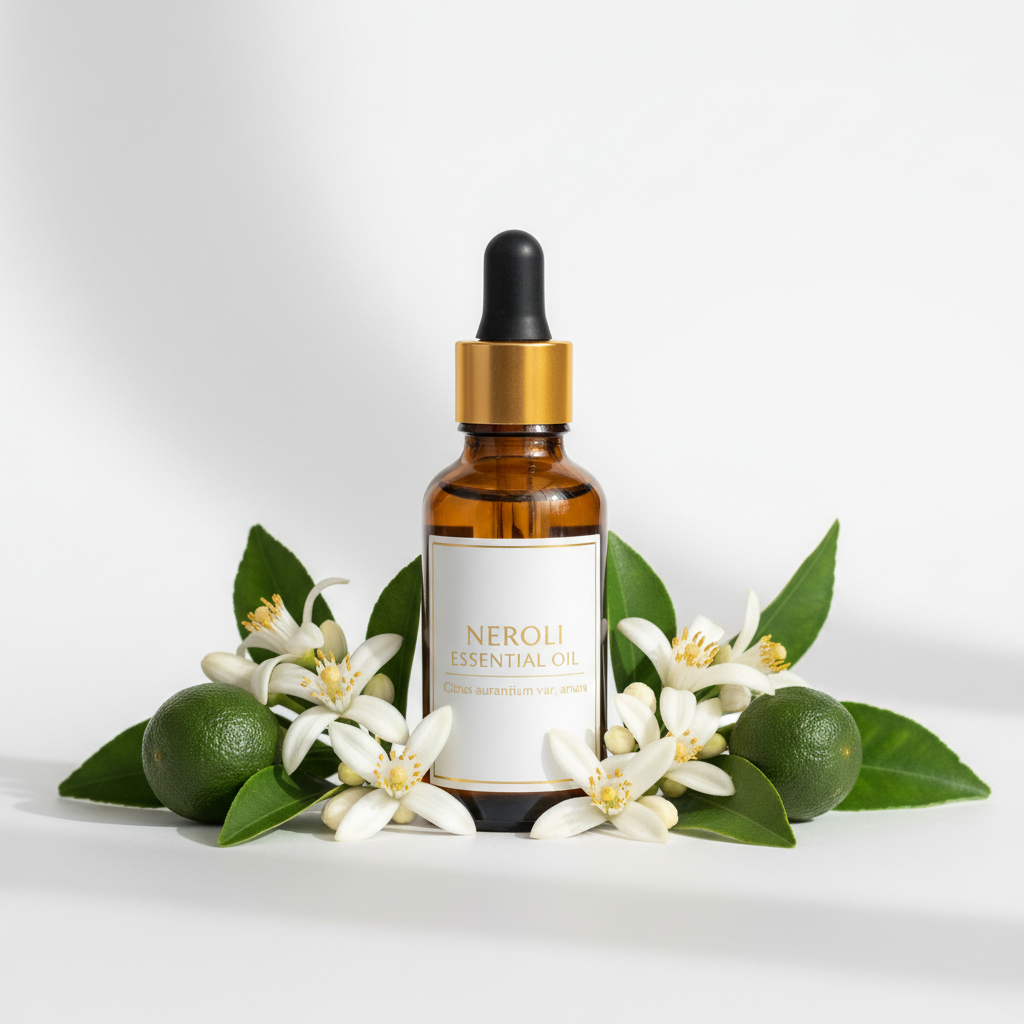
Benefits & Uses
- • Reduces anxiety by promoting emotional stability and emotional wellbeing.
- • Enhances mood, providing an uplifting effect that can combat stress and restlessness.
- • Encourages a sense of peace and tranquility, making it suitable for meditation practices.
- • Supports emotional resilience during times of change or upheaval.
- • Fosters a greater sense of joy and happiness, contributing to overall mental wellness.
- • May improve skin elasticity and texture, making it beneficial for aging skin.
- • Promotes wound healing and reduces the appearance of scars.
- • Aids in relaxation of the muscles, making it effective in massage oil blends.
- • Can help with respiratory issues by easing congestion and providing relief.
- • Supports a healthy digestive system when properly diluted and used.
- • Used in facial serums to improve skin tone and texture.
- • Incorporated into creams and lotions for its nourishing properties.
- • Acts as a natural perfume that hydrates while leaving a pleasant scent.
- • Helps alleviate signs of stretch marks by promoting skin elasticity.
- • Can be mixed into oils for aromatherapy massage to soothe sensitive skin.
- • Utilized in homemade cleaning products for its pleasant aroma and antimicrobial properties.
- • Can be blended into potpourri to freshen indoor spaces.
- • Used in diffusers to create an inviting and calming environment.
- • Added to laundry to impart a refreshing scent to clothes.
How to Use
For a small room, use 3-5 drops in the diffuser; for medium rooms, 5-8 drops; for large rooms, 8-12 drops. Optimal duration is 30-60 minutes per session, and it can be diffused 2-3 times daily. Best times to use are during relaxation periods or meditation sessions.
For adults, dilute Neroli essential oil to 2-3% (6-9 drops per ounce of carrier oil). For children, dilute to 0.5-1% (1-3 drops), and for the elderly, a 1-2% dilution (3-6 drops) is recommended. Apply to various areas such as pulse points or sore muscles. Use gentle massage techniques to aid absorption, allowing a few minutes for the oil to penetrate the skin.
For direct inhalation, place 1-2 drops on a tissue or inhaler and inhale deeply. For steam inhalation, add 2-3 drops to a bowl of hot water and inhale the steam for 5-10 minutes. Personal inhalers can be filled with a few drops of Neroli for on-the-go use.
Safety & Precautions
Perform a patch test prior to topical application to check for allergic reactions. Avoid sun exposure for at least 12 hours after topical use due to potential photosensitivity. Pregnant or nursing women should consult a healthcare provider before using. Ensure proper storage in a dark, cool place; shelf life is generally around 2 years. Always check for medication interactions if you are on ongoing treatments.
- ⚠️ Pregnant individuals, particularly during the first trimester.
- ⚠️ Individuals with known citrus allergies.
- ⚠️ People taking medications that might interact with essential oils.