Compare Essential Oils
Select up to 4 oils to compare side-by-side
Citronella Essential Oil
Cymbopogon nardus
cilantro essential oil
Coriandrum sativum
Brazilian Orange Essential Oil
Citrus sinensis
Benzoin Resinoid Essential Oil
Styrax benzoin
Ylang Ylang Essential Oil
Cananga odorata
Wormwood Essential Oil
Artemisia absinthium
Wild Orange Essential Oil
Citrus sinensis
Vetiver Essential Oil
Vetiveria zizanoides
Verbena Essential Oil
Aloysia citriodora
Vanilla Essential Oil
Vanilla planifolia
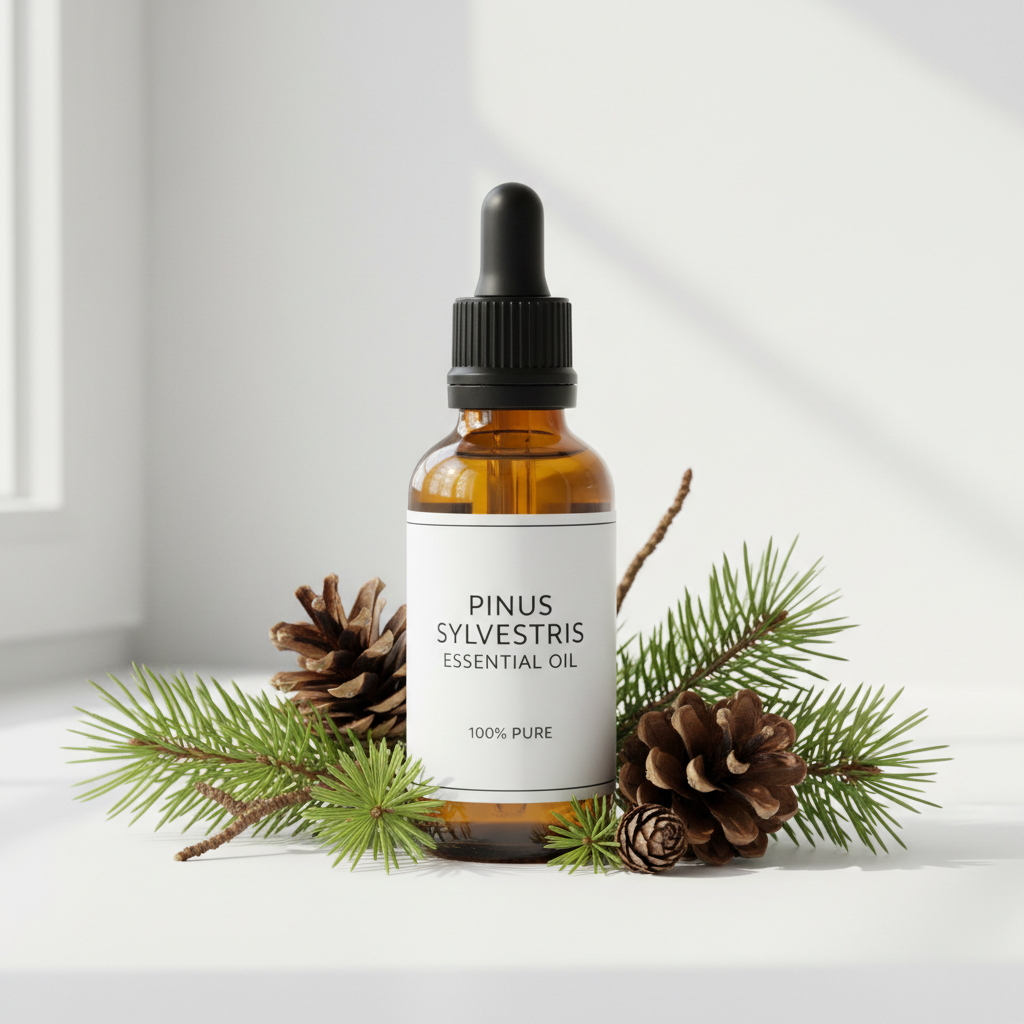
Benefits & Uses
- • Promotes mental clarity and focus, helping to enhance concentration during work or study.
- • Encourages a sense of grounding and stability, particularly helpful during times of emotional upheaval.
- • Creates an uplifting atmosphere, promoting feelings of positivity and motivation.
- • Helps alleviate feelings of fatigue and burnout by invigorating the mind and spirit.
- • Supports emotional resilience and can improve overall mood.
- • Supports respiratory function, making it easier to breathe during colds or allergies.
- • May aid in muscle recovery post-exercise by reducing soreness and stiffness.
- • Helps freshen indoor air and improve overall mood in a space, contributing to a better living environment.
- • Can enhance circulation, potentially improving energy levels and reducing feelings of lethargy.
- • Acts as a natural decongestant, helping to ease sinus pressure.
- • Can be added to natural shampoos for its cleansing properties and to promote a healthy scalp.
- • Effective in homemade deodorants due to its fresh, woody aroma and antibacterial properties.
- • May be used in facial steam treatments to clear pores and refresh the skin.
- • Can be included in DIY soaps for its invigorating scent and cleansing effects.
- • Acts as a natural disinfectant for household cleaning products.
- • Can be added to potpourri for a refreshing scent that evokes the outdoors.
- • Useful in homemade air fresheners for its pleasant aroma and air-purifying properties.
- • Can be incorporated into laundry detergents to impart a fresh, clean scent.
How to Use
For a small room, add 3-5 drops; for a medium room, use 5-8 drops; and for a large area, utilize 8-12 drops. Diffuse for 30-60 minutes at a time, up to 2-3 times daily, best during morning hours or when concentration is needed.
For adults, dilute Pine essential oil to 2-3% using a carrier oil. For children, dilute to 0.5-1%. Elderly individuals should use a 1-2% dilution. Recommended carrier oils include coconut oil, jojoba oil, or sweet almond oil. Apply to areas such as the chest, neck, or back, using gentle massage for optimal absorption time calculated at around 15-30 minutes.
For direct inhalation, place 1-2 drops on a tissue or inhale from cupped hands over the nose. For steam inhalation, add 2-3 drops to a bowl of hot water and inhale the steam for 5-10 minutes. Personal inhalers can be prepared for on-the-go use by adding 5-10 drops of essential oil to the inhaler base.
Safety & Precautions
Perform a patch test before topical application to identify potential allergic reactions. Use caution with individuals who are pregnant or nursing, and consult healthcare providers if on medication. Store in a cool, dark place, away from children. Pine essential oil should generally be used with care around sensitive skin and avoid sun exposure after topical use.
- ⚠️ Pregnant or nursing women without consulting a healthcare provider.
- ⚠️ Individuals with asthma or severe respiratory issues should consult a doctor before use.
- ⚠️ Those with sensitive skin or allergies may want to avoid inhalation or topical use.