Compare Essential Oils
Select up to 4 oils to compare side-by-side
Citronella Essential Oil
Cymbopogon nardus
cilantro essential oil
Coriandrum sativum
Brazilian Orange Essential Oil
Citrus sinensis
Benzoin Resinoid Essential Oil
Styrax benzoin
Ylang Ylang Essential Oil
Cananga odorata
Wormwood Essential Oil
Artemisia absinthium
Wild Orange Essential Oil
Citrus sinensis
Vetiver Essential Oil
Vetiveria zizanoides
Verbena Essential Oil
Aloysia citriodora
Vanilla Essential Oil
Vanilla planifolia
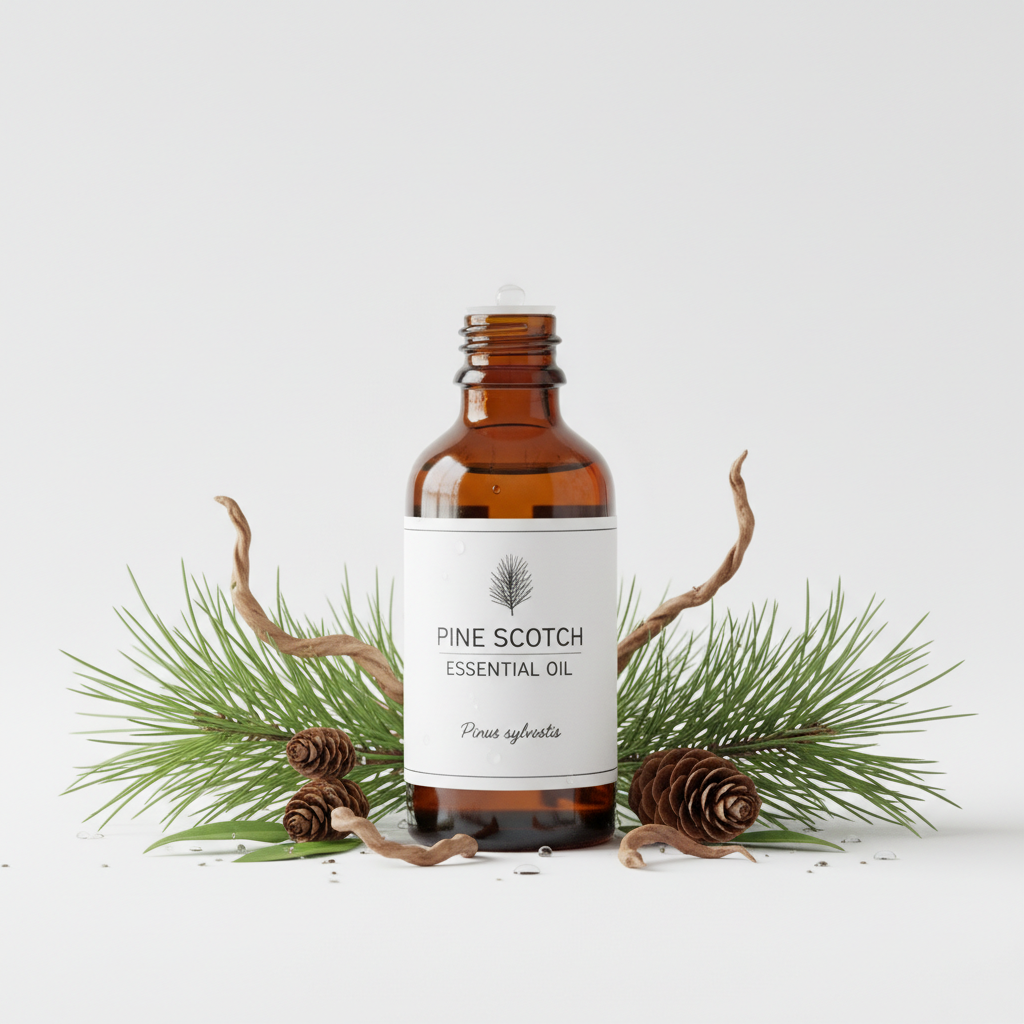
Benefits & Uses
- • Enhances mental clarity and focus, making it ideal for study or work environments.
- • Reduces feelings of anxiety and stress, promoting a sense of calm and grounding.
- • Supports emotional stability during challenging times, fostering resilience and positivity.
- • Encourages feelings of warmth and comfort through its woodsy aroma, enhancing mood and overall wellbeing.
- • Invokes a sense of connection to nature, promoting tranquility and relaxation.
- • Supports respiratory function, making it beneficial for colds and seasonal allergies.
- • Improves circulation, which can enhance energy levels and overall vitality.
- • Aids in muscle recovery post-exercise due to its anti-inflammatory properties.
- • May help reduce symptoms of fatigue, especially when inhaled or diffused.
- • Promotes skin cleansing and can support the healing of minor cuts and abrasions.
- • Can be added to cleansers for its antibacterial properties, promoting clearer skin.
- • Acts as a natural deodorizer in skincare, helping to neutralize odors.
- • Useful in anti-aging products due to its astringent properties, firming the skin.
- • Can be blended into massage oils to soothe sore muscles post-workout.
- • Effective in oil diffusers to purify air and create a refreshing ambiance.
- • Can be added to cleaning products for its natural disinfectant properties.
- • Serves as an insect repellent when added to sprays or candles.
- • Utilized in steamers or humidifiers to freshen and cleanse indoor air.
How to Use
For small rooms, use 3-5 drops, for medium rooms 5-8 drops, and for large spaces 8-12 drops of Pine Scotch Essential Oil. Diffuse for sessions of 30-60 minutes, 2-3 times daily, ideally during periods of fatigue or mental fog.
For adults, dilute Pine Scotch to 2-3% (12-18 drops per 30ml carrier oil). For children, recommended dilution is 0.5-1% (2-6 drops per 30ml). The elderly should use a dilution of 1-2% (6-12 drops per 30ml). Apply to sore areas using circular massage motions, allowing absorption for 30-60 minutes.
For direct inhalation, place 1-2 drops on a tissue and breathe in. For steam inhalation, add 2-3 drops into a bowl of hot water and inhale the steam for 5-10 minutes. Personal inhalers can be used by adding 10-15 drops in a personal inhaler bottle.
Safety & Precautions
Always perform a patch test before topical use. Avoid sun exposure for 12 hours after topical application due to potential photosensitivity. Consult a healthcare provider if pregnant, nursing, or on medications. Store in a cool, dark place for up to 2-3 years to retain potency.
- ⚠️ Pregnant or nursing women without professional guidance
- ⚠️ Children under 2 years of age unless under guidance of a health professional
- ⚠️ Individuals with serious respiratory conditions should consult a provider before use
- ⚠️ Those with known allergies to pine trees.