Search
Found 31 results for "muscle relaxation"
Essential Oils
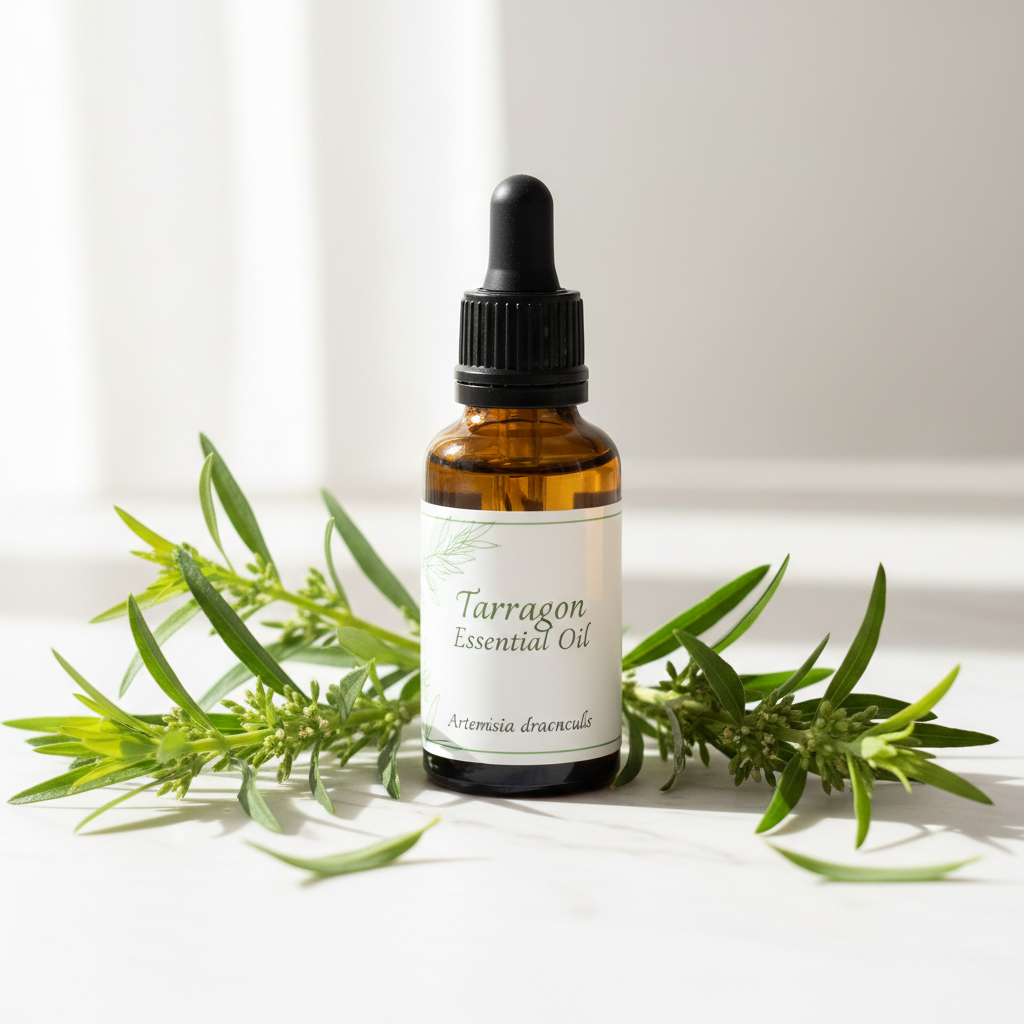
Tarragon Essential Oil
Artemisia dracunculus
### Tarragon Essential Oil: Comprehensive Guide #### Origin and Extraction Method Tarragon essential oil is derived from the leaves of the plant ***Artemisia dracunculus***, commonly known as tarragon. This aromatic herb is native to Eurasia but is now cultivated worldwide. The essential oil is extracted using **steam distillation**, a method that captures the plant's volatile compounds without compromising their natural qualities. During this process, steam passes through the plant material, vaporizing the essential oil, which is then condensed back into liquid form. This extraction method is favored for its ability to retain the aromatic and therapeutic properties of tarragon. #### Botanical Information Tarragon belongs to the **Asteraceae family** and is characterized by its long, slender leaves and distinctive flavor reminiscent of anise. The plant can grow up to 1 meter tall and typically flourishes in temperate climates. It is often used both in culinary applications and in traditional medicine, embodying a dual purpose that enhances its usefulness. #### Therapeutic Properties and Benefits Tarragon essential oil is reputed for its diverse therapeutic properties. Here are some of the key benefits: - **Digestive Aid**: It is known to stimulate appetite and improve digestion by easing gastrointestinal discomfort. - **Calming Effects**: Its soothing aroma makes it an excellent choice for promoting relaxation and reducing stress levels. - **Mood Enhancer**: The oil can positively influence mood, helping to alleviate feelings of anxiety and emotional imbalance. - **Cognitive Support**: Tarragon is believed to enhance mental clarity and cognitive functions, sharpening focus and concentration. - **Nervine Properties**: As a natural nervine, it helps support the nervous system, providing comfort during challenging times. - **Pain Relief**: Topical application may deliver relief from minor aches and pains due to its anti-inflammatory properties. - **Respiratory Support**: Inhalation of the oil can help ease respiratory discomfort, making it a helpful companion during allergy season. - **Muscle Relaxation**: Used in massage blends, tarragon oil may aid in relaxing tense muscles. - **Skin Health**: It possesses antiseptic qualities that can assist with minor skin irritations and blemishes when diluted in a carrier oil. #### Historical and Traditional Uses Historically, tarragon has been used for centuries in culinary practices, particularly within French cuisine, where it is prized for its culinary value. Traditional healers have utilized tarragon to treat various ailments, from digestive issues to stress relief. It's also steeped in folk medicine, where tarragon tea was consumed for its calming effects. #### Scientific Facts and Research Recent studies support some traditional claims surrounding tarragon's benefits. Research indicates that the oil contains compounds like ***estragole*** and ***methyleugenol*** which contribute to its therapeutic effects. These compounds exhibit significant antimicrobial and anti-inflammatory properties, supporting its use in holistic health practices. However, caution is advised as high doses of certain constituents can have adverse effects, thus moderation is key. #### Aroma Profile and Characteristics Tarragon essential oil boasts a warm, herbaceous aroma with a hint of sweetness and anise. Its distinctive scent makes it a delightful addition to aromatherapy blends, enhancing mood and promoting relaxation. When diffused, it creates a serene atmosphere well-suited for unwinding after a long day. #### Common Applications and Methods - **Aromatherapy**: Diffuse in your space to promote emotional well-being. - **Massage Oils**: Combine with a carrier oil for a soothing massage to relieve muscle tension. - **Skincare**: Dilute with a carrier oil for topical application on affected areas to support skin health. - **Culinary Uses**: While primarily available as an essential oil, tarragon can also be used to flavor dishes, though it should be used sparingly due to its potent flavor. #### Interesting Facts and Trivia - Tarragon is often referred to as the “king of herbs” in French cooking due to its flavor profile. - It has been suggested that tarragon can help improve sleep quality, making it a versatile herb for wellness enthusiasts. - The plant’s popularity grew in the 15th and 16th centuries, leading to its cultivation across Europe and into the United States. In conclusion, tarragon essential oil exemplifies the intersection of culinary arts and holistic wellness. Its broad spectrum of benefits, rich aroma, and historical significance make it a valuable addition to any essential oil collection.
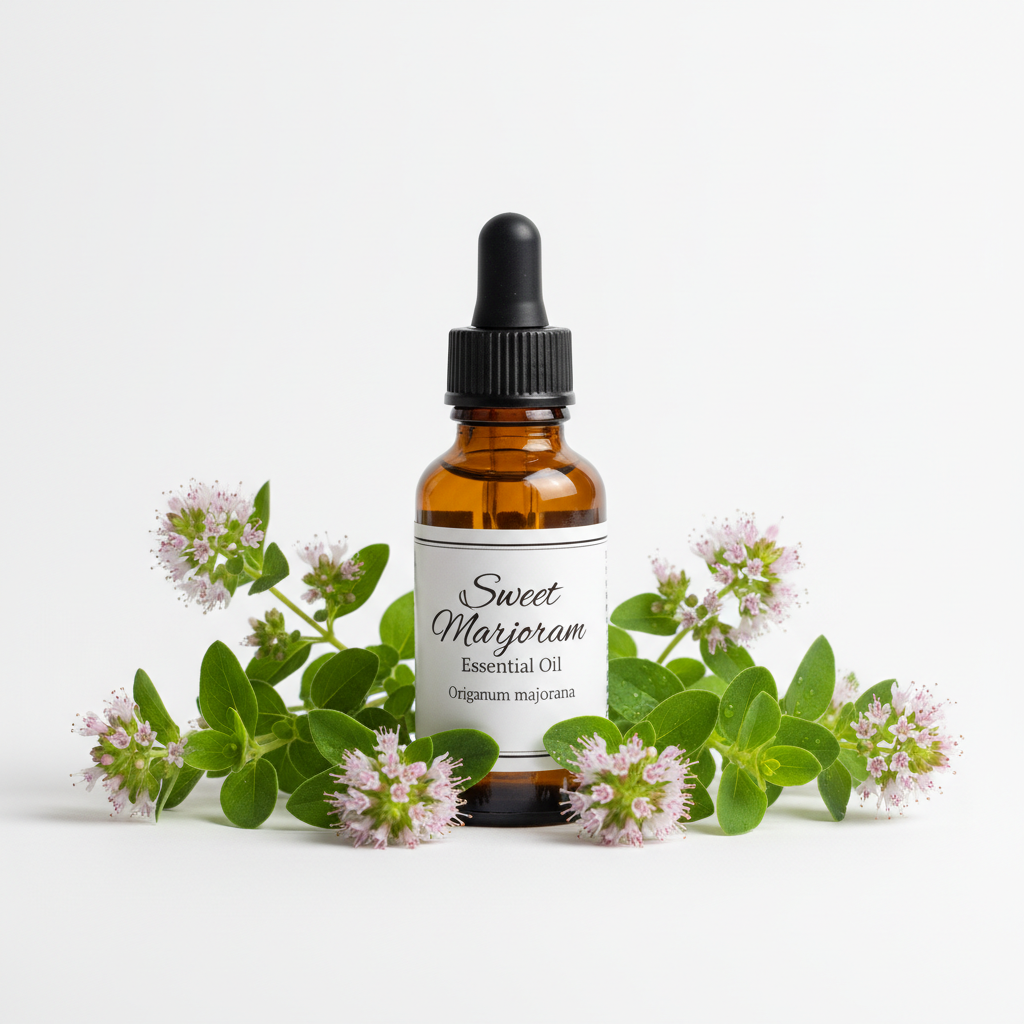
Sweet Marjoram Essential Oil
Origanum majorana
Sweet Marjoram Essential Oil, scientifically known as *Origanum majorana*, is a cherished oil extracted from the leaves and flowering tops of the sweet marjoram plant. This herb, native to the Mediterranean region, has a long history of use in cooking and traditional medicine. The extraction method employed for this essential oil is steam distillation, a process that effectively captures the oil's delicate aroma and potent therapeutic properties. ### Origin and Extraction Method Sweet Marjoram has been cultivated for centuries, with evidence of its use dating back to the ancient Greeks and Romans who valued it as a symbol of happiness and protection. The essential oil is produced via steam distillation of the plant’s leaves and flowering tops, which preserves its volatile compounds and rich, sweet scent. This extraction method leaves the oil with both aroma and therapeutic benefits intact, making it ideal for various applications. ### Botanical Information *Origanum majorana*, belonging to the Lamiaceae family, is a perennial herb characterized by its rich green leaves and small white or pink flowers. The plant typically grows to about 60 cm in height and flourishes in warm, sunny climates. The oil extracted from the leaves is light yellow to amber in color, with a distinctive sweet, herbaceous fragrance. ### Therapeutic Properties and Benefits Sweet Marjoram Essential Oil is celebrated for its wide array of therapeutic benefits: - **Relaxation and Calmness**: Known for promoting tranquility, this oil is often used in aromatherapy to reduce stress and support mental clarity and relaxation. - **Anti-inflammatory Effects**: It possesses anti-inflammatory properties that are beneficial in soothing sore muscles and easing discomfort, making it a popular addition to massage blends. - **Digestive Health**: This oil aids digestion, helping to alleviate bloating and discomfort after meals. - **Respiratory Relief**: Its soothing attributes can help ease respiratory issues, promoting clear airways and relieving congestion. - **Emotional Balance**: Sweet Marjoram encourages emotional stability, reducing mood swings and providing comfort during periods of grief or emotional stress. ### Historical and Traditional Uses Historically, Sweet Marjoram has been used in various cultures for both culinary and medicinal purposes. Ancient Greeks believed it signified love and joy and used it in wedding ceremonies. In traditional medicine, it has been utilized to treat ailments such as colds, coughs, and digestive issues. Its soothing properties have also made it a staple in the herbal remedies of many cultures. ### Scientific Facts and Research Recent studies have highlighted the antimicrobial and antioxidant properties of Sweet Marjoram Essential Oil. Research indicates that its compounds may help inhibit the growth of harmful bacteria and support overall health by combating oxidative stress in the body. These findings have sparked interest in its use as a natural remedy in various health and wellness contexts. ### Aroma Profile and Characteristics The aroma of Sweet Marjoram Essential Oil is soft, sweet, and slightly spicy, with herbaceous notes that are calming and soothing. This fragrance profile makes it an excellent choice for diffusion in homes or during yoga and meditation sessions, fostering an environment that promotes peace and relaxation. ### Common Applications and Methods Sweet Marjoram Essential Oil can be employed in numerous ways: - **Diffusion**: Add a few drops to a diffuser to promote a calming environment. - **Massage**: Blend with a carrier oil and apply to sore areas to relieve tension and soreness. - **Bath**: Add a few drops to a warm bath for a soothing, relaxing experience. - **Inhalation**: Use during stressful moments by inhaling directly from the bottle or via a steam inhalation method. ### Interesting Facts and Trivia Did you know that sweet marjoram is often confused with oregano? While they share similar scent profiles, sweet marjoram is milder and has a sweeter fragrance. Another interesting fact is that marjoram was traditionally used as an aphrodisiac and in love potions in ancient times! In conclusion, Sweet Marjoram Essential Oil is not only a versatile addition to your essential oil collection but also a powerful ally in promoting physical health and emotional well-being. Its rich history, combined with its numerous benefits, makes it a staple in aromatherapy and natural health practices.
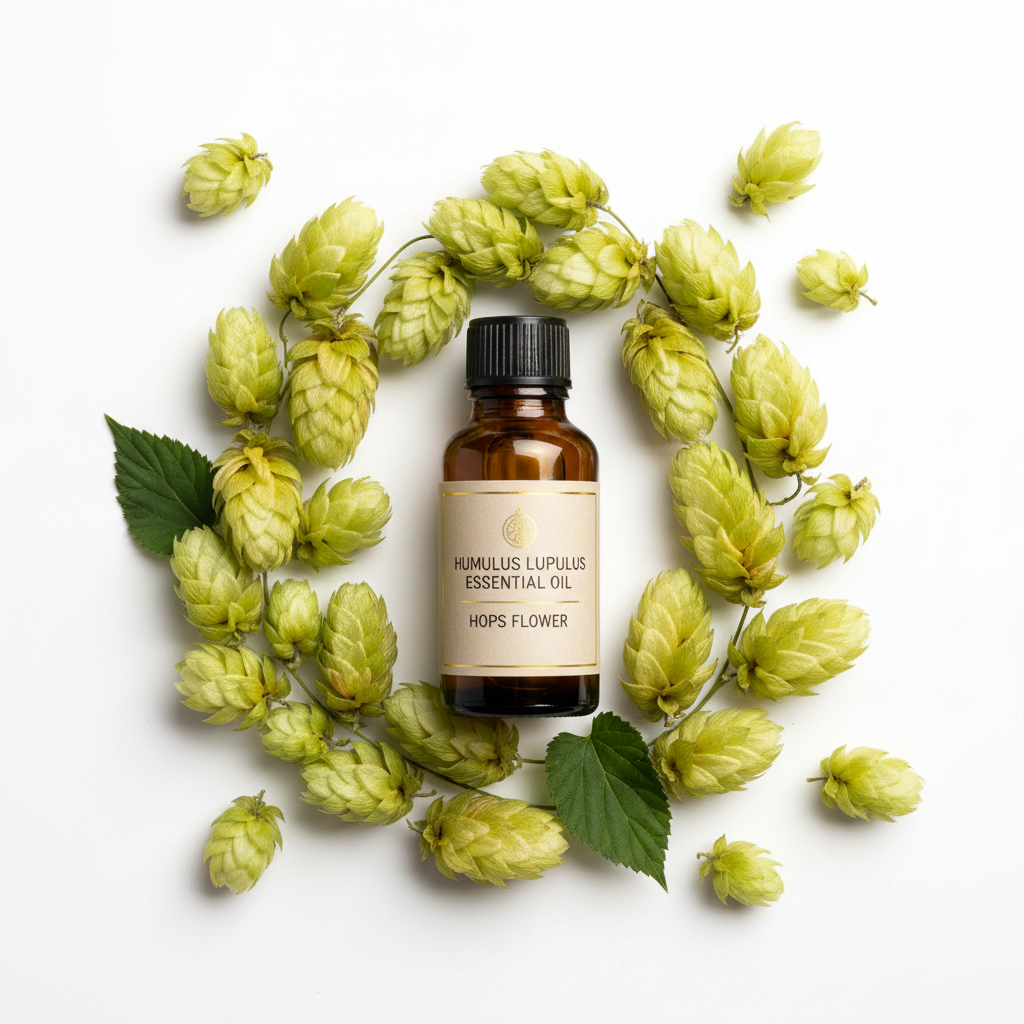
Hops Flower Essential Oil
Humulus lupulus
### Hops Flower Essential Oil: Origins, Extraction, and Uses **Introduction** Hops Flower Essential Oil, derived from the flowers of the Humulus lupulus plant, is well-known primarily for its role in brewing beer. However, its therapeutic potential extends far beyond the brewery. This oil is harnessed for its calming, soothing properties and is a cherished item in the realm of aromatherapy. **Origin and Extraction Method** The Humulus lupulus plant, commonly known as hops, is native to Europe, Asia, and North America. The aromatic essential oil is obtained through steam distillation of the flowering part, or strobiles, of the plant. This method effectively captures the volatile compounds responsible for the oil’s unique aroma and therapeutic properties. **Botanical Information** Hops are climbing plants that belong to the Cannabaceae family. These vigorous perennials can grow up to 25 feet tall in ideal conditions. The essential oil is produced mainly during the blooming season, which occurs in late summer. Distillation of the flowers yields a yellowish-green oil with a characteristic earthy, slightly sweet scent. **Therapeutic Properties and Benefits** Hops Flower Essential Oil is renowned for its numerous therapeutic benefits. Its calming and soothing properties make it a powerful ally in promoting relaxation and sleep. Here are some key therapeutic benefits: - **Promotes Relaxation**: The oil creates a serene atmosphere that can ease mental tension and anxiety. - **Supports Sleep**: Hops oil has long been used as a natural sleep aid, helping to enhance the quality and duration of sleep. - **Reduces Anxiety**: Its anxiolytic properties help in reducing feelings of stress and irritability, contributing to an uplifted mood. - **Eases Muscle Tension**: The oil's anti-inflammatory qualities help in relieving muscle tightness and discomfort. - **Soothes Digestive Issues**: Hops oil may alleviate symptoms like bloating or digestive spasms. - **Enhances Respiratory Function**: Inhaling the oil can aid in clearing respiratory pathways, providing relief from congestion. **Historical and Traditional Uses** Historically, hops have been utilized for centuries not just in beer brewing but also in herbal medicine. Traditional use of hops includes incorporating them into pillows and sachets to promote restful sleep, along with herbal teas to calm anxiety. **Scientific Facts and Research** Research has demonstrated the efficacy of Hops Flower Essential Oil in promoting relaxation and improving sleep quality. Studies note that hops contain various compounds, such as aroma-active constituents, which interact with our brain's neurotransmitters to exert calming effects. Further research highlights its potential in treating insomnia and reducing stress-related symptoms. **Aroma Profile and Characteristics** The aroma of Hops Flower Essential Oil is distinct and complex. Many describe its scent as earthy, floral, and somewhat herbal, evoking feelings of tranquility and peace. This inviting fragrance makes it an excellent choice for diffusers, massage oils, and bath products. **Common Applications and Methods** - **Aromatherapy**: Diffuse Hops oil in your living space to create a calming environment. - **Topical Application**: Dilute with a carrier oil and apply to the skin to relieve tension and enhance relaxation. - **Bath**: Add a few drops to your bathwater for a soothing, aromatic escape. - **Sleep Aid**: Place a few drops on your pillow or use in a sleep spray to aid sleep. **Interesting Facts and Trivia** - Hops are not only used in beer but also in some sodas and other beverages for their aromatic qualities. - Some cultures use hops in sleep pillows, a tradition that dates back many centuries, believing it promotes serene sleep patterns. **Conclusion** Whether you are looking to improve your sleep, ease anxiety, or simply enjoy a beautiful fragrance in your home, Hops Flower Essential Oil offers a rich history and valuable therapeutic properties. With its distinct aroma and various applications, it is a versatile addition to any essential oil collection.
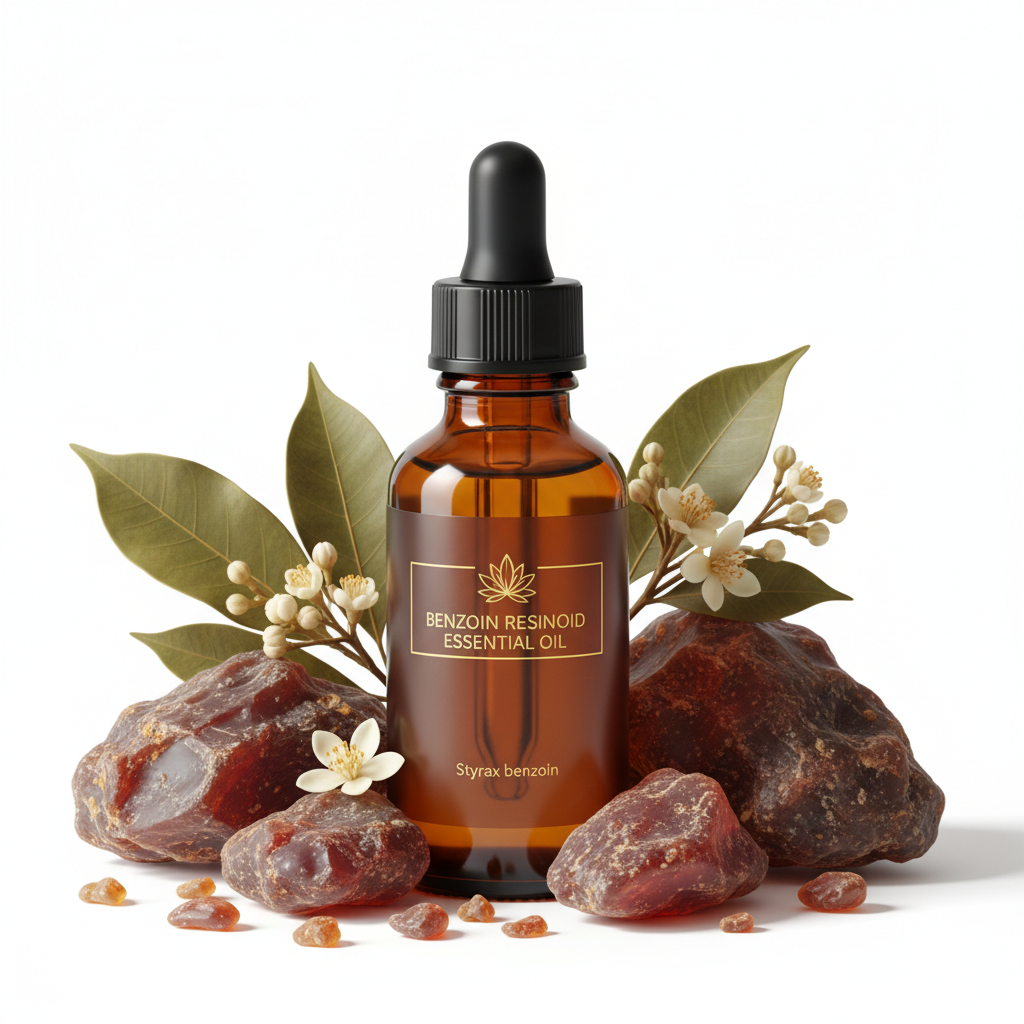
Benzoin Resinoid Essential Oil
Styrax benzoin
## Benzoin Resinoid Essential Oil: Uses and Benefits Explained Benzoin Resinoid Essential Oil is a captivating and versatile essential oil derived from the resin of the Styrax benzoin tree, predominantly found in Southeast Asia, particularly in regions like Indonesia and Thailand. This remarkable oil has gained popularity in aromatherapy, perfumery, and holistic health due to its warm, sweet aroma and myriad therapeutic properties. ### Origin and Extraction Method Benzoin oil is extracted using a process known as solvent extraction, which carefully preserves the delicate compounds found within the resin. This method results in a viscous, sweet aromatic oil that retains the essence of its botanical origins. The extraction process ensures a high-quality product, rich in aromatic and therapeutic ingredients, making it a favorable choice for essential oil enthusiasts. ### Botanical Information The Styrax benzoin tree is a deciduous tree that can grow up to 25 meters in height. Its bark is punctured to allow the resin to ooze out, which is collected, dried, and then processed to make the essential oil. The tree's natural habitat in tropical regions contributes to its unique chemical composition and aromatic profile, which are characteristic of high-quality Benzoin Resinoid Essential Oil. ### Therapeutic Properties and Benefits 1. **Stress Relief:** Benzoin essential oil is renowned for its calming properties, helping to reduce tension and promote a sense of safety and comfort. The warm aroma can soothe nerves, making it a perfect companion during stressful periods. 2. **Anxiety Reduction:** The grounding effects of Benzoin oil help calm anxious thoughts, facilitating emotional balance and stability. It is often used in meditation and yoga practices, enhancing tranquility. 3. **Mood Enhancement:** This oil is recognized for its mood-lifting qualities, promoting positivity and supporting emotional well-being. Its sweet scent can create a soothing atmosphere, ideal for uplifting spirits. 4. **Grounding Effect:** The oil is known for its ability to anchor the mind and body, enhancing feelings of stability and connection to the present moment, making it effective during mindfulness sessions. 5. **Meditative Support:** Benzoin is favored in meditation, as it enhances focus and mental clarity, helping practitioners to deeper states of relaxation and awareness. 6. **Respiratory Aid:** The oil can aid breathing by clearing airways, making it useful during colds or in helping to relieve congestion. 7. **Skin Nourishment:** Benzoin essential oil is beneficial for the skin, often incorporated into skincare routines to improve complexion and texture. Its properties can help soothe irritation and promote healing. 8. **Antiseptic Properties:** With natural antiseptic qualities, Benzoin can be effective in treating minor cuts, scrapes, and wounds, promoting faster recovery. 9. **Tissue Regeneration:** Benzoin supports the body’s healing processes, aiding in the regeneration of skin tissue and cellular repair. 10. **Muscle Relaxation:** When diluted and applied topically, Benzoin oil can assist in relieving minor muscle tension, making it popular in massage blends. ### Aroma Profile and Characteristics Benzoin Resinoid Essential Oil possesses a rich, creamy, and sweet aroma with a hint of vanilla. Its warm scent is often described as comforting and inviting, making it a favorite in perfumery and wellness practices. The aroma helps create a serene atmosphere conducive to relaxation and inner peace. ### Common Applications and Methods - **Aromatherapy:** Use in diffusers to promote relaxation and enhance mood. - **Massage Therapy:** Blend with carrier oils for soothing massages. - **Skin Care:** Add a few drops to skincare creams or lotions for nourishment. - **Inhalation:** Use in steam inhalation for respiratory support. - **Incense:** Incorporated in incense for spiritual and meditative practices. ### Interesting Facts and Trivia - Benzoin resin has a long history in traditional medicine and was used in ancient Egypt for embalming and in perfumes. - It is often used in cosmetic formulations for its lovely fragrance and skin-enhancing properties. - Indigenous cultures have utilized Benzoin in rituals and spiritual practices, celebrating its protective qualities. In conclusion, Benzoin Resinoid Essential Oil is not just a fragrant oil but a multi-faceted essential oil with numerous benefits for overall well-being. Whether used for relaxation, skincare, or spiritual practices, Benzoin remains a cherished aromatic substance in many cultures.
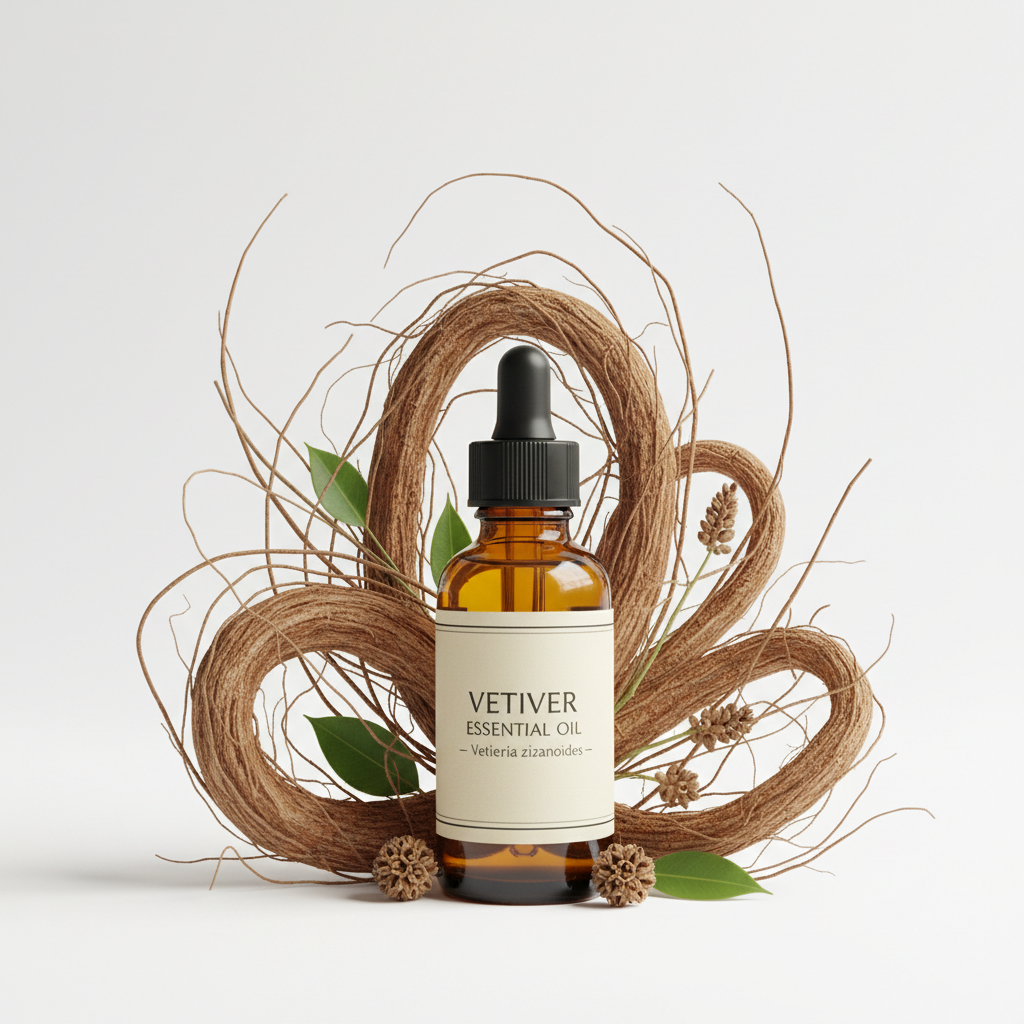
Vetiver Essential Oil
Vetiveria zizanoides
### Vetiver Essential Oil: An In-Depth Exploration Vetiver essential oil, known as the ‘oil of tranquility’, is derived from the roots of the **Chrysopogon zizanioides** or **Vetiveria zizanoides** plant. This unique oil has a long-standing reputation, not only for its captivating aroma but also for its extensive array of therapeutic properties. #### Origin and Extraction Method Vetiver essential oil originates from tropical regions of Asia, particularly India, Madagascar, and Java. The oil is extracted through a meticulous steam distillation process that ensures the preservation of its potent qualities. The roots of the vetiver plant are harvested and steam-distilled, a method that yields a thick, viscous oil characterized by its deep brown color and earthy scent. #### Botanical Information The vetiver plant, classified botanically as a perennial grass, has long, intricate root systems that contribute to soil erosion control, making it ecological beneficial as well. Its lush growth can reach heights of up to 1.5 meters, with slender stems and slender, needle-like leaves. This grass thrives in tropical climates and is celebrated for both its aromatic properties and environmental benefits. #### Therapeutic Properties and Benefits Vetiver essential oil is widely revered for its numerous therapeutic benefits. A brief overview of these advantages includes: - **Grounding effects**: Vetiver oil is often used in aromatherapy to anchor emotions and create a sense of stability, especially during stressful times. - **Stress relief**: Its rich, calming scent helps alleviate feelings of tension and anxiety, making it a popular choice for relaxation and emotional balance. - **Increased focus**: Many users report enhanced concentration and mental clarity when diffusing vetiver oil during tasks or studying. - **Meditative support**: The grounding nature of vetiver promotes a peaceful ambiance, aiding in meditation and mindfulness practices. - **Skin rejuvenation**: Vetiver essential oil possesses regenerative properties, making it beneficial for restoring skin vitality, particularly for dry or mature skin types. - **Wound healing**: With natural antifungal and antiseptic properties, vetiver oil encourages faster healing of minor cuts and scrapes. - **Muscle relaxation**: Often incorporated into massage oils, vetiver can soothe muscle tension and alleviate aches. - **Detoxifying properties**: This essential oil may support the body in its natural detoxification processes, contributing to overall wellness. - **Oral health benefits**: When used in small amounts, vetiver oil can help maintain oral hygiene, promoting fresh breath. #### Historical and Traditional Uses For centuries, vetiver essential oil has been utilized in both traditional Ayurvedic practices and in perfumery. In India, it has played a crucial role in ritualistic practices, often used to calm the mind and spirit. It’s also historically significant in the making of perfumes, where its rich and bold scent forms a base note in many fragrances. #### Scientific Facts and Research Research has shown that vetiver essential oil contains compounds such as **vetiverol**, **vetivenes**, and **aqua polymer**, which contribute to its therapeutic properties. Studies suggest that these constituents exhibit anti-anxiety effects, making vetiver valuable not only in holistic practices but also in modern aromatherapy. #### Aroma Profile and Characteristics The aroma of vetiver essential oil is deeply earthy, woody, and slightly sweet. Many users describe the scent as comforting and grounding, providing an immediate sense of calm when diffused or applied topically. It blends well with other essential oils, such as lavender, bergamot, and sandalwood, enhancing its uses in various aromatic applications. #### Common Applications and Methods Vetiver essential oil can be integrated into daily routines in several ways: - **Aromatherapy**: Diffuse in a room to create a tranquil atmosphere. - **Topical Application**: Dilute with a carrier oil for facial treatments or massage oil. - **Baths**: Add a few drops to a warm bath for relaxation. - **Skincare**: Use in homemade lotions for skin rejuvenation. #### Interesting Facts and Trivia - Vetiver is often referred to as the "scent of the earth" due to its strong aroma and grounding effects. - The traditional use of vetiver for making mats and hats helps in natural cooling, especially in hot climates. - Vetiver’s roots have been used in traditional medicine to combat ailments like insomnia and skin disorders. In summary, Vetiver essential oil is an exceptional oil with a wealth of benefits supported by historical and scientific research. From enhancing emotional wellness to providing skin healing properties, it offers a versatile addition to any essential oil collection.
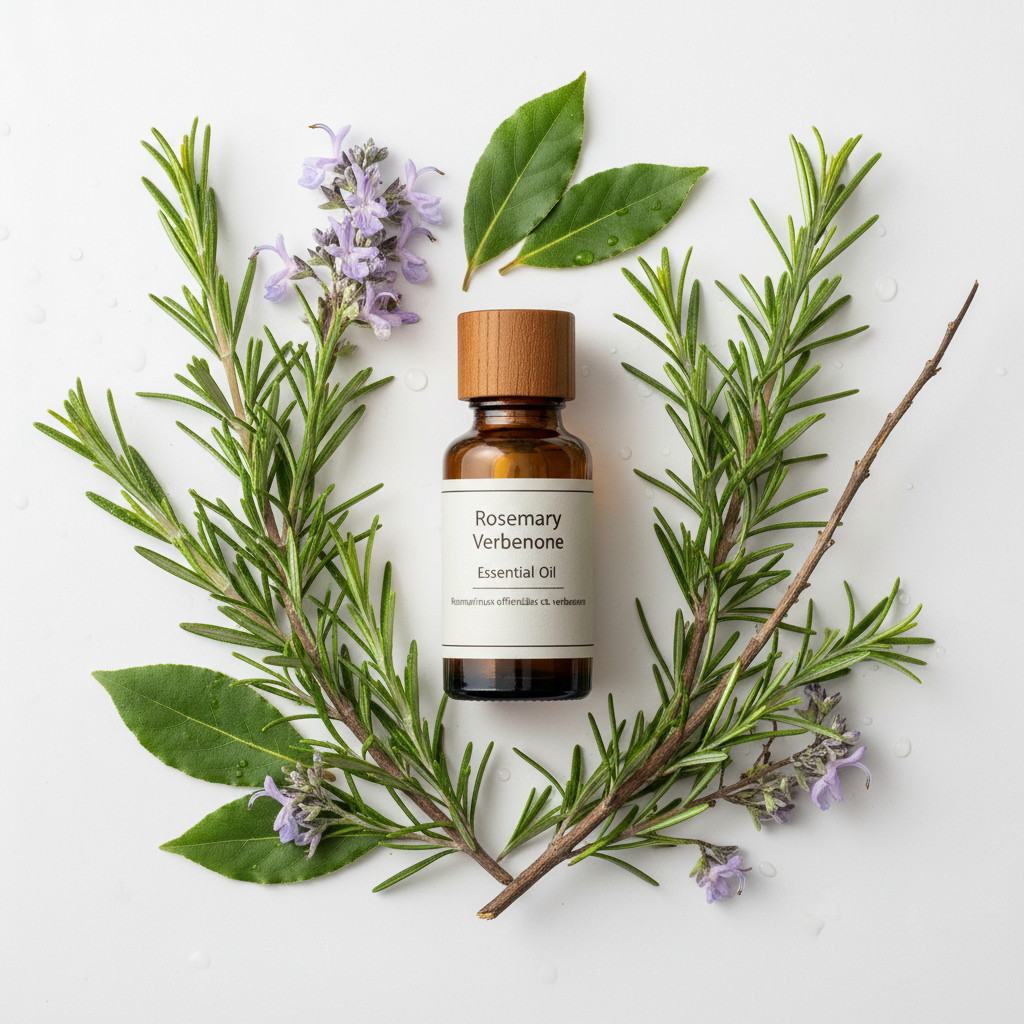
Rosemary Verbenone Essential Oil
Rosmarinus officinalis ct. verbenone
### Rosemary Verbenone Essential Oil: Benefits and Uses Rosemary Verbenone essential oil, derived from the leaves and flowers of the *Rosmarinus officinalis* plant, offers a rich history and numerous therapeutic benefits. Known for its distinct chemical composition and aromatic profile, this oil is widely utilized in aromatherapy, personal care products, and natural medicine. #### Origin and Extraction Method Rosemary Verbenone essential oil is extracted through a careful steam distillation process, which preserves the oil’s delicate compounds. The *Rosmarinus officinalis* plant is native to the Mediterranean region, where it has been cultivated for centuries. The flowers and leaves of this evergreen shrub are the primary sources of essential oil, rich in verbenone and other beneficial terpenes that contribute to its effectiveness. #### Botanical Information Botanically classified under the family Lamiaceae, rosemary is a perennial herb that thrives in warm climates. The plant can grow up to 1.5 meters in height, characterized by its woody stems and needle-like leaves that emit a strong aroma when crushed. Rosemary Verbenone is a specific chemotype of rosemary, focusing on its higher verbenone content—an important compound for its therapeutic properties. #### Therapeutic Properties and Benefits Rosemary Verbenone essential oil is celebrated for its promising therapeutic effects: - **Enhances Mental Clarity**: Known to improve focus, concentration, and cognitive function, making it a popular choice for students and professionals. - **Promotes Emotional Balance**: This oil can alleviate stress and anxiety, providing a calming effect during stressful times. - **Boosts Motivation and Creativity**: The uplifting aroma can inspire enhanced enthusiasm and spur creative thought processes. - **Relieves Muscle Tension**: Effective for alleviating muscular pain, spasms, and promoting overall muscle relaxation. - **Supports Respiratory Health**: Helps to clear airways and improve breathing quality, particularly beneficial during colds and flu. - **Aids in Skin Healing**: Possessing antimicrobial properties, it can assist in the healing of minor cuts and blemishes. #### Historical and Traditional Uses Historically, rosemary has been revered not only for its culinary applications but also for its medicinal properties. Ancient Greeks recognized rosemary as a symbol of remembrance, often using it in funerals to honor the deceased. In traditional medicine, it has been used to stimulate digestion, relieve headaches, and improve memory. Rosemary tea has also been consumed for its health benefits. #### Scientific Facts and Research Emerging research supports many of the traditional claims about rosemary essential oil. Studies indicate its efficacy in reducing stress levels, promoting neural health, and enhancing mood. The verbenone component has been shown to possess anti-inflammatory properties that may help mitigate pain and inflammation associated with various ailments. Additionally, research suggests it can play a role in improving overall cognitive function, confirming its place in both traditional and contemporary wellness practices. #### Aroma Profile and Characteristics The aroma of Rosemary Verbenone essential oil is described as fresh, herby, and slightly camphorous, with a sweeter and softer note compared to other rosemary varieties. This unique scent profile makes it a fantastic addition to diffusers for uplifting environments or blended in perfumery for a refreshing touch. #### Common Applications and Methods Rosemary Verbenone essential oil can be used in several ways: - **Aromatherapy**: Diffuse in the air for mental clarity, or inhale directly from the bottle for an instant energy boost. - **Topical Application**: Dilute with a carrier oil for a soothing massage or apply to the skin to aid healing. - **Culinary Use**: Add a drop to dishes for flavor enhancement, ensuring it’s food-safe and used within recommended limits. #### Interesting Facts and Trivia - Rosemary has been used since the Middle Ages as a natural remedy for a wide variety of health issues. - The oil is often referred to as the “herb of remembrance” due to its historical association with memory and cognitive function. - Beyond its therapeutic applications, rosemary is widely used in cosmetics and personal care products for its skin benefits and fragrance. ### Conclusion Rosemary Verbenone essential oil is a versatile and powerful natural remedy widely appreciated for its numerous health benefits and aromatic properties. Whether used in aromatherapy, personal care, or cooking, it is an indispensable oil with rich historical roots and modern applications.