Search
Found 5 results for "natural oils"
Essential Oils
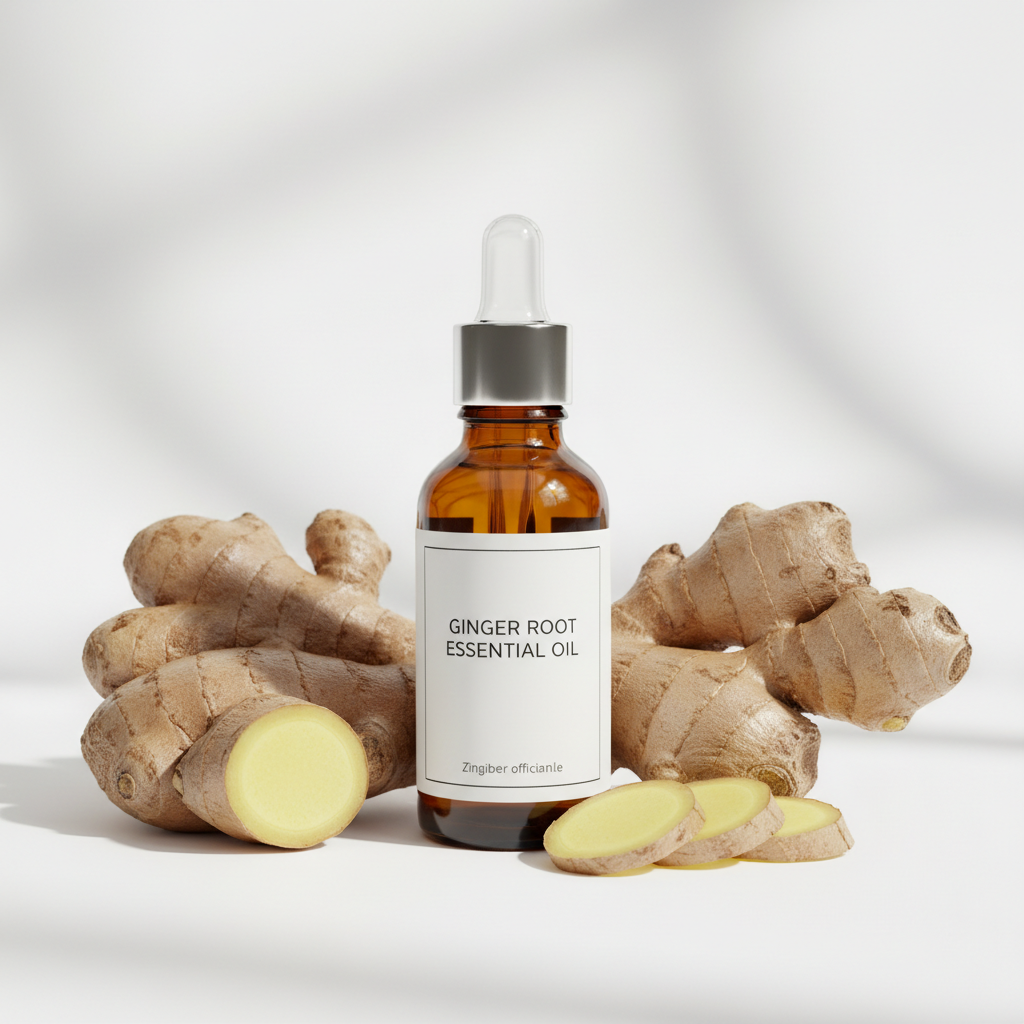
Ginger Root Essential Oil
Zingiber officinale
### Introduction to Ginger Root Essential Oil Ginger Root Essential Oil, extracted from the rhizomes of the Zingiber officinale plant, is known for its rich and vibrant aroma as well as its numerous health benefits. This oil is cherished in both traditional medicine and culinary applications worldwide. Its extraction primarily involves steam distillation, which captures the oil's natural essence while preserving its therapeutic qualities. ### Origin and Extraction Method The Zingiber officinale plant, native to Southeast Asia, has been utilized for thousands of years, not only for its culinary uses but also for its medicinal properties. The essential oil is derived from the ginger rhizomes, which are the underground stems of the plant. The steam distillation process draws out the natural oils, yielding a warm, spicy fragrance that evokes feelings of comfort and invigoration. ### Botanical Information Ginger belongs to the family Zingiberaceae. The plant can grow up to 3 feet tall, producing narrow green leaves and yellowish flowers. Its rhizome is thick, fleshy, and highly aromatic. Ginger is commonly found in tropical to subtropical climates, thriving in rich, moist, and well-draining soil. ### Therapeutic Properties and Benefits Ginger Root Essential Oil is renowned for its wide array of therapeutic properties: - **Digestive Health:** Ginger oil supports digestive function and alleviates symptoms of nausea, making it highly beneficial during travel or pregnancy. - **Anti-inflammatory Effects:** The compounds in ginger possess anti-inflammatory properties that can soothe muscle and joint pain. - **Mood Enhancement:** Its uplifting scent can elevate mood, reduce feelings of stress, and promote emotional balance. - **Immune Support:** Ginger oil may bolster the immune system, helping to ward off colds and flu, thanks to its antimicrobial properties. ### Historical and Traditional Uses Historically, ginger has been utilized in various cultures for its health-boosting properties. Ancient Chinese medicine praises ginger for its warming qualities and digestive support. It has also been a staple in Ayurvedic practices, focusing on balancing bodily energies and promoting overall wellness. In culinary traditions, ginger enhances flavor while serving as a natural remedy for digestive discomforts. ### Scientific Facts and Research Numerous studies highlight the effectiveness of ginger oil. Research has shown that compounds like gingerol and shogaol are key players in its therapeutic qualities. These components have been studied for their ability to mitigate nausea and improve digestive health, especially in cases of motion sickness and morning sickness. Additionally, ginger oil has demonstrated antioxidant properties, making it effective in combatting oxidative stress in the body. ### Aroma Profile and Characteristics The aroma of Ginger Root Essential Oil is warm, spicy, and invigorating. This scent is often associated with freshness and vitality, making it a popular choice in aromatherapy. When diffused, it not only energizes the atmosphere but also alleviates feelings of anxiety and stress. ### Common Applications and Methods Ginger Root Essential Oil can be used in various ways: - **Aromatherapy:** Diffusing ginger oil in your home promotes a sense of warmth and comfort, encouraging a positive and uplifting environment. - **Topical Use:** When diluted with a carrier oil, ginger oil can be applied to sore muscles and joints to help relieve inflammation and pain. - **Bath Additive:** Adding a few drops to bathwater can enhance relaxation and provide relief from tension and stress. - **Digestive Aid:** Inhaling the oil or using it in a comforting tea or body rub can provide relief from digestive issues. ### Interesting Facts and Trivia - Ginger is often referred to as a 'super spice' due to its potent health benefits. - It is one of the oldest spices known to mankind, dating back over 5,000 years! - The essential oil can also act as a natural insect repellent, making it useful in DIY home remedies. - In traditional folklore, ginger was believed to bring good luck and prosperity. ### Conclusion Ginger Root Essential Oil stands out as a versatile and beneficial essential oil, offering a multitude of health benefits while also enhancing mood and providing comfort. Embracing this oil in your wellness routine can lead to a more balanced and enriched lifestyle.
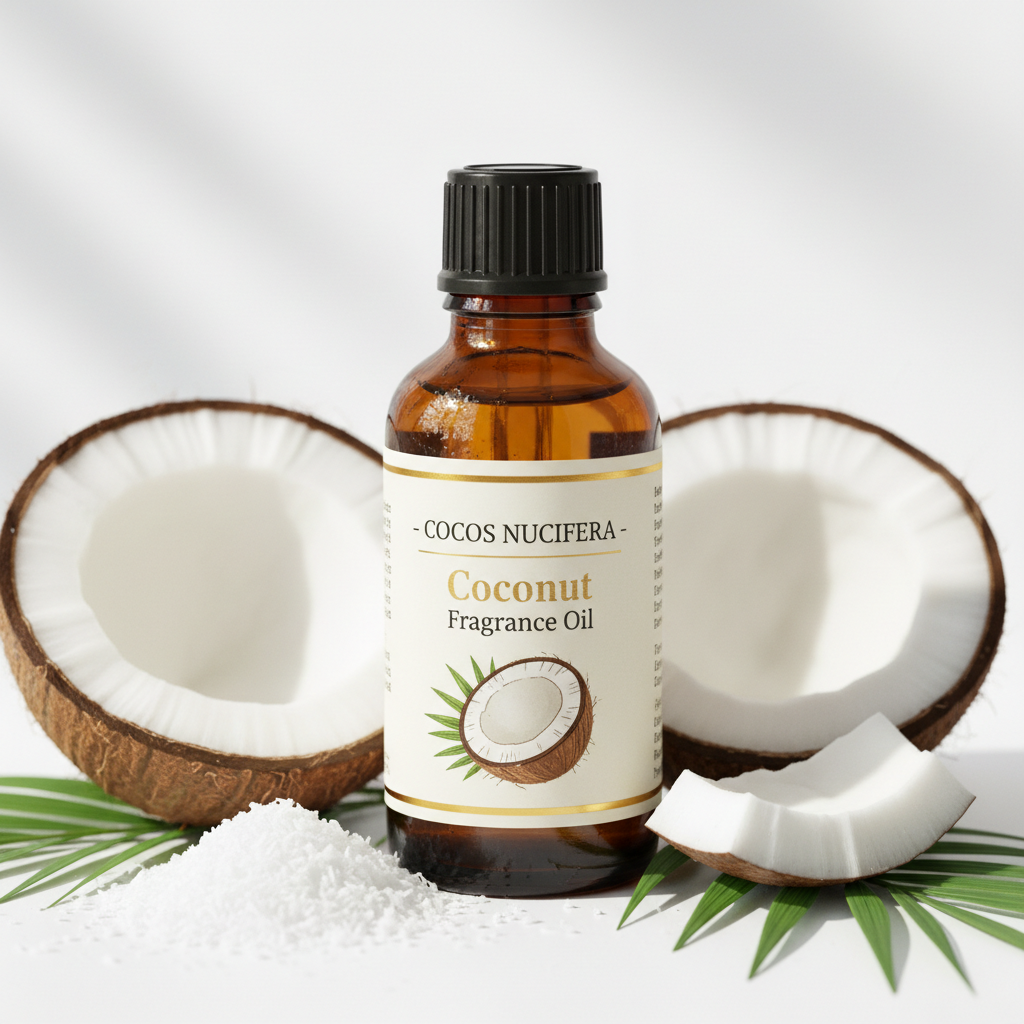
Coconut Fragrance Oil
Cocos nucifera
**Coconut Fragrance Oil: Benefits, Uses, and Aroma Profile** Coconut Fragrance Oil, derived from the pulp of the coconut fruit (Cocos nucifera), is renowned for its sweet, tropical aroma that conjures images of sunny beaches and exotic landscapes. This beloved oil is used extensively in aromatherapy, cosmetics, and personal care products, making it a staple in both homes and wellness practices worldwide. ### **Origin and Extraction Method** Coconut oil is typically extracted either through a cold-pressing method or via solvent extraction. Cold-pressing involves mechanically pressing the coconut meat to release the oil, ensuring that its natural scent and properties are retained. Conversely, solvent extraction uses chemical solvents to extract oil, which may result in different scent profiles and purity levels. The high-quality coconut fragrance oil is usually derived from the organic, fresh pulp sourced from mature coconuts grown in tropical regions, primarily in Southeast Asia. ### **Botanical Information** The coconut tree (Cocos nucifera) is often referred to as the 'tree of life' in many cultures. Its fruit, the coconut, is not only valued for its oil but also for its water and meat. Coconuts thrive in sandy soils near coastal areas and require a warm tropical climate for optimum growth. The oil extracted from their pulp is rich in healthy fatty acids, particularly lauric acid, which is known for its antimicrobial properties. ### **Therapeutic Properties and Benefits** Coconut Fragrance Oil is more than just a sweet scent; it is celebrated for its myriad therapeutic benefits: - **Stress Relief**: The warm, comforting aroma of coconut oil promotes relaxation, making it ideal for aromatherapy sessions. - **Mood Enhancer**: Inhaling its fragrance can uplift spirits and foster a sense of well-being by stimulating positive emotions. - **Grounding Properties**: The calming scent provides stability and a sense of peace, particularly beneficial in times of emotional chaos. - **Comforting Aroma**: Many find it evokes feelings of nostalgia and warmth, adding to its emotional resilience properties. - **Energizing Effects**: Coconut fragrance can invigorate the senses, aiding mental clarity and focus, especially during fatigue. - **Skin Nourishment**: Coconut oil is excellent for moisturizing dry skin, providing deep hydration without greasy residue. - **Hair Conditioner**: It’s known to add shine and softness to hair, promoting manageability and overall hair health. - **Deep Moisturization**: Creates a protective barrier on the skin, helping to lock in moisture and protect against environmental damage. - **Improved Circulation**: When used in massages, it can enhance blood flow, promoting skin health and relaxation. - **Natural Cleanser**: Coconut oil can cleanse the skin significantly, removing dirt without stripping away natural oils. ### **Historical and Traditional Uses** Historically, coconut oil has been used across cultures for cooking, medicinal, and cosmetic purposes. In communities where coconuts are abundant, such as in Polynesia, it has been used in rituals and traditional medicine. Its reputation as a skin conditioner dates back centuries, and it is commonly used in various formulations, from Ayurvedic practices to modern skincare products. ### **Scientific Facts and Research** Research into the benefits of coconut oil continues to provide insights into its diverse properties. Studies indicate that its high lauric acid content contributes to its antibacterial, antiviral, and antifungal abilities. Additionally, coconut oil has been linked to improved skin conditions due to its moisturizing effects and ability to heal wounds. ### **Aroma Profile and Characteristics** Coconut Fragrance Oil has a unique aroma profile that is sweet, creamy, and a bit nutty. The scent is often described as uplifting and tropical, making it a favorite in cocktails and paradise-themed products. It blends well with other essential oils like vanilla, lime, and jasmine, creating delightful concoctions for various applications. ### **Common Applications and Methods** Coconut Fragrance Oil is versatile, used in various products: - **Candles and Diffusers**: Popular for home ambiance, providing a lasting scent. - **Soaps and Lotions**: Used in cosmetics for its moisturizing and soothing properties. - **Hair Care Products**: Added to shampoos and conditioners for added shine and softness. - **Cooking and Baking**: Its flavor can enhance many dishes, though it is regarded more for scent in fragrance applications. ### **Interesting Facts and Trivia** - Did you know that coconut water can be used as an emergency intravenous hydration fluid? This is due to its sterile nature and electrolyte composition. - Coconuts can float on water, which allows them to travel miles across oceans and sprout on distant beaches. - In the beauty industry, coconut oil has become synonymous with the 'tropical' aesthetic, often paired with packaging featuring palm trees and beach imagery. Coconut Fragrance Oil embodies the essence of tropical paradises and offers numerous benefits, making it a must-have for aromatherapy enthusiasts and beauty aficionados alike. With its rich history, versatile applications, and therapeutic properties, embracing coconut oil in your daily routine can enhance well-being and promote a sense of tranquility.
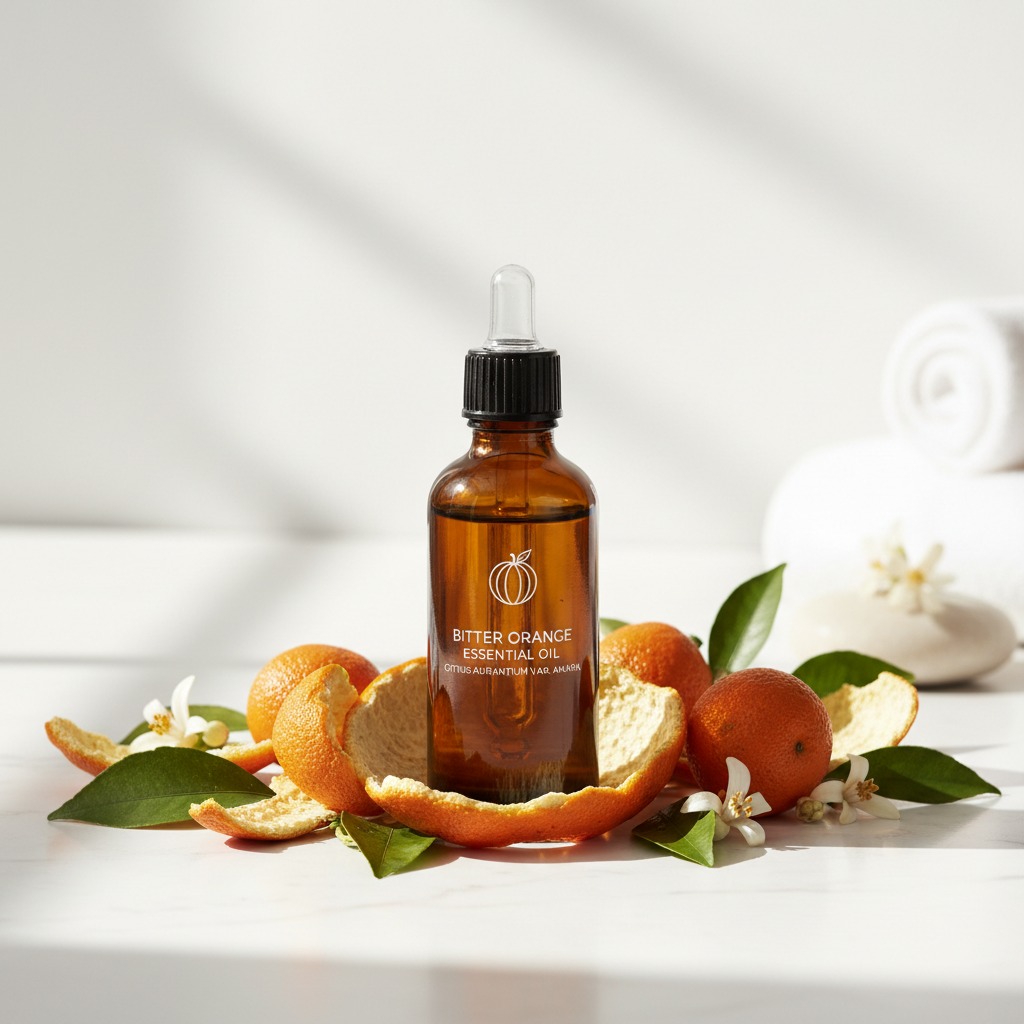
Bitter Orange Essential Oil
Citrus aurantium var. amara
**Bitter Orange Essential Oil: Comprehensive Overview** Bitter Orange Essential Oil, scientifically known as *Citrus aurantium var. amara*, is derived from the bright orange fruit peel of the bitter orange tree. This essential oil has a long-standing history, with its medicinal properties tracing back to ancient times. Traditionally, it has been utilized in various remedies, culinary practices, and perfumery, making it a versatile addition to both holistic healing and modern aromatherapy. **Origin and Extraction Method** The extraction of Bitter Orange Essential Oil is accomplished through a cold pressing technique, where the outer rind of the orange is mechanically pressed to release its natural oils. This method is favored as it preserves the delicate aroma and therapeutic properties of the oil. The bitter orange tree itself thrives in tropical and subtropical climates, particularly in regions like the Mediterranean, South America, and parts of Asia. **Botanical Information** The botanical anatomy of the bitter orange tree reveals its leaves are dark green, glossy, and aromatic. The small, fragrant white flowers bloom in spring and develop into round, bitter fruits throughout the year. The word 'bitter' signifies the unique taste of the fruit, which contrasts with the sweetness of its cousin, the sweet orange (*Citrus sinensis*). **Therapeutic Properties and Benefits** Bitter Orange Essential Oil is renowned for its numerous therapeutic benefits, making it a staple in aromatherapy. - **Mood Enhancer**: Known for uplifting the spirit, this oil can elevate mood and promote feelings of happiness, making it ideal for those experiencing emotional lows. - **Stress Relief**: Its calming properties relieve tension and stress, providing comfort in challenging situations. - **Improvements in Focus and Clarity**: Bitter Orange Oil can enhance mental clarity, aiding concentration when diffused in workspaces. - **Emotional Balance**: The oil serves to promote emotional stability, helping users find harmony and reducing feelings of anxiety. - **Antiseptic Properties**: It possesses antibacterial and antifungal qualities that can be beneficial for cleansing minor cuts and scrapes. - **Respiratory Support**: Inhaling the vapors can help alleviate respiratory problems, making it useful during cold and flu seasons. - **Skin Care Benefits**: Bitter Orange Oil assists in regulating sebum production, thereby helping to balance oily skin. - **Muscle Relaxation**: When used in massage blends, it can help relax tight muscles for stress relief. - **Weight Management**: It has been suggested in weight management protocols for its uplifting effects. **Historical and Traditional Uses** Historically, bitter orange has held a significant place in various cultures. It was used in traditional Chinese medicine (TCM) to relieve digestive issues, while in European herbal medicine, it has been employed to aid in calming anxiety and improving digestion. The essential oil has also found its way into culinary arts, being a popular flavoring agent for liqueurs and desserts, especially in Mediterranean cuisine. **Scientific Facts and Research** Research has indicated several beneficial compounds present in Bitter Orange Essential Oil, including Limonene, which has been recognized for its uplifting aromatherapy effects. Studies suggest that the inhalation of its aroma can stimulate the limbic system, which plays a critical role in emotions and behaviors. **Aroma Profile and Characteristics** The aroma of Bitter Orange Essential Oil is distinctly bright and cheerful, characterized by zesty and refreshing notes. Users often describe the scent as uplifting, with a slightly sweet undertone that can invigorate both the mind and spirit. This refreshing aroma makes it a favorite in candle making, natural perfumes, and body care products. **Common Applications and Methods** Bitter Orange Essential Oil can be used in various ways: - **Aromatherapy Diffusion**: Diffusing the oil in spaces can enhance mood and stimulate productivity. - **Topical Application**: Diluting with a carrier oil and applying to skin can provide localized benefits, especially in massage. - **Bath Soaks**: Adding to bath water can create a relaxing atmosphere, transforming bath time into an aromatic experience. - **Natural Cleaning Products**: Its antiseptic properties make it a perfect ingredient for homemade cleaners. **Interesting Facts and Trivia** - Bitter Orange is the primary orange used in the production of Seville orange marmalade. - The essential oil has been traditionally used in Mediterranean folk medicine for enhancing digestion and relieving discomfort. - Bitter Orange Essential Oil is sometimes utilized in the fragrance industry as a fixative, helping scents last longer in perfumes.' In conclusion, Bitter Orange Essential Oil is a powerful multifunctional oil that offers a wide range of health benefits, from uplifting mood to supporting skin care. With its historical roots, therapeutic properties, and delightful aroma, it continues to be a favored choice among essential oil enthusiasts.
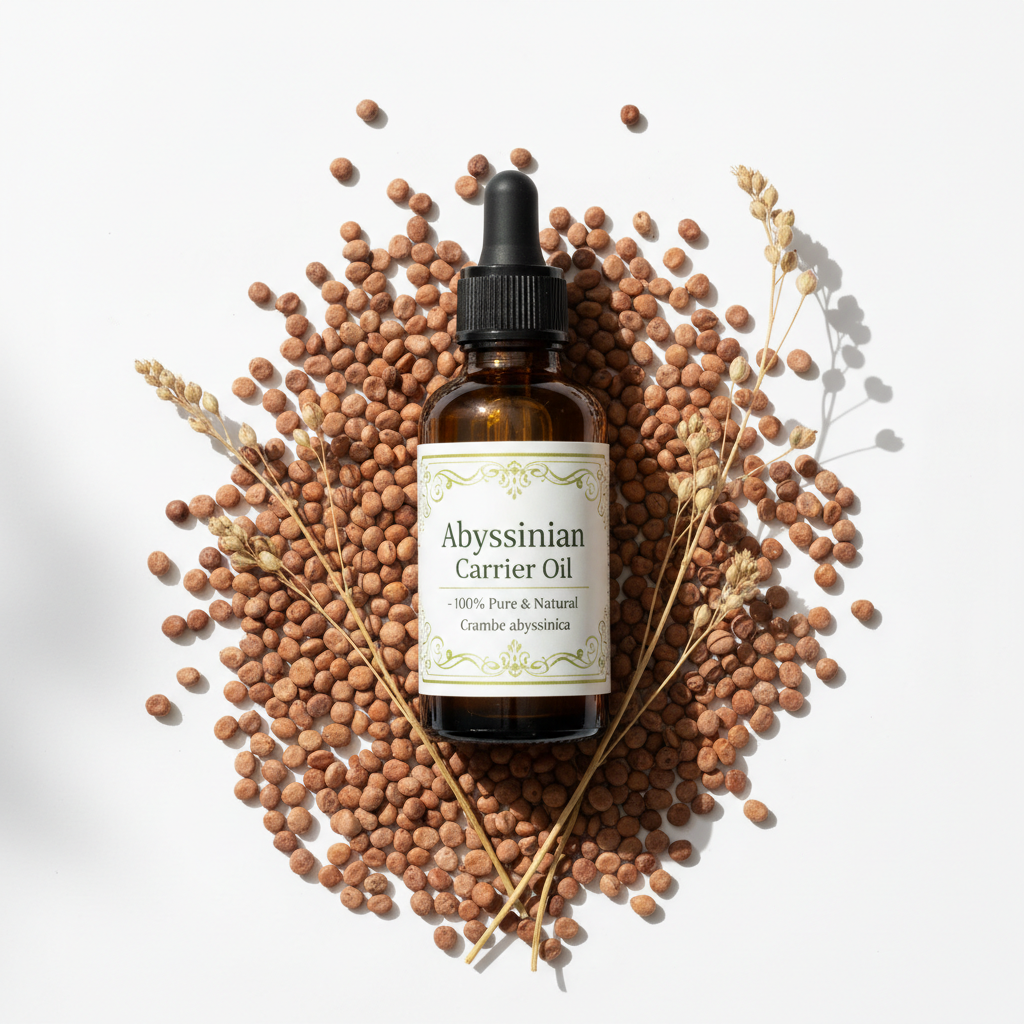
Abyssinian Carrier Oil
Crambe abyssinica
Abyssinian Carrier Oil Abyssinian Carrier Oil, extracted from the seeds of the Crambe abyssinica plant, is well-regarded for its moisturizing and therapeutic properties. It has gained popularity in skincare and aromatherapy, making it a favorite among formulators and beauty professionals. **Origin and Extraction Method** Crambe abyssinica flourishes in the highlands of East Africa, particularly Ethiopia. Producers use a cold-pressing method to extract the oil, which helps retain essential nutrients and maintains the oil’s quality. This gentle process ensures that the seeds offer maximum benefits, resulting in a top-notch product that the wellness community appreciates. **Botanical Information** Belonging to the Cruciferae family, the Abyssinian mustard plant features unique yellow to golden seeds. The oil is rich in erucic acid and fatty acids, contributing to its nourishing and restorative qualities for the skin. With its subtle, nutty scent, Abyssinian Carrier Oil blends well in aromatherapy mixes and skincare products, enhancing both sensory enjoyment and therapeutic benefits. **Therapeutic Properties and Benefits** Abyssinian Carrier Oil offers a range of helpful properties for the skin: - **Moisturization:** It excels at hydrating the skin and maintaining moisture, making it ideal for dry or sensitive skin. - **Skin Repair:** The oil aids in healing minor skin irritations, cuts, and abrasions, promoting quicker recovery. - **Anti-Aging Effects:** Abyssinian oil supports skin elasticity and may help reduce signs of aging, helping maintain a youthful appearance. - **Balancing Oily Skin:** Surprisingly, it can benefit oily skin types by regulating excess oil production. - **Inflammation Relief:** With soothing properties, the oil can reduce redness and inflammation, making it suitable for sensitive skin. **Historical and Traditional Uses** For many years, people in East Africa have relied on Abyssinian oil for its unique qualities. It hasn’t just been a staple in skincare; it's also played a role in herbal remedies aimed at improving physical and emotional well-being. Locally, this oil has been embraced in beauty rituals and therapies, highlighting its cultural importance in personal care. **Scientific Facts and Research** Research on Crambe abyssinica reveals that it contains omega-9 and omega-6 fatty acids, which promote skin regeneration and health. These fatty acids are crucial for cellular vitality and provide anti-inflammatory benefits that are essential for maintaining healthy skin. Studies suggest that Abyssinian oil can help reduce the appearance of fine lines and improve overall skin texture, reinforcing its status as a beneficial skincare ingredient. **Aroma Profile and Characteristics** Abyssinian Carrier Oil features a nuanced, nutty aroma that feels both uplifting and calming. This well-balanced scent blends seamlessly with other essential oils, enhancing the aromatherapy experience. Its subtle fragrance also supports emotional well-being, making it a popular choice for those looking to create a relaxing atmosphere during self-care routines. **Common Applications and Methods** You can use Abyssinian Carrier Oil in various ways: - **Skincare:** Use it on its own or blend it with essential oils to improve absorption of beneficial ingredients into the skin. - **Massage Oil:** Because of its excellent moisturizing properties, it works wonderfully as a base for massage oils, promoting relaxation and enhancing blood circulation. - **Hair Care:** It’s beneficial for hair, providing moisture, shine, and nourishment to dry or frizzy locks, making hair more manageable. **Interesting Facts and Trivia** - Often called 'Ethiopian mustard oil,' Abyssinian oil is named for its geographic origins and cultivation. - Its light absorption properties make it suitable for high-quality cosmetic formulations without leaving a greasy feel. - The unique composition of Abyssinian Carrier Oil can help stabilize other formulations, extending their shelf life, which is why it’s a prized ingredient among cosmetic formulators. Abyssinian Carrier Oil is celebrated not only for its many benefits in skincare and holistic health but also for its rich history and diverse uses. With its appealing aroma and practical applications, it’s a valuable addition to anyone exploring the potential of natural oils.