Search
Found 6 results for "spices"
Essential Oils
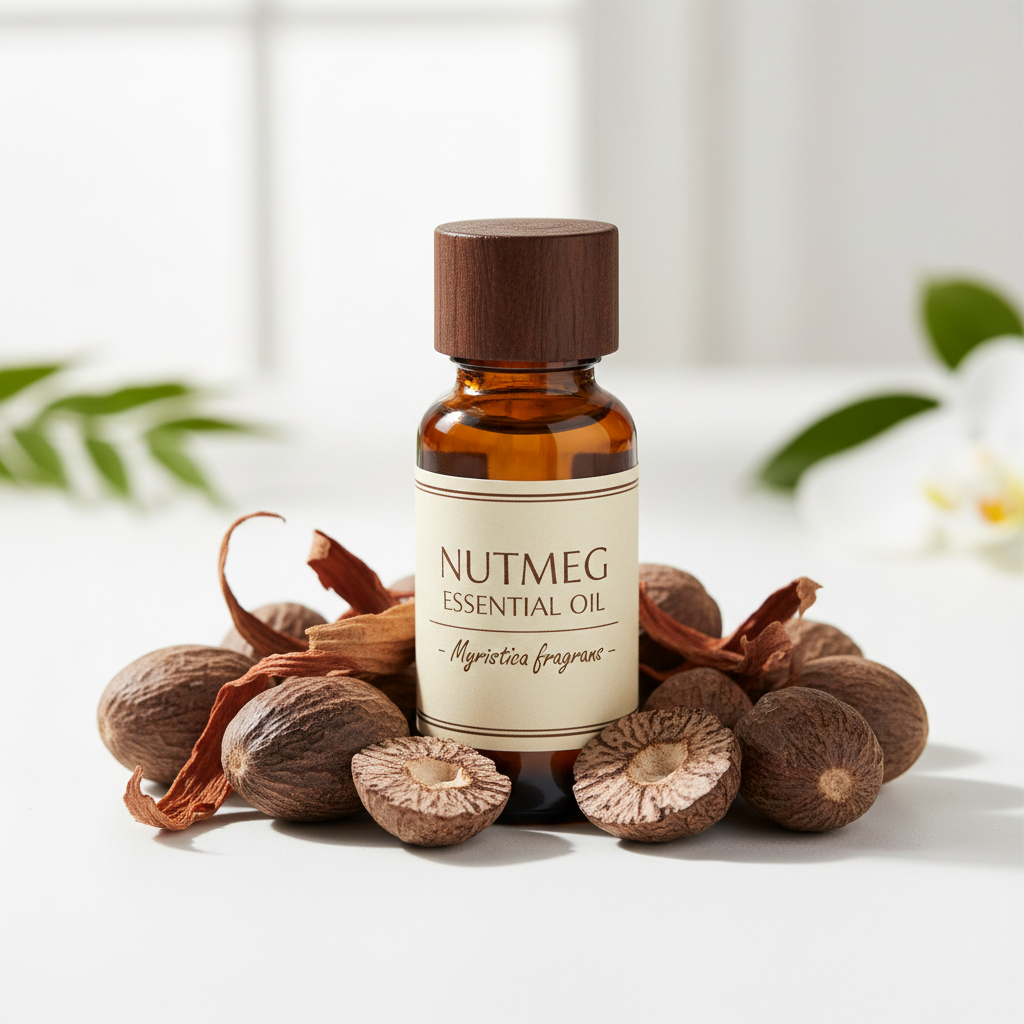
Nutmeg Essential Oil
Myristica fragrans
### Nutmeg Essential Oil: An In-Depth Exploration Nutmeg essential oil, derived from the seeds of the **Myristica fragrans** tree, boasts a fascinating history and a unique, warm aroma that captivates the senses. This highly valued essential oil is not only popular in culinary traditions but also revered for its wide array of therapeutic properties. In this comprehensive guide, we will explore the origins, extraction methods, benefits, and applications of nutmeg essential oil in detail. #### Origin and Extraction Method The nutmeg tree is native to the tropical regions of Indonesia, particularly the Banda Islands. It thrives in warm, humid climates, and its seeds are the source of the essential oil. The extraction of nutmeg oil is primarily achieved through **steam distillation** of the whole nutmeg seeds. This method is crucial for preserving the oil's potent healing properties and distinctive aroma. #### Botanical Information **Myristica fragrans** is an evergreen tree that can grow up to 20 meters in height. The tree flowers and produces fruit, which contains the nutmeg seed. The oil itself is golden yellow in color and has a warm, spicy, and slightly sweet fragrance, making it a favorite in perfumery and wellness applications. #### Therapeutic Properties and Benefits Nutmeg essential oil is celebrated for its numerous therapeutic properties: - **Stress Relief**: Known for its calming effects, it helps relieve tension and anxiety, promoting emotional stability. - **Digestive Support**: Nutmeg oil aids digestion by alleviating gas and bloating and can be beneficial for upset stomachs. - **Menstrual Comfort**: It has antispasmodic properties, offering relief from menstrual cramps and discomfort. - **Circulatory Booster**: Enhances blood circulation, contributing to overall vitality and wellness. - **Muscle Relaxant**: Its warming properties make it effective in easing muscle tension and aches when used in massages. #### Historical and Traditional Uses Historically, nutmeg was a prized commodity in the spice trade and was believed to offer protective qualities against diseases. Ancient cultures used it in various forms for medicinal and culinary purposes. Nutmeg is traditionally associated with promoting relaxation and social harmony, often used in rituals and festive occasions across numerous cultures. #### Scientific Facts and Research Recent scientific studies have explored the benefits of nutmeg essential oil. Research indicates its potential anti-inflammatory and antioxidant properties, contributing to pain relief and improved overall health. #### Aroma Profile and Characteristics Nutmeg essential oil has a warm, sweet-spicy scent with hints of nutty undertones. This rich aroma makes it a favorite in aromatherapy and scent blends, ideal for creating a calming atmosphere in homes, spas, and during meditation practices. #### Common Applications and Methods Nutmeg essential oil can be used in various ways: 1. **Aromatherapy Diffusion**: Add a few drops to a diffuser to create a soothing environment. 2. **Massage Blends**: Combine with a carrier oil for a relaxing massage to relieve muscle tension. 3. **Bath Soaks**: Incorporate into bathwater for a luxurious, stress-relieving soak. 4. **Culinary Uses**: While primarily used for its essential oil, it can also flavor dishes when used sparingly in cooking or baking. #### Interesting Facts and Trivia - Nutmeg is one of the few spices derived from seeds, with the whole nut being the seed of the fruit produced by the nutmeg tree. - In the 19th century, nutmeg was considered so valuable that it was used as currency in some regions! - In small amounts, nutmeg can induce hallucinations, so it is essential to use it judiciously. #### Conclusion Nutmeg essential oil is more than just a sweet spice; it embodies a rich heritage of aromatic and therapeutic benefits. With its ability to promote relaxation, support digestive health, and enhance emotional balance, nutmeg oil is a versatile addition to any essential oil collection. Whether used in aromatherapy, massage, or cooking, nutmeg oil can provide both soothing comfort and health benefits, making it a must-have oil for anyone looking to enhance their well-being.
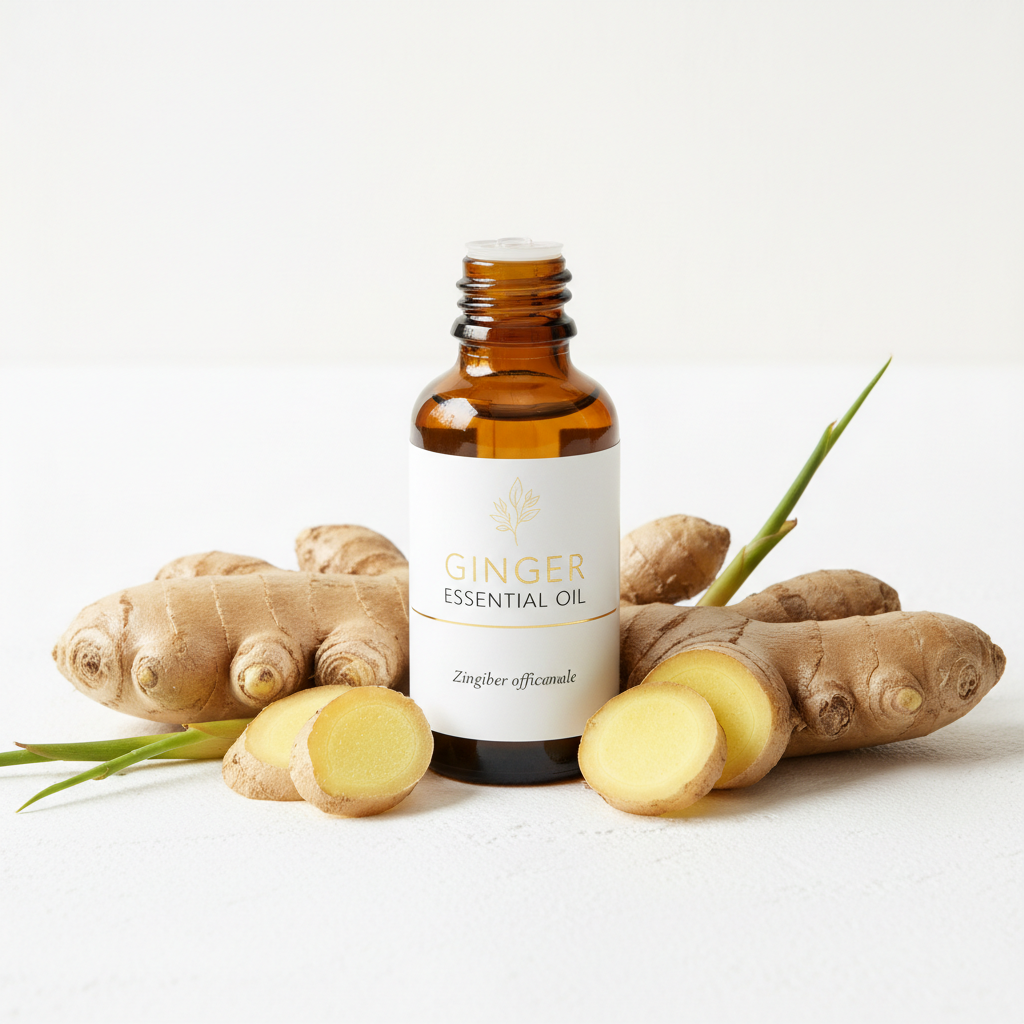
Ginger Essential Oil
Zingiber officinale
Ginger Essential Oil: Uses, Benefits, and Properties Explained Ginger Essential Oil, extracted from the rhizome of the Zingiber officinale plant, is a powerful and versatile oil with a history deeply rooted in traditional medicine and culinary arts across Asia. With its warm, spicy aroma, Ginger Essential Oil is not only valued in kitchens but also in holistic health practices worldwide. Let's delve into the various aspects of this amazing essential oil. ### Origin and Extraction Method Ginger Essential Oil originates from the Zingiber officinale plant, which thrives in tropical climates. The essential oil is meticulously extracted through steam distillation from its fresh or dried rhizomes. This method preserves the oil's beneficial compounds while capturing its distinct aromatic profile, leading to a high-quality essential oil that carries the essence of ginger. ### Botanical Information Ginger, as a flowering plant, belongs to the family Zingiberaceae and is closely related to other spices like turmeric and cardamom. Known for its knobby, root-like rhizomes, Ginger has been cultivated for over 5,000 years across Asia. The plant typically grows to about 3-4 feet in height, displaying narrow green leaves and white or yellow flowers. The essential oil, rich in active compounds like gingerol, zingerone, and essential fatty acids, is known for its therapeutic properties. ### Therapeutic Properties and Benefits Ginger Essential Oil boasts a wide array of therapeutic benefits: - **Digestive Health:** It aids digestion, relieves nausea, and alleviates discomfort caused by indigestion or bloating. - **Anti-inflammatory:** The oil possesses anti-inflammatory properties that may help reduce symptoms of arthritis and muscle pain. - **Mood Enhancement:** The warm, invigorating scent can uplift moods, reduce stress, and combat anxiety, making it a popular choice for aromatherapy. - **Mental Clarity:** By improving focus and concentration, Ginger Essential Oil can support cognitive function and mental performance. - **Wellness Support:** It is believed to bolster the immune system and enhance resilience against seasonal colds and flu. ### Historical and Traditional Uses Historically, Ginger has been utilized for its medicinal properties for centuries. Traditional Chinese Medicine often employs Ginger to combat nausea and improve digestive health. Ayurveda, the ancient Indian healing system, also values Ginger for its warming qualities and ability to balance the body’s doshas, particularly during the cold seasons. Ginger tea, a staple in many cultures, is commonly consumed to promote health and wellness. ### Scientific Facts and Research Numerous studies have highlighted the potential health benefits of Ginger Essential Oil. Research indicates that gingerol, its primary bioactive compound, can significantly reduce markers of inflammation in the body. Other studies suggest that ginger extracts can aid in reducing motion sickness and improving digestive issues. While further research is needed, existing studies support its role as a natural remedy. ### Aroma Profile and Characteristics Ginger Essential Oil features a warm, spicy, and slightly sweet scent, reminiscent of fresh ginger. This unique aroma is uplifting and energizing, making it ideal for diffusing or blending with other essential oils. Its stimulating fragrance can invigorate the mind and body, enhancing overall wellness. ### Common Applications and Methods Ginger Essential Oil can be used in various ways: - **Aromatherapy:** Add a few drops to a diffuser for mood enhancement and mental clarity. - **Topical Use:** Dilute with a carrier oil to massage sore muscles or alleviate menstrual discomfort. - **Baths:** Add to a warm bath for relaxation and skin benefits. - **Homemade Products:** Incorporate into personal care items like lotions or creams for added scent and therapeutic properties. ### Interesting Facts and Trivia - Ginger is one of the oldest spices known to mankind, dating back over 5,000 years. - It was traditionally believed that Ginger could dispel evil spirits. - Ginger is often referred to as the 'universal medicine' in many cultures. - The aromatic oil of Ginger is used in perfumery and culinary applications. In conclusion, Ginger Essential Oil is a remarkable gift from nature, offering a multitude of benefits that promote physical and emotional well-being. Whether used aromatically, topically, or in culinary dishes, this essential oil is a cherished addition to any wellness regimen. As always, remember to consult with a healthcare provider for personalized advice regarding essential oil use.
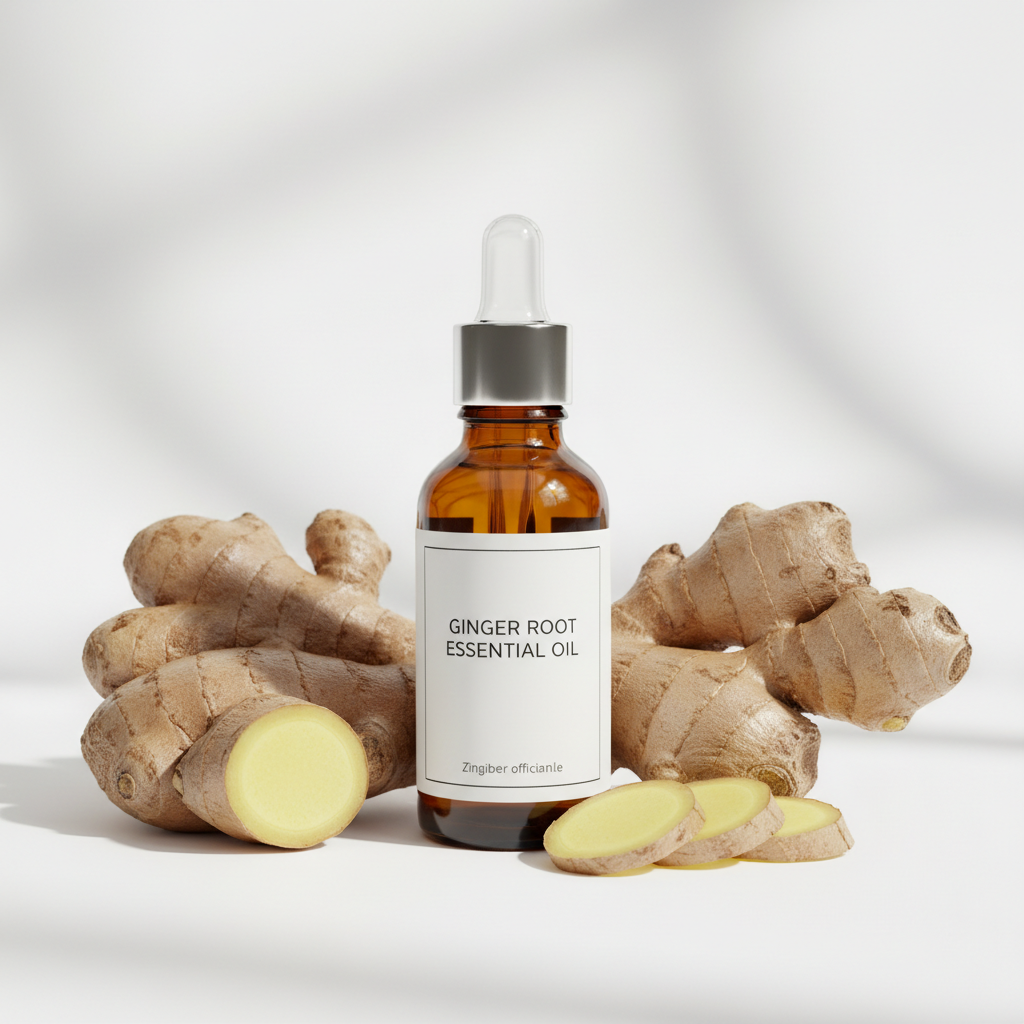
Ginger Root Essential Oil
Zingiber officinale
### Introduction to Ginger Root Essential Oil Ginger Root Essential Oil, extracted from the rhizomes of the Zingiber officinale plant, is known for its rich and vibrant aroma as well as its numerous health benefits. This oil is cherished in both traditional medicine and culinary applications worldwide. Its extraction primarily involves steam distillation, which captures the oil's natural essence while preserving its therapeutic qualities. ### Origin and Extraction Method The Zingiber officinale plant, native to Southeast Asia, has been utilized for thousands of years, not only for its culinary uses but also for its medicinal properties. The essential oil is derived from the ginger rhizomes, which are the underground stems of the plant. The steam distillation process draws out the natural oils, yielding a warm, spicy fragrance that evokes feelings of comfort and invigoration. ### Botanical Information Ginger belongs to the family Zingiberaceae. The plant can grow up to 3 feet tall, producing narrow green leaves and yellowish flowers. Its rhizome is thick, fleshy, and highly aromatic. Ginger is commonly found in tropical to subtropical climates, thriving in rich, moist, and well-draining soil. ### Therapeutic Properties and Benefits Ginger Root Essential Oil is renowned for its wide array of therapeutic properties: - **Digestive Health:** Ginger oil supports digestive function and alleviates symptoms of nausea, making it highly beneficial during travel or pregnancy. - **Anti-inflammatory Effects:** The compounds in ginger possess anti-inflammatory properties that can soothe muscle and joint pain. - **Mood Enhancement:** Its uplifting scent can elevate mood, reduce feelings of stress, and promote emotional balance. - **Immune Support:** Ginger oil may bolster the immune system, helping to ward off colds and flu, thanks to its antimicrobial properties. ### Historical and Traditional Uses Historically, ginger has been utilized in various cultures for its health-boosting properties. Ancient Chinese medicine praises ginger for its warming qualities and digestive support. It has also been a staple in Ayurvedic practices, focusing on balancing bodily energies and promoting overall wellness. In culinary traditions, ginger enhances flavor while serving as a natural remedy for digestive discomforts. ### Scientific Facts and Research Numerous studies highlight the effectiveness of ginger oil. Research has shown that compounds like gingerol and shogaol are key players in its therapeutic qualities. These components have been studied for their ability to mitigate nausea and improve digestive health, especially in cases of motion sickness and morning sickness. Additionally, ginger oil has demonstrated antioxidant properties, making it effective in combatting oxidative stress in the body. ### Aroma Profile and Characteristics The aroma of Ginger Root Essential Oil is warm, spicy, and invigorating. This scent is often associated with freshness and vitality, making it a popular choice in aromatherapy. When diffused, it not only energizes the atmosphere but also alleviates feelings of anxiety and stress. ### Common Applications and Methods Ginger Root Essential Oil can be used in various ways: - **Aromatherapy:** Diffusing ginger oil in your home promotes a sense of warmth and comfort, encouraging a positive and uplifting environment. - **Topical Use:** When diluted with a carrier oil, ginger oil can be applied to sore muscles and joints to help relieve inflammation and pain. - **Bath Additive:** Adding a few drops to bathwater can enhance relaxation and provide relief from tension and stress. - **Digestive Aid:** Inhaling the oil or using it in a comforting tea or body rub can provide relief from digestive issues. ### Interesting Facts and Trivia - Ginger is often referred to as a 'super spice' due to its potent health benefits. - It is one of the oldest spices known to mankind, dating back over 5,000 years! - The essential oil can also act as a natural insect repellent, making it useful in DIY home remedies. - In traditional folklore, ginger was believed to bring good luck and prosperity. ### Conclusion Ginger Root Essential Oil stands out as a versatile and beneficial essential oil, offering a multitude of health benefits while also enhancing mood and providing comfort. Embracing this oil in your wellness routine can lead to a more balanced and enriched lifestyle.
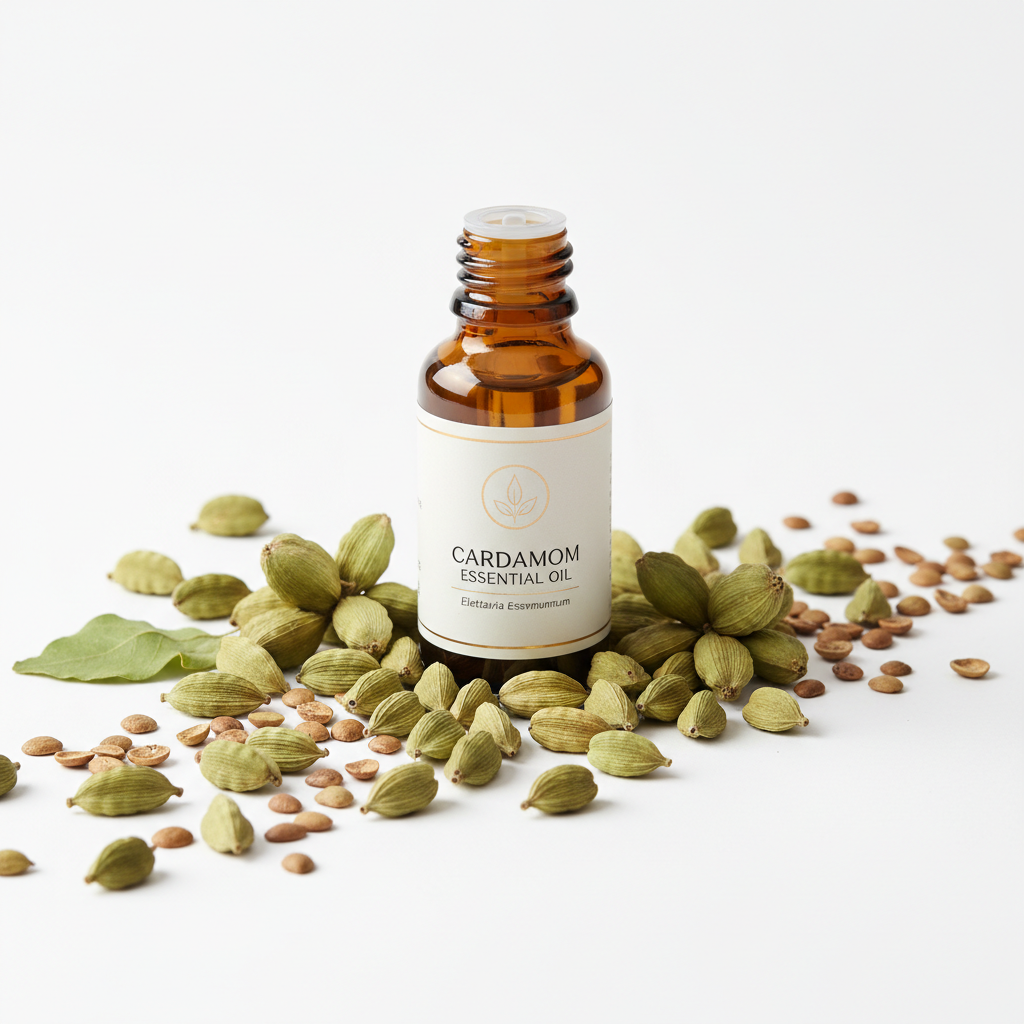
Cardamom Essential Oil
Elettaria cardamomum
### Cardamom Essential Oil: Origin, Extraction, and Uses Cardamom essential oil, scientifically known as *Elettaria cardamomum*, is derived from the seeds of the cardamom plant, which belongs to the ginger family (Zingiberaceae). This aromatic oil has gained a prominent place not just in kitchens as a spice but also in the world of aromatherapy and natural remedies. #### Origin and Extraction Method Cardamom is indigenous to the forests of India and the western Himalayas, though it is cultivated in many tropical regions worldwide, including Guatemala, Sri Lanka, and Tanzania. The essential oil is primarily extracted through **steam distillation** of the plant's seeds, which captures its unique aromatic qualities and preserves its therapeutic properties. #### Botanical Information The cardamom plant can reach heights of about 3 to 4 meters, featuring large leaves and elegant white flowers. The tiny seed pods that follow these flowers are what are harvested and distilled into essential oil. Cardamom is often called the “Queen of Spices” due to its rich flavor profile and historical prestige in culinary and medicinal applications. #### Therapeutic Properties and Benefits Cardamom essential oil is renowned for its multiple health benefits. It provides a range of therapeutic effects, including: - **Mood Enhancement**: This oil is celebrated for uplifting the spirit and promoting positive emotions. Its warm and spicy aroma can help combat feelings of sadness or negativity, fostering a cheerful mindset. - **Stress Reduction**: Known for its calming properties, cardamom oil supports the nervous system and helps induce relaxation and well-being. - **Mental Clarity**: Many users report enhanced focus and concentration, making it a valuable addition to work or study environments. - **Boosting Creativity**: The stimulating effects of this oil can inspire innovative thinking, making it a favorite among artists and writers seeking to break through creative blocks. - **Digestive Aid**: Cardamom essential oil supports digestive health by easing gastrointestinal discomfort and promoting healthy digestion. It is also known for alleviating nausea, especially during travel or in morning sickness cases. - **Energy Booster**: A quick energizer, cardamom oil can help combat lethargy, providing a natural lift during moments of fatigue. - **Detoxification Aid**: This oil encourages natural detox processes within the body, contributing to overall wellness. - **Muscle Relaxant**: With natural analgesic properties, cardamom oil can soothe muscle tension and discomfort, providing relief from aches and strains. #### Historical and Traditional Uses Historically, cardamom was prized not just for its culinary uses but also for its medicinal properties. In Ayurvedic medicine, it has been used to balance bodily systems and enhance overall health. Ancient cultures believed that it had aphrodisiac effects and used it in rituals and traditional remedies. #### Aroma Profile and Characteristics Cardamom essential oil has a sweet, spicy, and slightly herbaceous aroma, making it unique and multifaceted. Its fragrance is both warming and uplifting, attributed to its high concentration of cineole and terpinyl acetate. This distinct scent profile makes it a popular choice in perfumery and personal care products. #### Common Applications and Methods Cardamom oil can be used in various ways: - **Aromatherapy**: Diffuse in the air to create a positive environment, or add a few drops to your bath for a luxurious experience. - **Topical Applications**: Dilute with a carrier oil, such as coconut or jojoba oil, and apply to sore muscles or the abdomen for digestive support. - **Culinary Uses**: Add a drop or two to recipes for an exotic flavor twist or use it in spice blends. #### Interesting Facts and Trivia - Cardamom is one of the most expensive spices by weight, often used as a benchmark for the value of other spices. - It is sometimes referred to as “the spice of the rich” due to its historical significance in trade among the wealthy. - In some cultures, cardamom pods are chewed after meals to freshen breath and aid digestion. In conclusion, cardamom essential oil is a versatile and potent oil with a rich history and manifold benefits. Its unique combination of aromatic properties and therapeutic effects makes it a valuable asset in wellness practices and daily life, enhancing both culinary delights and holistic health.
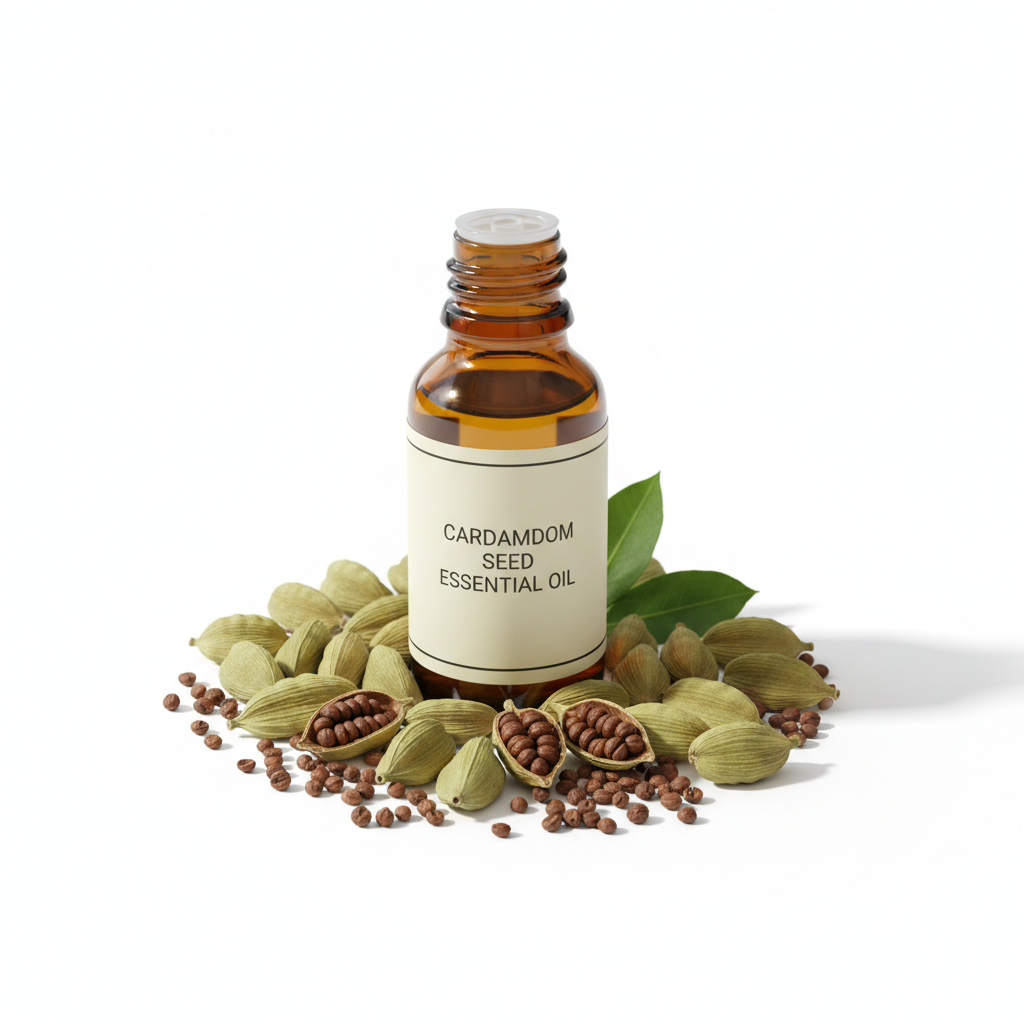
Cardamom Seed Essential Oil
Elettaria cardamomum
### Introduction to Cardamom Seed Essential Oil Cardamom Seed Essential Oil, derived from the seeds of the plant *Elettaria cardamomum*, offers a unique and captivating warm, spicy aroma. This essential oil not only enhances fragrances but also boasts numerous therapeutic benefits, making it a popular choice in aromatherapy and holistic health practices. ### Origin and Extraction Method Cardamom is native to the Indian subcontinent and has been cherished for centuries in various cultures. The essential oil is extracted through steam distillation of the seeds, which retains the oil’s potent aromatic characteristics and therapeutic properties. With a rich aromatic profile, cardamom oil is categorized as a top note, making it an ideal component in many fragrance blends. ### Botanical Information The *Elettaria cardamomum* plant is a perennial herb that can grow up to 4 meters tall and features lush green foliage and white to pale purple flowers. The seeds are collected and dried before distillation. This herbaceous plant is part of the ginger family, Zingiberaceae, and has been used traditionally in recipes and remedies alike. ### Therapeutic Properties and Benefits Cardamom Seed Essential Oil is renowned for its extensive therapeutic benefits: - **Digestive Support:** It has carminative properties that help ease digestive discomfort, particularly bloating and gas. - **Mood Enhancement:** The uplifting aroma of cardamom oil is known to alleviate feelings of stress, anxiety, and sadness, contributing to emotional balance. - **Respiratory Relief:** Inhalation or diffusion of cardamom oil can ease symptoms of respiratory discomfort, including coughs and colds. - **Pain Relief:** When diluted and applied topically, cardamom oil may relieve tension headaches and muscle aches due to its anti-inflammatory properties. - **Cognitive Boost:** The stimulating aroma can enhance mental clarity and focus, making it beneficial during studying or work. - **Circulatory Health:** Cardamom seed essential oil is believed to support healthy blood circulation and digestion, promoting overall wellness. ### Historical and Traditional Uses Historically, cardamom has been utilized in Ayurvedic and traditional medicine for its healing properties. Ancient cultures regarded cardamom as a symbol of prosperity, often included in rituals and festivities. It has been used not only in health practices but also as a spice in food, enhancing flavor and aroma. ### Scientific Facts and Research Recent studies have explored the range of benefits associated with cardamom seed oil. Research has highlighted its antioxidant properties, which can protect the body from oxidative stress. Additionally, its antimicrobial characteristics make it effective against certain pathogens, adding to its value as a natural remedy. ### Aroma Profile and Characteristics Cardamom Seed Essential Oil features a sweet, spicy aroma that can be described as warm and slightly balsamic. This unique scent profile makes it a harmonious addition to both sweet and savory blends in perfumery and culinary uses. The scent's complexity brings a sense of warmth and comfort, often reminding users of childhood memories or traditional festivities. ### Common Applications and Methods Cardamom Seed Essential Oil can be utilized in various ways: - **Aromatherapy:** Diffuse the oil in your space or inhale directly from the bottle to enjoy its uplifting properties. - **Topical Use:** Dilute with a carrier oil to apply on the skin for pain relief or to enhance relaxation during massage. - **Culinary Use:** A small amount can be added to recipes, teas, or desserts for a spicy twist and digestive benefits. ### Interesting Facts and Trivia - In ancient times, cardamom was considered so valuable that it was used as currency in trade. - It is sometimes referred to as the "Queen of Spices" after black pepper, emphasizing its importance and value in cooking and healing. - Cardamom oil is often included in traditional chai tea, enhancing the aromatic and flavor profile of this popular beverage. ### Conclusion Incorporating Cardamom Seed Essential Oil into your wellness routine can offer numerous benefits, from emotional balance to physical health. Whether used in aromatherapy, for cooking, or as part of a holistic practice, this essential oil serves as a versatile and beneficial staple in natural health.
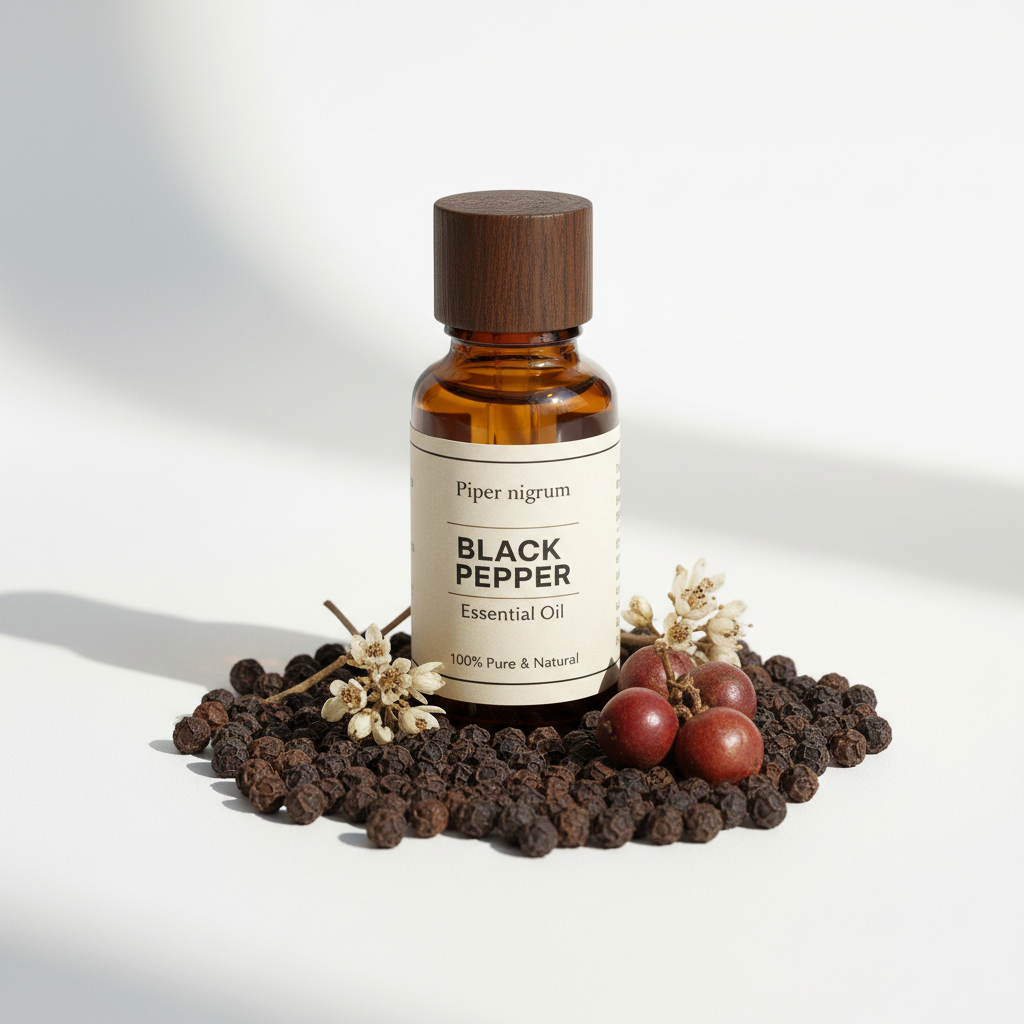
Black Pepper Essential Oil
Piper nigrum
### Black Pepper Essential Oil: Comprehensive Guide **Origin and Extraction Method** Black Pepper Essential Oil is derived from the dried fruit of the *Piper nigrum* plant, which is predominantly found in India, Indonesia, and Brazil. The extraction method involves steam distillation, a process that captures the volatile compounds of the peppercorn while preserving its therapeutic properties. This oil has been a staple in both culinary and medicinal practices for centuries, revered not only for its flavor but also for its health benefits. **Botanical Information** *Piper nigrum* is a flowering vine that produces clusters of small, round fruits known as peppercorns. The oil contains numerous active components, primarily piperine, which is responsible for its distinctive sharpness and therapeutic qualities. Black pepper plants thrive in tropical, humid environments, requiring specific conditions to flourish. **Therapeutic Properties and Benefits** Black Pepper Essential Oil is known for its warming characteristics and its ability to enhance overall wellness. Some notable therapeutic properties include: - **Digestive Health:** Black Pepper Oil promotes digestive function, alleviating symptoms such as bloating and discomfort. It supports the secretion of digestive enzymes and stimulates appetite, making it beneficial for those experiencing digestive issues. - **Muscle Relief:** The oil is often praised for its ability to relieve muscular tension and soreness. It aids in post-workout recovery by enhancing circulation and reducing inflammation in the body. - **Mental Clarity and Focus:** Its stimulating aroma can enhance concentration and mental clarity, making it helpful during periods of intense work or study. It may also uplift the spirit and ward off feelings of lethargy. - **Emotional Support:** Black Pepper Oil encourages emotional balance and helps to ground excessive energy, making it an excellent ally for managing mood swings and anxiety. It can invigorate during moments of heaviness and inspire motivation. **Historical and Traditional Uses** Historically, black pepper was coveted as a spice and currency, often considered the “king of spices.” Its use in traditional medicine, particularly in Ayurveda, is well-documented, where it has been utilized to treat various ailments, from respiratory illnesses to digestive concerns. The ancient Greeks and Romans prized black pepper, integrating it into their diets and medicinal remedies, showcasing its longevity in human culture. **Scientific Facts and Research** Recent studies have highlighted the health benefits of piperine, the primary component of black pepper oil. Research suggests that it may have anti-inflammatory effects and can enhance the bioavailability of other nutrients, making it a powerful addition to a holistic lifestyle. Its potential role in weight loss and metabolic support is also being explored. **Aroma Profile and Characteristics** Black Pepper Essential Oil has a warm, sharp, and spicy aroma with woody undertones. It can invigorate and stimulate the senses, making it a popular choice in aromatherapy blends. Its distinctive scent not only enhances inhalation experiences but also complements culinary creations. **Common Applications and Methods** This versatile oil can be used in various ways: - **Aromatherapy:** Inhale directly from the bottle or diffuse it in your space for mental clarity and emotional balance. - **Topical Use:** Dilute with a carrier oil for massage to relieve muscle tension and pain. - **Cooking:** A drop or two can enhance flavor when used carefully in culinary applications; however, consult guidelines on safe use. - **Bathing:** Add to a warm bath for relaxation and to uplift the mood. **Interesting Facts and Trivia** - Black pepper has been used for centuries and is still one of the most traded spices in the world. - Did you know that black pepper was once used as a form of currency? It was worth its weight in gold in some cultures. - The oil can be added to skin products as it promotes circulation and can have a warming effect. In conclusion, Black Pepper Essential Oil is a remarkable natural remedy with extensive uses and benefits, making it an essential addition to your wellness toolkit. Whether used for therapeutic, culinary, or aromatic purposes, its rich history and remarkable properties continue to benefit people around the globe.