What Essential Oil Myths Should People Stop Believing? The Truth About Safety, Purity, and Use
Essential oils and aromatherapy are in the cultural spotlight. They promise relaxation, improved mood, cleaner homes, and natural remedies for many minor complaints. But with popularity has come a thicket of myths, marketing buzzwords, and unsafe practices. If you use essential oils (or are curious), you need clear, science-based guidance — and a reality check on the most common myths.
Why this matters: safety, efficacy, and informed use
Essential oils are highly concentrated plant extracts. That concentration is powerful — in positive ways and potential harms. Misunderstanding how essential oils work, how to dilute and store them, or what labels like "therapeutic grade" mean can lead to wasted money, allergic sensitization, phototoxic burns, or dangerous exposure for children and pets.
This article dives deeply into the myths you should stop believing, explains the science simply, gives step-by-step best practices, offers practical recipes and safe protocols, and answers the most common questions people ask. By the end you'll know how to use essential oils wisely, safely, and effectively.
Top essential oil myths — debunked and explained
- Myth 1: "Therapeutic grade" is a regulated, meaningful standard. — False. "Therapeutic grade" is a marketing term. There is no single legal or scientific standard that defines "therapeutic grade" across the industry. Companies use it to imply higher purity or clinical efficacy, but any company can label a product this way without third-party validation. Instead of relying on that label, look for third-party GC-MS (gas chromatography–mass spectrometry) reports, batch numbers, and transparent sourcing information.
- Myth 2: If it's "pure" it's automatically safe. — False. Pure essential oils are chemically concentrated plant compounds. "Pure" does not mean harmless. The most potent oils can cause skin irritation, photosensitivity, allergic reactions, or systemic toxicity if misused. Safety is about dose, route of exposure, and chemistry — not just purity.
- Myth 3: Natural equals non-toxic. — False. Many natural substances are toxic (e.g., poison hemlock, nicotine, ricin). Essential oils contain active phytochemicals that can be harmful at high doses — for example, pulegone in pennyroyal, methyl salicylate (wintergreen) which can be toxic in small amounts, and furanocoumarins in some citrus oils that cause phototoxicity.
- Myth 4: You can safely use essential oils undiluted (neat) on anyone. — False. Some oils are safe for careful neat application in tiny amounts for specific adults, but many require dilution. Children, older adults, people with sensitive skin, and pregnant people need lower dilution rates and medical guidance. Always follow dilution guidelines and perform a patch test.
- Myth 5: Diffusing essential oils constantly is harmless and therapeutic. — False. Continuous diffusion can overload the air, cause headaches, nausea, or respiratory irritation, and harm sensitive people and pets. Use diffusion in cycles (e.g., 15–30 minutes on, 30–60 minutes off), keep spaces ventilated, and monitor responses.
- Myth 6: Because a brand claims GC-MS testing, the oil is therapeutic and unadulterated. — Partly true, partly false. GC-MS shows chemical constituents and can detect adulteration or contaminants when performed and interpreted correctly. However, GC-MS reports can be selectively presented, and interpretation requires expertise. Third-party, full-spectrum reports and independent lab tests are the most reliable evidence.
- Myth 7: Essential oils cure diseases like cancer, COVID-19, or diabetes. — False and dangerous. Some oils have supportive properties (e.g., calming effects, antimicrobial activity in vitro), but claims that essential oils cure or prevent serious diseases are unsupported by high-quality clinical evidence. Rely on proven medical treatments and consult healthcare providers.
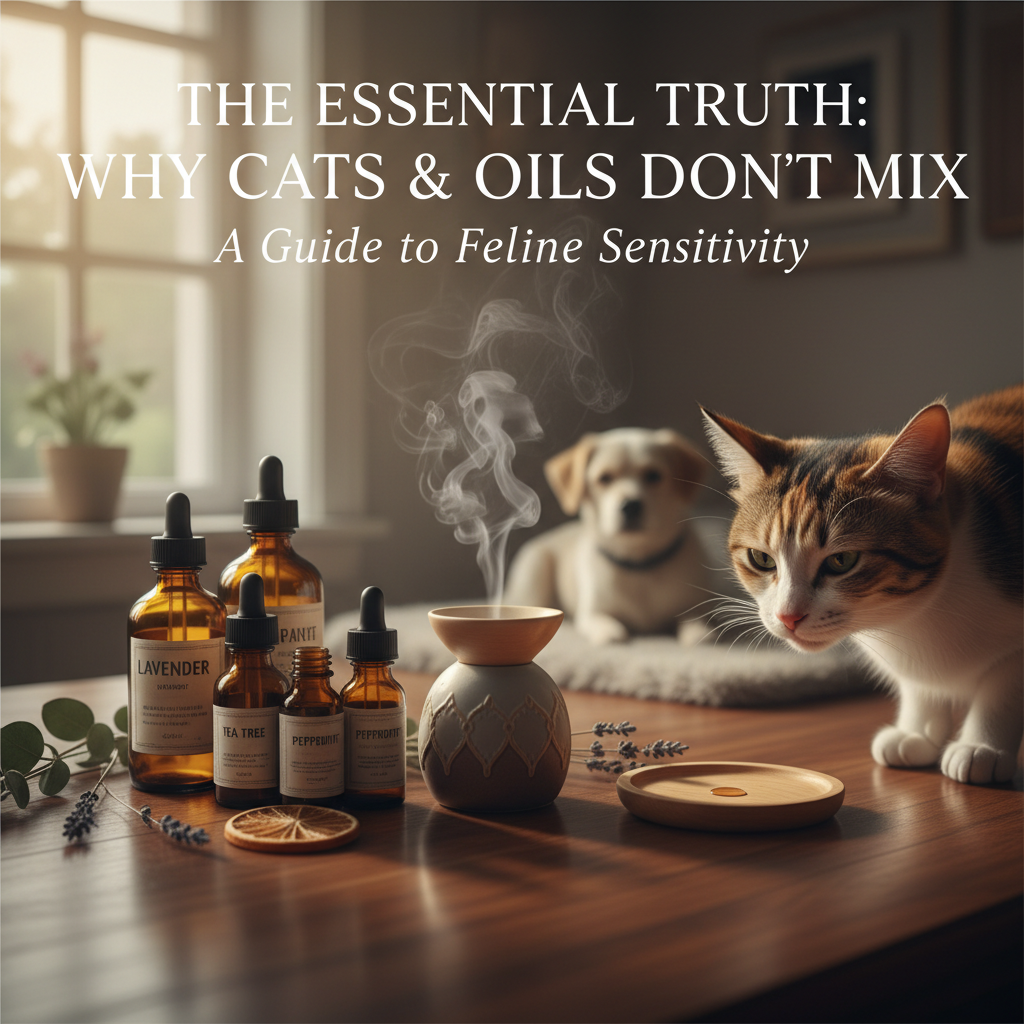
- Myth 8: If a small animal or baby smelled an essential oil briefly, there's no risk. — False. Pets, especially cats and birds, and infants can be sensitive to certain compounds. Cats lack certain metabolic pathways (glucuronidation) and can be harmed by phenolic compounds; birds have very sensitive respiratory systems. Use extreme caution and consult a veterinarian or pediatrician before introducing oils around these populations.
- Myth 9: All "organic" or expensive essential oils are better. — Not necessarily. Organic certification can indicate growing practices but doesn't guarantee chemical composition or therapeutic effect. Price can reflect rarity and harvest practices, but it doesn't always correlate with quality or safety. Evaluate based on documentation, scent profile, and independent tests rather than price alone.
- Myth 10: If it smells the same as another brand, it's identical. — False. Two oils may smell similar but have different chemical profiles and therapeutic actions. A high-quality rose oil differs significantly from synthetic aroma compounds that mimic rose scent. Avoid assuming equivalence by scent alone.
The science — simple explanations of how essential oils work
Understanding the mechanisms clarifies why myths are misleading. Here are the primary mechanisms:
1. Olfactory (smell) pathway and the limbic system
When you inhale an essential oil, volatile molecules bind to olfactory receptors in your nasal cavity. These receptors send signals to the olfactory bulb, which has direct connections to the limbic system — the brain regions that govern emotion, memory, and certain autonomic responses like heart rate and breathing. This is why some scents can rapidly change mood or evoke vivid memories.
Key point: olfactory effects are powerful but subjective. Experimental studies show measurable changes in heart rate, stress hormones, and mood with certain inhaled oils (e.g., lavender for anxiety), but individual responses vary.
2. Topical absorption and transdermal delivery
Essential oil molecules are typically small and lipophilic, allowing them to cross the outer skin barrier (stratum corneum) when properly diluted in a carrier oil. From there they can enter the dermis and reach capillaries, providing localized or systemic effects. Metabolism happens largely in the liver via enzymes (e.g., cytochrome P450s), so people with compromised liver function or taking interacting medications should be cautious.
Key point: skin is an effective route for both therapeutic and adverse effects. Dose matters.
3. In vitro antimicrobial or biochemical activity ≠ clinical cure
Many essential oils show antimicrobial activity in Petri dish studies (in vitro). That demonstrates potential but doesn't mean the oil will safely and effectively treat infections inside the human body. Concentrations that kill microbes in vitro may be too strong for safe topical or systemic use in humans.
4. Phototoxicity and chemical reactivity
Certain compounds in citrus and other oils (furanocoumarins like bergapten) are phototoxic: they sensitize skin to UV light and can cause burns, blisters, or long-term pigmentation changes after sun exposure. Always check whether oils are phototoxic and follow exposure limits.
Practical safety rules — step-by-step guidelines
- Rule 1: Respect dilution standards.
- Common dilution guide (using 30 mL / ~1 fl oz as a baseline):
- 0.5% = 3 drops per 30 mL (for babies, elderly, very sensitive skin)
- 1% = 6 drops per 30 mL (general daily use for sensitive users)
- 2% = 12 drops per 30 mL (typical adult topical for minor complaints)
- 3% = 18 drops per 30 mL (short-term use for stronger topical needs)
- 5–10% = 30–60 drops per 30 mL (only for short-term, localized adult use under guidance)
- Rule 2: Patch test before broader topical use.
- Mix your planned dilution in carrier oil.
- Apply a small amount (pea-sized) to the inner forearm.
- Wait 24–48 hours and check for redness, itching, or swelling.
- If no reaction, proceed with caution. If there is reaction, wash and avoid that oil.
- Rule 3: Avoid prolonged diffusion and provide ventilation. — Diffuse 15–30 minutes on, 30–60 minutes off. Keep rooms ventilated and stop if anyone experiences irritation, dizziness, or headaches.
- Rule 4: Be cautious with children, pregnancy, and pets.
- Children: use very low dilutions (0.25–1% depending on age) and avoid certain oils (e.g., peppermint for infants under 6 months; wintergreen, eucalyptus with high 1,8-cineole in very young children).
- Pregnancy: avoid some oils (e.g., sage, rosemary, clary sage at high doses, pennyroyal) — consult a qualified provider.
- Pets: Cats and birds are particularly sensitive. Avoid diffusing in small rooms where pets are present and never apply some oils directly to animals without veterinary guidance.
- Rule 5: Store oils properly. — Keep in dark glass bottles, away from heat and sunlight, and tightly capped to reduce oxidation. Label with purchase date and use within 1–3 years for most oils (citrus oils oxidize faster; store refrigerated if you want to extend shelf life).
How to choose and verify essential oil quality (a practical checklist)
- Look for batch numbers, harvest years, and botanical names (Latin binomial, e.g., Lavandula angustifolia).
- Ask for full GC-MS reports and interpret them: are all expected constituents present? Are unexpected synthetics present? If you don't read GC-MS, choose companies that provide third-party lab data and transparent sourcing.
- Check country of origin (plants grown in their native regions often have more consistent chemistry).
- Beware claims like "therapeutic grade" or "certified pure" without back-up testing.
- Smell and texture are clues but not proof. A pleasant scent doesn't confirm safety or efficacy.
Practical applications and recipes (safe, tested suggestions)
Below are approachable, safe recipes and step-by-step uses. Use the dilution chart above and always perform a patch test.
Sleep-promoting roller (1% dilution for nightly use)
- Materials: 10 mL glass roller bottle, jojoba or fractionated coconut oil, essential oils: Lavender (Lavandula angustifolia), Cedarwood (Cedrus atlantica), Roman chamomile (Chamaemelum nobile) optional.
- Recipe (1% dilution in 10 mL): 10 mL = ~200 drops base assumption -> 1% = ~2 drops total essential oil. Safer practical approach: 2 drops Lavender + 1 drop Cedarwood in 10 mL carrier = ~1.5% which is still gentle. For extra caution, use 1 drop lavender only in 10 mL (0.5–1%).
- Instructions: Add oils to bottle, top with carrier, cap, roll to blend. Test a small area on wrist. Apply to chest or wrists before bed. Refill as needed.
Focus inhaler blend (inhaler or diffuser) — non-toxic to most adults
- 3 drops Rosemary (Rosmarinus officinalis) – for cognitive alertness (avoid high-dose rosemary in pregnancy).
- 2 drops Sweet orange (Citrus sinensis) – uplifting.
- 3 drops Peppermint (Mentha piperita) – stimulating (avoid with young children).
- Diffusion: 3–5 drops in 100 mL water for 15–20 minutes. Inhaler: put blended drops on cotton wick, use for short sniffing sessions.
Gentle congestion steam inhalation
- Boil water and pour into a heat-safe bowl.
- Add 2 drops of Eucalyptus radiata or 1 drop of Tea tree (Melaleuca alternifolia) diluted on a teaspoon of carrier oil (or use 1–2 drops eucalyptus directly over steam).
- Lean over (not too close) with towel to trap steam; inhale gently for 5–10 minutes. Keep time and temperature comfortable. Not for infants or those with reactive airways without professional advice.
Natural all-purpose cleaner (pet & family-safe version)
- 1 cup distilled water
- 1 cup white vinegar (or 1 cup water + 1/4 cup alcohol if avoiding vinegar odor)
- 15 drops lemon essential oil (Citrus limon) or 10 drops lemon + 5 drops lavender
- Mix in a spray bottle. Test on small area first. Avoid use on natural stone like marble (acidic).
Note: Some recommend tea tree for antimicrobial effects, but tea tree has safety concerns for pets and young children. Lemon is milder; it's better for general surface cleaning rather than claiming sterilization.
Adulteration, GC-MS, and what those lab reports actually tell you
GC-MS is the analytical workhorse for essential oil chemistry. It separates and identifies volatile compounds. A full GC-MS report can help detect common adulterations (e.g., addition of synthetic linalool, adulterated citrus with bergamot oil, or dilution with carrier oils). But:
- GC-MS requires expert interpretation. Peaks need context: expected chemotypes, geographic variation, and adulteration patterns.
- Some adulteration techniques mimic GC-MS profiles (e.g., blending other natural oils that mimic a profile). Independent, third-party labs and multiple tests increase confidence.
- GC-MS doesn’t measure microbial contamination or pesticide residues — other tests are needed for that.
Massive FAQ — your essential oil questions answered
Q: What does "therapeutic grade" mean?
A: Nothing legally standardized. It's a marketing term. Look for transparent sourcing, batch numbers, and third-party lab results instead.
Q: Can I ingest essential oils safely?
A: Ingesting essential oils is risky. Some clinicians use internal dosing under medical supervision for specific, time-limited purposes. Over-the-counter or DIY internal use can cause GI upset, liver toxicity, and drug interactions. Consult a qualified practitioner before ingesting.
Q: Are essential oils safe for babies?
A: Use extreme caution. Infants have immature metabolism and respiratory systems. Many practitioners advise avoiding direct diffusion around babies, using very low dilutions (0.25–0.5%) and specific oils only with pediatric guidance.
Q: What are phototoxic oils?
A: Oils containing furanocoumarins (bergapten, e.g., bergamot, lime, cold-pressed lemon, angelica) can cause severe sun sensitivity. Avoid sun exposure after topical application as directed (often 12–48 hours) or use non-phototoxic (distilled or "FCF" bergamot) alternatives.
Q: Are "fragrance oils" the same as essential oils?
A: No. Fragrance or perfume oils are synthetic or blended aroma compounds designed to mimic scents; they may contain phthalates or synthetic chemicals that have different safety profiles.
Q: How long do essential oils last?
A: Shelf life varies: citrus oils ~1–2 years, most others 2–4 years, some woody resins longer. Store in dark glass, cool, and sealed. Oxidized oils smell sharp and are more likely to irritate skin.
Q: Can essential oils interact with medications?
A: Yes. Some oils can affect liver enzymes (CYP450), altering medication metabolism. If you take prescription medicines, check with a pharmacist or clinician before significant topical or internal use.
Q: Is more oil better for faster results?
A: No. Higher doses increase risk without guaranteed better outcomes. Use recommended dilutions and observe effects.
Q: Are there essential oils all pets should avoid?
A: Cats: avoid tea tree, clove, cinnamon, citrus in concentrated forms, and oils with phenolics. Birds: avoid diffusion in enclosed spaces. Dogs: some oils like tea tree can be toxic topically if diluted incorrectly. Always consult your veterinarian.
Q: How should I test for a skin reaction?
A: Use the patch test: apply diluted oil to inner forearm, wait 24–48 hours. If irritation occurs, wash and avoid that oil or chemotype.
Q: How can I tell if an oil is adulterated?
A: Signs: unusual scent, extremely low price, lack of botanical name or batch info, no lab reports. The only reliable method is proper lab analysis (GC-MS) by a reputable lab.
Q: Can essential oils cause allergic sensitization?
A: Yes. Repeated skin exposure can sensitize some people, causing allergic contact dermatitis. Use proper dilutions, rotate oils, and avoid daily use of the same oil on large skin areas.
Q: Is diffusing essential oils effective for disinfecting air?
A: No. While some oils reduce microbial counts in lab experiments, diffusers are not a substitute for evidence-based cleaning and air-handling systems for infection control. Diffusion may help perceived cleanliness and mood but shouldn't replace proven infection control measures.
Q: Should I refrigerate citrus essential oils?
A: Refrigeration can extend shelf life and slow oxidation. If you refrigerate, allow the bottle to return to room temperature before opening to avoid condensation.
Q: Can essential oils help anxiety or sleep?
A: Some evidence supports mild anxiolytic and sleep-promoting effects for oils like lavender and chamomile via olfactory pathways. Effects are generally modest and individual. They can be a supportive, non-pharmaceutical tool for mild sleep issues.
Q: Are distilled and cold-pressed oils different?
A: Yes. Steam/distilled oils are produced by steam or hydrodistillation (common for lavenders, cedars), while cold-pressed oils (common for citrus) are mechanically expressed. Cold-pressed citrus oils contain higher levels of phototoxic furanocoumarins unless processed to remove them.
Q: How much should I diffuse in a bedroom overnight?
A: Avoid overnight continuous diffusion. If you wish to use scent for sleep, diffuse 15–30 minutes before bed with 3–5 drops in a standard diffuser and allow the scent to taper, or use a very low concentration in a personal inhaler or roller applied to clothing (not skin) if sensitivity is a concern.
Final thoughts — use wisdom, not fear
Essential oils offer delightful aromas and useful supportive effects when used with knowledge and caution. The myths in circulation — about "therapeutic grade" labels, safety of undiluted use, or claims of miracle cures — obscure both realistic benefits and real risks.
Use this guide as your practical checklist: read labels and lab reports, respect dilution and phototoxicity rules, patch test, keep oils away from children and pets unless you have expert guidance, and never substitute essential oils for needed medical care.
By separating marketing hype from scientific reality, you can enjoy aromatherapy safely and effectively — and know when to stop believing the myths.