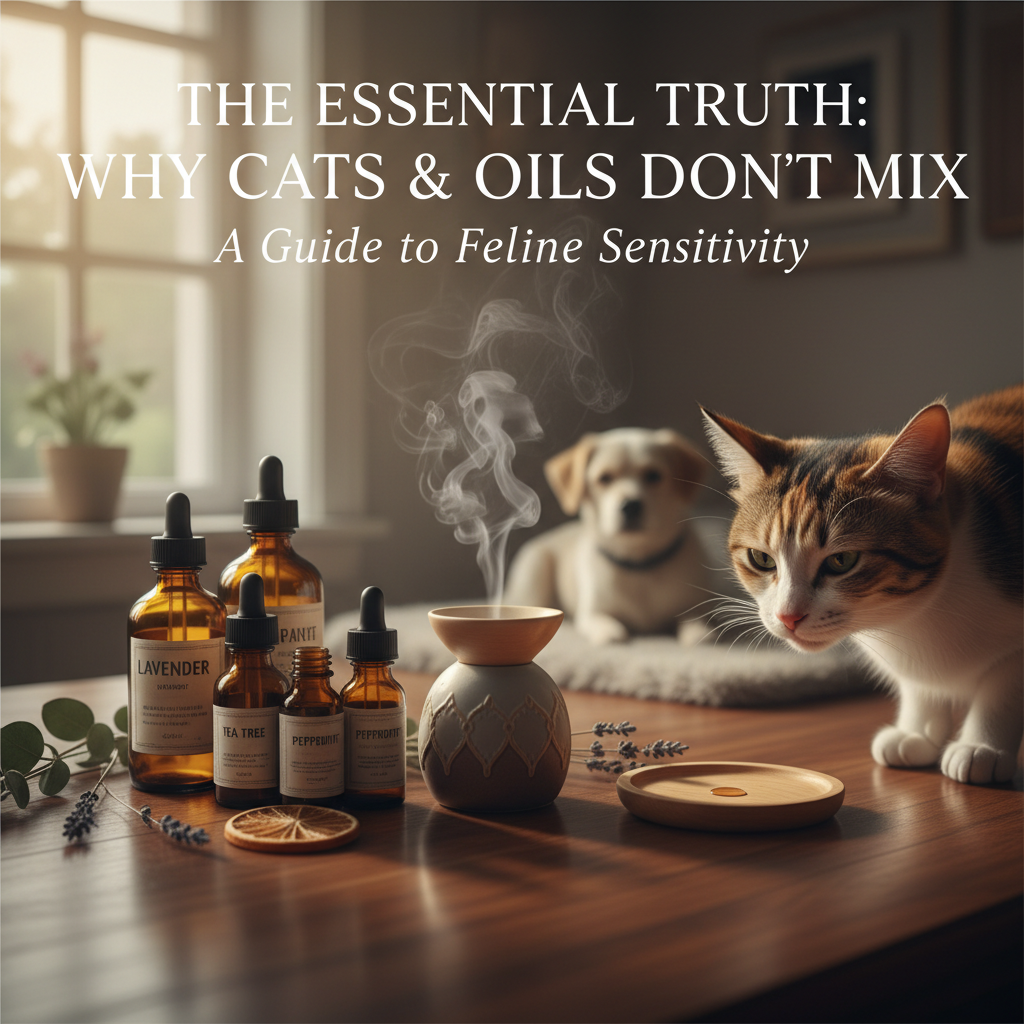
 Why Cats Are More Sensitive to Essential Oils Than Pets
Summary: Essential oils are concentrated plant extracts that can be therapeutic for humans and some animals, but cats are uniquely at risk. This article explains the science behind that sensitivity, how toxins from oils affect cats, safe alternatives, step-by-step safety protocols, practical recipes, emergency procedures, and an extensive FAQ.
Introduction: Why This Matters
Essential oils, diffusers, and natural remedies are everywhere — social media, boutique shops, and wellness blogs promote them for mood, cleaning, and pet care. But cats metabolize chemicals differently than dogs and people. This makes some essential oils disproportionately dangerous to cats even at small doses. If you own or care for cats, understanding the mechanisms, risks, and safe practices is essential to prevent accidental poisoning.
The Big Picture: Why Cats React Differently
Several biological and behavioral factors make cats more sensitive to essential oils than other common pets like dogs or rabbits. The primary reasons are:
- Unique liver metabolism — cats have limited glucuronidation capacity and differences in cytochrome P450 enzymes, which slows detoxification.
- High grooming behavior — topical oils on fur are often ingested during grooming, increasing oral exposure.
- Thin, permeable skin and high skin absorption — some oils penetrate quickly and reach systemic circulation.
- Small body mass — lower body weight means smaller absolute amounts can cause toxic doses.
- Respiratory sensitivity — inhaled volatile compounds can be more concentrated in small enclosed areas, and cats’ rapid breathing and small airways contribute to effects.
- Different enzyme systems — certain toxic components accumulate because cats lack the enzymes humans use to conjugate and eliminate them.
Key Science and Mechanisms Explained Simply
1. Glucuronidation Deficiency (UDP-glucuronosyltransferases)
Glucuronidation is a major hepatic pathway humans, dogs, and many animals use to make many plant compounds water-soluble for excretion. Cats have significantly reduced activity of several UDP-glucuronosyltransferase (UGT) enzymes — particularly those in the UGT1A family. This means phenolic compounds, phenols, and certain ketones found in essential oils are not detoxified efficiently and can accumulate to toxic levels.
2. Cytochrome P450 Differences
Cytochrome P450 enzymes (CYPs) are a large family of liver enzymes that oxidize many xenobiotics. Cats have differing CYP isoforms and activities compared with dogs and humans. Some essential oil constituents require P450-mediated metabolism. If those pathways are slow or different in cats, toxic intermediates can build up, or detoxification can be impaired.
3. Lipophilicity and Accumulation
Many essential oil constituents (e.g., monoterpenes, phenols, sesquiterpenes) are lipophilic. Lipophilic compounds cross membranes easily and can be stored in body fat, prolonging exposure. In small animals like cats, comparatively small doses lead to higher concentrations per kilogram.
4. Routes of Exposure Interaction
Topical exposure → grooming → oral ingestion. Inhalation → immediate mucosal and respiratory absorption. Combined exposures raise systemic burden quickly. A cat that is sprayed with oil and then breathes vapors will have two routes of systemic exposure simultaneously.
Which Essential Oil Constituents Are Most Dangerous to Cats?
Not all oils are equally hazardous, but several common chemical groups and oils are repeatedly implicated in feline toxicity:
- Phenols and Phenolic Compounds (e.g., thymol, carvacrol) — found in thyme and oregano oils; can cause liver damage and neurological signs.
- Monoterpene Hydrocarbons (e.g., limonene, pinene) — common in citrus, pine, and fir oils; can cause dermatitis and gastrointestinal upset.
- Ketones (e.g., camphor, pulegone) — found in rosemary, eucalyptus, and pennyroyal; can be neurotoxic and hepatotoxic.
- Methyl Salicylate (wintergreen oil) — single exposures can be life-threatening due to salicylate toxicity.
- Tea Tree Oil (Melaleuca) — contains terpinen-4-ol and other terpenes; multiple cases of severe toxicity in cats documented even with dermal exposure.
Common Clinical Signs of Essential Oil Toxicity in Cats
Signs depend on the oil, amount, and route of exposure. Watch for:
- Drooling, excessive grooming, or oral irritation
- Vomiting, diarrhea
- Lethargy, depression
- Loss of coordination (ataxia), tremors, seizures
- Respiratory distress, coughing
- Hypothermia or hyperthermia
- Jaundice or dark urine (signs of liver damage)
Real-World Examples and Case Studies
Veterinary toxicology literature and poison control centers report multiple types of cases:
- Tea Tree Oil: Cats licked areas where owners applied tea tree oil (for their own use) and developed ataxia and hypersalivation. Even dilute product applied topically has caused systemic signs in some cats.
- Diffuser Incidents: A house diffuser running for hours in a small apartment produced respiratory irritation and neurological signs in an indoor cat. When the diffuser was turned off and the area ventilated, the cat gradually improved with supportive care.
- Cleaning Products and Citrus: Citrus-scented cleaners containing limonene caused skin irritation and vomiting in cats who walked on recently cleaned surfaces and groomed afterward.
How Much Is Too Much? Doses, Concentration, and Exposure Time
Exact toxic doses vary by compound and individual cat. Key principles:
- Smaller cats require smaller total amounts to reach toxic thresholds.
- Dermal exposure is risky because of grooming — oil on fur equals oral exposure.
- Repeated low-level exposure can lead to accumulation and delayed hepatic injury.
- Inhalation in poorly-ventilated spaces dramatically increases risk.
Practical Guidance: Safe Use of Essential Oils in Homes with Cats
Short answer: Avoid using essential oils around cats whenever possible. If you choose to use them, follow strict precautions.
General Rules
- Do not apply essential oils to a cat’s skin or fur.
- Prefer no diffusion at all. If you must diffuse, ensure the cat cannot access the room, ensure excellent ventilation, and run the diffuser for short sessions only while the cat is out of the house.
- Never let a diffuser run continuously in a small home.
- Store oils securely. Keep them in closed cabinets away from pets and children.
- Read labels carefully. Products labeled "pet-safe" are not guaranteed safe for cats — claims are not always scientifically validated.
How to Diffuse if Absolutely Necessary (Human-Only Rooms)
- Use a low-output diffuser and a very low number of drops (1–2 drops in a standard diffuser reservoir for 10–15 minutes maximum).
- Diffuse only in a room the cat cannot access, or while the cat is outside the home.
- Ventilate immediately after diffusion — open windows and doors to clear residual vapors.
- Choose oils considered lower-risk for inhalation toxicity (but remember, "lower-risk" does NOT mean safe). Examples often cited for lower inhalation risk to humans include diluted lavender or frankincense; still avoid in cat households.
- Monitor your cat carefully for any change in behavior when returning home. If any sign appears, stop use immediately.
Topical Safety (for Humans in Cat Households)
- If you apply essential oils to your skin, avoid pet contact until the oil has fully absorbed and remove clothing that might carry fragrance.
- Wash hands thoroughly after handling essential oils.
- Keep oil-treated clothing or linens away from cats.
Pet-Safe Alternatives and Recipes (No Essential Oils)
Because essential oils present unacceptable risks for many cats, here are safe, effective alternatives and step-by-step pet-safe recipes you can use for calming, cleaning, and odor control.
1. Cat Calming Spray (Hydrosol & Catnip-Based, Safe for Most Cats)
Hydrosols are the water-condensed product from steam distillation and contain much lower concentrations of volatile compounds than essential oils. Use only high-quality hydrosols from reputable suppliers and test a small area first.
Ingredients:
- 1 cup distilled water
- 2 tablespoons chamomile tea (cooled strong infusion) or chamomile hydrosol
- 1 teaspoon catnip infusion (soak dried catnip in hot water for 10–15 minutes, cool and strain)
- Optional: 1/2 teaspoon vegetable glycerin to help mix
Directions:
- Combine distilled water and cooled chamomile infusion in a clean spray bottle.
- Add catnip infusion and glycerin, shake to mix.
- Spray a light mist in the room away from the cat’s face and bedding. Do not spray directly on the cat unless directed by a veterinarian familiar with herbal treatments.
2. Odor Neutralizer (Baking Soda + Sachets)
Ingredients:
- 1 cup baking soda
- Cheesecloth or breathable sachet
Directions:
- Fill a sachet with baking soda and place in litter areas or closets to absorb odors.
- Replace every 2–4 weeks.
3. Pheromone-Based Calming Options
Synthetic feline facial pheromones such as Feliway can reduce stress, spraying, and travel anxiety. These are tested for cats and widely recommended by veterinarians as a safe alternative to essential oils.
Emergency Steps if You Suspect Essential Oil Exposure
Time matters. Act quickly and calmly.
- Stop exposure: Remove the source. Turn off diffusers, remove sprayed materials, and move the cat to fresh air.
- Assess and protect: If oil is on the cat, avoid extensive petting (which spreads oil). Wear gloves if possible.
- Decontaminate if necessary: Gently wipe areas with a mild, pet-safe detergent (e.g., dish soap) and lukewarm water to remove topical oil. Avoid scrubbing. Seek veterinary advice before bathing an unstable cat.
- Do NOT induce vomiting at home unless instructed by a veterinary professional.
- Contact your veterinarian or the ASPCA Animal Poison Control Center (APCC): 888-426-4435 (US) or your local emergency vet immediately.
- Bring the oil container: Take the product label to the clinic to help identify toxic constituents and decide treatment.
Treatment Approaches Used by Veterinarians
Treatment varies by severity but may include:
- Supportive care (IV fluids, oxygen if respiratory distress)
- Activated charcoal for certain ingestions if appropriate and judged by a vet
- Medications to control seizures or tremors
- Gastroprotectants and liver support if hepatotoxic compounds suspected
- Monitoring bloodwork (liver enzymes, blood chemistry) for delayed effects
Regulatory and Labeling Realities
Labels like "natural," "organic," or "pet-friendly" are not regulated uniformly globally. Marketing claims do not replace veterinary safety data, especially for cats. Always question sweeping safety claims and consult evidence-based resources or your veterinarian.
How to Evaluate Product Safety Claims and Research
- Look for peer-reviewed literature or veterinary toxicology case reports for the specific oil.
- Check poison control databases (APCC, Pet Poison Helpline) for anecdotal and case data.
- Consult a veterinarian experienced in toxicology before trying new products around cats.
Extensive FAQ — Everything Pet Owners Search For
Q: Are any essential oils safe for cats?
A: No essential oil can be guaranteed safe for all cats in all exposures. Some oils are lower risk in highly diluted, controlled human-only use, but because cats can be exposed accidentally via grooming or shared airspace, the safest approach is to avoid using essential oils around cats.
Q: Is lavender safe for cats?
A: Lavender is often touted as a mild oil, but it contains linalool and other compounds that cats cannot always metabolize well. There are reports of lavender-associated toxicity in cats. Avoid use around cats; choose hydrosols or other alternatives if necessary.
Q: Is tea tree oil toxic to cats?
A: Yes. Tea tree oil (Melaleuca) is one of the most commonly reported essential oils causing toxicity in cats. Dermal exposure, ingestion, and inhalation have all led to neurological signs and other systemic illness.
Q: Can I diffuse essential oils while my cat is in another room?
A: Diffusing in another room reduces but does not eliminate the risk — vapor can travel through HVAC systems and doorways. If you diffuse, ensure the cat has no access to the room, keep sessions short, use very low amounts, and ventilate immediately after. Consider not diffusing at all if you have an indoor cat.
Q: What should I do if my cat licks essential oil from its fur?
A: Immediately remove the source, gently wipe excess oil with a pet-safe wipe or mild dish soap and lukewarm water (if safe to handle the cat), avoid extensive spreading, and contact your veterinarian or poison control center. Do not induce vomiting unless instructed by veterinary professionals.
Q: Are citrus oils bad for cats?
A: Citrus oils contain limonene and related monoterpenes that can cause dermatitis and, with sustained exposure, systemic effects. Many citrus-based cleaners have caused accidental exposures.
Q: My friend says "my cat is fine with essential oils" — is that proof they’re safe?
A: One anecdote does not equal safety. Cats vary in size, genetics, and exposure. A cat that appears unaffected may still have low-level liver stress or be at risk in future exposures. Err on the side of caution.
Q: Where can I find reliable information?
A: Trusted sources include the ASPCA Animal Poison Control Center, the Pet Poison Helpline, peer-reviewed veterinary toxicology journals, and your licensed veterinarian.
Q: Can essential oils be used therapeutically for cats under veterinary supervision?
A: In some very limited, research-backed situations, a veterinarian experienced in integrative medicine may recommend specific, extremely dilute botanical preparations or therapies. This must be under strict veterinary guidance and with fully informed risk/benefit analysis.
Q: Are hydrosols or flower waters safe?
A: Hydrosols are generally much less concentrated than essential oils and are often safer. However, they are not risk-free. Use certified hydrosols from reputable suppliers, start with small amounts, and watch the cat closely for reactions.
Q: Can I use diffuser blends marketed "for pets"?
A: Be skeptical. Many "pet-safe" blends are marketed without rigorous testing on cats. Check ingredient lists: if they contain oils known to be harmful (tea tree, eucalyptus, wintergreen, citrus, etc.), avoid them entirely.
Q: How long do toxic effects last?
A: Effects can be immediate (minutes to hours) or delayed (hours to days) depending on the compound. Lipophilic compounds can persist, and liver damage may appear days after exposure. Veterinary monitoring is sometimes required for 24–72 hours or more.
Closing: Best Practice Checklist
- Avoid essential oils in households with cats whenever possible.
- If you must use oils, do so only in cat-free, well-ventilated spaces for brief periods.
- Never apply essential oils to cats.
- Store all oils securely and read labels carefully.
- Have emergency contacts (your vet, local emergency clinic, APCC) posted and accessible.
- Prioritize evidence-based, veterinarian-approved alternatives like pheromone diffusers, hydrosols used cautiously, catnip, and environmental enrichment.
Further Reading and Resources
For more in-depth scientific reading, consult veterinary toxicology journals, the ASPCA Animal Poison Control Center, Pet Poison Helpline case reports, and veterinary pharmacology texts on feline hepatic metabolism and glucuronidation.
Final note: The desire to use natural remedies for pet comfort is understandable. But "natural" does not always equal safe — especially for cats, whose unique physiology makes them far more vulnerable than dogs or humans to certain plant-derived compounds. When in doubt, ask a veterinarian first and prioritize safer alternatives.
Oils & Products MentionedShopthymolShop NowcarvacrolShop NowlimoneneShop NowpineneShop NowcamphorShop NowpulegoneShop Nowmethyl salicylateShop Nowtea tree oilShop Now
Oils & Products MentionedShopthymolShop NowcarvacrolShop NowlimoneneShop NowpineneShop NowcamphorShop NowpulegoneShop Nowmethyl salicylateShop Nowtea tree oilShop Now