DIY Luxury Deep Nourishing Gel Hand Sanitizer Recipe
This recipe helps you create a premium hand sanitizer with deep nourishment for your skin.
Benefits & What to Expect
Benefits & What to Expect
Creating your own DIY Luxury Deep Nourishing Gel Hand Sanitizer not only offers you a premium hygiene solution but also ensures that your skin is left feeling soft, nourished, and pampered rather than dry and irritated. Let's explore the benefits of this recipe, including its purpose, ingredient breakdown, possible usage scenarios, and essential safety tips.
What is This Recipe Good For?
Purpose and Who It Helps
This recipe serves as an effective hand sanitizer while delivering nourishing ingredients that support skin health. Ideal for individuals concerned with hand hygiene who frequently wash their hands or use sanitizers—such as healthcare workers, teachers, parents, and anyone on the go—this gel provides an additional layer of skin care to mitigate dryness commonly associated with alcohol-based sanitizers.
Ingredient Breakdown
Each component contributes to both the efficacy of the sanitizer and the nourishment of your skin:
- 99% Isopropyl Alcohol (21.33 oz): The core antiseptic agent that effectively reduces germs when used appropriately.
- Organic Aloe Vera Gel (6.67 oz): Known for its soothing and hydrating properties, this ingredient helps prevent skin irritation.
- Carbomer 940 (0.67 oz): A thickening agent that improves texture and application ease.
- Triethanolamine (TEA) (0.33 oz): Helps to balance pH and stabilize the formula.
- Vegetable Glycerin (1.33 oz): A humectant that attracts moisture to the skin, promoting hydration.
- Hyaluronic Acid (powder) (0.67 oz): A powerful moisturizer that helps retain skin moisture.
- Jojoba Oil (0.67 oz): A natural oil that nourishes and softens the skin.
- Vitamin E Oil (0.33 oz): An antioxidant that supports skin health and healing.
- Additional ingredients like panthenate (B5), allantoin, and various essential oils add further skin benefits and pleasant aromas.
Usage Scenarios and Practical Tips
To use your hand sanitizer, dispense a quarter-sized amount into your palm and rub thoroughly, ensuring every part of your hands, including between fingers and around nails, is coated. Continue rubbing until dry, which allows the alcohol effective contact time with germs.
Consider using this gel:
- After returning home, before meals, or when in public settings.
- As part of a skincare routine to maintain moisture after frequent hand washing.
Results Timeline
Upon consistent use, expect immediate benefits of cleaner hands and increased skin hydration. Over time, with the nourishing ingredients in the gel, you may notice an overall improvement in skin texture and reduced dryness compared to standard hand sanitizers.
Safety and Dilution Guidance
Safety is paramount when preparing and using your hand sanitizer. Here are crucial safety guidelines to follow:
- Wear Protective Gear: Always use nitrile gloves and splash-proof goggles to avoid skin or eye irritation when handling isopropyl alcohol and essential oils.
- Work in a Safe Environment: Ensure you are working away from flames and ignition sources as isopropyl alcohol is highly flammable.
- Patch Test: Before applying the sanitizer broadly, perform a patch test to check for skin sensitivity or allergic reactions to any ingredient.
- Check Alcohol Content: To be effective, your final sanitizer should contain at least 60% alcohol—ensure measurements are accurate throughout the mixing process.
Creating your own hand sanitizer can be a fulfilling and rewarding experience, offering not just functionality but also the luxury of skincare. Utilize the recipe responsibly and enjoy the blend of safety and nourishment!
How to Use
Dispense a quarter-sized amount into your palm. Rub thoroughly, covering every part of your hands, including between fingers and around nails. Continue rubbing until the gel fully dries—this ensures the alcohol has enough contact time to effectively reduce microbes.
Original Recipe (below is the converted recipe into different container sizes)
- 21.25 oz99% Isopropyl Alcohol
- 6.75 ozOrganic Aloe Vera Gel
- 0.75 ozCarbomer 940
- 0.25 ozTriethanolamine (TEA)
- 1.25 ozVegetable Glycerin
- 0.75 ozHyaluronic Acid (powder)
- 0.75 ozJojoba Oil
- 0.25 ozVitamin E Oil
- 0.25 ozPanthenate (B5)
- 0.25 ozAllantoin
- 1.5 mlLavender Essential Oil
- 1 mlChamomile Essential Oil
- 0.75 mlHelichrysum Essential Oil
- 0.75 mlFrankincense Serrata Essential Oil
- 0.5 mlSandalwood Australian Essential Oil
Equipment
Instructions
- 1
Wipe all surfaces with a disinfectant or isopropyl alcohol.
- 2
Clean tools with hot water, then allow them to air-dry or pat them dry with a clean towel.
- 3
Lay out fresh paper towels on the counter to place your clean tools and bowls.
- 4
Group them by phase: Base Components, Thickening System, Nourishing Complex, and Essential Oils.
- 5
Ensure all ingredients are at room temperature.
- 6
Put on your nitrile gloves, safety goggles, and ensure your hair is secured.
- 7
Keep paper towels or a clean cloth handy for any spills.
- 8
Using your glass measuring cup, pour the exact amount of 99% isopropyl alcohol.
- 9
Keep it away from any heat sources.
- 10
Carefully measure the pure aloe vera gel.
- 11
Pour it into the mixing bowl containing the alcohol, stirring gently with a glass rod to minimize bubbles.
- 12
Stir slowly and in one direction, helping the aloe vera gel to disperse evenly in the alcohol.
- 13
You’re aiming for a clear or slightly translucent mixture.
- 14
Using a sifter or simply sprinkling slowly, add the Carbomer 940 powder across the surface.
- 15
Avoid dumping it all in one spot; clumps can be stubborn to break up.
- 16
Begin whisking gently.
- 17
As the carbomer starts to absorb the liquid, you’ll notice some thickening.
- 18
Add TEA dropwise while whisking.
- 19
The gel will become more structured and cohesive.
- 20
Check the texture: The goal is a stable gel that is not too runny.
- 21
Pour glycerin slowly while stirring.
- 22
This ensures even distribution and reduces the chance of lumps.
- 23
Sprinkle in the hyaluronic acid powder.
- 24
Whisk thoroughly to help it dissolve and hydrate.
- 25
Hyaluronic acid may take a few minutes to fully absorb the liquid.
- 26
Add jojoba oil in a thin stream, mixing as you go.
- 27
Follow with vitamin E.
- 28
The mixture may loosen slightly, but continue whisking until it reincorporates into a smooth gel.
- 29
Stir in panthenate (B5) and allantoin.
- 30
Whisk gently but thoroughly, ensuring there are no visible particles.
- 31
At this stage, you’ll notice the gel becoming luxurious to the touch.
- 32
Count out lavender drops. Stir briefly.
- 33
Follow with German chamomile drops. Stir again.
- 34
The aroma will begin to develop; lavender and chamomile offer a calming floral note.
- 35
Add helichrysum and frankincense serrata.
- 36
Stir gently to distribute.
- 37
You might detect deeper, resinous notes layering into the aroma.
- 38
Introduce the sandalwood drops last.
- 39
Give the mixture one final, thorough blend.
- 40
Let the mixture rest for a minute or two, allowing the essential oils to “marry.”
- 41
The gel should feel smooth and non-sticky when you rub a small amount between your fingers.
- 42
If it’s too thick, add a small amount of alcohol. If too thin, sprinkle a tiny bit more carbomer and whisk.
- 43
Smell the final product. You’re looking for a balanced, pleasant aroma.
- 44
If the fragrance is too strong, let it settle; essential oils often diffuse over time.
- 45
Check for any lumps or particles.
- 46
Ensure there’s no separation of oils on the surface.
- 47
Clean and dry your bottles (glass or PET plastic).
- 48
Ensure caps are functioning (flip-top or pump-style, depending on preference).
- 49
Use the small funnel to transfer your gel into each bottle.
- 50
Fill to the bottle’s shoulder to prevent overflows.
- 51
Cap the bottles tightly.
- 52
Label each bottle with the date, ingredients, and batch number.
- 53
Store in a cool, dark place.
Scaled Ingredients
2 oz to 8 oz
| Ingredient | 2 oz | 4 oz | 8 oz |
|---|---|---|---|
| 99% Isopropyl Alcohol | 1.25 oz | 2.5 oz | 5.25 oz |
| Organic Aloe Vera Gel | 0.5 oz | 0.75 oz | 1.75 oz |
| Carbomer 940 | 0.0410386 oz | 0.0820773 oz | 0.25 oz |
| Triethanolamine (TEA) | 0.0202131 oz | 0.0404261 oz | 0.0808522 oz |
| Vegetable Glycerin | 0.0814647 oz | 0.25 oz | 0.25 oz |
| Hyaluronic Acid (powder) | 0.0410386 oz | 0.0820773 oz | 0.25 oz |
| Jojoba Oil | 0.0410386 oz | 0.0820773 oz | 0.25 oz |
| Vitamin E Oil | 0.0202131 oz | 0.0404261 oz | 0.0808522 oz |
| Panthenate (B5) | 0.0202131 oz | 0.0404261 oz | 0.0808522 oz |
| Allantoin | 0.0104128 oz | 0.0208256 oz | 0.0416511 oz |
| Lavender Essential Oil | 0.0918775 ml | 0.25 ml | 0.25 ml |
| Chamomile Essential Oil | 0.0612517 ml | 0.122503 ml | 0.25 ml |
| Helichrysum Essential Oil | 0.0459388 ml | 0.0918775 ml | 0.25 ml |
| Frankincense Serrata Essential Oil | 0.0459388 ml | 0.0918775 ml | 0.25 ml |
| Sandalwood Australian Essential Oil | 0.0306258 ml | 0.0612517 ml | 0.122503 ml |
16 oz to 128 oz
| Ingredient | 16 oz | 32 oz | 64 oz | 128 oz |
|---|---|---|---|---|
| 99% Isopropyl Alcohol | 10.5 oz | 21 oz | 41.75 oz | 83.5 oz |
| Organic Aloe Vera Gel | 3.25 oz | 6.5 oz | 13 oz | 26.25 oz |
| Carbomer 940 | 0.25 oz | 0.75 oz | 1.25 oz | 2.75 oz |
| Triethanolamine (TEA) | 0.25 oz | 0.25 oz | 0.75 oz | 1.25 oz |
| Vegetable Glycerin | 0.75 oz | 1.25 oz | 2.5 oz | 5.25 oz |
| Hyaluronic Acid (powder) | 0.25 oz | 0.75 oz | 1.25 oz | 2.75 oz |
| Jojoba Oil | 0.25 oz | 0.75 oz | 1.25 oz | 2.75 oz |
| Vitamin E Oil | 0.25 oz | 0.25 oz | 0.75 oz | 1.25 oz |
| Panthenate (B5) | 0.25 oz | 0.25 oz | 0.75 oz | 1.25 oz |
| Allantoin | 0.0833023 oz | 0.25 oz | 0.25 oz | 0.75 oz |
| Lavender Essential Oil | 0.75 ml | 1.5 ml | 3 ml | 6 ml |
| Chamomile Essential Oil | 0.5 ml | 1 ml | 2 ml | 4 ml |
| Helichrysum Essential Oil | 0.25 ml | 0.75 ml | 1.5 ml | 3 ml |
| Frankincense Serrata Essential Oil | 0.25 ml | 0.75 ml | 1.5 ml | 3 ml |
| Sandalwood Australian Essential Oil | 0.25 ml | 0.5 ml | 1 ml | 2 ml |
Looking for something else?
Essential Oils Used
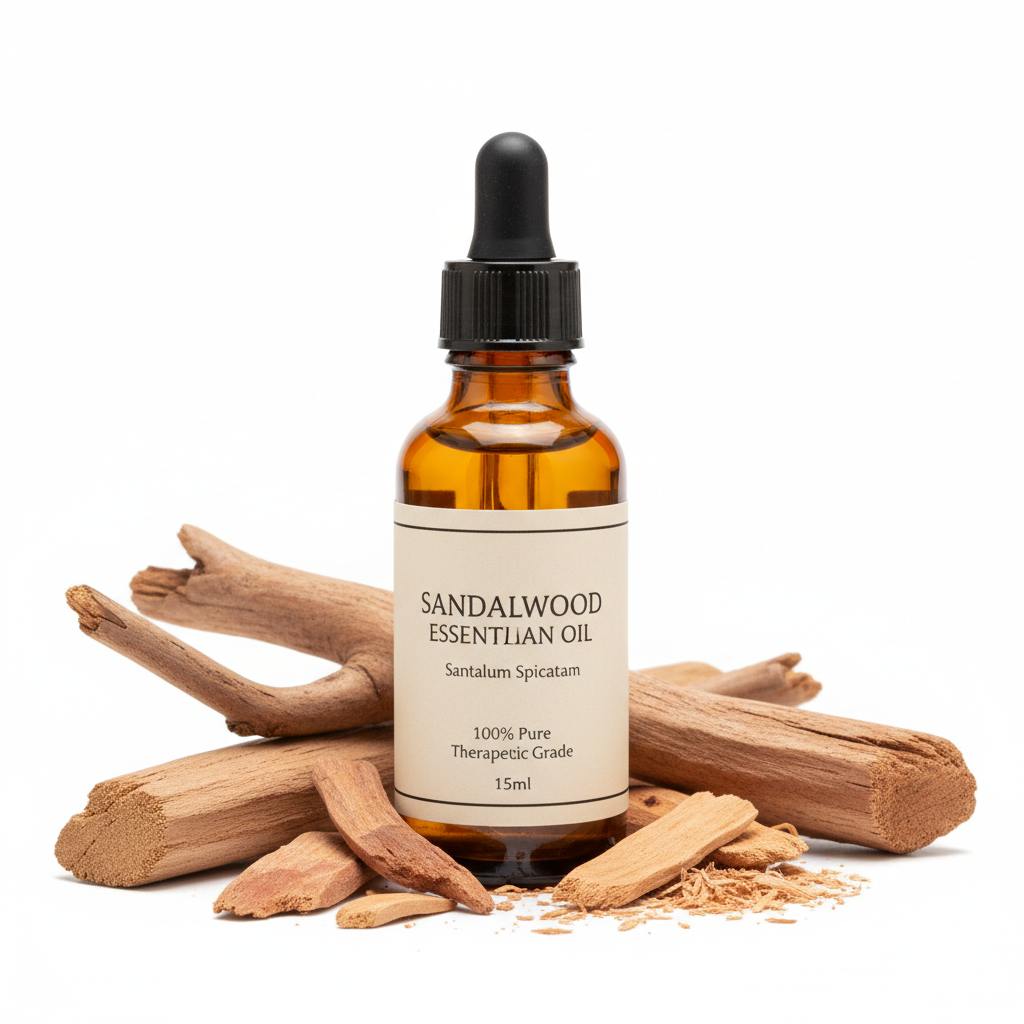
Sandalwood Australian Essential Oil
Santalum spicatum
**Australian Sandalwood Essential Oil: Uncovering Its Rich Heritage and Benefits** Australian Sandalwood Essential Oil is derived from the heartwood of the *Santalum spicatum* tree, an evergreen native to the southern regions of Australia. This exceptional wood has been harvested for centuries, valued for its deep, woody aroma and myriad therapeutic properties. The oil is produced through a careful steam distillation process, which ensures that its rich and distinctive scent is preserved along with its beneficial compounds. **Botanical Information** The *Santalum spicatum* tree can grow up to 10 meters in height and is characterized by its dense foliage and yellow flowers. Interestingly, sandalwood trees are hemiparasitic, feeding on their host plants' roots, which contributes to the complex aromatic profile of the oil. This species is considered endangered due to overharvesting, which has led to strict regulations surrounding its cultivation and trade. **Therapeutic Properties** Australian Sandalwood Essential Oil is renowned for its calming effects on the mind and body. It is known to promote emotional stability, offering a sense of grounding and tranquility during stressful times. Studies have shown that sandalwood oil may significantly reduce anxiety and enhance mood, making it an excellent choice for aromatherapy practices focusing on emotional well-being. In addition to its psychological benefits, this oil supports respiratory health. When inhaled during meditation or deep-breathing exercises, it can ease feelings of tightness in the chest and promote clearer breathing. Furthermore, sandalwood oil is believed to have anti-inflammatory properties that may assist in calming muscle tension, rendering it an excellent choice for topical applications in massages. **Historical Significance** The use of sandalwood dates back thousands of years, often employed in traditional medicine, rituals, and perfumery across various cultures. Ancient Egyptians utilized sandalwood in their embalming practices, while in India, it has been integral to Ayurvedic treatments. Emperors and royalty have long considered sandalwood a symbol of wealth, further enhancing its desirability. **Scientific Research** Numerous studies reveal that sandalwood oil possesses a variety of chemical constituents that contribute to its effectiveness. Key compounds such as alpha-santalol and beta-santalol have been identified as major components that exhibit anti-inflammatory and antimicrobial properties. These findings support the traditional uses of sandalwood oil for skin health, showing potential in reducing the appearance of scars, blemishes, and signs of aging. **Aroma Profile** Australian Sandalwood Essential Oil is characterized by its rich, creamy, woody scent, which has a subtle sweetness. The aroma is grounding and calming, making it a favorite choice for meditation and spiritual practices. The lasting scent of sandalwood has made it a popular base note in perfumery, often blended with floral and spicy notes to create balanced fragrance profiles. **Common Applications** This essential oil can be used in numerous ways. In aromatherapy, a few drops can be added to a diffuser to create a peaceful environment. It can also be applied topically in diluted forms, as it promotes healthy skin hydration and suppleness, contributing to an overall radiant complexion. Try adding a few drops to your bath or carrier oil for a soothing massage experience, or incorporate it into skincare formulations for enhanced skin health. **Interesting Facts** Did you know that sandalwood can help in promoting better sleep? Many users report improved sleep quality due to its calming effects. Additionally, the oil's association with spirituality can enhance your meditation sessions, as it helps maintain focus and encourages a deeper state of relaxation. Overall, Australian Sandalwood Essential Oil offers a wealth of benefits, enhancing not only physical well-being but also fostering emotional balance and mental peace. With its rich history and extensive therapeutic uses, this oil is certainly a valuable addition to any essential oil collection.
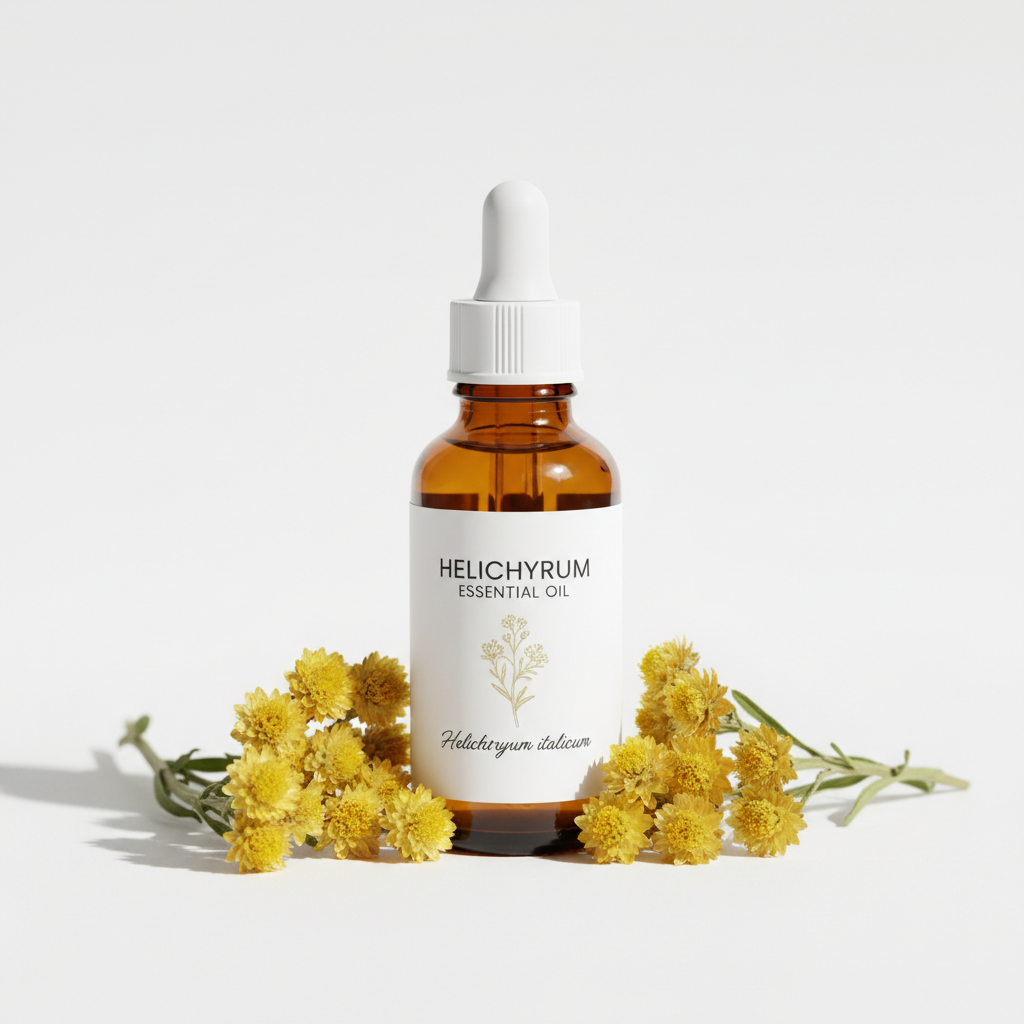
Helichrysum Essential Oil
Helichrysum italicum
## Understanding Helichrysum Essential Oil ### Origin and Extraction Method Helichrysum essential oil is derived from the bright yellow flowers of the Helichrysum italicum plant, commonly known as "immortelle" or "everlasting." This plant is native to the Mediterranean regions, thriving in sunny, dry environments. The extraction of the oil is performed through a method called steam distillation, which preserves the delicate properties of the plant while yielding a potent essential oil that is highly valued in both aromatherapy and holistic health practices. ### Botanical Information The Helichrysum italicum plant belongs to the Asteraceae family, characterized by its small, daisy-like flowers. The botanical profile of this plant reveals a wealth of healing compounds, including various flavonoids, monoterpenes, and sesquiterpenes, making it a powerful ally in natural healing. ### Therapeutic Properties and Benefits Helichrysum essential oil is renowned for its exceptional healing qualities and is a staple in aromatherapy. Its therapeutic properties include: - **Anti-Inflammatory**: It is effective in reducing inflammation, making it beneficial for conditions such as arthritis, muscle soreness, and bruising. - **Regenerative**: Known for promoting skin health, it aids in wound healing, reduces the appearance of scars, and soothes skin irritations like eczema and psoriasis. - **Calming Effects**: The oil promotes relaxation and helps reduce stress and anxiety, making it ideal for soothing the mind during meditation practices. - **Uplifting**: The uplifting aroma can elevate mood and foster emotional well-being, often used to alleviate sadness and feelings of discouragement. - **Respiratory Support**: Helichrysum essential oil can ease respiratory congestion, providing relief during cold spells and promoting clearer breathing. ### Historical and Traditional Uses Historically, Helichrysum has been used by ancient civilizations in Europe and the Mediterranean for its restorative properties. Traditional healers utilized it to treat various ailments, including wounds and skin issues, and it was often applied to the skin for its regenerative benefits. Its lasting nature and potent aroma made it a treasured component in perfumery and rituals. ### Scientific Facts and Research Recent scientific studies have begun to explore the medicinal properties of Helichrysum essential oil. Research has highlighted its potential in combating inflammation and supporting skin regeneration. For instance, a study published in the *Journal of Ethnopharmacology* discussed its ability to stimulate skin cell regeneration, making it a promising candidate for cosmetic applications. ### Aroma Profile and Characteristics Helichrysum essential oil has a unique and complex aroma, combining sweet, herbaceous, and slightly floral notes. This multifaceted scent profile makes it a favored ingredient in aromatherapy blends, enhancing emotional balance and creating a serene atmosphere for relaxation. ### Common Applications and Methods There are various ways to use Helichrysum essential oil: - **Topical Applications**: Dilute the essential oil with a carrier oil and apply it to the skin to help with healing, inflammation, or skin rejuvenation. - **Aromatherapy**: Use in a diffuser to benefit from its calming and mood-lifting properties. - **Massage**: Incorporate into massage oils for relieving muscle soreness and enhancing relaxation. ### Interesting Facts and Trivia 1. Helichrysum is nicknamed "immortelle" due to its long-lasting flowers that retain their vibrant color even when dried. 2. The oil is extremely concentrated, and only a small amount is needed for effective results—making it a cost-effective addition to your essential oil collection. 3. Helichrysum oil's regenerative properties have earned it a prominent place in skincare formulations, often promoted for anti-aging benefits. ### Conclusion Helichrysum essential oil is a remarkable natural remedy with a rich history and a broad spectrum of benefits. From skincare to emotional wellness, its versatility makes it a valuable addition to any aromatherapy collection. Whether you're looking to heal your skin or ground your spirit, this essential oil offers potent, natural solutions.
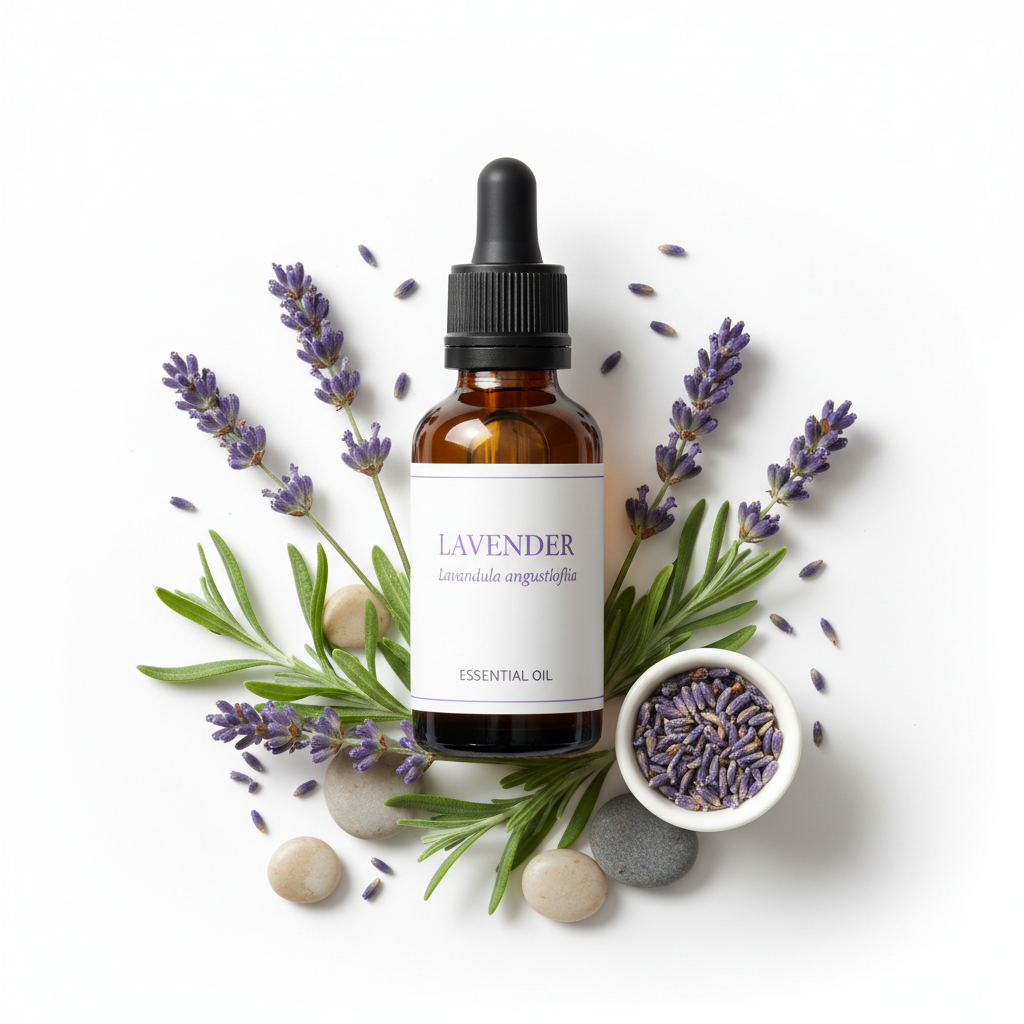
Lavender Essential Oil
Lavandula angustifolia
## Lavender Essential Oil: A Comprehensive Guide Lavender essential oil, extracted from the lavender plant (Lavandula angustifolia), is one of the most well-known and widely used essential oils today. It is celebrated for its relaxing properties and a range of therapeutic benefits that promote mental, emotional, and physical well-being. ### Origin and Extraction Method Lavender is native to the Mediterranean region, especially in areas of France, Italy, and Spain, where it flourishes in dry, sunny climates. The oil is obtained through steam distillation of the delicate flowering tops of the lavender plant. This method preserves the oil's delicate chemical composition, fostering its aromatic and therapeutic qualities, making it a staple in aromatherapy and natural health practices. ### Botanical Information Lavandula angustifolia, commonly known as true lavender, belongs to the Lamiaceae (mint) family. The plant typically reaches about 1 meter in height and has slender, greenish-gray leaves adorned with vibrant purple flowers. The distinctive aroma emanates from the plant's essential oil, which comprises various aromatic compounds such as linalool, linalyl acetate, and camphor, recognized for their calming effects. ### Therapeutic Properties and Benefits Lavender essential oil offers a myriad of therapeutic benefits, including: - **Promoting Relaxation:** Known as an anxiolytic, lavender oil effectively reduces anxiety and stress, helping to promote a sense of calm and tranquility. - **Improving Sleep Quality:** It is widely recommended as a natural remedy for insomnia and sleep disturbances. Adding a few drops to a diffuser or pillow can help induce restful sleep. - **Enhancing Mood and Emotional Balance:** Lavender oil can uplift mood and support emotional stability, making it beneficial for those experiencing sadness or irritability. - **Alleviating Headaches and Migraines:** Inhaling lavender oil or applying diluted oil to the temples may provide relief from headaches and migraines. - **Soothing Muscle Tension:** The anti-inflammatory properties of lavender oil make it effective for soothing sore muscles and reducing tension. - **Supporting Respiratory Health:** With its antiseptic properties, lavender oil may alleviate symptoms associated with colds, allergies, and respiratory infections. ### Historical and Traditional Uses Historically, lavender has been treasured for its medicinal and aromatic properties for centuries. Ancient Egyptians utilized lavender for mummification and as a cosmetic fragrance. Romans added it to their baths to relieve stress and enhance mood. In the Middle Ages, lavender symbolized purity, often used in perfumes and sachets, and its presence was common in homes to ward off pests. ### Scientific Facts and Research Numerous scientific studies have validated the benefits of lavender essential oil. Research published in *Evidence-Based Complementary and Alternative Medicine* confirmed that individuals who inhaled lavender experienced significant reductions in anxiety and improved sleep quality compared to placebo groups. Furthermore, studies indicate that lavender oil may influence neurotransmitter systems, enhancing its sedative effects. ### Aroma Profile and Characteristics Lavender essential oil possesses a sweet, floral, and herbaceous aroma that is both uplifting and calming. Its scent, often described as fresh and clean, makes it a popular choice in aromatherapy blends, personal care products, and home fragrances. The calming aroma can cultivate a serene environment, ideal for meditation and relaxation practices. ### Common Applications and Methods Lavender essential oil's versatility allows for a variety of applications: - **Aromatherapy:** Diffusing lavender oil in your home purifies the air and creates a relaxing atmosphere, beneficial for stress relief. - **Topical Use:** Diluting lavender oil with a carrier oil for massages or targeted skin applications helps alleviate pain and supports skin health. - **Baths:** Adding lavender oil to bathwater not only promotes relaxation but also eases muscle tension and soothes the mind. - **Culinary Uses:** When used in moderation, lavender adds a unique flavor to culinary dishes, commonly included in herbal teas, desserts, and infused syrups. ### Interesting Facts and Trivia - Lavender is often regarded as the “universal oil” due to its myriad benefits and applications across different practices. - It takes approximately 250 pounds of lavender flowers to produce about 1 pound of essential oil, demonstrating its value and potency. - The color purple, associated with lavender, symbolizes tranquility and peace, reflecting its effects on the mind and body. - Additionally, lavender is renowned for attracting pollinators like bees and butterflies, contributing positively to local biodiversity. In conclusion, lavender essential oil is not only remarkable with its profound history but also offers extensive benefits and versatile applications. Whether used to promote relaxation, enhance mood, or enjoy aromatic qualities, it plays an essential role in holistic health. Incorporate lavender essential oil into your daily routine for a touch of serenity and a pathway to balance your emotional and physical well-being.
More skincare Recipes
DIY Acne Scar Fading Serum Recipe with Essential Oils
Discover this DIY serum recipe to effectively reduce acne scars and promote skin healing using natural essential oils like rosehip and lavender.
Soothing Foot Cream Recipe for Relaxation
Discover this soothing foot cream recipe designed to relieve discomfort and promote relaxation using all-natural ingredients.
Soothing Healing Burns Cream Recipe with Essential Oils
Create a nourishing remedy with this healing burns cream recipe featuring essential oils to soothe minor burns, providing relief and nourishment to the skin.
Natural Acne Calming Gel Recipe
Discover how to create a natural acne calming gel recipe with essential oils that soothes and promotes clear skin—easy to make and effective!