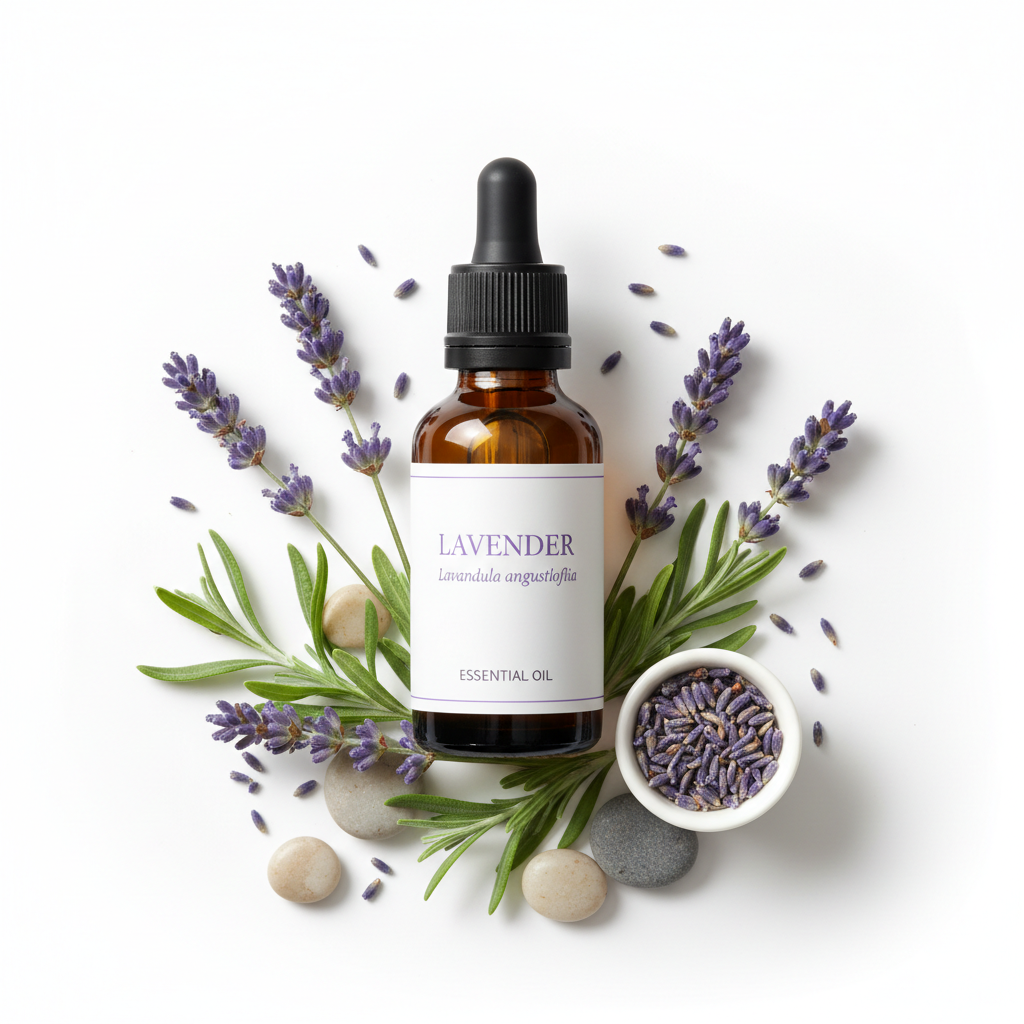
Lavender Essential Oil
Lavandula angustifolia
Plant Source
Flowers
"Unlock the soothing powers of Lavender Essential Oil. From promoting sleep to enhancing mood, discover its multiple wellness benefits. Learn more today!"
Lavender Essential Oil: A Comprehensive Guide
Lavender essential oil, extracted from the lavender plant (Lavandula angustifolia), is one of the most well-known and widely used essential oils today. It is celebrated for its relaxing properties and a range of therapeutic benefits that promote mental, emotional, and physical well-being.
Origin and Extraction Method
Lavender is native to the Mediterranean region, especially in areas of France, Italy, and Spain, where it flourishes in dry, sunny climates. The oil is obtained through steam distillation of the delicate flowering tops of the lavender plant. This method preserves the oil's delicate chemical composition, fostering its aromatic and therapeutic qualities, making it a staple in aromatherapy and natural health practices.
Botanical Information
Lavandula angustifolia, commonly known as true lavender, belongs to the Lamiaceae (mint) family. The plant typically reaches about 1 meter in height and has slender, greenish-gray leaves adorned with vibrant purple flowers. The distinctive aroma emanates from the plant's essential oil, which comprises various aromatic compounds such as linalool, linalyl acetate, and camphor, recognized for their calming effects.
Therapeutic Properties and Benefits
Lavender essential oil offers a myriad of therapeutic benefits, including:
- Promoting Relaxation: Known as an anxiolytic, lavender oil effectively reduces anxiety and stress, helping to promote a sense of calm and tranquility.
- Improving Sleep Quality: It is widely recommended as a natural remedy for insomnia and sleep disturbances. Adding a few drops to a diffuser or pillow can help induce restful sleep.
- Enhancing Mood and Emotional Balance: Lavender oil can uplift mood and support emotional stability, making it beneficial for those experiencing sadness or irritability.
- Alleviating Headaches and Migraines: Inhaling lavender oil or applying diluted oil to the temples may provide relief from headaches and migraines.
- Soothing Muscle Tension: The anti-inflammatory properties of lavender oil make it effective for soothing sore muscles and reducing tension.
- Supporting Respiratory Health: With its antiseptic properties, lavender oil may alleviate symptoms associated with colds, allergies, and respiratory infections.
Historical and Traditional Uses
Historically, lavender has been treasured for its medicinal and aromatic properties for centuries. Ancient Egyptians utilized lavender for mummification and as a cosmetic fragrance. Romans added it to their baths to relieve stress and enhance mood. In the Middle Ages, lavender symbolized purity, often used in perfumes and sachets, and its presence was common in homes to ward off pests.
Scientific Facts and Research
Numerous scientific studies have validated the benefits of lavender essential oil. Research published in Evidence-Based Complementary and Alternative Medicine confirmed that individuals who inhaled lavender experienced significant reductions in anxiety and improved sleep quality compared to placebo groups. Furthermore, studies indicate that lavender oil may influence neurotransmitter systems, enhancing its sedative effects.
Aroma Profile and Characteristics
Lavender essential oil possesses a sweet, floral, and herbaceous aroma that is both uplifting and calming. Its scent, often described as fresh and clean, makes it a popular choice in aromatherapy blends, personal care products, and home fragrances. The calming aroma can cultivate a serene environment, ideal for meditation and relaxation practices.
Common Applications and Methods
Lavender essential oil's versatility allows for a variety of applications:
- Aromatherapy: Diffusing lavender oil in your home purifies the air and creates a relaxing atmosphere, beneficial for stress relief.
- Topical Use: Diluting lavender oil with a carrier oil for massages or targeted skin applications helps alleviate pain and supports skin health.
- Baths: Adding lavender oil to bathwater not only promotes relaxation but also eases muscle tension and soothes the mind.
- Culinary Uses: When used in moderation, lavender adds a unique flavor to culinary dishes, commonly included in herbal teas, desserts, and infused syrups.
Interesting Facts and Trivia
- Lavender is often regarded as the “universal oil” due to its myriad benefits and applications across different practices.
- It takes approximately 250 pounds of lavender flowers to produce about 1 pound of essential oil, demonstrating its value and potency.
- The color purple, associated with lavender, symbolizes tranquility and peace, reflecting its effects on the mind and body.
- Additionally, lavender is renowned for attracting pollinators like bees and butterflies, contributing positively to local biodiversity.
In conclusion, lavender essential oil is not only remarkable with its profound history but also offers extensive benefits and versatile applications. Whether used to promote relaxation, enhance mood, or enjoy aromatic qualities, it plays an essential role in holistic health. Incorporate lavender essential oil into your daily routine for a touch of serenity and a pathway to balance your emotional and physical well-being.
Ask AI About Lavender Essential Oil
Get instant answers about this essential oil
Benefits & Uses
- Promotes relaxation and calm
- Reduces anxiety and stress
- Improves mood
- Helps with emotional balance
- Supports healthy sleep
- Relieves minor headaches
- Soothes muscle tension
- Supports respiratory health
- Soothes minor skin irritations
- Supports healthy-looking skin
- Reduces appearance of blemishes
- Calms dry skin
- Natural air freshener
- Linen spray
- Cleaning blend ingredient
- Moth deterrent
How to Use
Diffuser
Add 3-5 drops to your diffuser. Diffuse for 30-60 minutes for a calming atmosphere.
Topical
Dilute 2-3 drops with a carrier oil. Apply to temples, wrists, or bottom of feet.
Inhalation
Add 1-2 drops to palms, rub together, cup over nose and inhale deeply.
Safety & Precautions
Generally considered safe for most people. Always dilute before topical use. May cause skin sensitivity in some individuals.
Who should avoid:
- Those with known lavender allergies
- Use with caution during first trimester of pregnancy
Recommended Products

Lavender Essential Oil
Handcraft Blends Lavender Essential Oil is a 100% pure and natural therapeutic-grade oil, ideal for aromatherapy, skin care, and DIY projects. It comes in a 4 fl oz amber glass bottle with a built-in dropper for precise application.
$8.99
Lavender Essential Oil
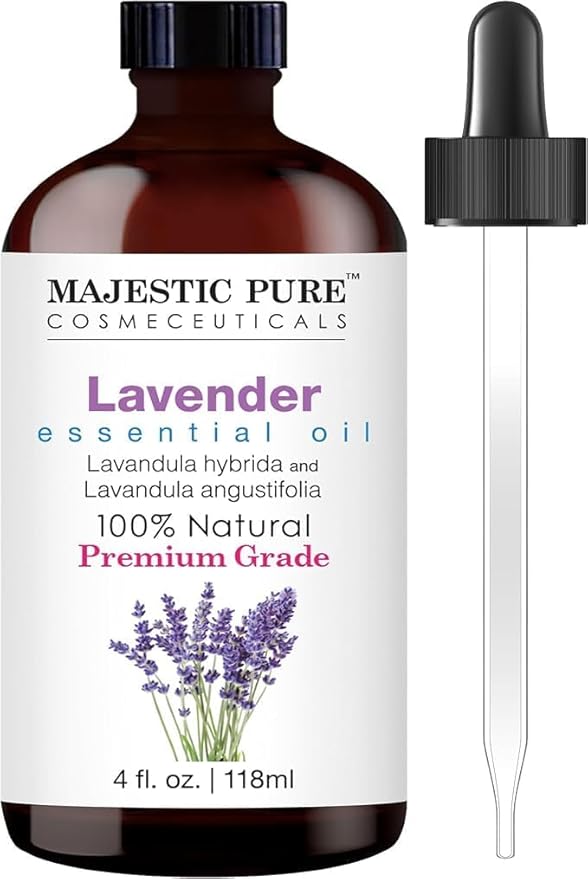
Majestic Pure Lavender Essential Oil is a 100% pure and natural lavender oil, ideal for use in diffusers, skin applications, aromatherapy, and massage. The 4 fl oz bottle includes a glass dropper for easy dispensing.
$7.99
Understanding the aromatic layers of Lavender Essential Oil
Top Notes
Heart Notes
Base Notes
Scent Evolution
Top Notes: First impression, evaporate quickly (15-30 min)
Heart Notes: Main character, last 2-4 hours
Base Notes: Lasting foundation, linger for hours
Complementary essential oils that pair beautifully with Lavender Essential Oil
Agarwood Essential Oil
Aquilaria
✓complementary therapeutic properties
Allspice Essential Oil
Pimenta dioica
✓traditional pairing in aromatherapy
Ammi Visnaga Essential Oil
Ammi visnaga
✓similar chemical compositions
Amyris Essential Oil
Amyris balsamifera
✓complementary therapeutic properties
Angelica Essential Oil
Angelica archangelica
✓balanced scent profile
Angelica Root Essential Oil
Angelica archangelica
✓traditional pairing in aromatherapy
Blending Tips
- • Start with 2-3 oils for simple blends
- • Use 3-5 drops total per 10ml carrier oil
- • Let blends sit for 24-48 hours to marry
- • Test on a small skin area first
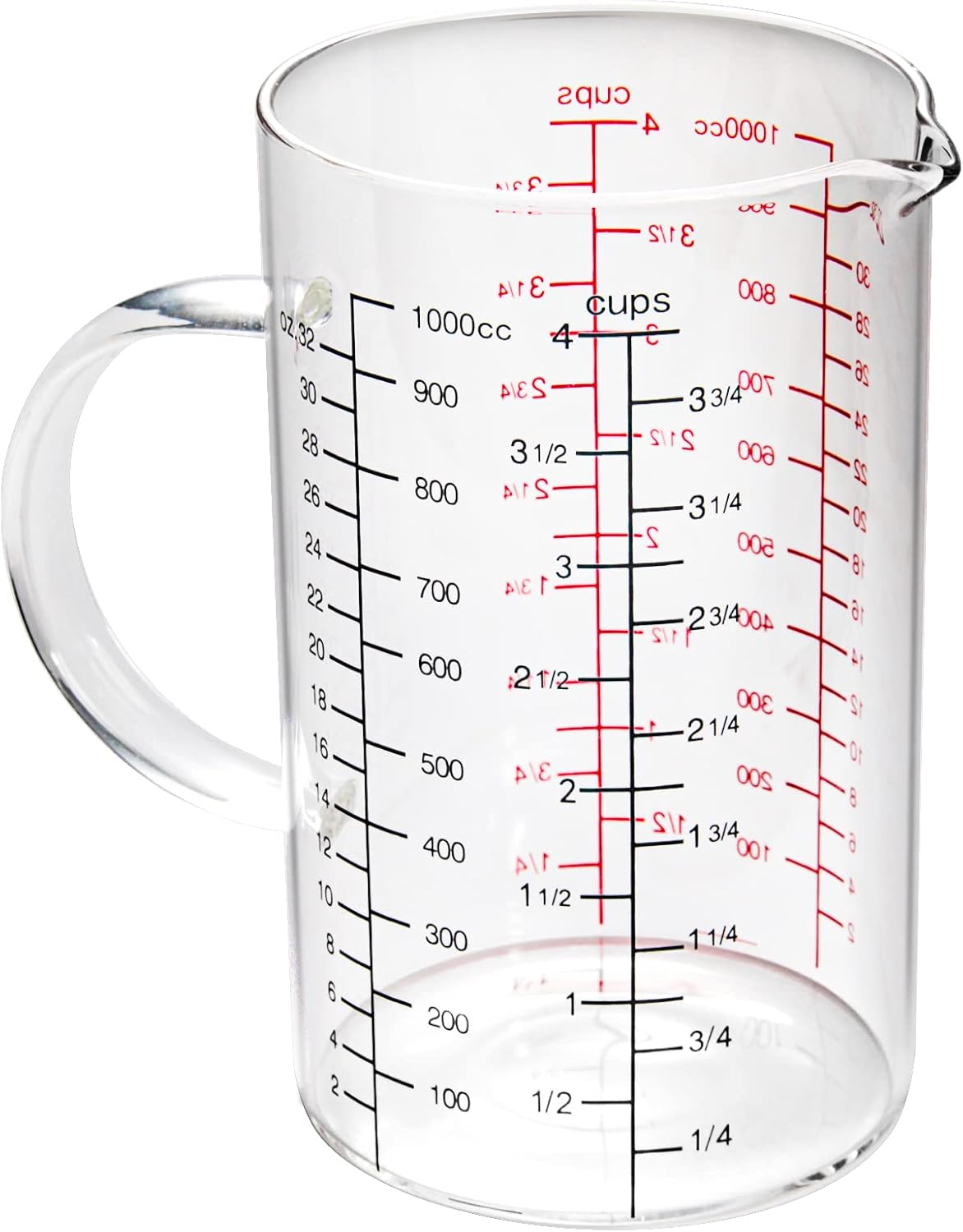
Calculating for: Lavender Essential Oil
Recommended: 2% | Max safe: 5%
29.57 ml
Your Recipe
0.59 ml
28.98 ml
💡 Dilution Tips
- • Always do a patch test before full application
- • Children and elderly need lower dilutions (1-2%)
- • Facial products should be gentle (0.5-1%)
- • 1 drop ≈ 0.05 ml (20 drops per ml)
- • Common carrier oils: fractionated coconut, jojoba, sweet almond
Recipes Using Lavender Essential Oil
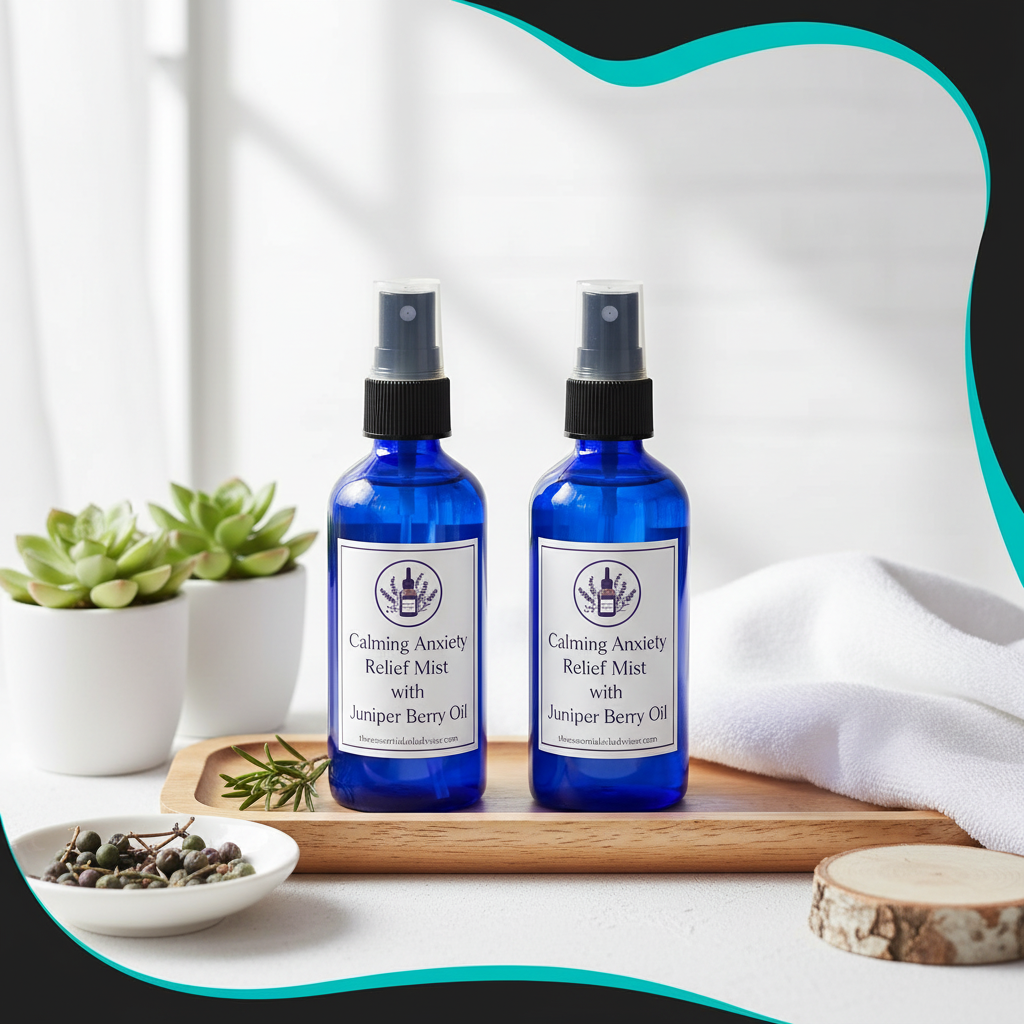
Calming Anxiety Relief Mist Recipe with Juniper Berry Oil
Create a soothing environment with this calming anxiety relief mist recipe using juniper berry essential oil. Easy steps and tips for use included!

DIY Acne Calming Gel Spot Treatment Recipe for Clear Skin
Explore our DIY acne calming gel spot treatment recipe to soothe inflammation and fight breakouts using natural ingredients for healthier skin.
DIY Essential Oil All-Purpose Cleaner Recipe for a Fresh Home
Discover the benefits of this DIY essential oil all-purpose cleaner recipe for a clean, safe, and aromatic household environment.
DIY Exfoliating Face Wash Recipe for Glowing Skin
This simple DIY exfoliating face wash recipe helps you achieve clear, healthy skin using natural ingredients right at home.
DIY Luxury Deep Nourishing Gel Hand Sanitizer Recipe
This recipe helps you create a premium hand sanitizer with deep nourishment for your skin.
DIY Perfume Recipe: Create Your Signature Scent at Home
This DIY perfume recipe lets you craft a unique fragrance that lifts your spirits and is great for daily wear or celebrations.
Related Recipes
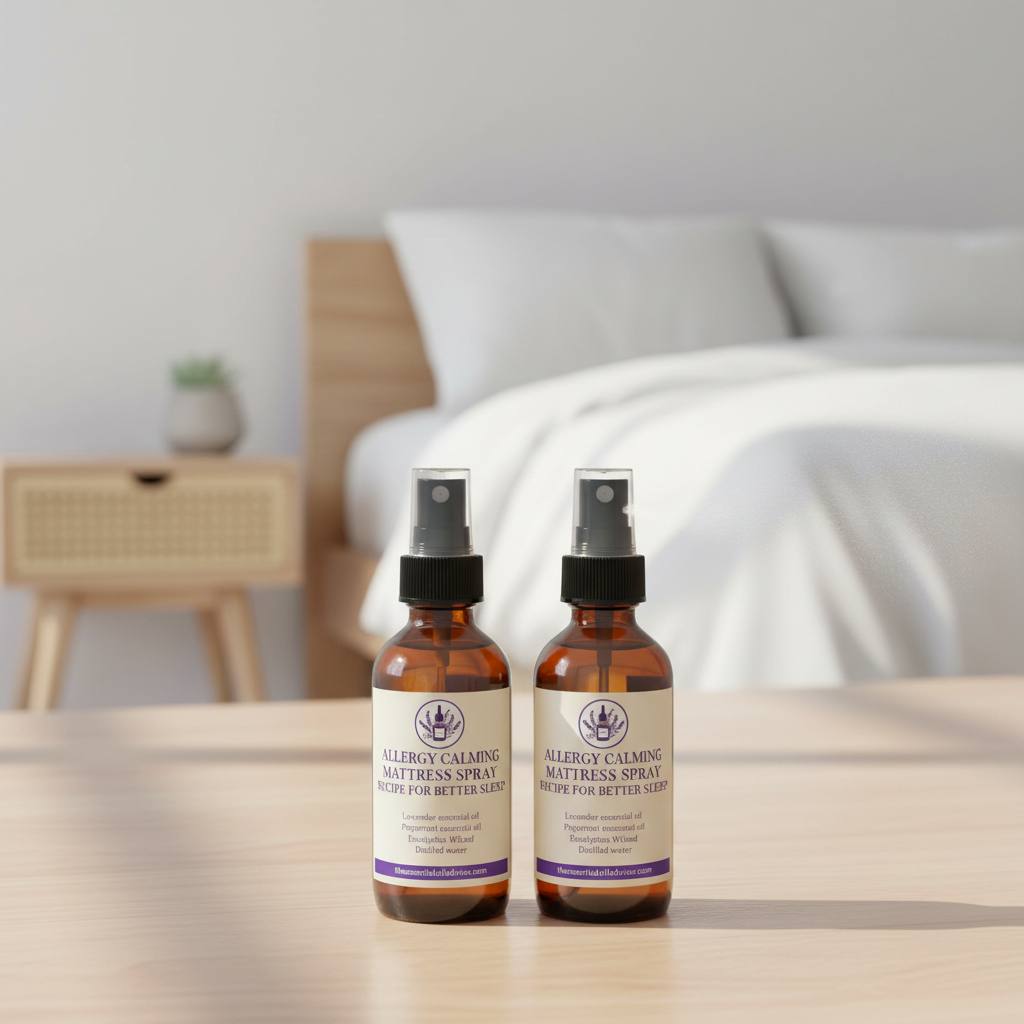
Allergy Calming Mattress Spray Recipe for Better Sleep
Discover the calming recipe for a mattress spray that relieves allergy symptoms and promotes a restful night's sleep in your home.

Calming Essential Oil Pillow Mist Recipe for Relaxation
Discover this easy recipe for a soothing pillow mist that features lavender and bergamot for ultimate relaxation and better sleep.

Calming Lavender Linen Spray Recipe
A gentle, relaxing linen and room spray that promotes restful sleep and calm using lavender, chamomile, and cedarwood essential oils.

DIY Essential Oil Foaming Hand Soap Recipe
Craft your own moisturizing foaming hand soap using essential oils! This DIY recipe combines natural ingredients for clean, soft hands. Perfect for home use!
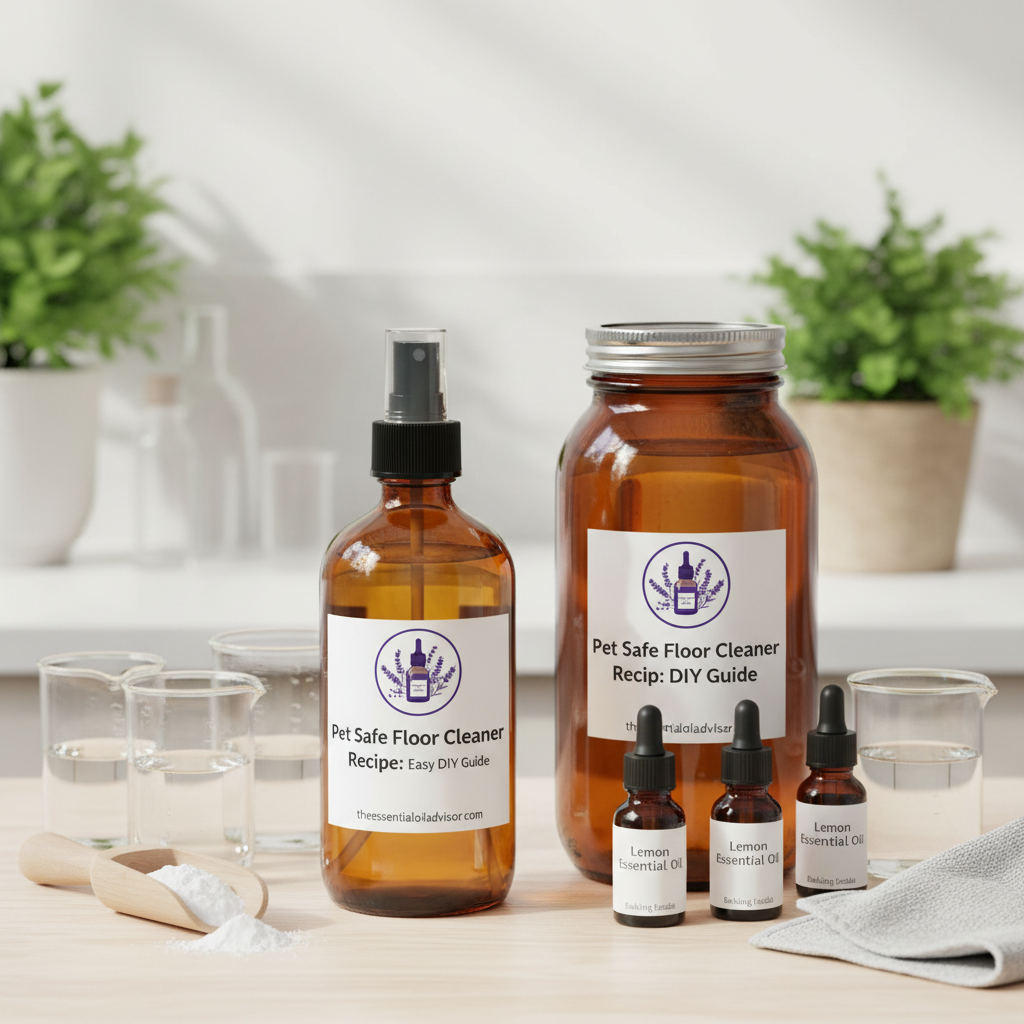
DIY Pet Safe Floor Cleaner Recipe for a Fresh Home
Learn how to make a pet safe floor cleaner recipe at home. This DIY guide features non-toxic ingredients that keep your pets safe and your floors sparkling!
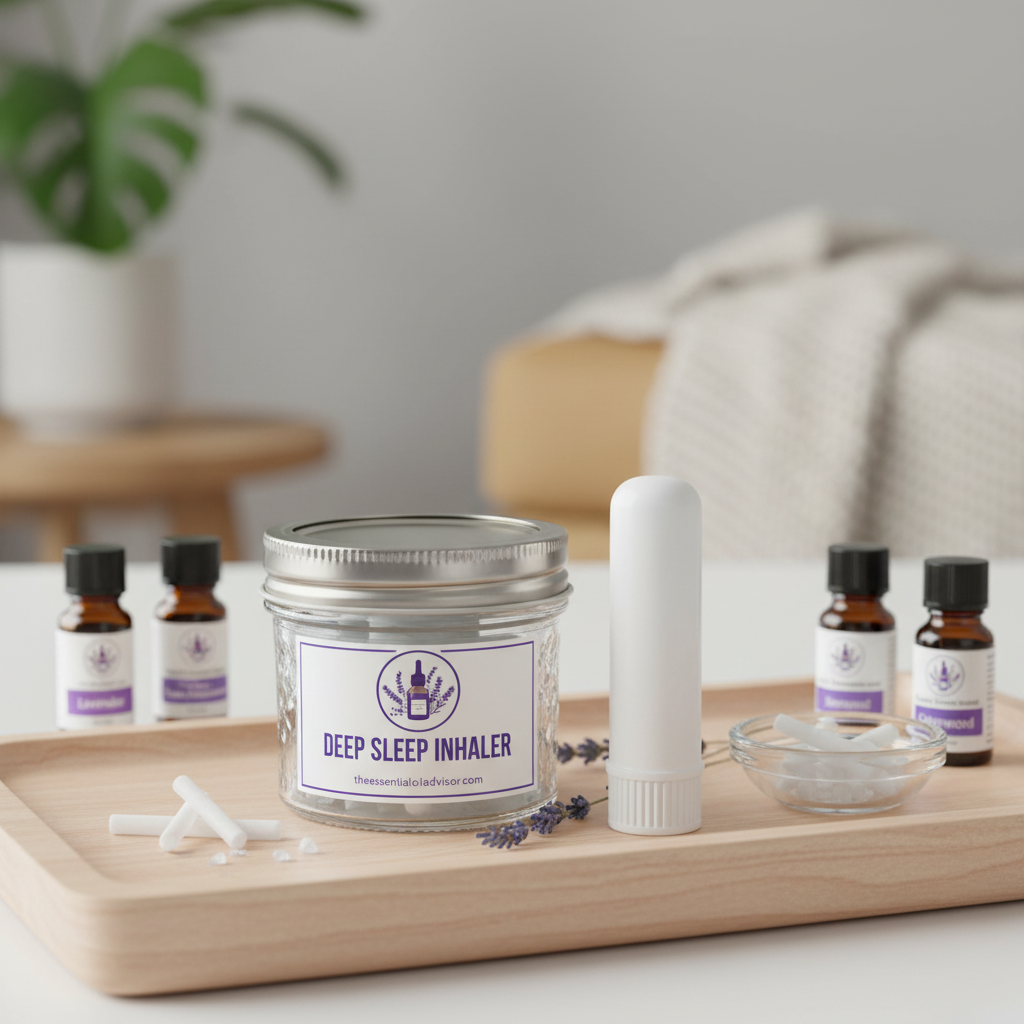
Deep Sleep Inhaler Recipe for Restful Sleep and Relaxation
Discover our easy-to-follow Deep Sleep Inhaler recipe designed to promote relaxation and a restful night's sleep. Perfect for calming your mind and body!