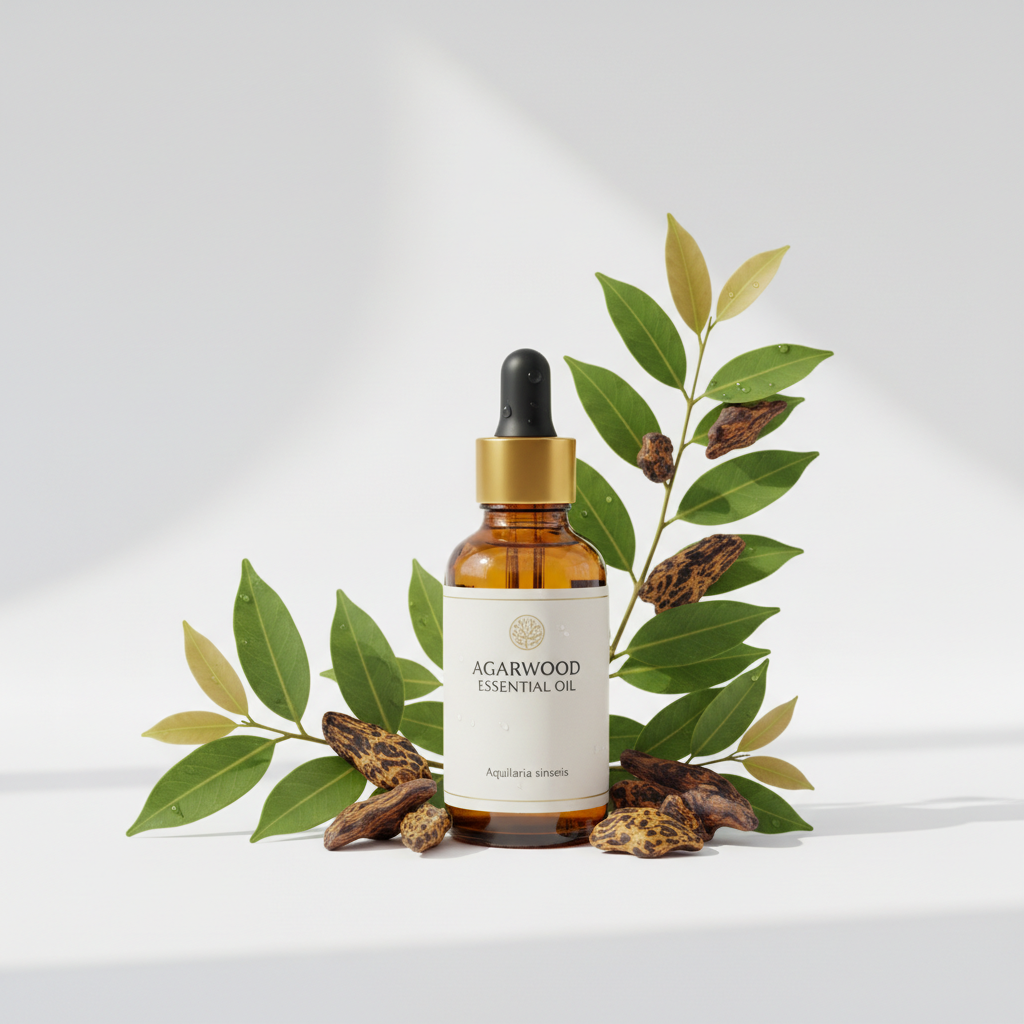
Agarwood Essential Oil
Aquilaria
Plant Source
Aquilaria tree
"Explore the exquisite Agarwood essential oil. Discover its origins, therapeutic benefits, and traditional uses. Unveil the secrets of this luxurious oil."
Introduction to Agarwood Essential Oil
Agarwood essential oil, renowned as oud or aloeswood oil, is a highly coveted essential oil derived from the resinous heartwood of the Aquilaria tree. This luxurious oil has captivated the senses of perfumers, aromatherapists, and wellness advocates for centuries due to its deep, complex aroma and exceptional therapeutic properties. In this extensive guide, we delve into the origins, extraction methods, benefits, historical significance, and diverse applications of Agarwood essential oil.
Origin and Extraction Method
Agarwood is mainly sourced from the Aquilaria species, which thrive in the tropical regions of Southeast Asia, notably in countries such as Vietnam, India, Thailand, and Cambodia. The unique fragrance of agarwood is produced when the tree is infected by a specific type of fungus, resulting in the formation of resinous knots within the heartwood. The extraction methods for agarwood essential oil typically involve steam distillation and solvent extraction, both designed to retain the oil’s unique aromatic compounds and therapeutic efficacy.
Botanical Information
- Botanical Name: Aquilaria
- Family: Thymelaeaceae
- Common Names: Oud, Aloeswood, Agarwood
- Part Used: Heartwood
Therapeutic Properties and Benefits
Agarwood essential oil is celebrated for its array of remarkable therapeutic properties. Here are some key benefits:
- Stress and Anxiety Relief: The soothing aroma of agarwood can alleviate stress and anxiety, creating a serene environment that promotes relaxation and peace.
- Enhancement of Mindfulness: Agarwood oil supports meditation by offering grounding effects, helping practitioners achieve a deeper state of mindfulness and tranquility.
- Emotional Stabilization: This essential oil can assist in restoring emotional balance, fostering overall well-being and mental clarity.
- Respiratory Health Support: Its properties may help alleviate respiratory issues, providing relief from colds and allergies.
- Muscle Tension Relief: Agarwood oil is effective in easing muscle tension and discomfort, supporting physical recovery post-exercise.
- Immune System Boost: The bioactive compounds within the oil may enhance immune function, supporting overall health and resilience.
- Contribution to Vital Energy: Regular use of this oil can promote a heightened sense of vitality and well-being.
Historical and Traditional Uses
Throughout history, agarwood has been revered in various cultures for its aromatic and medicinal properties. Ancient civilizations employed agarwood for spiritual rituals, incense, and traditional medicine. In Ayurveda, agarwood is utilized to harmonize the body’s doshas and is famed for its calming effects. Additionally, in Middle Eastern cultures, agarwood is prized in perfumes and used during significant events, including weddings and religious ceremonies, symbolizing wealth and luxury.
Scientific Facts and Research
Modern research has begun to validate many of agarwood’s traditional uses. Studies have identified that the oil contains alkaloids and other beneficial compounds which may exhibit antioxidant, anti-inflammatory, and antimicrobial properties. This suggests that agarwood essential oil holds potential not only as a fragrant addition to lifestyle practices but also as a contributing factor to health enhancement.
Aroma Profile and Characteristics
The scent of agarwood essential oil is multifaceted, often described as deep, woody, and balsamic, intertwined with sweet, earthy undertones. The captivating fragrance can induce a sense of calm and grounding, making it a favored choice among high-end perfumes and incense creators. Variations in aroma may occur depending on the specific Aquilaria source and extraction methodology, but it consistently provides a warm and inviting essence that enriches any environment.
Common Applications and Methods
Agarwood essential oil can be utilized in various ways:
- Aromatherapy: Diffuse the oil in living spaces or during meditation to cultivate a peaceful atmosphere.
- Massage Therapy: Dilute the essential oil with a carrier oil for therapeutic massages, promoting relaxation and alleviating muscle pain.
- Skin Care: Incorporate agarwood oil into your skincare routine—mix it into creams or lotions to benefit from its soothing effects.
- Bath Enhancer: Add several drops to your bathwater for a sensory and calming experience that envelops you in tranquility.
Interesting Facts and Trivia
- Pure agarwood is among the most expensive woods globally, with prices surpassing gold due to its rarity.
- The oil is often coined "liquid gold" in the fragrance realm, reflecting its high demand and precious nature.
- The aging process required for agarwood to produce resin can take decades, with trees needing to be at least 15-20 years old for optimal resin formation.
Conclusion
Agarwood essential oil is not just an aromatic treasure but a wellspring of therapeutic benefits and cultural history. Whether you seek relaxation, emotional equilibrium, or enhancement of your meditation practices, integrating agarwood into your wellness regimen can unlock profound experiences. Unearth the captivating essence of agarwood and embrace its rich heritage, enhancing both your daily life and holistic practices.
Ask AI About Agarwood Essential Oil
Get instant answers about this essential oil
Benefits & Uses
- Promotes relaxation and mindfulness
- Enhances meditation practices
- Helps reduce anxiety and stress
- Encourages emotional balance
- Facilitates a deeper sense of connection and grounding
- Supports respiratory health
- Aids in relieving symptoms of colds and allergies
- May assist in easing muscle tension
- Contributes to overall immune support
- Promotes a sense of vitality and well-being
- Creates an alluring fragrance for perfumes
- Acts as a natural anti-aging agent when diluted
- May help soothe dry or irritated skin
- Provides an aromatic component in luxury skincare products
- Acts as a natural air freshener in potpourri or oil burners
- Combines with other oils for a luxurious cleaning blend
- Used in incense sticks for ritualistic ambiance
- Enhances the fragrance of homemade candles
How to Use
Diffuser
Add 3-5 drops of agarwood essential oil to your diffuser filled with water. Diffuse for 30-60 minutes in a well-ventilated space to enjoy the calming aroma.
Topical
Dilute agarwood oil with a carrier oil (such as jojoba or coconut oil) at a ratio of 2-3 drops per teaspoon of carrier oil. Apply to pulse points or areas of tension; avoid sensitive areas and mucous membranes.
Inhalation
For direct inhalation, place 1-2 drops of agarwood oil on a tissue and gently inhale. For steam inhalation, add 2-3 drops to a bowl of hot water, cover your head with a towel, and inhale the steam for up to 10 minutes.
Safety & Precautions
Always perform a patch test before topical application to check for sensitivities. Keep out of reach of children and avoid contact with eyes. Pregnant or nursing women should consult a healthcare provider before use.
Who should avoid:
- Individuals with allergies to wood-derived substances
- Pregnant or nursing women
- Children under 3 years old
- Those with sensitive skin or skin conditions should use with caution
Recommended Products

Understanding the aromatic layers of Agarwood Essential Oil
Top Notes
Heart Notes
Base Notes
Scent Evolution
Top Notes: First impression, evaporate quickly (15-30 min)
Heart Notes: Main character, last 2-4 hours
Base Notes: Lasting foundation, linger for hours
Complementary essential oils that pair beautifully with Agarwood Essential Oil
Ammi Visnaga Essential Oil
Ammi visnaga
✓enhanced aromatherapy benefits
Amyris Essential Oil
Amyris balsamifera
✓enhanced aromatherapy benefits
Angelica Essential Oil
Angelica archangelica
✓traditional pairing in aromatherapy
Anise Essential Oil
Pimpinella anisum
✓traditional pairing in aromatherapy
Balsam Peru Essential Oil
Myroxylon balsamum var. pereirae
✓traditional pairing in aromatherapy
Bamboo Fragrance Oil
Bambusa vulgaris
✓enhanced aromatherapy benefits
Blending Tips
- • Start with 2-3 oils for simple blends
- • Use 3-5 drops total per 10ml carrier oil
- • Let blends sit for 24-48 hours to marry
- • Test on a small skin area first
Calculating for: Agarwood Essential Oil
Recommended: 2% | Max safe: 5%
29.57 ml
Your Recipe
0.59 ml
28.98 ml
💡 Dilution Tips
- • Always do a patch test before full application
- • Children and elderly need lower dilutions (1-2%)
- • Facial products should be gentle (0.5-1%)
- • 1 drop ≈ 0.05 ml (20 drops per ml)
- • Common carrier oils: fractionated coconut, jojoba, sweet almond
Related Recipes

Calming Essential Oil Pillow Mist Recipe for Relaxation
Discover this easy recipe for a soothing pillow mist that features lavender and bergamot for ultimate relaxation and better sleep.

Calming Lavender Linen Spray Recipe
A gentle, relaxing linen and room spray that promotes restful sleep and calm using lavender, chamomile, and cedarwood essential oils.

DIY Acne Calming Gel Spot Treatment Recipe for Clear Skin
Explore our DIY acne calming gel spot treatment recipe to soothe inflammation and fight breakouts using natural ingredients for healthier skin.
DIY Essential Oil Body Lotion Recipe
Create your own nourishing body lotion with essential oils that hydrates, softens and rejuvenates your skin, leaving it smooth and supple all day long.

DIY Essential Oil Foaming Hand Soap Recipe
Craft your own moisturizing foaming hand soap using essential oils! This DIY recipe combines natural ingredients for clean, soft hands. Perfect for home use!
Delightful Sleep-Enhancing Pillow Sachets Recipe for Restful Nights
Discover how to create a calming sleep environment with this easy recipe for pillow sachets infused with soothing essential oils to improve your sleep quality.