DIY Acne Calming Gel Spot Treatment Recipe for Clear Skin
Explore our DIY acne calming gel spot treatment recipe to soothe inflammation and fight breakouts using natural ingredients for healthier skin.
Benefits & What to Expect
Benefits & What to Expect
What is This Recipe Good For?
This DIY Acne Calming Gel Spot Treatment is designed to soothe inflammation and help manage breakouts using natural ingredients known for their calming and antibacterial properties. It’s perfect for anyone looking to address occasional acne while maintaining a balanced skincare routine. This gel provides a lightweight, non-clogging solution that can be used on all skin types, offering an ideal option for those hesitant to use commercial acne products laden with harsh chemicals.
Purpose and Who It Helps
The primary purpose of this recipe is to offer relief from the discomfort and appearance of acne. It can be particularly beneficial for:
- Individuals with sensitive skin that may react to traditional acne treatments.
- Those who prefer using natural remedies over synthetic options.
- Anyone seeking to reduce redness and irritation from breakouts without overdrying the skin.
- People dealing with ongoing acne or occasional flare-ups who want a targeted treatment.
Ingredient Breakdown
- Aloe Vera Gel (28 ml) - Known for its soothing properties, Aloe Vera helps to calm irritated skin and provide moisture without greasiness.
- Witch Hazel (14 ml) - A natural astringent that can help reduce inflammation and soothe the skin, making it effective for acne-prone individuals.
- Vegetable Glycerin (5 ml) - A humectant that draws moisture to the skin, preventing dryness and promoting hydration, essential for healing.
- Tea Tree Essential Oil (8 drops) - Renowned for its antibacterial properties, tea tree oil can aid in reducing acne-causing bacteria on the skin.
- Lavender Essential Oil (6 drops) - Known for its calming scent, lavender is also believed to possess anti-inflammatory properties that can soothe skin disruptions.
Usage Scenarios and Practical Tips
- When to Apply: Apply this gel spot treatment directly to acne spots after cleansing your face, preferably twice daily. This ensures the active ingredients can work effectively on the affected areas.
- How to Use: For best results, use a clean fingertip or applicator to gently dab the gel onto blemishes and rub it in until fully absorbed.
- Make It a Routine: Integrate this treatment into your daily skincare routine, ideally after applying a toner and before moisturizer.
- Keep It Handy: For unexpected breakouts, keep this gel within reach, allowing for immediate application when needed.
Results Timeline
While individual results may vary, consistency is key to noticing improvements in acne. Users typically see some reduction in inflammation and redness within 24-48 hours of application. Continued use over weeks may further enhance skin clarity and reduce the frequency of breakouts, contingent on individual skin response and overall skincare regime.
Safety and Dilution Guidance
- Patch Test: Before applying this gel broadly, it’s crucial to conduct a patch test on a small area of skin to check for any adverse reactions, especially if you have sensitive skin or are prone to allergies.
- Children and Pregnant Individuals: Be cautious if using on children or if pregnant. It’s advised to consult with a healthcare provider before use in these circumstances.
- Storage: Keep out of reach of children and store the gel in a cool, dry place to maintain its efficacy.
This DIY Acne Calming Gel Spot Treatment can empower those struggling with acne by providing a gentle yet effective alternative to harsher treatments. By incorporating it into your skincare routine, you can promote healthier-looking skin while leveraging the natural benefits of its ingredients.
How to Use
Apply a small amount of gel directly onto acne spots and rub in gently until absorbed, twice daily for best results.
Original Recipe (below is the converted recipe into different container sizes)
- 1 ozAloe Vera Gel
- 0.5 ozWitch Hazel
- 0.25 ozVegetable Glycerin
- 0.5 mlTea Tree Essential Oil
- 0.25 mlLavender Essential Oil
Instructions
- 1
Clean your workspace.
- 2
Measure and add the aloe vera gel (see the ingredients list for the exact amount) into the mixing bowl.
- 3
Add the witch hazel (see the ingredients list for the exact amount) to the bowl.
- 4
Pour in the vegetable glycerin (see the ingredients list for the exact amount).
- 5
Add the tea tree essential oil (see the ingredients list for the exact amount) and the lavender essential oil (see the ingredients list for the exact amount) to the mixture.
- 6
Stir gently until all ingredients are combined.
- 7
Use a funnel to fill the pump bottle with the mixture and seal it.
Scaled Ingredients
2 oz to 8 oz
| Ingredient | 2 oz | 4 oz | 8 oz |
|---|---|---|---|
| Aloe Vera Gel | 1.25 oz | 2.25 oz | 4.75 oz |
| Witch Hazel | 0.5 oz | 1.25 oz | 2.25 oz |
| Vegetable Glycerin | 0.25 oz | 0.5 oz | 0.75 oz |
| Tea Tree Essential Oil | 0.5 ml | 1 ml | 2 ml |
| Lavender Essential Oil | 0.25 ml | 0.75 ml | 1.5 ml |
16 oz to 128 oz
| Ingredient | 16 oz | 32 oz | 64 oz | 128 oz |
|---|---|---|---|---|
| Aloe Vera Gel | 9.5 oz | 18.75 oz | 37.5 oz | 75.25 oz |
| Witch Hazel | 4.75 oz | 9.5 oz | 18.75 oz | 37.5 oz |
| Vegetable Glycerin | 1.75 oz | 3.25 oz | 6.75 oz | 13.5 oz |
| Tea Tree Essential Oil | 4 ml | 8 ml | 15.75 ml | 31.75 ml |
| Lavender Essential Oil | 3 ml | 6 ml | 12 ml | 23.75 ml |
Looking for something else?
Essential Oils Used
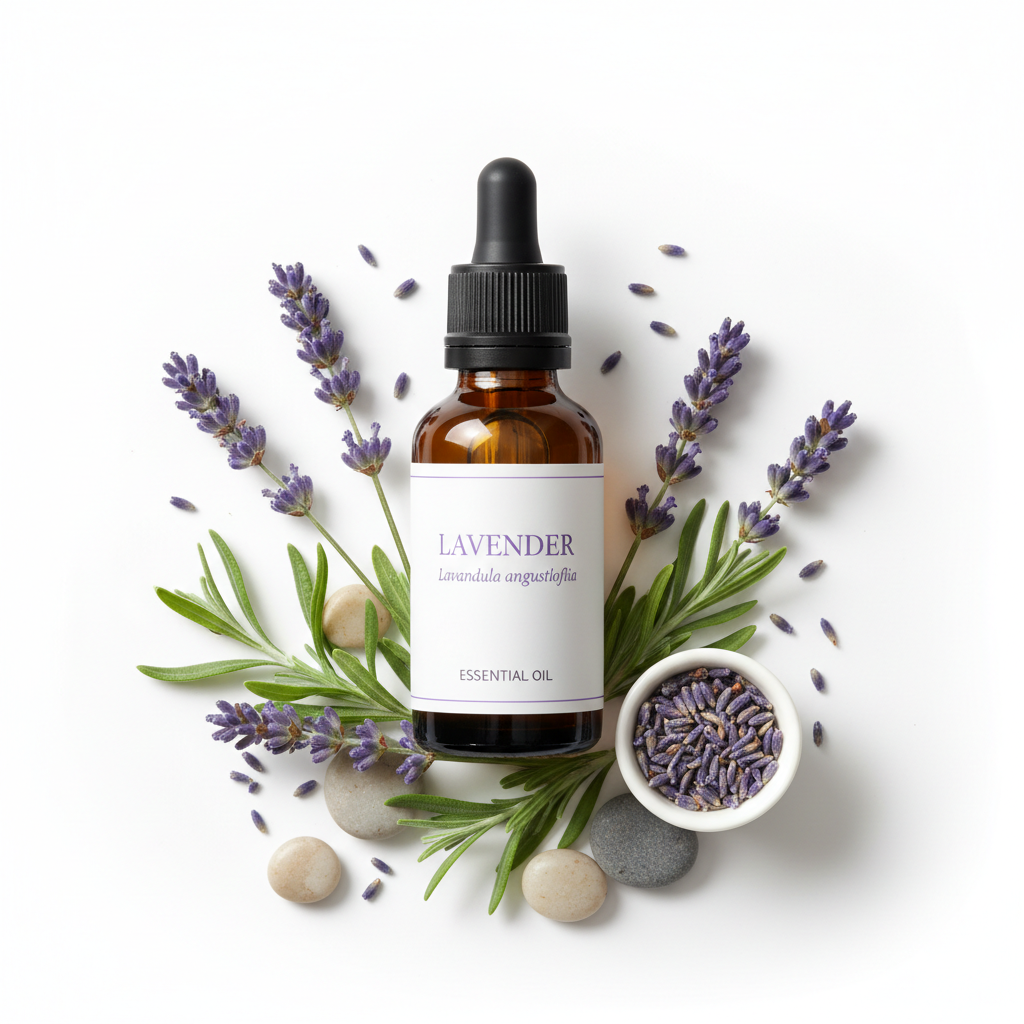
Lavender Essential Oil
Lavandula angustifolia
## Lavender Essential Oil: A Comprehensive Guide Lavender essential oil, extracted from the lavender plant (Lavandula angustifolia), is one of the most well-known and widely used essential oils today. It is celebrated for its relaxing properties and a range of therapeutic benefits that promote mental, emotional, and physical well-being. ### Origin and Extraction Method Lavender is native to the Mediterranean region, especially in areas of France, Italy, and Spain, where it flourishes in dry, sunny climates. The oil is obtained through steam distillation of the delicate flowering tops of the lavender plant. This method preserves the oil's delicate chemical composition, fostering its aromatic and therapeutic qualities, making it a staple in aromatherapy and natural health practices. ### Botanical Information Lavandula angustifolia, commonly known as true lavender, belongs to the Lamiaceae (mint) family. The plant typically reaches about 1 meter in height and has slender, greenish-gray leaves adorned with vibrant purple flowers. The distinctive aroma emanates from the plant's essential oil, which comprises various aromatic compounds such as linalool, linalyl acetate, and camphor, recognized for their calming effects. ### Therapeutic Properties and Benefits Lavender essential oil offers a myriad of therapeutic benefits, including: - **Promoting Relaxation:** Known as an anxiolytic, lavender oil effectively reduces anxiety and stress, helping to promote a sense of calm and tranquility. - **Improving Sleep Quality:** It is widely recommended as a natural remedy for insomnia and sleep disturbances. Adding a few drops to a diffuser or pillow can help induce restful sleep. - **Enhancing Mood and Emotional Balance:** Lavender oil can uplift mood and support emotional stability, making it beneficial for those experiencing sadness or irritability. - **Alleviating Headaches and Migraines:** Inhaling lavender oil or applying diluted oil to the temples may provide relief from headaches and migraines. - **Soothing Muscle Tension:** The anti-inflammatory properties of lavender oil make it effective for soothing sore muscles and reducing tension. - **Supporting Respiratory Health:** With its antiseptic properties, lavender oil may alleviate symptoms associated with colds, allergies, and respiratory infections. ### Historical and Traditional Uses Historically, lavender has been treasured for its medicinal and aromatic properties for centuries. Ancient Egyptians utilized lavender for mummification and as a cosmetic fragrance. Romans added it to their baths to relieve stress and enhance mood. In the Middle Ages, lavender symbolized purity, often used in perfumes and sachets, and its presence was common in homes to ward off pests. ### Scientific Facts and Research Numerous scientific studies have validated the benefits of lavender essential oil. Research published in *Evidence-Based Complementary and Alternative Medicine* confirmed that individuals who inhaled lavender experienced significant reductions in anxiety and improved sleep quality compared to placebo groups. Furthermore, studies indicate that lavender oil may influence neurotransmitter systems, enhancing its sedative effects. ### Aroma Profile and Characteristics Lavender essential oil possesses a sweet, floral, and herbaceous aroma that is both uplifting and calming. Its scent, often described as fresh and clean, makes it a popular choice in aromatherapy blends, personal care products, and home fragrances. The calming aroma can cultivate a serene environment, ideal for meditation and relaxation practices. ### Common Applications and Methods Lavender essential oil's versatility allows for a variety of applications: - **Aromatherapy:** Diffusing lavender oil in your home purifies the air and creates a relaxing atmosphere, beneficial for stress relief. - **Topical Use:** Diluting lavender oil with a carrier oil for massages or targeted skin applications helps alleviate pain and supports skin health. - **Baths:** Adding lavender oil to bathwater not only promotes relaxation but also eases muscle tension and soothes the mind. - **Culinary Uses:** When used in moderation, lavender adds a unique flavor to culinary dishes, commonly included in herbal teas, desserts, and infused syrups. ### Interesting Facts and Trivia - Lavender is often regarded as the “universal oil” due to its myriad benefits and applications across different practices. - It takes approximately 250 pounds of lavender flowers to produce about 1 pound of essential oil, demonstrating its value and potency. - The color purple, associated with lavender, symbolizes tranquility and peace, reflecting its effects on the mind and body. - Additionally, lavender is renowned for attracting pollinators like bees and butterflies, contributing positively to local biodiversity. In conclusion, lavender essential oil is not only remarkable with its profound history but also offers extensive benefits and versatile applications. Whether used to promote relaxation, enhance mood, or enjoy aromatic qualities, it plays an essential role in holistic health. Incorporate lavender essential oil into your daily routine for a touch of serenity and a pathway to balance your emotional and physical well-being.
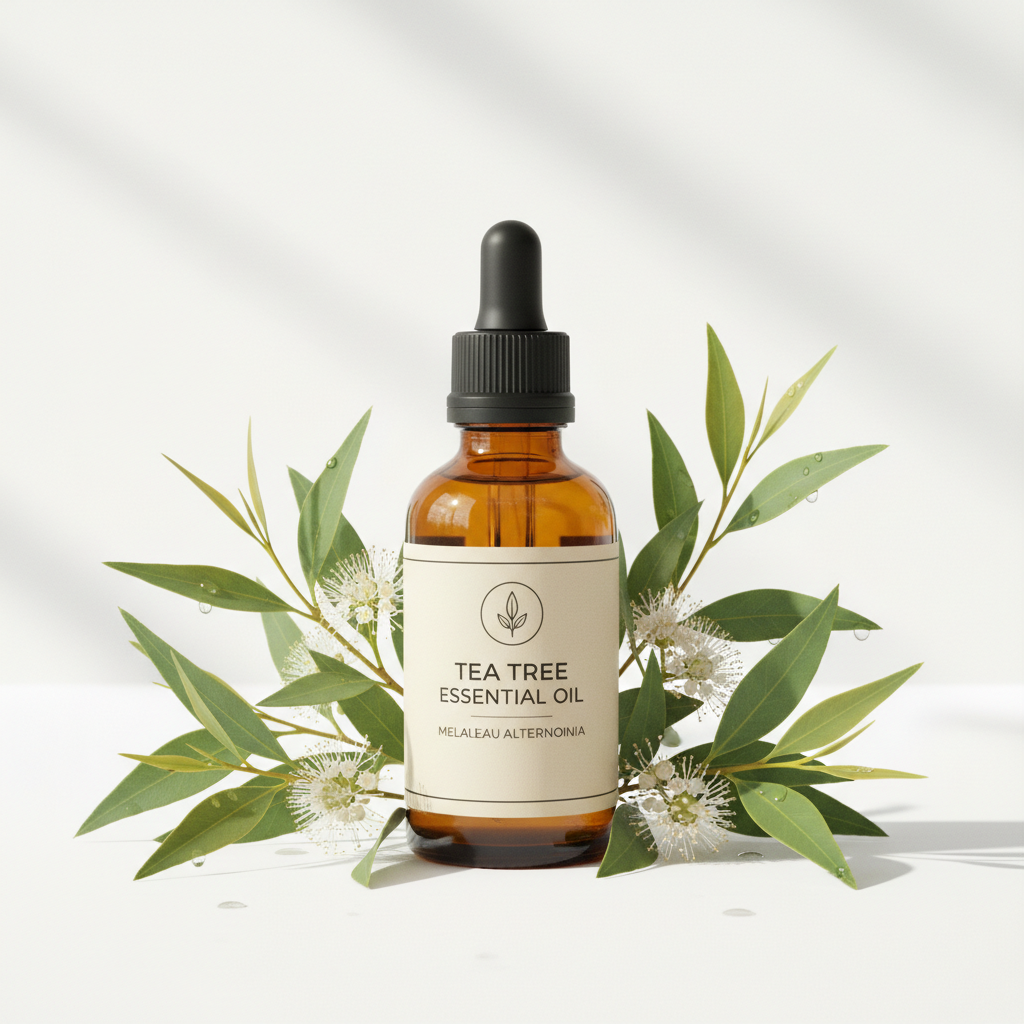
Tea Tree Essential Oil
Melaleuca alternifolia
### What is Tea Tree Essential Oil? Tea Tree essential oil, derived from the leaves of the *Melaleuca alternifolia* plant, is an essential oil praised for its powerful antiseptic and healing properties. Native to Australia, this potent oil has been utilized for centuries, both by indigenous Australians and modern herbalists, for its myriad of therapeutic benefits. ### Origin and Extraction Method Tea Tree oil is extracted through steam distillation of the fresh leaves and twigs of the Tea Tree plant, which is a small tree or shrub indigenous to the southeastern regions of Australia. The extraction process captures the naturally occurring compounds within the plant, yielding a highly concentrated oil rich in beneficial components such as terpinen-4-ol, which is known for its antiseptic qualities. ### Botanical Information The botanical name for Tea Tree is *Melaleuca alternifolia,* belonging to the Myrtaceae family. This evergreen shrub can grow up to 7 meters tall and features narrow leaves and clusters of white flowers. The indigenous population has long recognized the therapeutic potential of this plant, using it as a traditional remedy for various ailments. ### Therapeutic Properties and Benefits Tea Tree essential oil is renowned for its numerous health benefits. Here are some of the key therapeutic properties: - **Antiseptic:** Tea Tree oil is famously known for its ability to fight bacteria and fungi, making it a go-to oil for treating minor cuts and abrasions. - **Anti-inflammatory:** It helps reduce redness and swelling on the skin, thus supporting skin healing. - **Antiviral:** Useful in combating viruses, Tea Tree oil can bolster the immune system, helping to fend off colds and infections. - **Expectorant:** The oil can help clear respiratory pathways, making it beneficial for respiratory health. ### Historical and Traditional Uses Historically, Tea Tree oil was used by Australian Aborigines for bruises, cuts, and skin infections. They crushed the leaves and applied them directly to wounds. In modern herbal medicine, it is used in various formulations, from skin care products to aromatherapy blends. The oil gained global popularity due to its effectiveness and versatility in treating skin conditions, as well as its potent antibacterial qualities. ### Scientific Facts and Research Recent studies have highlighted the efficacy of Tea Tree essential oil in treating skin conditions like acne, athlete's foot, and dandruff. A review published in the *Journal of Dermatology* established that Tea Tree oil is effective against *Propionibacterium acnes,* the bacteria responsible for acne. Research has also shown that it possesses anti-inflammatory effects, making it a valuable component in the treatment of inflammatory skin diseases. ### Aroma Profile and Characteristics Tea Tree essential oil features a fresh, medicinal aroma with earthy, woody undertones. Its unique scent is invigorating and can promote a sense of cleanliness and focus. The aroma is often described as fresh and camphorous, making it a popular component in cleansing products. ### Common Applications and Methods Tea Tree oil can be used in several ways: - **Skincare**: Diluted with a carrier oil for topical applications, it can be used to treat cuts, insect bites, and minor skin irritations. - **Aromatherapy**: Adding a few drops to a diffuser can promote relaxation and mental clarity. - **Household Cleaner**: Its antibacterial properties make it suitable for natural cleaning solutions. - **Hair Care**: Incorporating it in shampoos can help alleviate dandruff and itchy scalp. ### Interesting Facts and Trivia - Tea Tree oil was first discovered by Captain James Cook, who noted the Aborigines using the leaves for medicinal purposes. - It is believed that just a small amount of Tea Tree oil can have a powerful effect when used in skincare routines. - In aromatherapy, it is often combined with other essential oils like lavender for enhanced benefits. In conclusion, Tea Tree essential oil is a versatile and potent oil with numerous benefits for health and wellness. Whether you're using it for skin care, inhalation for respiratory issues, or as a natural cleaner, the myriad of uses make it a staple in holistic therapies and natural health practices. Add Tea Tree essential oil to your collection for an effective tool in maintaining good health and hygiene.
More skincare Recipes
DIY Acne Scar Fading Serum Recipe with Essential Oils
Discover this DIY serum recipe to effectively reduce acne scars and promote skin healing using natural essential oils like rosehip and lavender.
Soothing Foot Cream Recipe for Relaxation
Discover this soothing foot cream recipe designed to relieve discomfort and promote relaxation using all-natural ingredients.
Soothing Healing Burns Cream Recipe with Essential Oils
Create a nourishing remedy with this healing burns cream recipe featuring essential oils to soothe minor burns, providing relief and nourishment to the skin.
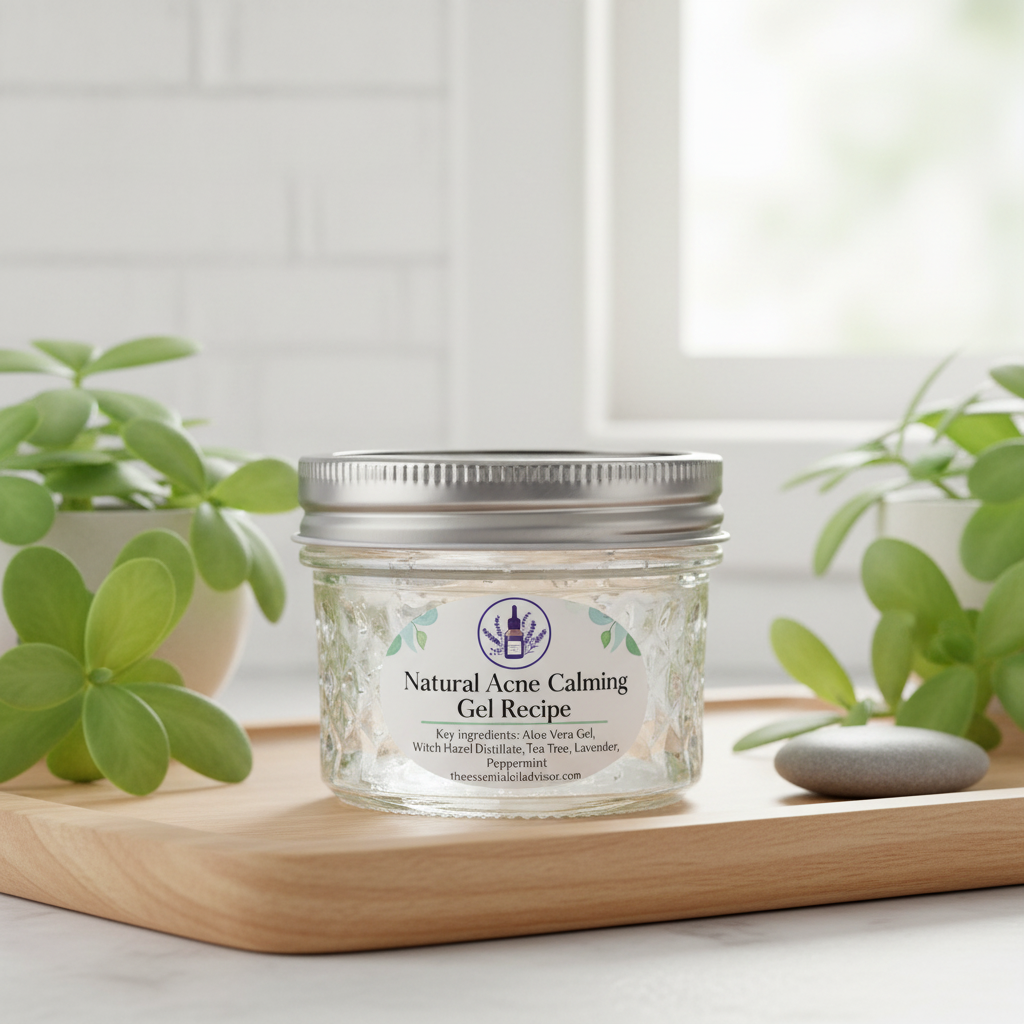
Natural Acne Calming Gel Recipe
Discover how to create a natural acne calming gel recipe with essential oils that soothes and promotes clear skin—easy to make and effective!