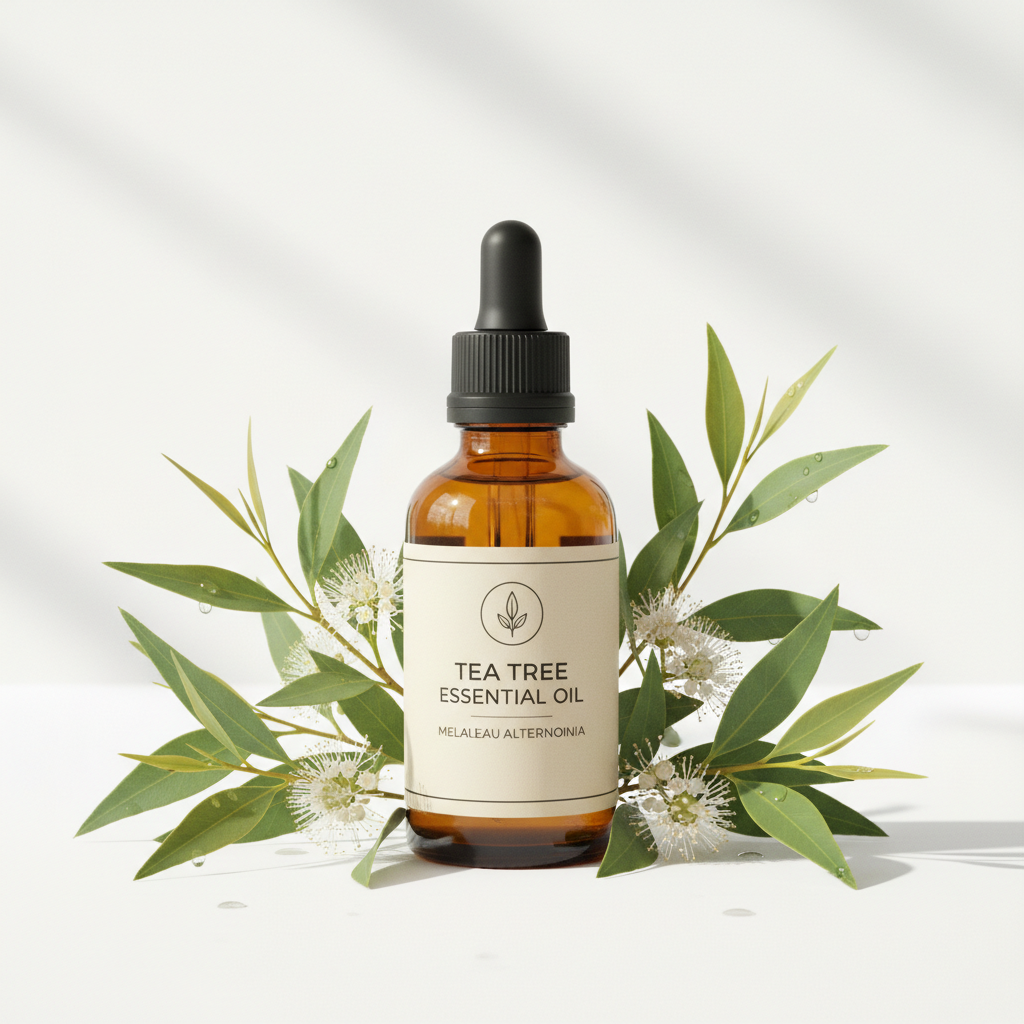
Tea Tree Essential Oil
Melaleuca alternifolia
Plant Source
Leaves
"Explore the remarkable properties of Tea Tree essential oil, known for its antiseptic abilities and skin-healing benefits. Learn how it can enhance your well-being today!"
What is Tea Tree Essential Oil?
Tea Tree essential oil, derived from the leaves of the Melaleuca alternifolia plant, is an essential oil praised for its powerful antiseptic and healing properties. Native to Australia, this potent oil has been utilized for centuries, both by indigenous Australians and modern herbalists, for its myriad of therapeutic benefits.
Origin and Extraction Method
Tea Tree oil is extracted through steam distillation of the fresh leaves and twigs of the Tea Tree plant, which is a small tree or shrub indigenous to the southeastern regions of Australia. The extraction process captures the naturally occurring compounds within the plant, yielding a highly concentrated oil rich in beneficial components such as terpinen-4-ol, which is known for its antiseptic qualities.
Botanical Information
The botanical name for Tea Tree is Melaleuca alternifolia, belonging to the Myrtaceae family. This evergreen shrub can grow up to 7 meters tall and features narrow leaves and clusters of white flowers. The indigenous population has long recognized the therapeutic potential of this plant, using it as a traditional remedy for various ailments.
Therapeutic Properties and Benefits
Tea Tree essential oil is renowned for its numerous health benefits. Here are some of the key therapeutic properties:
- Antiseptic: Tea Tree oil is famously known for its ability to fight bacteria and fungi, making it a go-to oil for treating minor cuts and abrasions.
- Anti-inflammatory: It helps reduce redness and swelling on the skin, thus supporting skin healing.
- Antiviral: Useful in combating viruses, Tea Tree oil can bolster the immune system, helping to fend off colds and infections.
- Expectorant: The oil can help clear respiratory pathways, making it beneficial for respiratory health.
Historical and Traditional Uses
Historically, Tea Tree oil was used by Australian Aborigines for bruises, cuts, and skin infections. They crushed the leaves and applied them directly to wounds. In modern herbal medicine, it is used in various formulations, from skin care products to aromatherapy blends. The oil gained global popularity due to its effectiveness and versatility in treating skin conditions, as well as its potent antibacterial qualities.
Scientific Facts and Research
Recent studies have highlighted the efficacy of Tea Tree essential oil in treating skin conditions like acne, athlete's foot, and dandruff. A review published in the Journal of Dermatology established that Tea Tree oil is effective against Propionibacterium acnes, the bacteria responsible for acne. Research has also shown that it possesses anti-inflammatory effects, making it a valuable component in the treatment of inflammatory skin diseases.
Aroma Profile and Characteristics
Tea Tree essential oil features a fresh, medicinal aroma with earthy, woody undertones. Its unique scent is invigorating and can promote a sense of cleanliness and focus. The aroma is often described as fresh and camphorous, making it a popular component in cleansing products.
Common Applications and Methods
Tea Tree oil can be used in several ways:
- Skincare: Diluted with a carrier oil for topical applications, it can be used to treat cuts, insect bites, and minor skin irritations.
- Aromatherapy: Adding a few drops to a diffuser can promote relaxation and mental clarity.
- Household Cleaner: Its antibacterial properties make it suitable for natural cleaning solutions.
- Hair Care: Incorporating it in shampoos can help alleviate dandruff and itchy scalp.
Interesting Facts and Trivia
- Tea Tree oil was first discovered by Captain James Cook, who noted the Aborigines using the leaves for medicinal purposes.
- It is believed that just a small amount of Tea Tree oil can have a powerful effect when used in skincare routines.
- In aromatherapy, it is often combined with other essential oils like lavender for enhanced benefits.
In conclusion, Tea Tree essential oil is a versatile and potent oil with numerous benefits for health and wellness. Whether you're using it for skin care, inhalation for respiratory issues, or as a natural cleaner, the myriad of uses make it a staple in holistic therapies and natural health practices. Add Tea Tree essential oil to your collection for an effective tool in maintaining good health and hygiene.
Ask AI About Tea Tree Essential Oil
Get instant answers about this essential oil
Benefits & Uses
- Promotes feelings of cleanliness
- Supports clear thinking
- Grounding aroma
- Powerful cleansing properties
- Supports immune function
- Soothes occasional skin irritations
- Supports respiratory health
- Helps with blemishes
- Supports healthy scalp
- Cleansing face wash addition
- Nail care
- All-purpose cleaner
- Mold and mildew deterrent
- Laundry freshener
- Surface disinfectant
How to Use
Diffuser
Add 3-4 drops to diffuser for air purification. Combine with lemon for enhanced cleansing.
Topical
Dilute 1-2 drops with carrier oil. Can be applied directly to blemishes with caution.
Inhalation
Add to steam inhalation during cold season for respiratory support.
Safety & Precautions
For external use only. Never ingest. May cause skin irritation in sensitive individuals.
Who should avoid:
- Do not use on cats
- Use with caution around small children
Recommended Products

Understanding the aromatic layers of Tea Tree Essential Oil
Top Notes
Heart Notes
Base Notes
Scent Evolution
Top Notes: First impression, evaporate quickly (15-30 min)
Heart Notes: Main character, last 2-4 hours
Base Notes: Lasting foundation, linger for hours
Complementary essential oils that pair beautifully with Tea Tree Essential Oil
Allspice Essential Oil
Pimenta dioica
✓complementary therapeutic properties
Angelica Essential Oil
Angelica archangelica
✓traditional pairing in aromatherapy
Angelica Root Essential Oil
Angelica archangelica
✓traditional pairing in aromatherapy
Anise Essential Oil
Pimpinella anisum
✓balanced scent profile
Anise Seed Essential Oil
Pimpinella anisum
✓balanced scent profile
Anise Star Essential Oil
Illicium verum
✓balanced scent profile
Blending Tips
- • Start with 2-3 oils for simple blends
- • Use 3-5 drops total per 10ml carrier oil
- • Let blends sit for 24-48 hours to marry
- • Test on a small skin area first
Calculating for: Tea Tree Essential Oil
Recommended: 2% | Max safe: 5%
29.57 ml
Your Recipe
0.59 ml
28.98 ml
💡 Dilution Tips
- • Always do a patch test before full application
- • Children and elderly need lower dilutions (1-2%)
- • Facial products should be gentle (0.5-1%)
- • 1 drop ≈ 0.05 ml (20 drops per ml)
- • Common carrier oils: fractionated coconut, jojoba, sweet almond
Recipes Using Tea Tree Essential Oil
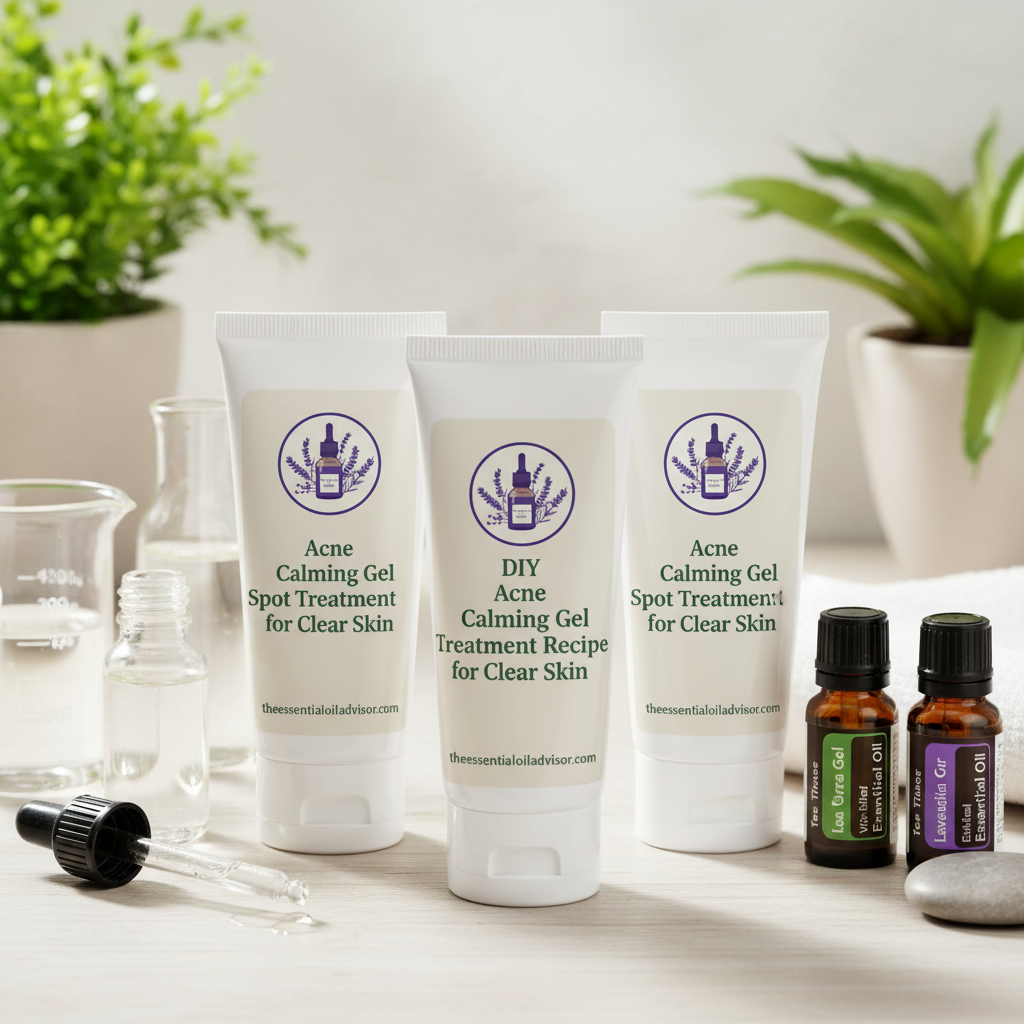
DIY Acne Calming Gel Spot Treatment Recipe for Clear Skin
Explore our DIY acne calming gel spot treatment recipe to soothe inflammation and fight breakouts using natural ingredients for healthier skin.
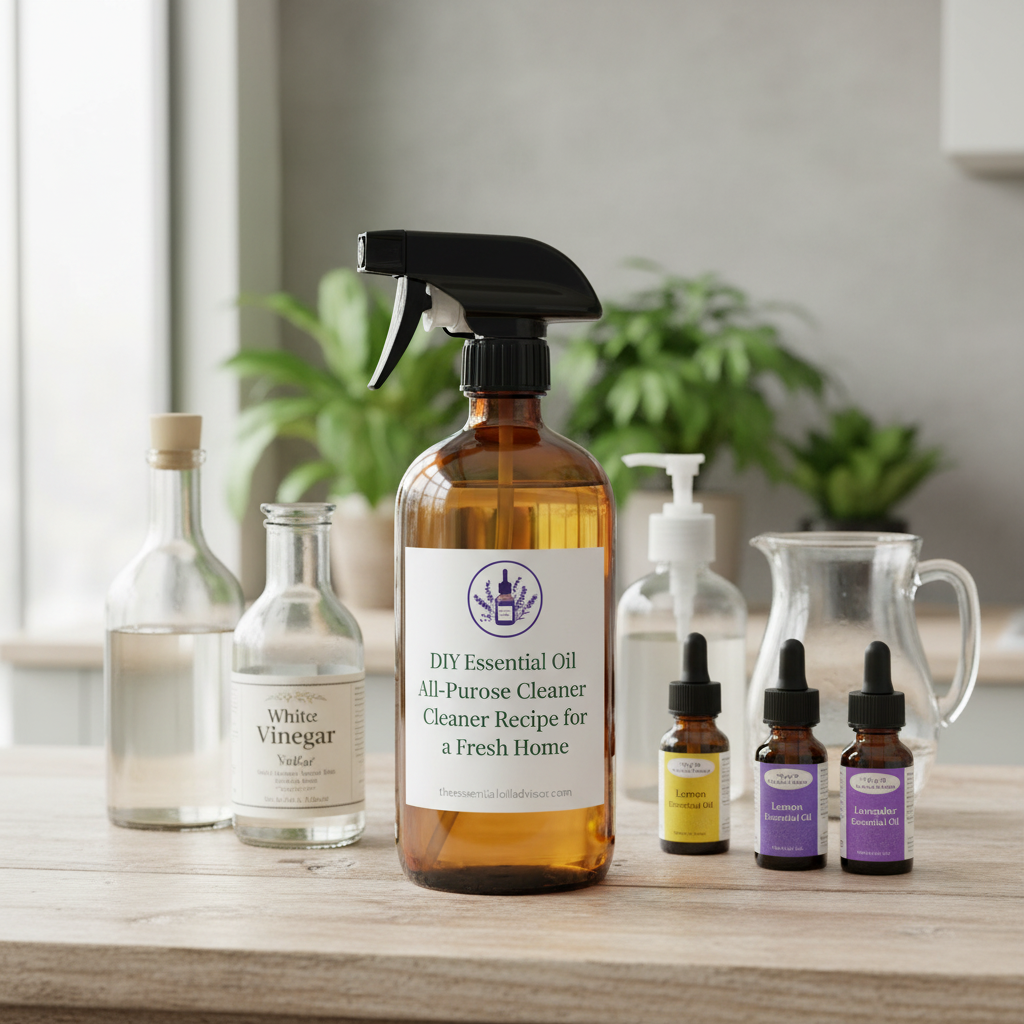
DIY Essential Oil All-Purpose Cleaner Recipe for a Fresh Home
Discover the benefits of this DIY essential oil all-purpose cleaner recipe for a clean, safe, and aromatic household environment.
DIY Exfoliating Face Wash Recipe for Glowing Skin
This simple DIY exfoliating face wash recipe helps you achieve clear, healthy skin using natural ingredients right at home.
DIY Pet Urine Cleaner Recipe with Essential Oils
This DIY pet urine cleaner recipe uses natural ingredients to remove stains and odors safely. Discover how to make your effective pet stain remover today!
DIY Saline Nasal Mist Recipe for Soothing Relief
Discover how this DIY saline nasal mist recipe can provide natural relief for nasal congestion and enhance your respiratory health.
Homemade All-Natural Mouthwash Recipe for Fresh Breath
This recipe provides a natural alternative to harsh mouthwashes, ensuring a refreshing and gentle cleanse for your mouth.
Related Recipes
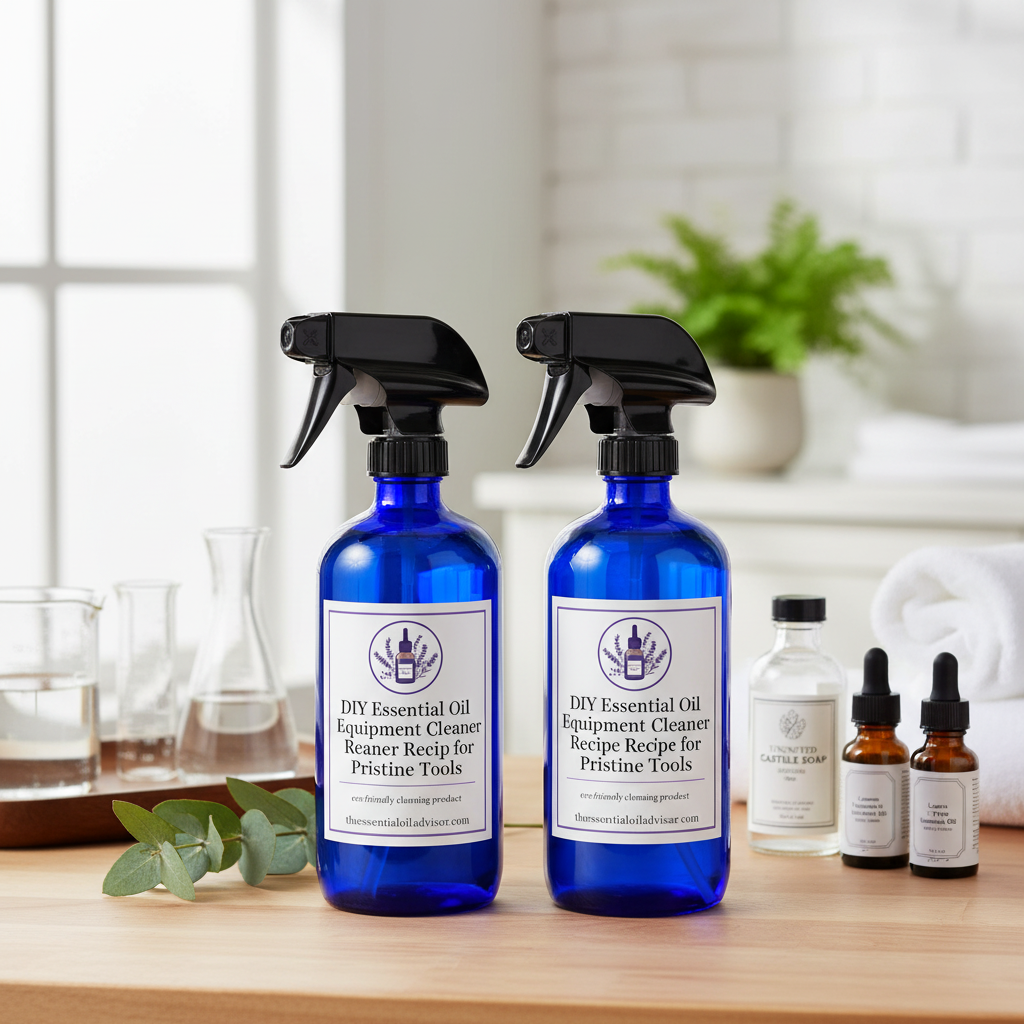
DIY Essential Oil Equipment Cleaner Recipe for Pristine Tools
This DIY essential oil equipment cleaner recipe ensures tools are residue-free, enhancing the quality of your blends while being eco-friendly and effective.
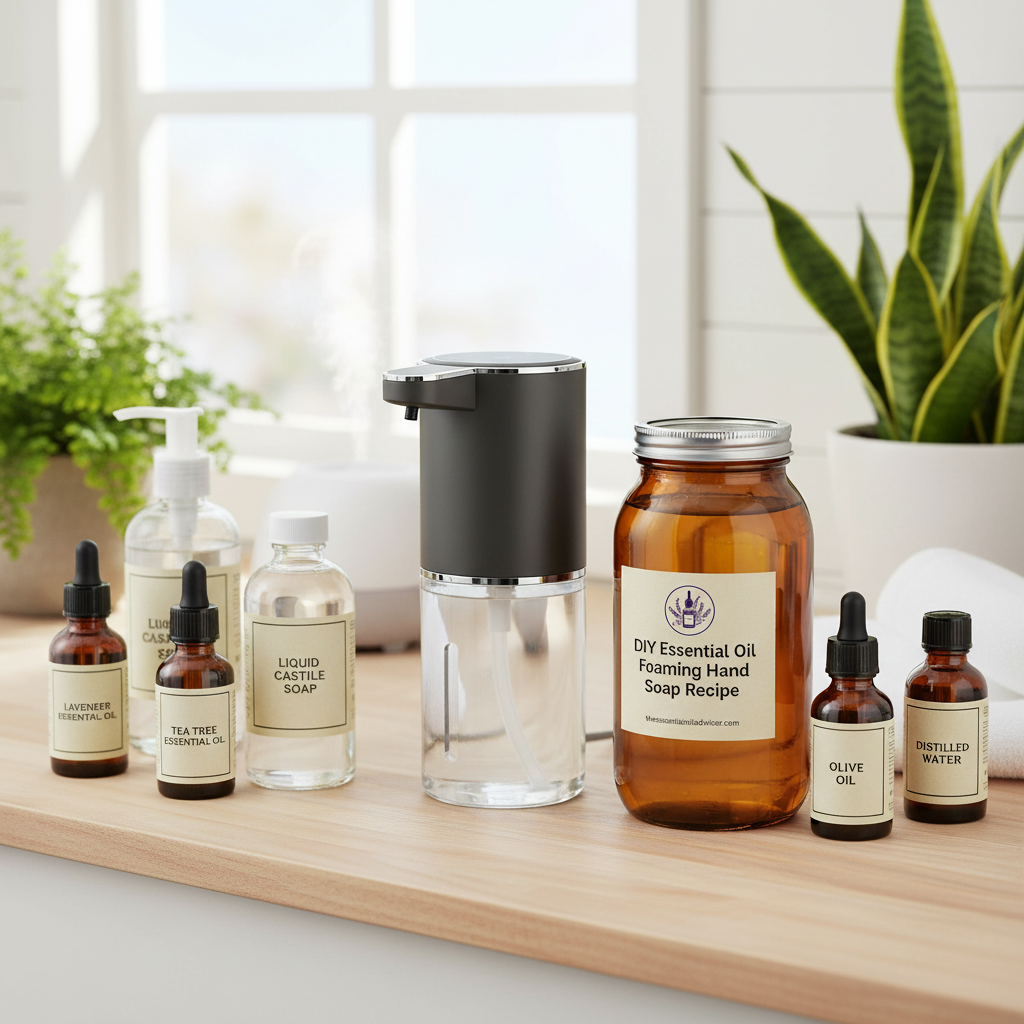
DIY Essential Oil Foaming Hand Soap Recipe
Craft your own moisturizing foaming hand soap using essential oils! This DIY recipe combines natural ingredients for clean, soft hands. Perfect for home use!
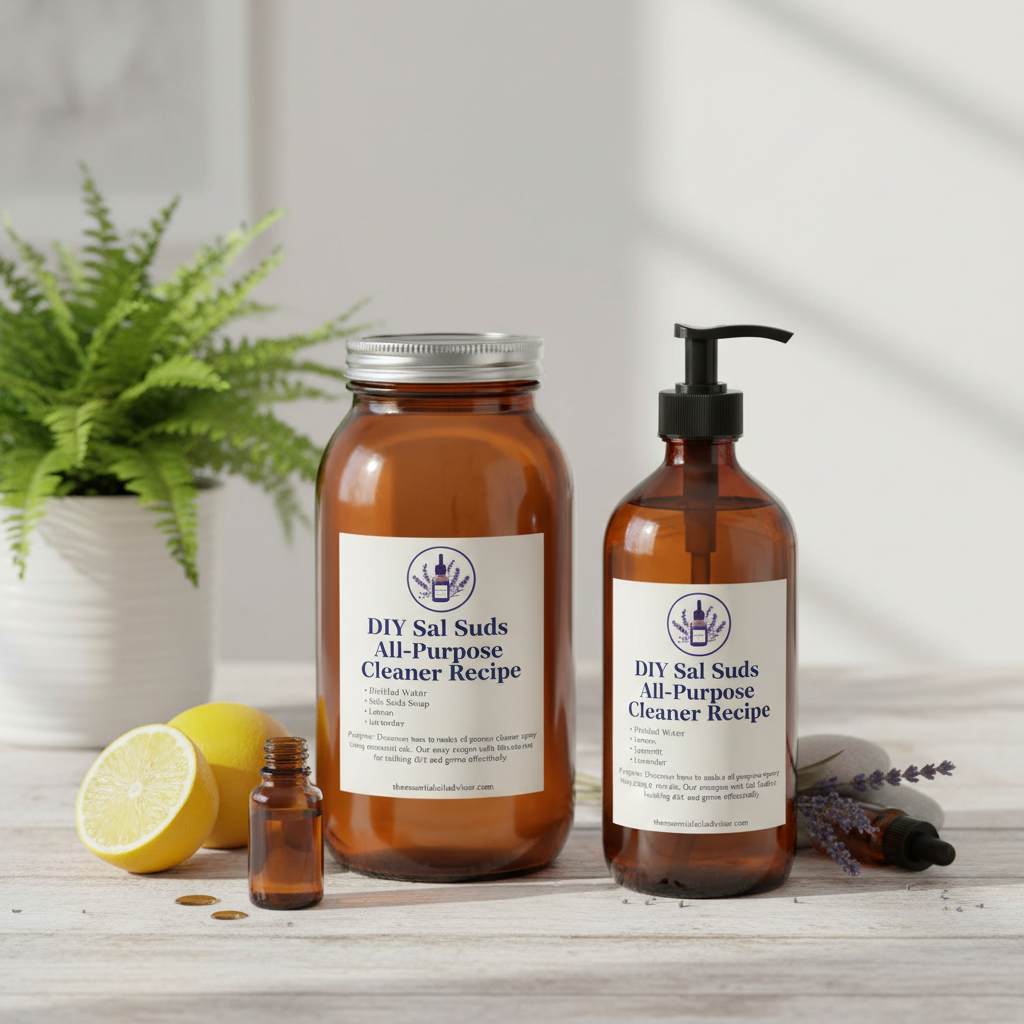
DIY Sal Suds All-Purpose Cleaner Recipe
Discover how to make an all-purpose cleaner spray using essential oils. Our easy recipe with Sal Suds is perfect for tackling dirt and grime effectively.
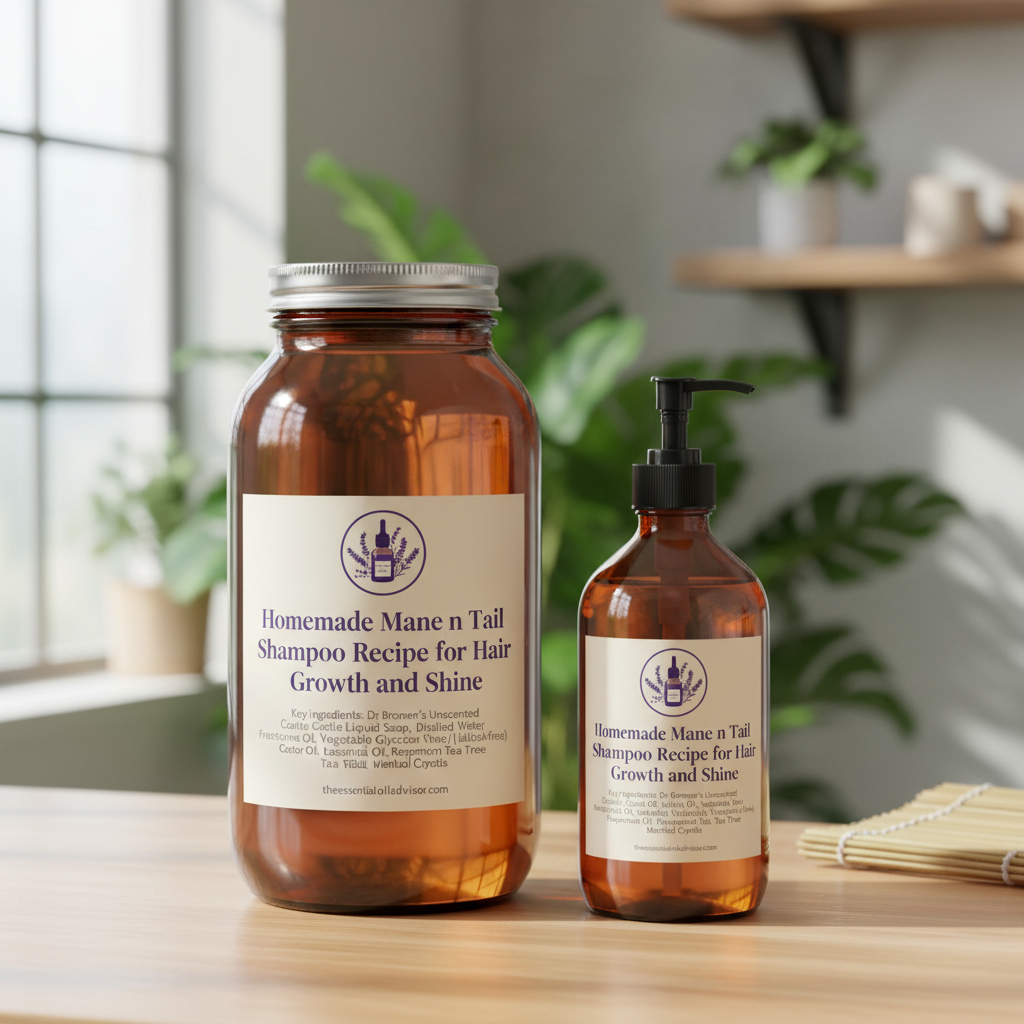
Homemade Mane n Tail Shampoo Recipe for Hair Growth and Shine
This DIY Mane n Tail shampoo recipe promotes hair growth, strengthens strands, reduces breakage, and soothes scalp issues effectively.

Lavender Essential Oil Body Wash Recipe
Discover the perfect Sandalwood essential oil body wash recipe that promotes relaxation, relieves stress, and moisturizes your skin with natural ingredients.
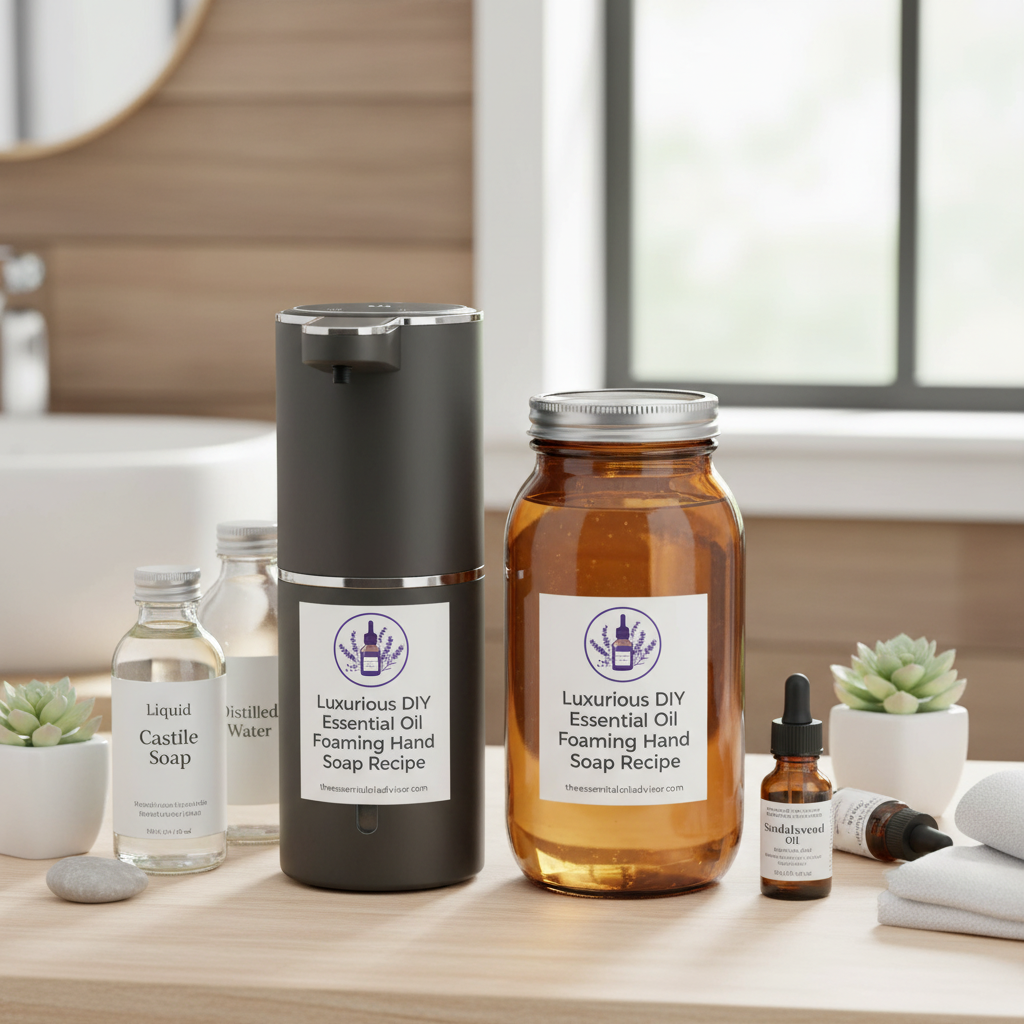
Luxurious DIY Essential Oil Foaming Hand Soap Recipe
Discover this nourishing recipe for a luxurious DIY essential oil foaming hand soap that cleans and hydrates sensitive skin beautifully!