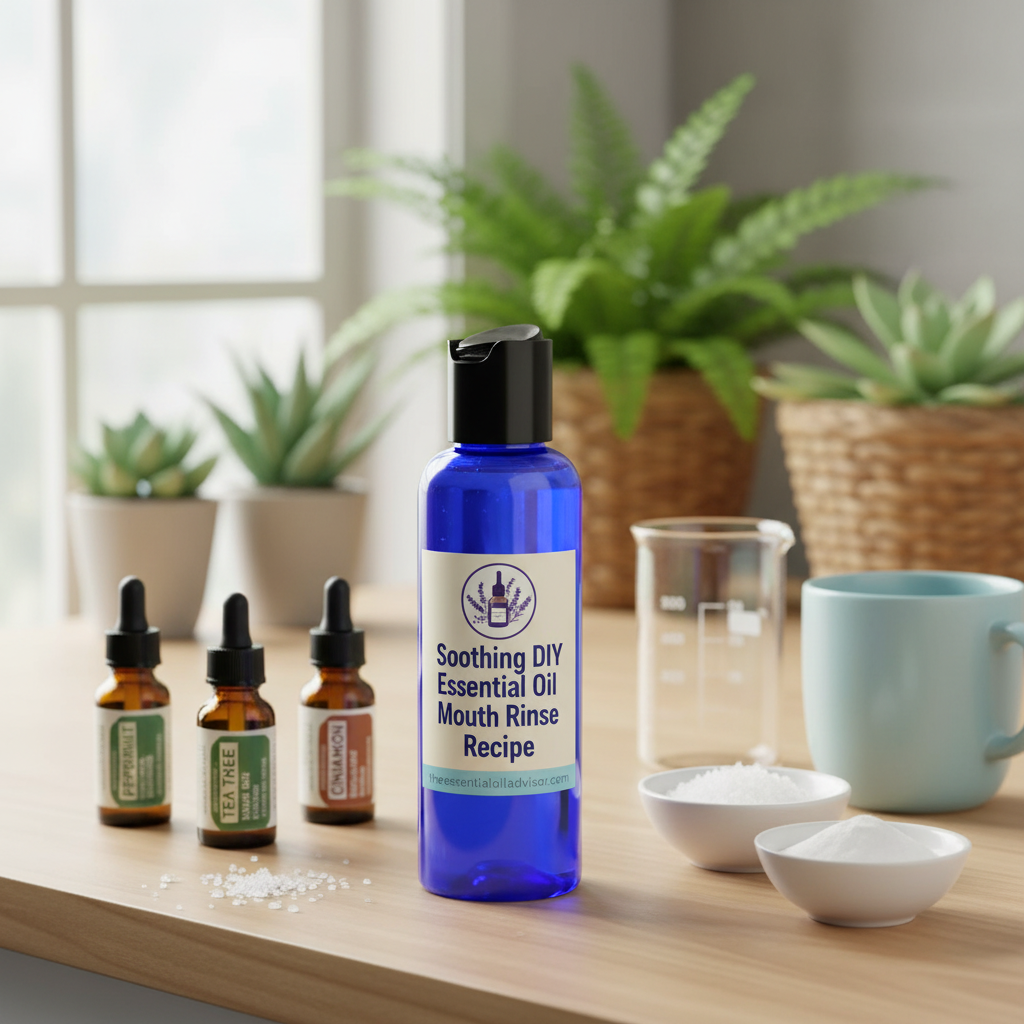
Homemade All-Natural Mouthwash Recipe for Fresh Breath
This recipe provides a natural alternative to harsh mouthwashes, ensuring a refreshing and gentle cleanse for your mouth.
Benefits & What to Expect
Using an all-natural mouthwash offers numerous benefits compared to conventional mouthwashes. Traditional mouthwashes often contain a variety of chemicals such as alcohol, synthetic flavors, and artificial colors that can negatively impact your oral health. These ingredients can lead to dry mouth, irritation, and an imbalance in the natural bacteria present in your mouth.
In contrast, a DIY all-natural mouthwash is made with safe, non-toxic ingredients that can enhance your oral hygiene without harmful side effects. Below are some key benefits of using this homemade mouthwash:
-
Natural Ingredients: Many commercial mouthwashes include artificial ingredients that can be harmful to your health. A DIY mouthwash allows you to choose natural ingredients such as essential oils, baking soda, and herbs that are known for their antibacterial properties.
-
Cost-Effective: Making your own mouthwash is economical. You can create a large batch at a fraction of the cost of store-bought alternatives, without compromising on quality or effectiveness.
-
Personalization: DIY mouthwash recipes can be customized to suit your preferences. Whether you prefer peppermint, tea tree, or cinnamon flavors, you can experiment with different essential oils to find a recipe that appeals to your taste.
-
Environmentally Friendly: By making your own mouthwash, you reduce the need for plastic packaging that is common with commercial oral care products. This eco-friendly approach contributes to minimizing waste and environmental impact.
-
Gentle on Oral Tissue: Commercial mouthwashes can sometimes cause sensitivity or irritation. A natural mouthwash, on the other hand, typically includes soothing ingredients like aloe vera or chamomile that can help reduce inflammation and promote healing in the mouth.
-
Antimicrobial Properties: Many natural ingredients used in DIY mouthwash have proven antimicrobial effects. For instance, tea tree oil and coconut oil can help combat harmful bacteria that cause bad breath and contribute to tooth decay. This helps maintain a healthy oral microbiome.
-
Freshens Breath Naturally: The essential oils used in the recipe not only mask bad breath but also neutralize odor-causing bacteria effectively. This leads to long-lasting freshness without the use of artificial fragrances or sweeteners.
To make your own all-natural mouthwash, you can use simple ingredients such as water, baking soda, essential oils (like peppermint or eucalyptus), and a small amount of sea salt. Simply mix these ingredients and store them in a clean bottle. Shake well before use and incorporate it into your daily oral hygiene routine. Remember to consult with your dentist for personalized advice, especially if you have specific oral health conditions. By switching to a DIY mouthwash, you can achieve a cleaner, fresher mouth using ingredients you trust and understand.
How to Use
Shake well before each use. Swish about a tablespoon of mouthwash in your mouth for 30 seconds, then spit it out.
Original Recipe (below is the converted recipe into different container sizes)
- 4 ozDistilled Water
- 0.17 ozBaking Soda
- 5 mlPeppermint Essential Oil
- 1 mlTea Tree Essential Oil
- 0.17 ozFood-Grade Hydrogen Peroxide (3%)
- 0.25 ozAloe Vera Gel
Instructions
- 1
Ensure your workspace is clean and organized. Gather all ingredients and tools to streamline the process.
- 2
Pour the distilled water (see the ingredients list for the exact amount) into your mixing bowl. This serves as the base of your mouthwash.
- 3
Use a measuring spoon to add the baking soda (see the ingredients list for the exact amount). This will help neutralize acids in the mouth.
- 4
Add the peppermint essential oil (see the ingredients list for the exact amount) and the tea tree essential oil (see the ingredients list for the exact amount). These will provide antibacterial properties and freshen your breath.
- 5
Add the food-grade hydrogen peroxide for its whitening (see the ingredients list for the exact amount) and antibacterial properties.
- 6
Mix in the aloe vera gel for its soothing (see the ingredients list for the exact amount) and healing benefits.
- 7
Use a whisk or stirring spoon to mix the ingredients until the baking soda is fully dissolved.
- 8
Use a funnel to pour the mixture into the glass bottle , ensuring it is filled completely.
- 9
Seal the bottle tightly. Label it with the content and the date for freshness tracking.
- 10
Keep the bottle in a cool, dark place to maintain its efficacy.
- 11
Shake well before each use. Swish about a tablespoon of mouthwash in your mouth for 30 seconds, then spit it out.
- 12
Add a few drops of spearmint or cinnamon essential oil for a different flavor profile (optional).
- 13
Include a few drops of clove oil for added antibacterial properties (optional).
Scaled Ingredients
2 oz to 8 oz
| Ingredient | 2 oz | 4 oz | 8 oz |
|---|---|---|---|
| Distilled Water | 1.67 oz | 3.34 oz | 6.67 oz |
| Baking Soda | 0.07 oz | 0.14 oz | 0.28 oz |
| Peppermint Essential Oil | 2 ml | 4.25 ml | 8.25 ml |
| Tea Tree Essential Oil | 0.5 ml | 0.75 ml | 1.75 ml |
| Food-Grade Hydrogen Peroxide (3%) | 0.07 oz | 0.14 oz | 0.28 oz |
| Aloe Vera Gel | 0.11 oz | 0.21 oz | 0.42 oz |
16 oz to 128 oz
| Ingredient | 16 oz | 32 oz | 64 oz | 128 oz |
|---|---|---|---|---|
| Distilled Water | 13.3 oz | 26.7 oz | 53.4 oz | 106.8 oz |
| Baking Soda | 0.56 oz | 1.13 oz | 2.26 oz | 4.51 oz |
| Peppermint Essential Oil | 16.75 ml | 33.25 ml | 66.75 ml | 133.5 ml |
| Tea Tree Essential Oil | 3.25 ml | 6.75 ml | 13.25 ml | 26.75 ml |
| Food-Grade Hydrogen Peroxide (3%) | 0.56 oz | 1.13 oz | 2.26 oz | 4.51 oz |
| Aloe Vera Gel | 0.85 oz | 1.69 oz | 3.39 oz | 6.77 oz |
Looking for something else?
Essential Oils Used
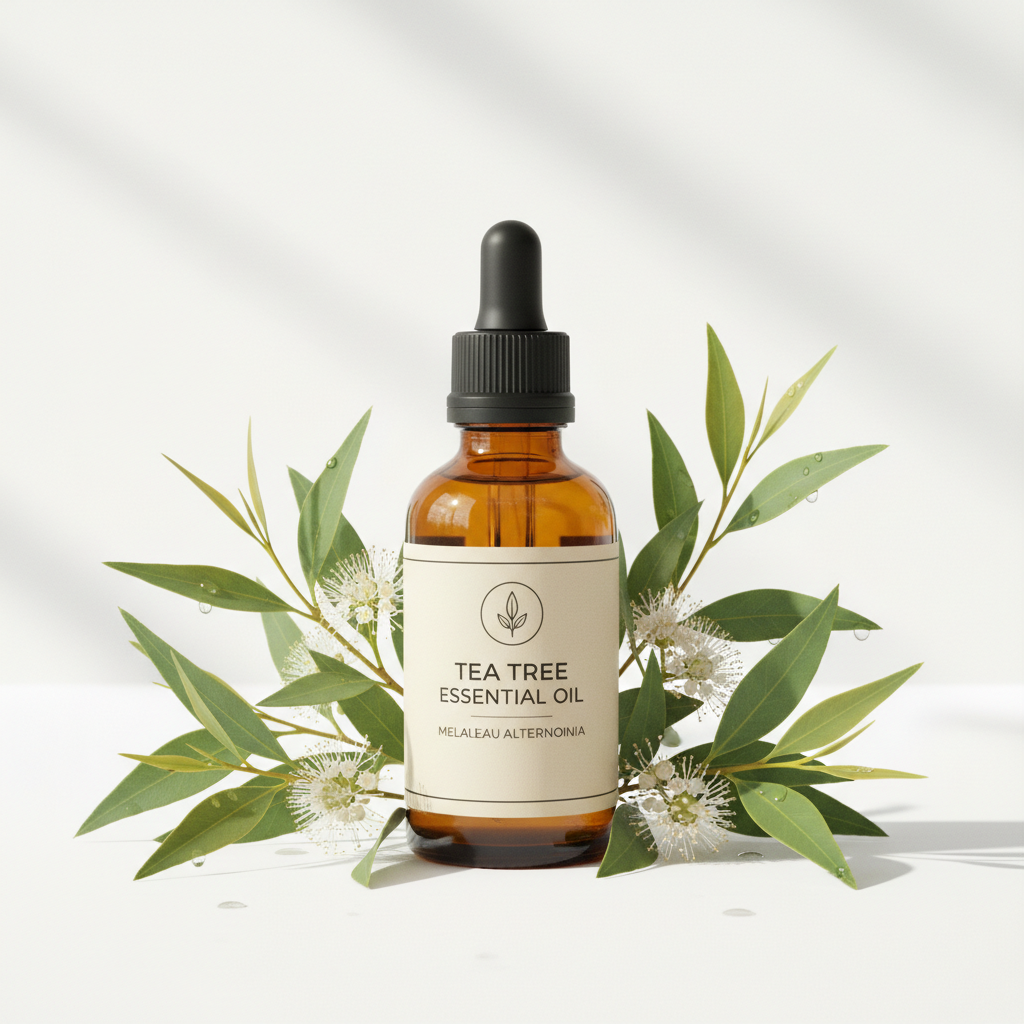
Tea Tree Essential Oil
Melaleuca alternifolia
### What is Tea Tree Essential Oil? Tea Tree essential oil, derived from the leaves of the *Melaleuca alternifolia* plant, is an essential oil praised for its powerful antiseptic and healing properties. Native to Australia, this potent oil has been utilized for centuries, both by indigenous Australians and modern herbalists, for its myriad of therapeutic benefits. ### Origin and Extraction Method Tea Tree oil is extracted through steam distillation of the fresh leaves and twigs of the Tea Tree plant, which is a small tree or shrub indigenous to the southeastern regions of Australia. The extraction process captures the naturally occurring compounds within the plant, yielding a highly concentrated oil rich in beneficial components such as terpinen-4-ol, which is known for its antiseptic qualities. ### Botanical Information The botanical name for Tea Tree is *Melaleuca alternifolia,* belonging to the Myrtaceae family. This evergreen shrub can grow up to 7 meters tall and features narrow leaves and clusters of white flowers. The indigenous population has long recognized the therapeutic potential of this plant, using it as a traditional remedy for various ailments. ### Therapeutic Properties and Benefits Tea Tree essential oil is renowned for its numerous health benefits. Here are some of the key therapeutic properties: - **Antiseptic:** Tea Tree oil is famously known for its ability to fight bacteria and fungi, making it a go-to oil for treating minor cuts and abrasions. - **Anti-inflammatory:** It helps reduce redness and swelling on the skin, thus supporting skin healing. - **Antiviral:** Useful in combating viruses, Tea Tree oil can bolster the immune system, helping to fend off colds and infections. - **Expectorant:** The oil can help clear respiratory pathways, making it beneficial for respiratory health. ### Historical and Traditional Uses Historically, Tea Tree oil was used by Australian Aborigines for bruises, cuts, and skin infections. They crushed the leaves and applied them directly to wounds. In modern herbal medicine, it is used in various formulations, from skin care products to aromatherapy blends. The oil gained global popularity due to its effectiveness and versatility in treating skin conditions, as well as its potent antibacterial qualities. ### Scientific Facts and Research Recent studies have highlighted the efficacy of Tea Tree essential oil in treating skin conditions like acne, athlete's foot, and dandruff. A review published in the *Journal of Dermatology* established that Tea Tree oil is effective against *Propionibacterium acnes,* the bacteria responsible for acne. Research has also shown that it possesses anti-inflammatory effects, making it a valuable component in the treatment of inflammatory skin diseases. ### Aroma Profile and Characteristics Tea Tree essential oil features a fresh, medicinal aroma with earthy, woody undertones. Its unique scent is invigorating and can promote a sense of cleanliness and focus. The aroma is often described as fresh and camphorous, making it a popular component in cleansing products. ### Common Applications and Methods Tea Tree oil can be used in several ways: - **Skincare**: Diluted with a carrier oil for topical applications, it can be used to treat cuts, insect bites, and minor skin irritations. - **Aromatherapy**: Adding a few drops to a diffuser can promote relaxation and mental clarity. - **Household Cleaner**: Its antibacterial properties make it suitable for natural cleaning solutions. - **Hair Care**: Incorporating it in shampoos can help alleviate dandruff and itchy scalp. ### Interesting Facts and Trivia - Tea Tree oil was first discovered by Captain James Cook, who noted the Aborigines using the leaves for medicinal purposes. - It is believed that just a small amount of Tea Tree oil can have a powerful effect when used in skincare routines. - In aromatherapy, it is often combined with other essential oils like lavender for enhanced benefits. In conclusion, Tea Tree essential oil is a versatile and potent oil with numerous benefits for health and wellness. Whether you're using it for skin care, inhalation for respiratory issues, or as a natural cleaner, the myriad of uses make it a staple in holistic therapies and natural health practices. Add Tea Tree essential oil to your collection for an effective tool in maintaining good health and hygiene.
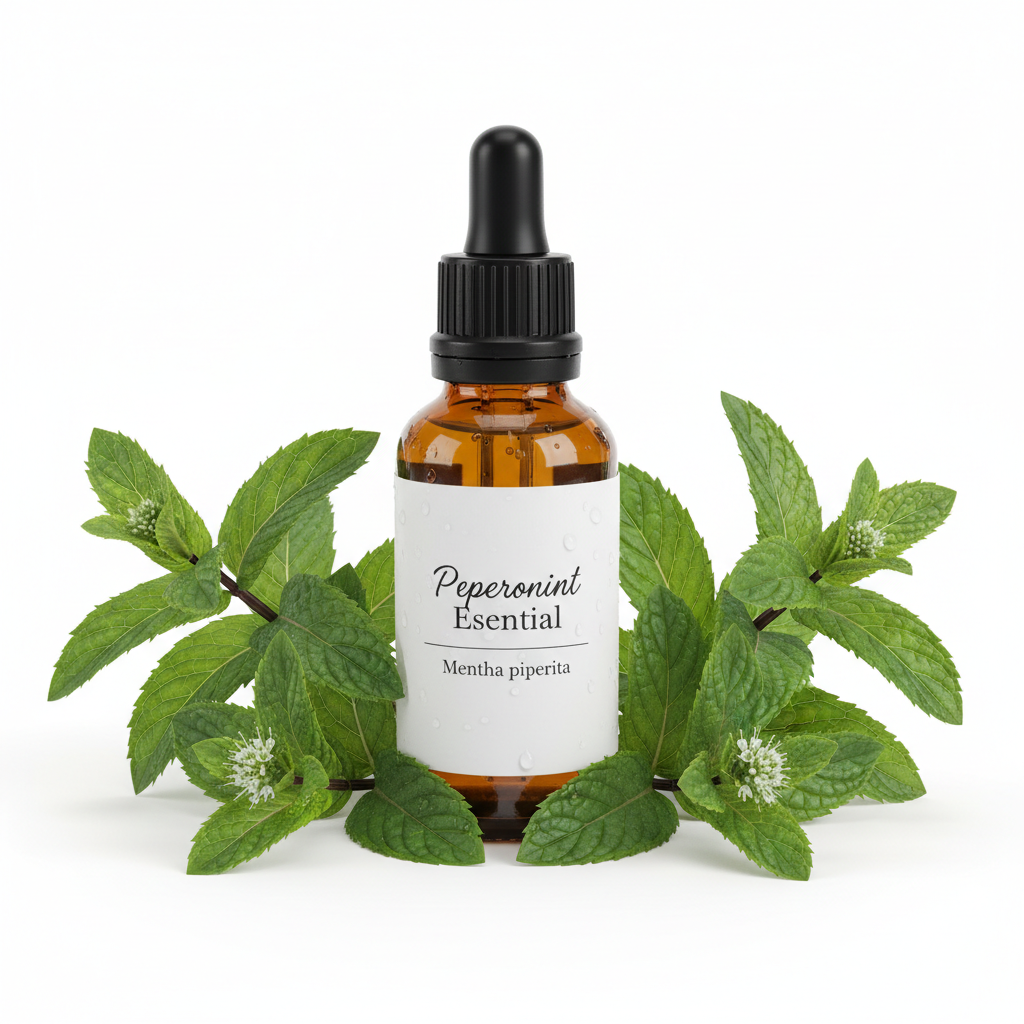
Peppermint Essential Oil
Mentha piperita
Peppermint essential oil, extracted from the leaves of the Mentha piperita plant, is a powerhouse in the world of essential oils due to its versatility and effectiveness. Extracted through steam distillation, this oil retains potent properties and a refreshing minty aroma that has been cherished for centuries. Originating from the Mediterranean region, peppermint has been valued not just for its therapeutic advantages, but also for culinary purposes and as a delightful herbal tea. **Origin and Extraction Method** Peppermint (Mentha piperita) is a hybrid of watermint and spearmint. The oil is extracted from its dark green leaves, showcasing a clear to pale yellow liquid. This essential oil is known for its invigorating aroma thanks to its unique chemical composition, primarily menthol and menthone, which contribute to its therapeutic properties. **Botanical Information** Belonging to the Lamiaceae family, peppermint grows to about 1-3 feet tall with jagged leaves. These leaves are rich in essential oils, making peppermint a highly sought-after plant in both aromatherapy and cooking. **Therapeutic Properties and Benefits** Peppermint essential oil offers an array of therapeutic properties, including: - **Energy Booster**: A few drops can invigorate and enhance physical energy, making it ideal for workouts or long days. - **Headache Relief**: Its cooling properties can alleviate tension headaches when applied to the temples. - **Focus Enhancer**: Inhalation sharpens mental clarity, suitable for studying and work. - **Mood Uplifter**: The fresh scent mitigates stress and anxiety, promoting well-being. - **Mental Fatigue Fighter**: Helps refresh the mind during intensive mental tasks. - **Digestive Support**: Traditionally used to ease digestive issues, promoting gut health. - **Cooling Effect**: Ideal for alleviating symptoms of hot flashes or sunburn. - **Respiratory Aid**: Clears airways, contributing to improved respiratory function. **Historical and Traditional Uses** Peppermint has rich historical roots, dating back to ancient Egypt and Greece, where it was highly regarded for its aromatic properties. In addition to being found in tombs, the Greeks used it in baths, and Egyptians incorporated it into embalming processes. Today, peppermint tea remains a staple in herbal remedies for digestion, evidencing its lasting significance in holistic practices. **Scientific Facts and Research** Current studies back the therapeutic claims of peppermint essential oil. Research indicates that inhaling peppermint can significantly boost cognitive functions, especially during tasks requiring deep concentration. Other studies suggest its efficacy in managing symptoms of irritable bowel syndrome (IBS), lending scientific credence to its traditional uses. **Aroma Profile and Characteristics** Peppermint essential oil is known for its crisp, refreshing scent that possesses a powerful cooling effect. The main components, menthol and menthone, not only provide its charming aroma but also render it beneficial in aromatherapy. This essential oil is rich in antioxidants, and its healing fragrances make it a staple in many wellness practices. **Common Applications and Methods** Peppermint essential oil can be utilized in various ways, enhancing both wellness practices and daily life: - **Aromatherapy**: Diffusing peppermint offers mood enhancement and improved concentration. - **Topical Uses**: Diluted in a carrier oil, it can soothe headaches when massaged on the temples. - **Bath Soaks**: A few drops can refresh bathwater, yielding a relaxing experience. - **Culinary Uses**: Utilized as a flavoring agent, it offers a refreshing taste to dishes and drinks. **Interesting Facts and Trivia** - As one of the most widely used essential oils, peppermint is a staple in aromatherapy. - The name ‘Mentha’ traces back to Greek mythology, named after a nymph transformed into a plant. - Its antibacterial properties make it a popular ingredient in oral hygiene products. In conclusion, peppermint essential oil is an extraordinary natural remedy packed with health benefits. From its energizing capabilities to its digestive support, this essential oil is an invaluable addition to any wellness toolkit, merging traditional wisdom with contemporary science, making it an essential oil worth exploring.