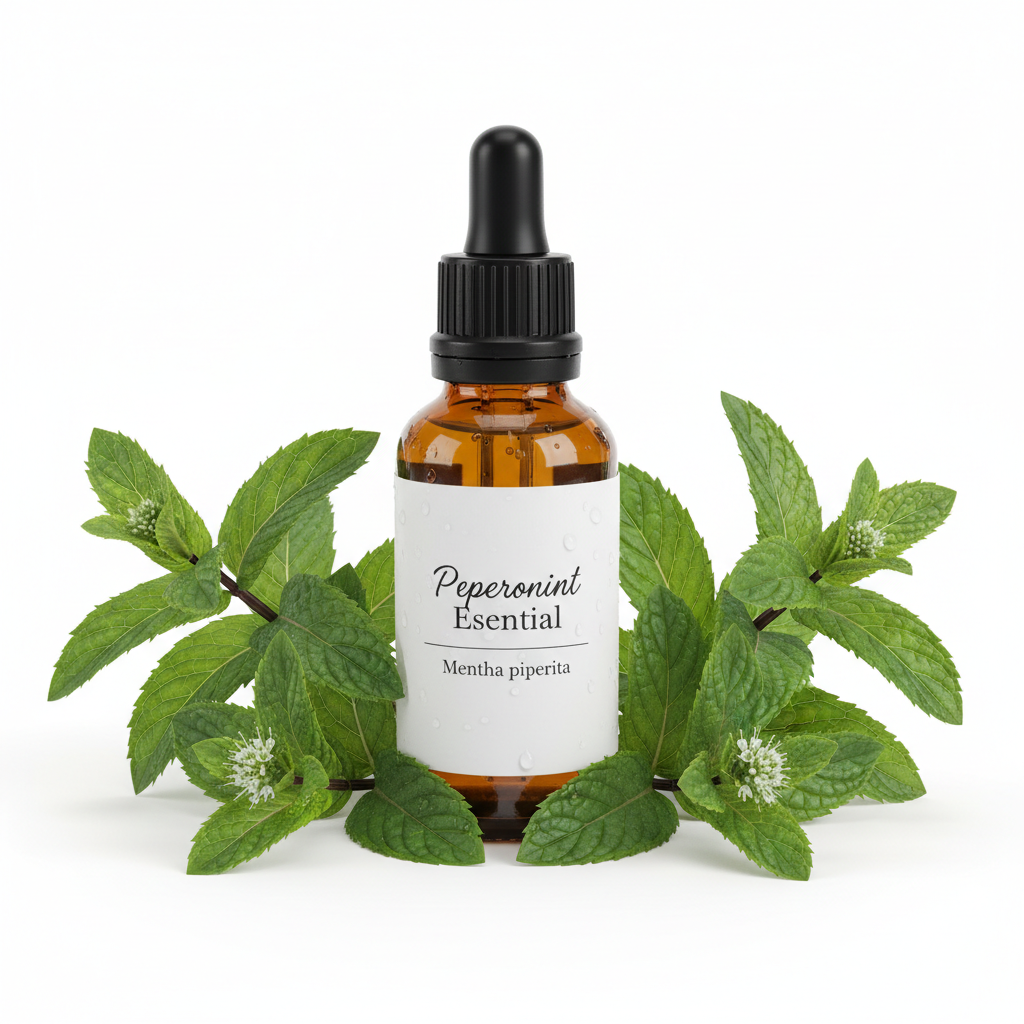
Peppermint Essential Oil
Mentha piperita
Plant Source
Leaves
"Unlock the powerful benefits of peppermint essential oil! Learn about its origins, therapeutic uses, and how it enhances energy and focus. Discover more!"
Peppermint essential oil, extracted from the leaves of the Mentha piperita plant, is a powerhouse in the world of essential oils due to its versatility and effectiveness. Extracted through steam distillation, this oil retains potent properties and a refreshing minty aroma that has been cherished for centuries. Originating from the Mediterranean region, peppermint has been valued not just for its therapeutic advantages, but also for culinary purposes and as a delightful herbal tea.
Origin and Extraction Method
Peppermint (Mentha piperita) is a hybrid of watermint and spearmint. The oil is extracted from its dark green leaves, showcasing a clear to pale yellow liquid. This essential oil is known for its invigorating aroma thanks to its unique chemical composition, primarily menthol and menthone, which contribute to its therapeutic properties.
Botanical Information
Belonging to the Lamiaceae family, peppermint grows to about 1-3 feet tall with jagged leaves. These leaves are rich in essential oils, making peppermint a highly sought-after plant in both aromatherapy and cooking.
Therapeutic Properties and Benefits
Peppermint essential oil offers an array of therapeutic properties, including:
- Energy Booster: A few drops can invigorate and enhance physical energy, making it ideal for workouts or long days.
- Headache Relief: Its cooling properties can alleviate tension headaches when applied to the temples.
- Focus Enhancer: Inhalation sharpens mental clarity, suitable for studying and work.
- Mood Uplifter: The fresh scent mitigates stress and anxiety, promoting well-being.
- Mental Fatigue Fighter: Helps refresh the mind during intensive mental tasks.
- Digestive Support: Traditionally used to ease digestive issues, promoting gut health.
- Cooling Effect: Ideal for alleviating symptoms of hot flashes or sunburn.
- Respiratory Aid: Clears airways, contributing to improved respiratory function.
Historical and Traditional Uses
Peppermint has rich historical roots, dating back to ancient Egypt and Greece, where it was highly regarded for its aromatic properties. In addition to being found in tombs, the Greeks used it in baths, and Egyptians incorporated it into embalming processes. Today, peppermint tea remains a staple in herbal remedies for digestion, evidencing its lasting significance in holistic practices.
Scientific Facts and Research
Current studies back the therapeutic claims of peppermint essential oil. Research indicates that inhaling peppermint can significantly boost cognitive functions, especially during tasks requiring deep concentration. Other studies suggest its efficacy in managing symptoms of irritable bowel syndrome (IBS), lending scientific credence to its traditional uses.
Aroma Profile and Characteristics
Peppermint essential oil is known for its crisp, refreshing scent that possesses a powerful cooling effect. The main components, menthol and menthone, not only provide its charming aroma but also render it beneficial in aromatherapy. This essential oil is rich in antioxidants, and its healing fragrances make it a staple in many wellness practices.
Common Applications and Methods
Peppermint essential oil can be utilized in various ways, enhancing both wellness practices and daily life:
- Aromatherapy: Diffusing peppermint offers mood enhancement and improved concentration.
- Topical Uses: Diluted in a carrier oil, it can soothe headaches when massaged on the temples.
- Bath Soaks: A few drops can refresh bathwater, yielding a relaxing experience.
- Culinary Uses: Utilized as a flavoring agent, it offers a refreshing taste to dishes and drinks.
Interesting Facts and Trivia
- As one of the most widely used essential oils, peppermint is a staple in aromatherapy.
- The name ‘Mentha’ traces back to Greek mythology, named after a nymph transformed into a plant.
- Its antibacterial properties make it a popular ingredient in oral hygiene products.
In conclusion, peppermint essential oil is an extraordinary natural remedy packed with health benefits. From its energizing capabilities to its digestive support, this essential oil is an invaluable addition to any wellness toolkit, merging traditional wisdom with contemporary science, making it an essential oil worth exploring.
Ask AI About Peppermint Essential Oil
Get instant answers about this essential oil
Benefits & Uses
- Boosts energy and alertness
- Improves focus and concentration
- Uplifts mood
- Reduces mental fatigue
- Supports digestive comfort
- Provides cooling sensation
- Relieves minor headaches
- Supports respiratory function
- Cooling scalp treatment
- Refreshes tired feet
- Adds tingle to lip balms
- Natural pest deterrent
- Cleaning products
- Air freshener
- Removes sticky residue
How to Use
Diffuser
Add 2-4 drops to your diffuser. Great combined with citrus oils for an energizing blend.
Topical
Dilute 1-2 drops with carrier oil. Apply to temples for headache relief or to stomach for digestive support.
Inhalation
Inhale directly from the bottle or add to a bowl of hot water for steam inhalation.
Safety & Precautions
Hot oil - always dilute well. Avoid contact with eyes and sensitive areas. Keep away from face of infants and young children.
Who should avoid:
- Children under 6 years
- Those with G6PD deficiency
- During pregnancy (consult doctor)
Recommended Products

Understanding the aromatic layers of Peppermint Essential Oil
Top Notes
Heart Notes
Base Notes
Scent Evolution
Top Notes: First impression, evaporate quickly (15-30 min)
Heart Notes: Main character, last 2-4 hours
Base Notes: Lasting foundation, linger for hours
Complementary essential oils that pair beautifully with Peppermint Essential Oil
Allspice Essential Oil
Pimenta dioica
✓traditional pairing in aromatherapy
Ammi Visnaga Essential Oil
Ammi visnaga
✓enhanced aromatherapy benefits
Angelica Essential Oil
Angelica archangelica
✓traditional pairing in aromatherapy
Angelica Root Essential Oil
Angelica archangelica
✓balanced scent profile
Anise Essential Oil
Pimpinella anisum
✓similar chemical compositions
Anise Seed Essential Oil
Pimpinella anisum
✓similar chemical compositions
Blending Tips
- • Start with 2-3 oils for simple blends
- • Use 3-5 drops total per 10ml carrier oil
- • Let blends sit for 24-48 hours to marry
- • Test on a small skin area first
Calculating for: Peppermint Essential Oil
Recommended: 2% | Max safe: 5%
29.57 ml
Your Recipe
0.59 ml
28.98 ml
💡 Dilution Tips
- • Always do a patch test before full application
- • Children and elderly need lower dilutions (1-2%)
- • Facial products should be gentle (0.5-1%)
- • 1 drop ≈ 0.05 ml (20 drops per ml)
- • Common carrier oils: fractionated coconut, jojoba, sweet almond
Recipes Using Peppermint Essential Oil
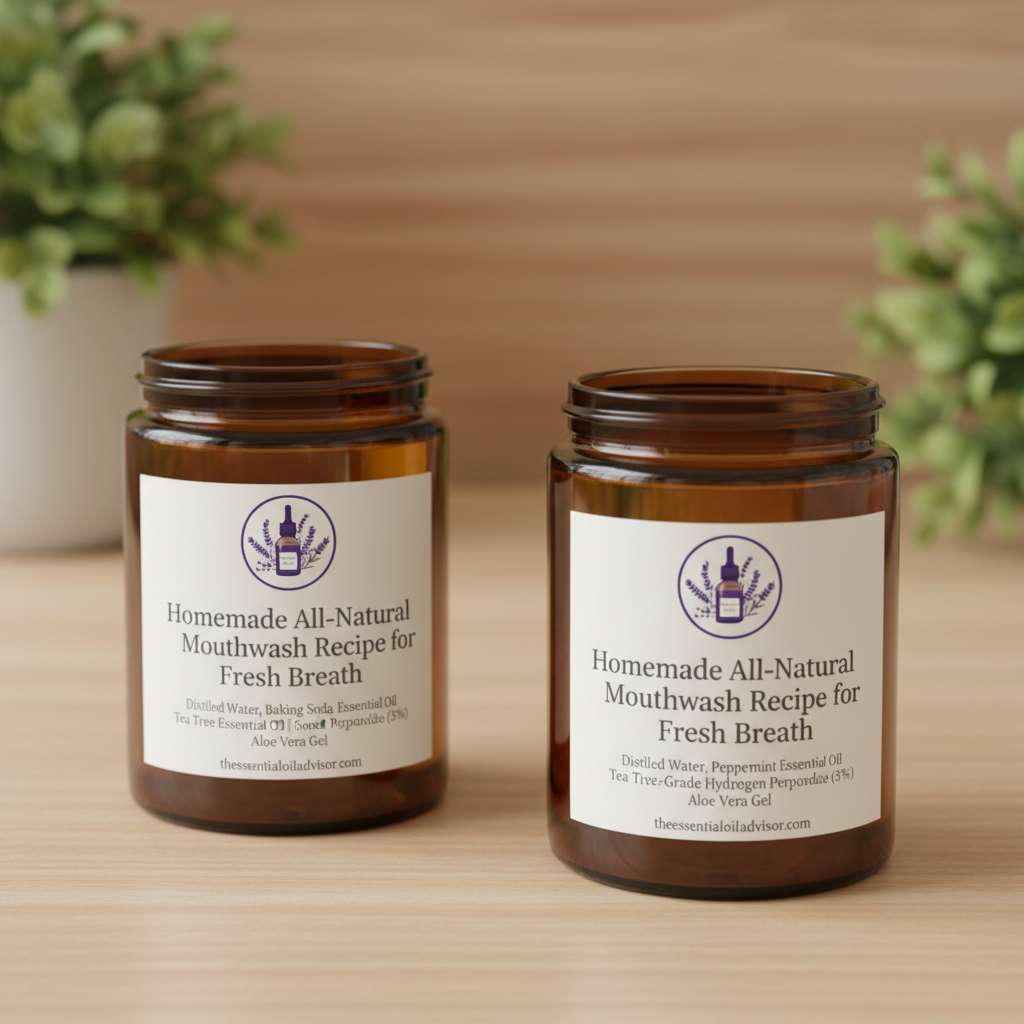
Homemade All-Natural Mouthwash Recipe for Fresh Breath
This recipe provides a natural alternative to harsh mouthwashes, ensuring a refreshing and gentle cleanse for your mouth.
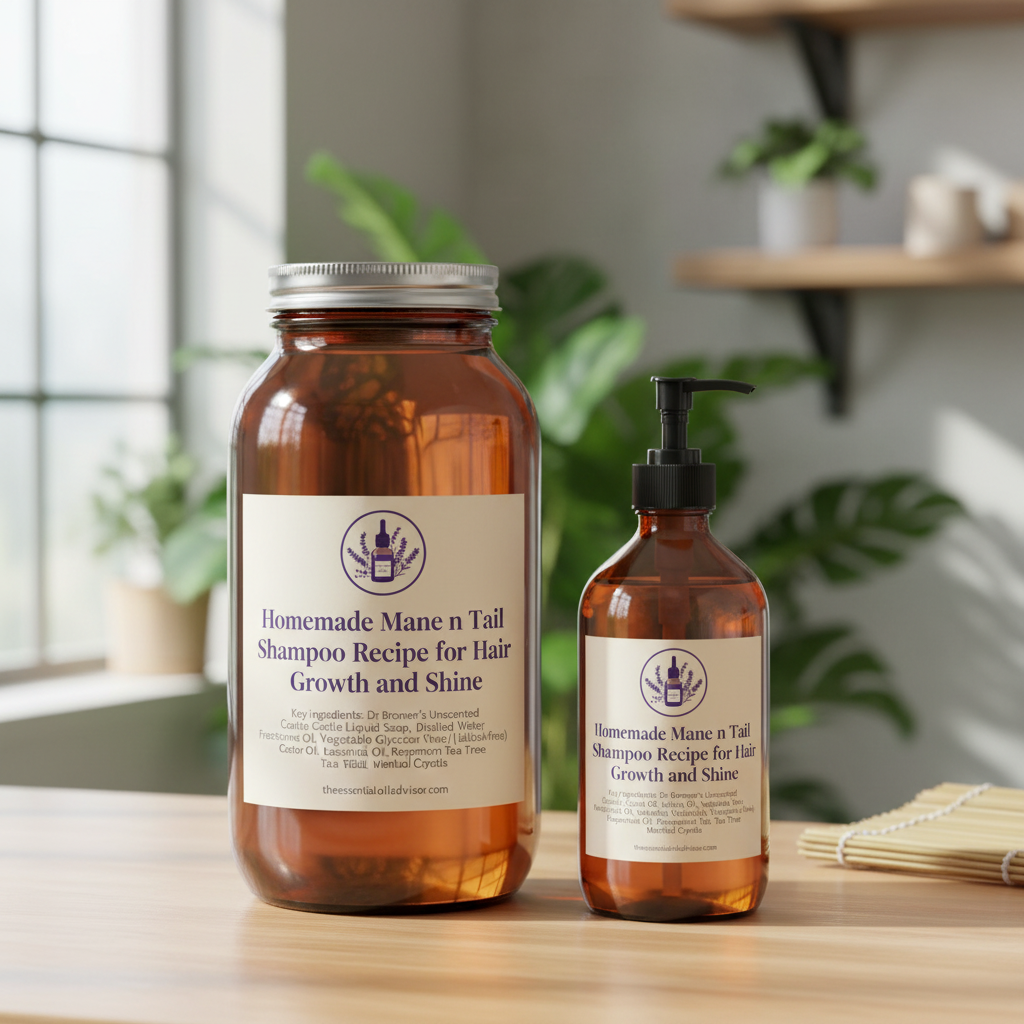
Homemade Mane n Tail Shampoo Recipe for Hair Growth and Shine
This DIY Mane n Tail shampoo recipe promotes hair growth, strengthens strands, reduces breakage, and soothes scalp issues effectively.
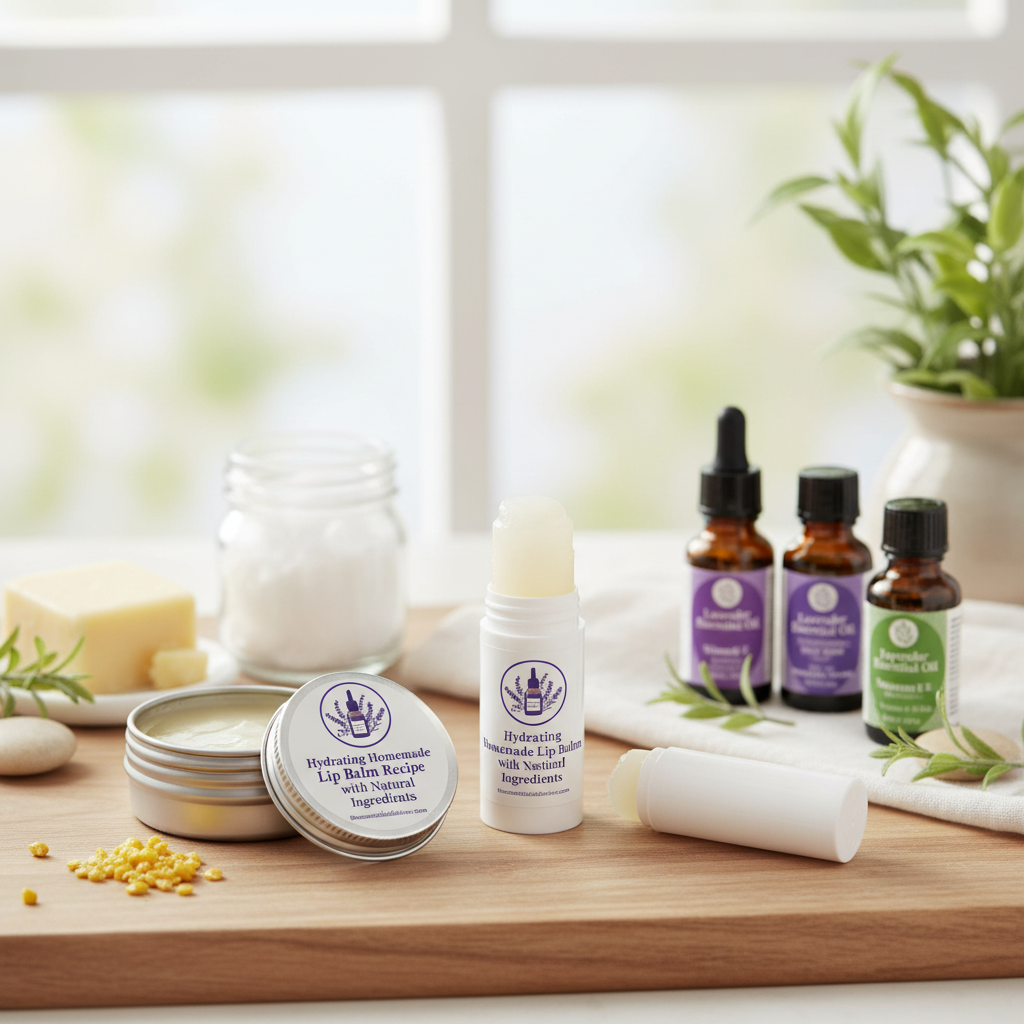
Hydrating Homemade Lip Balm Recipe with Natural Ingredients
Create your own hydrating homemade lip balm with this easy recipe using beeswax, coconut oil, and essential oils for soft and moisturized lips!

Refreshing Brenaige Headache Relief Inhaler Recipe
Discover the ultimate inhaler recipe using essential oils that eases headache pain and promotes relaxation for a soothing experience.
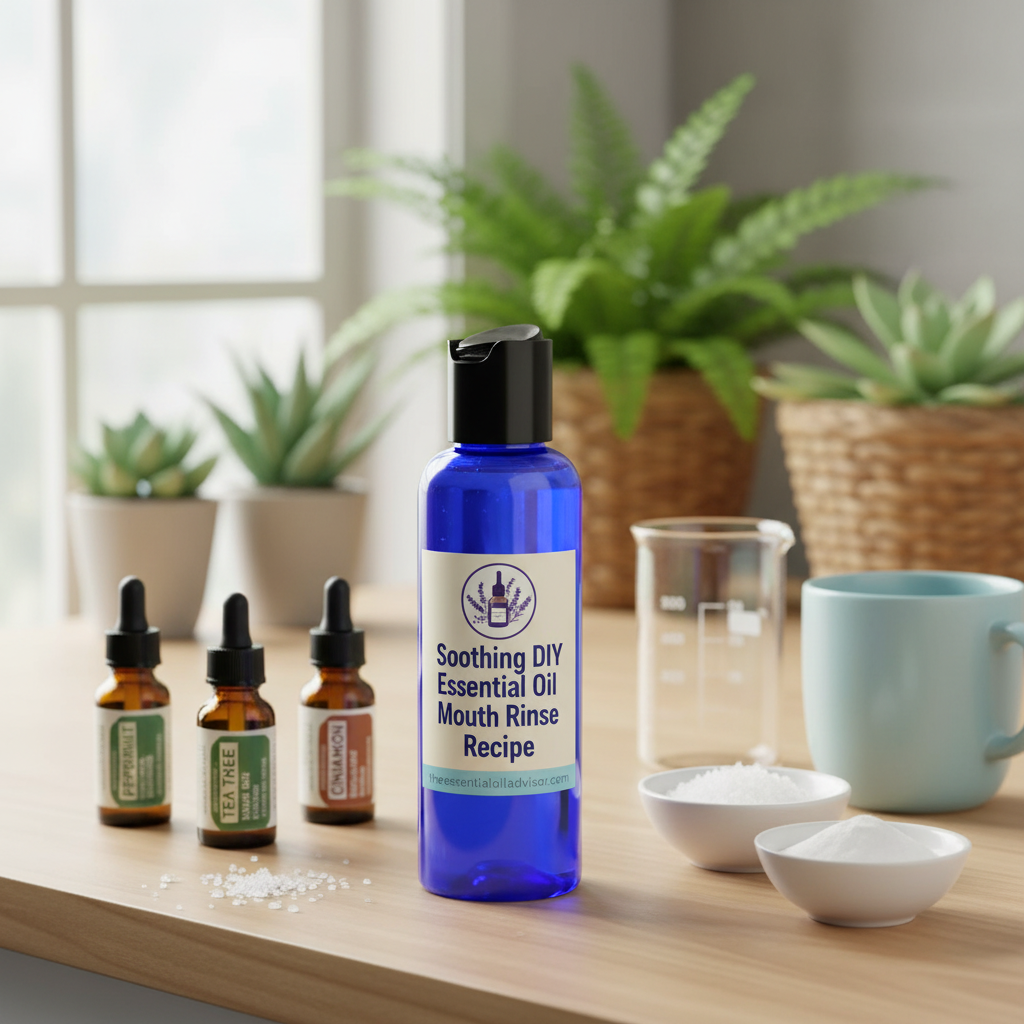
Soothing DIY Essential Oil Mouth Rinse Recipe
Discover this soothing DIY mouth rinse recipe made with essential oils to support oral health, freshen breath, and provide relief from discomfort.