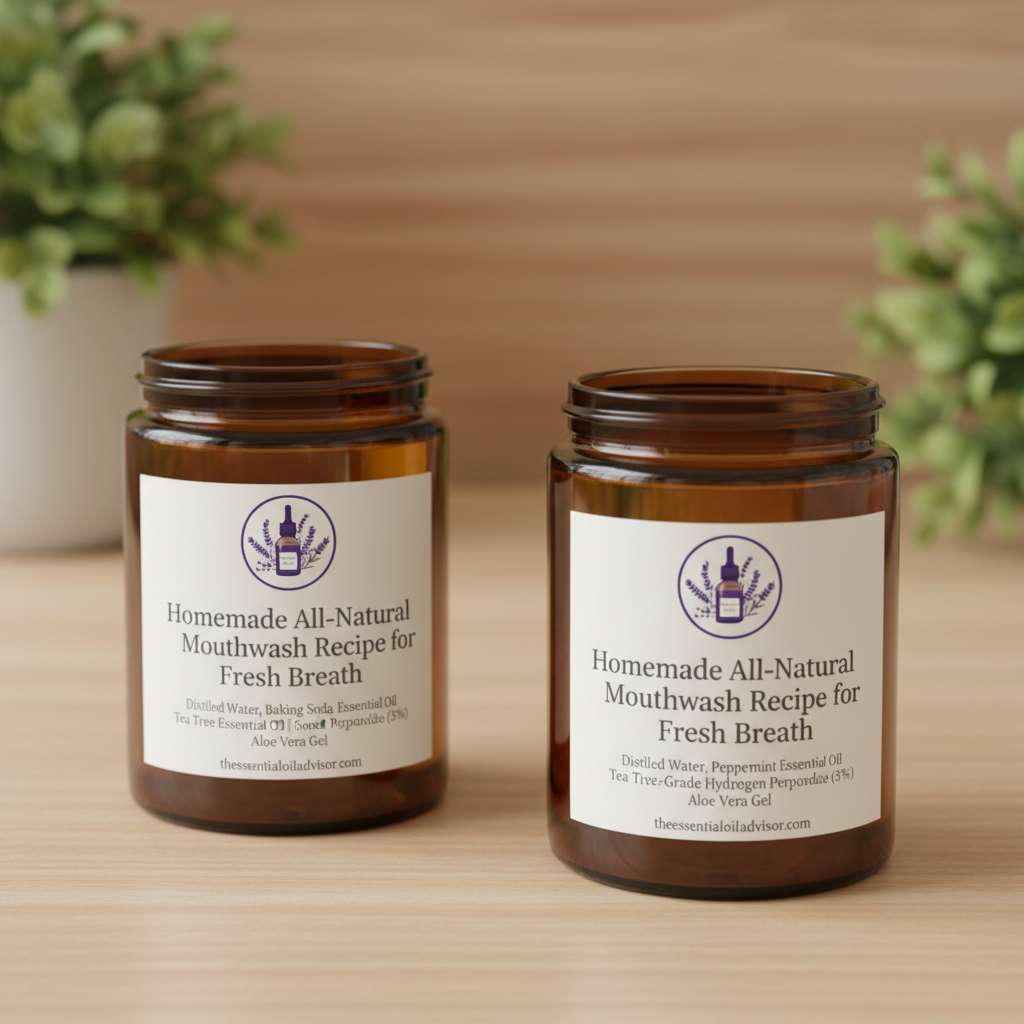
Soothing DIY Essential Oil Mouth Rinse Recipe
Discover this soothing DIY mouth rinse recipe made with essential oils to support oral health, freshen breath, and provide relief from discomfort.
Benefits & What to Expect
What is This Recipe Good For?
This Soothing DIY Essential Oil Mouth Rinse is designed to support oral health while providing a refreshing experience. The combination of carefully selected essential oils and simple ingredients offers a gentle alternative to traditional mouth rinses, aiming to freshen breath, reduce discomfort, and promote general oral hygiene. With the rising interest in natural remedies, this recipe serves those looking to incorporate holistic approaches into their daily health routines.
The mouth rinse is especially beneficial for individuals seeking relief from minor oral discomforts, such as gum sensitivity or occasional bad breath. The essential oils used in this recipe possess strong antimicrobial properties, which can help maintain the oral microbiome balanced and combat odor-causing bacteria. This mouth rinse is a wonderful fit for anyone interested in natural mouth care solutions, including those with sensitive mouths or those who prefer non-chemical alternatives to conventional mouthwash.
Purpose and Who It Helps
The primary purpose of this mouth rinse is to enhance oral hygiene through natural means. This rinse is especially oriented towards individuals who want to avoid artificial ingredients found in commercial products. It caters particularly to people dealing with mild oral discomfort, seeking a remedy that won't irritate sensitive areas. Additionally, those who are health-conscious and prefer DIY approaches to their self-care will find this recipe appealing.
By using this rinse regularly, you can expect better breath freshness and some soothing effects on your gums, contributing to overall oral wellness. However, it’s important to note that this recipe is not intended to replace routine dental care or treatment for serious conditions.
Ingredient Breakdown
- Peppermint Essential Oil (0.5 ml): Known for its refreshing flavor and aroma, peppermint oil can help freshen breath and provides a cooling sensation that can soothe oral discomfort.
- Tea Tree Essential Oil (0.2 ml): Renowned for its antimicrobial properties, tea tree oil can assist in reducing bacteria levels in the mouth, promoting a healthier oral environment.
- Distilled Water (7.52 oz): Acts as a base for the rinse and helps to dissolve the other ingredients to create a suitable mouth rinse solution.
- Non-Iodized Sea Salt (0.1 oz): Gentle on the gums, salt can help reduce inflammation and provide a soothing effect to oral tissues when dissolved in water.
- Baking Soda (0.1 oz): Known for its alkalizing properties, baking soda may help neutralize acids in the mouth and enhance the overall effectiveness of the rinse.
- Clove Essential Oil (as desired, optional): Often used for its numbing effects, clove may provide additional relief for discomforts in the mouth.
- Cinnamon Essential Oil (as desired, optional): This spice not only adds flavor but also contains natural antimicrobial properties that may aid in oral health.
Usage Scenarios and Practical Tips
To use the mouth rinse, simply shake the bottle well before each application. Swish about one tablespoon of the rinse in your mouth for 30 seconds to one minute, allowing the essential oils to work their magic, then spit out. For best results, incorporate the rinse into your daily oral hygiene routine, ideally after brushing your teeth. This rinse can be used once or twice daily, but be cautious not to swallow any of the mixture.
For added flavor and efficacy, customize your rinse by adjusting the amount of optional ingredients according to your preference and tolerance. Keep in mind that individual responses may vary, so start with a smaller amount if you are introducing new essential oils.
Results Timeline
While some users may experience immediate freshness after using the mouth rinse, benefits such as prolonged breath freshness and soothing effects on discomfort may take several uses to become evident. Regular use can lead to noticeable improvements in overall mouthfeel and cleanliness within a week. For ongoing benefits, integrate this rinse into your daily routine consistently.
Safety and Dilution Guidance
- Avoid swallowing the mouth rinse to ensure safety, especially due to the essential oils.
- Before adding optional essential oils like clove or cinnamon, ensure you are not sensitive or allergic to them.
- Always consult with a healthcare professional before introducing essential oils, especially if it involves children or if you have pre-existing health conditions.
- Store the mouth rinse in a cool, dark place to maintain the integrity of the ingredients.
How to Use
Before each use, shake the bottle well. Swish about 1 tablespoon of the rinse in your mouth for 30 seconds to 1 minute, then spit out. Use the rinse once or twice daily, preferably after brushing your teeth, for optimal benefits. Avoid swallowing.
Original Recipe (below is the converted recipe into different container sizes)
- 0.5 mlPeppermint Essential Oil
- 0.25 mlTea Tree Essential Oil
- 7.52 ozDistilled Water
- 0.1 ozNon-Iodized Sea Salt
- 0.1 ozBaking Soda
- as desired (optional)Clove Essential Oil
- as desired (optional)Cinnamon Essential Oil
Equipment
Instructions
- 1
Find a clean, flat surface in your kitchen to work on. Lay out all your ingredients and utensils so everything is within reach.
- 2
Using a measuring cup, pour the distilled water (see the ingredients list for the exact amount) into your small mixing bowl. Distilled water is recommended because it is free of impurities that might interfere with the essential oils.
- 3
Use a measuring spoon to measure the baking soda (see the ingredients list for the exact amount) and add it to the water. Baking soda helps neutralize acids in the mouth and can whiten teeth.
- 4
Measure the sea salt flakes (see the ingredients list for the exact amount). Add them to the water and stir with a spoon until both the baking soda and salt are completely dissolved.
- 5
Carefully add the Peppermint Oil (see the ingredients list for the exact amount).
- 6
Add the Tea Tree Oil (see the ingredients list for the exact amount).
- 7
Stir the mixture thoroughly to ensure the oils are evenly distributed. Essential oils are potent, so precise measurement is key to balancing the benefits without overwhelming the senses.
- 8
With the funnel in place, pour the mixture into one the glass bottle (see the ingredients list for the exact amount). The funnel helps prevent spills and ensures the liquid is transferred cleanly into the bottle.
- 9
Secure the lid tightly. Gently shake the bottle to combine the ingredients further.
Scaled Ingredients
2 oz to 8 oz
| Ingredient | 2 oz | 4 oz | 8 oz |
|---|---|---|---|
| Peppermint Essential Oil | 0.25 ml | 0.25 ml | 0.5 ml |
| Tea Tree Essential Oil | 0.25 ml | 0.25 ml | 0.25 ml |
| Distilled Water | 1.94 oz | 3.88 oz | 7.77 oz |
| Non-Iodized Sea Salt | 0.03 oz | 0.05 oz | 0.1 oz |
| Baking Soda | 0.03 oz | 0.05 oz | 0.1 oz |
| Clove Essential Oil | as desired | as desired | as desired |
| Cinnamon Essential Oil | as desired | as desired | as desired |
16 oz to 128 oz
| Ingredient | 16 oz | 32 oz | 64 oz | 128 oz |
|---|---|---|---|---|
| Peppermint Essential Oil | 1 ml | 2 ml | 4.25 ml | 8.25 ml |
| Tea Tree Essential Oil | 0.5 ml | 0.75 ml | 1.75 ml | 3.25 ml |
| Distilled Water | 15.5 oz | 31.1 oz | 62.2 oz | 124.3 oz |
| Non-Iodized Sea Salt | 0.21 oz | 0.41 oz | 0.83 oz | 1.65 oz |
| Baking Soda | 0.21 oz | 0.41 oz | 0.83 oz | 1.65 oz |
| Clove Essential Oil | as desired | as desired | as desired | as desired |
| Cinnamon Essential Oil | as desired | as desired | as desired | as desired |
Looking for something else?
Essential Oils Used
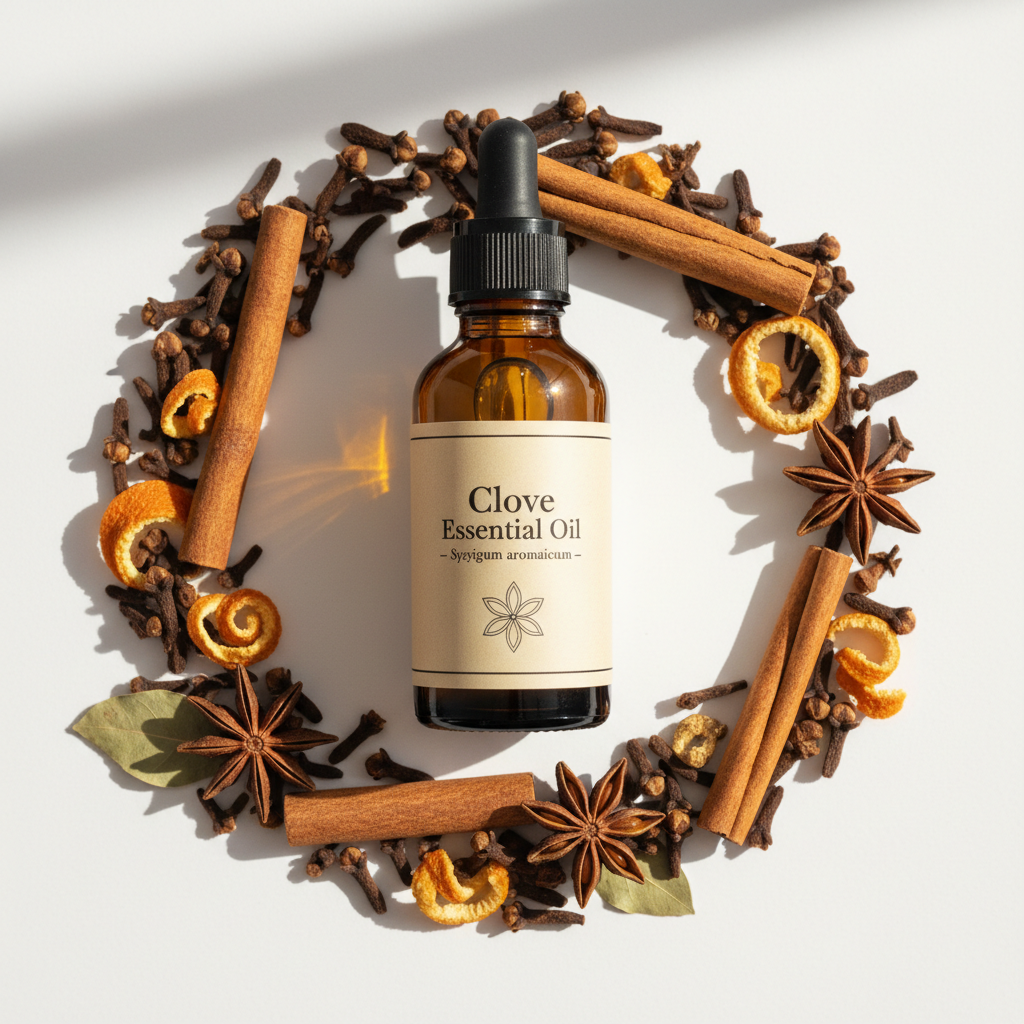
Clove Essential Oil
Syzygium aromaticum
### Introduction to Clove Essential Oil Clove essential oil, derived from the dried flower buds of the Syzygium aromaticum tree, is celebrated for its rich, warm, and spicy aroma. This essential oil has been a staple in various traditional practices for centuries, known for its therapeutic properties and versatility in both wellness and culinary applications. ### Origin and Extraction Method The extraction method plays a crucial role in preserving the quality of essential oils. Clove essential oil is obtained through steam distillation of the flower buds, which allows for the retention of its potent compounds such as eugenol, the oil's primary constituent. Clove trees are native to the Spice Islands in Indonesia, but today, they are cultivated in various tropical regions around the world, including Madagascar and Sri Lanka, where the ideal climate conditions support their growth. ### Botanical Information Syzygium aromaticum, commonly known as the clove tree, can grow up to 20 meters tall. The tree produces aromatic flower buds that are harvested just before they bloom. These buds are hand-picked and dried in the sun, before being processed for oil extraction. The primary bioactive ingredient in clove oil is eugenol, which is responsible for much of its health benefits and characteristic scent. ### Therapeutic Properties and Benefits Clove essential oil is renowned for its numerous health benefits, which include: 1. **Analgesic Properties**: Clove oil is often used for relieving pain, particularly for toothaches and muscular soreness. 2. **Antimicrobial Effects**: Its strong antimicrobial properties contribute to fighting off bacteria and viruses, making it beneficial for oral health and overall immunity. 3. **Stress Relief**: The warm aroma of clove oil can help reduce feelings of stress and anxiety, promoting a sense of calmness. 4. **Mood Enhancement**: Clove oil is known to help uplift mood and promote emotional well-being. 5. **Enhanced Focus**: Its stimulating scent can improve concentration and clarity of thought. 6. **Improved Circulation**: Clove oil can help improve blood circulation, which is vital for overall health and energy levels. 7. **Digestive Aid**: It can alleviate digestive issues, including nausea and discomfort. ### Historical and Traditional Uses Historically, clove oil has been utilized across cultures for medicinal purposes. Ancient civilizations, including the Greeks and Romans, utilized clove for its unique flavor and antiseptic properties. In traditional Chinese and Ayurvedic medicine, clove has been recommended for its warming qualities and is often used to treat digestive issues. ### Scientific Facts and Research Recent scientific studies have begun to validate the traditional uses of clove oil. Research has shown that eugenol possesses significant anti-inflammatory and antioxidant properties, which can contribute to overall health. Studies suggest that clove oil can also play a role in reducing oxidative stress in the body. ### Aroma Profile and Characteristics Clove essential oil has a complex and rich aroma profile. Its scent can be described as warm, spicy, and slightly sweet, making it a popular ingredient in perfumery and aromatherapy. The oil’s strong fragrance is not only comforting but can also evoke feelings of nostalgia, often associated with holiday seasons and spice blends. ### Common Applications and Methods of Use Clove essential oil can be used in various ways for maximum benefit: - **Aromatherapy**: Diffuse in a room to enhance mood and mental clarity. - **Massage Oil**: Dilute with a carrier oil like coconut or jojoba oil for application to sore muscles or tense areas. - **Dental Care**: Mix with a carrier oil for a natural remedy to relieve tooth pain and promote oral health. - **Skin Care**: Dilute appropriately for application to troubled skin areas, but always conduct a patch test first. ### Interesting Facts and Trivia - The clove tree can live up to 100 years, providing a sustainable source of essential oil. - Clove oil is often used in food preservation due to its antimicrobial properties. - In some cultures, clove has represented wealth and prosperity, often gifted during festivals and celebrations. ### Conclusion Clove essential oil is not just a fragrant addition to your wellness toolkit; it is a powerhouse of benefits backed by tradition and science. From pain relief to mood enhancement, this oil is a must-have for anyone interested in the natural healing properties of essential oils.
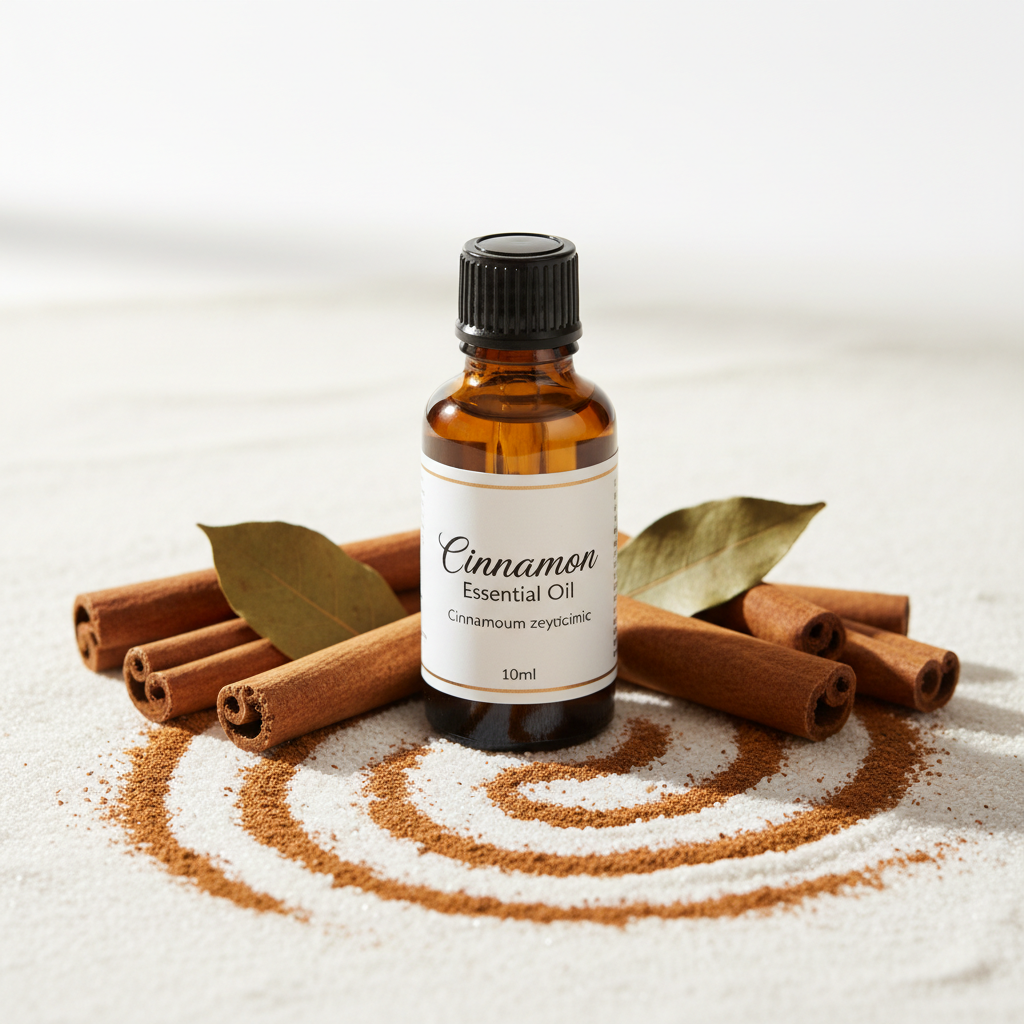
Cinnamon Essential Oil
Cinnamomum zeylanicum
Cinnamon essential oil is a captivating and versatile oil derived from the bark of the Cinnamomum zeylanicum tree, also known as Ceylon cinnamon. This oil has been treasured for centuries not only for its invigorating warm and spicy aroma but also for its comprehensive therapeutic properties. ### Origin and Extraction Method Cinnamon essential oil originates from the Cinnamomum zeylanicum, a tree native to Sri Lanka and a few other regions in Southeast Asia. The essential oil is extracted through the steam distillation of the tree's bark, a process that preserves its natural aroma and therapeutic properties. The extraction process is crucial, as it must be done carefully to maintain the integrity of the oil and maximize its health benefits. The resulting oil is rich in compounds like cinnamaldehyde, eugenol, and linalool, which contribute to its unique smell and health benefits. ### Botanical Information The botanical family of cinnamon is Lauraceae. Cinnamomum zeylanicum grows up to 10 meters tall and has thick, ovate leaves and small, yellow flowers. The bark has a fragrant aroma and is typically harvested when the tree is about two years old. The thin, curled pieces of bark used for extraction are a staple in both culinary and medicinal applications, revered for their contribution to flavor and health. ### Therapeutic Properties and Benefits Cinnamon essential oil is known for its extraordinary therapeutic properties. It possesses strong **antimicrobial** and **anti-inflammatory** effects, making it an excellent choice for various health applications: - **Enhances Mood:** The warm scent of cinnamon lifts spirits and creates a relaxing environment, making it a popular choice in aromatherapy. - **Reduces Stress:** Its comforting aroma can alleviate feelings of anxiety and stress, paving the way for relaxation. - **Cognitive Clarity:** Cinnamon oil stimulates mental clarity and focus. It is often used in workspaces or study environments to enhance concentration and productivity. - **Supports Respiratory Health:** Its expectorant properties help relieve coughs and clear airways, making it beneficial during cold seasons. - **Encourages Healthy Circulation:** Regular use can promote better blood flow and warmth throughout the body. - **Menstrual Comfort:** Traditionally, it has been used to alleviate menstrual cramps and discomfort, adding to its reputation as a supportive oil during that time. - **Immune System Support:** Cinnamon oil is known to boost the immune system, helping the body fend off infections more effectively. ### Historical and Traditional Uses Cinnamon has a rich history, dating back to ancient Egyptian times, where it was used in embalming and as a spice. In Traditional Chinese Medicine and Ayurvedic practices, cinnamon has been utilized for thousands of years, valued for its warming properties and ability to stimulate circulation. Its significance in various cultures symbolizes prosperity, warmth, and friendship. ### Scientific Facts and Research Research indicates that the active compounds in cinnamon essential oil possess potential antioxidant and antimicrobial effects. A study published in the *Journal of Medicinal Plants Research* found cinnamon oil effective against various pathogens, indicating its usefulness in natural remedies. Other studies highlight its effectiveness in treating respiratory issues and enhancing metabolic health. ### Aroma Profile and Characteristics Cinnamon essential oil has a rich, warm, and spicy aroma, reminiscent of fresh cinnamon bark. Its intense scent is immediately recognizable and invokes feelings of warmth and comfort, making it a beloved choice for holiday blends and seasonal products. ### Common Applications and Methods Cinnamon essential oil can be used in several ways: - **Aromatherapy:** Diffusing cinnamon oil is a favorite method for creating a warm and inviting atmosphere. - **Massage:** When diluted with a carrier oil, it can be used in massage to relieve sore muscles and create a sense of warmth. - **Household Products:** Adding cinnamon oil to homemade cleaning solutions can provide antimicrobial properties and a pleasant scent. - **Culinary Uses:** In small amounts, it can enhance the flavor of various dishes, from baked goods to savory meals. ### Interesting Facts and Trivia - Cinnamon is commonly referred to as the "spice of life" due to its extensive uses. - The ancient Romans considered cinnamon to be a gift fit for emperors. - The use of cinnamon oil in incense is believed to promote a sense of purity and spiritual wellness. In conclusion, cinnamon essential oil is not just a delightful fragrance; it is a powerhouse of therapeutic benefits, rich historical significance, and diverse applications. Whether used for its aroma, health benefits, or culinary enhancements, this oil stands out as an essential addition to any wellness or aromatherapy toolkit.
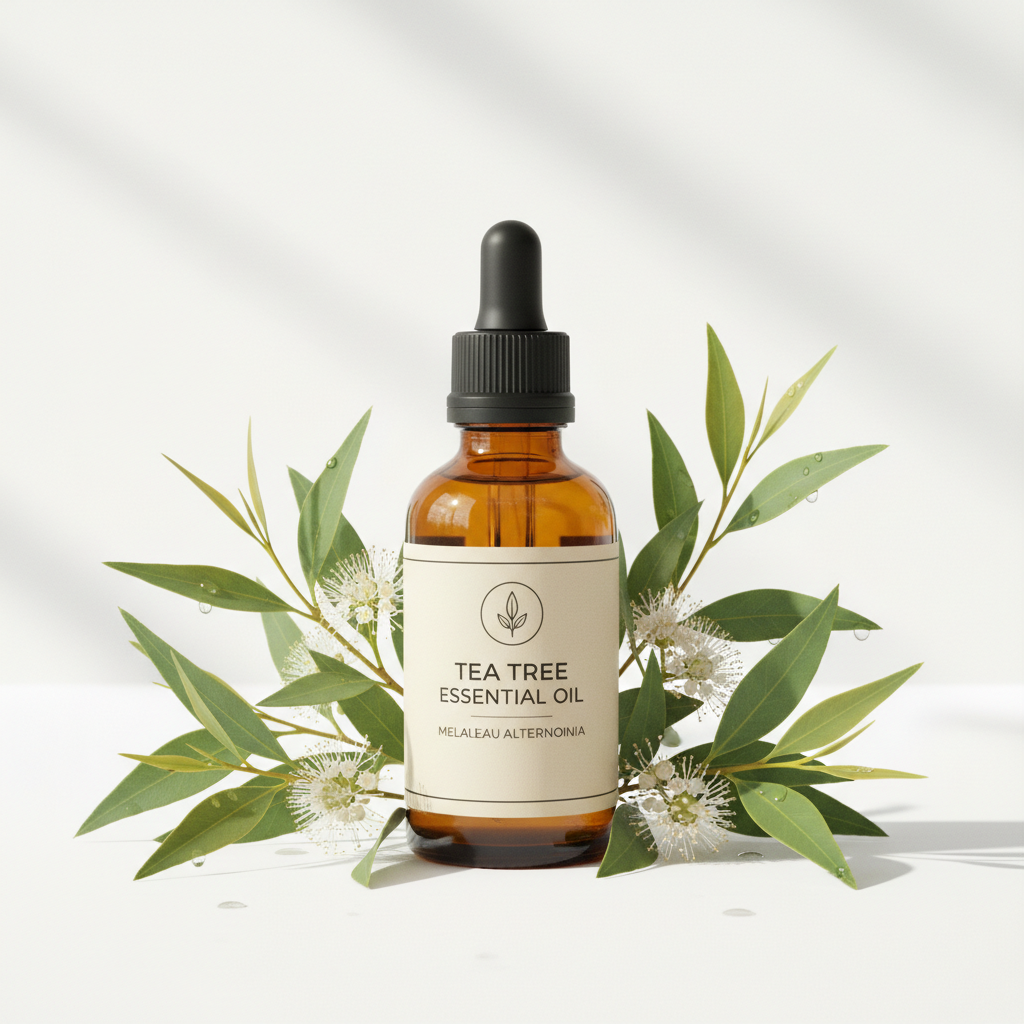
Tea Tree Essential Oil
Melaleuca alternifolia
### What is Tea Tree Essential Oil? Tea Tree essential oil, derived from the leaves of the *Melaleuca alternifolia* plant, is an essential oil praised for its powerful antiseptic and healing properties. Native to Australia, this potent oil has been utilized for centuries, both by indigenous Australians and modern herbalists, for its myriad of therapeutic benefits. ### Origin and Extraction Method Tea Tree oil is extracted through steam distillation of the fresh leaves and twigs of the Tea Tree plant, which is a small tree or shrub indigenous to the southeastern regions of Australia. The extraction process captures the naturally occurring compounds within the plant, yielding a highly concentrated oil rich in beneficial components such as terpinen-4-ol, which is known for its antiseptic qualities. ### Botanical Information The botanical name for Tea Tree is *Melaleuca alternifolia,* belonging to the Myrtaceae family. This evergreen shrub can grow up to 7 meters tall and features narrow leaves and clusters of white flowers. The indigenous population has long recognized the therapeutic potential of this plant, using it as a traditional remedy for various ailments. ### Therapeutic Properties and Benefits Tea Tree essential oil is renowned for its numerous health benefits. Here are some of the key therapeutic properties: - **Antiseptic:** Tea Tree oil is famously known for its ability to fight bacteria and fungi, making it a go-to oil for treating minor cuts and abrasions. - **Anti-inflammatory:** It helps reduce redness and swelling on the skin, thus supporting skin healing. - **Antiviral:** Useful in combating viruses, Tea Tree oil can bolster the immune system, helping to fend off colds and infections. - **Expectorant:** The oil can help clear respiratory pathways, making it beneficial for respiratory health. ### Historical and Traditional Uses Historically, Tea Tree oil was used by Australian Aborigines for bruises, cuts, and skin infections. They crushed the leaves and applied them directly to wounds. In modern herbal medicine, it is used in various formulations, from skin care products to aromatherapy blends. The oil gained global popularity due to its effectiveness and versatility in treating skin conditions, as well as its potent antibacterial qualities. ### Scientific Facts and Research Recent studies have highlighted the efficacy of Tea Tree essential oil in treating skin conditions like acne, athlete's foot, and dandruff. A review published in the *Journal of Dermatology* established that Tea Tree oil is effective against *Propionibacterium acnes,* the bacteria responsible for acne. Research has also shown that it possesses anti-inflammatory effects, making it a valuable component in the treatment of inflammatory skin diseases. ### Aroma Profile and Characteristics Tea Tree essential oil features a fresh, medicinal aroma with earthy, woody undertones. Its unique scent is invigorating and can promote a sense of cleanliness and focus. The aroma is often described as fresh and camphorous, making it a popular component in cleansing products. ### Common Applications and Methods Tea Tree oil can be used in several ways: - **Skincare**: Diluted with a carrier oil for topical applications, it can be used to treat cuts, insect bites, and minor skin irritations. - **Aromatherapy**: Adding a few drops to a diffuser can promote relaxation and mental clarity. - **Household Cleaner**: Its antibacterial properties make it suitable for natural cleaning solutions. - **Hair Care**: Incorporating it in shampoos can help alleviate dandruff and itchy scalp. ### Interesting Facts and Trivia - Tea Tree oil was first discovered by Captain James Cook, who noted the Aborigines using the leaves for medicinal purposes. - It is believed that just a small amount of Tea Tree oil can have a powerful effect when used in skincare routines. - In aromatherapy, it is often combined with other essential oils like lavender for enhanced benefits. In conclusion, Tea Tree essential oil is a versatile and potent oil with numerous benefits for health and wellness. Whether you're using it for skin care, inhalation for respiratory issues, or as a natural cleaner, the myriad of uses make it a staple in holistic therapies and natural health practices. Add Tea Tree essential oil to your collection for an effective tool in maintaining good health and hygiene.
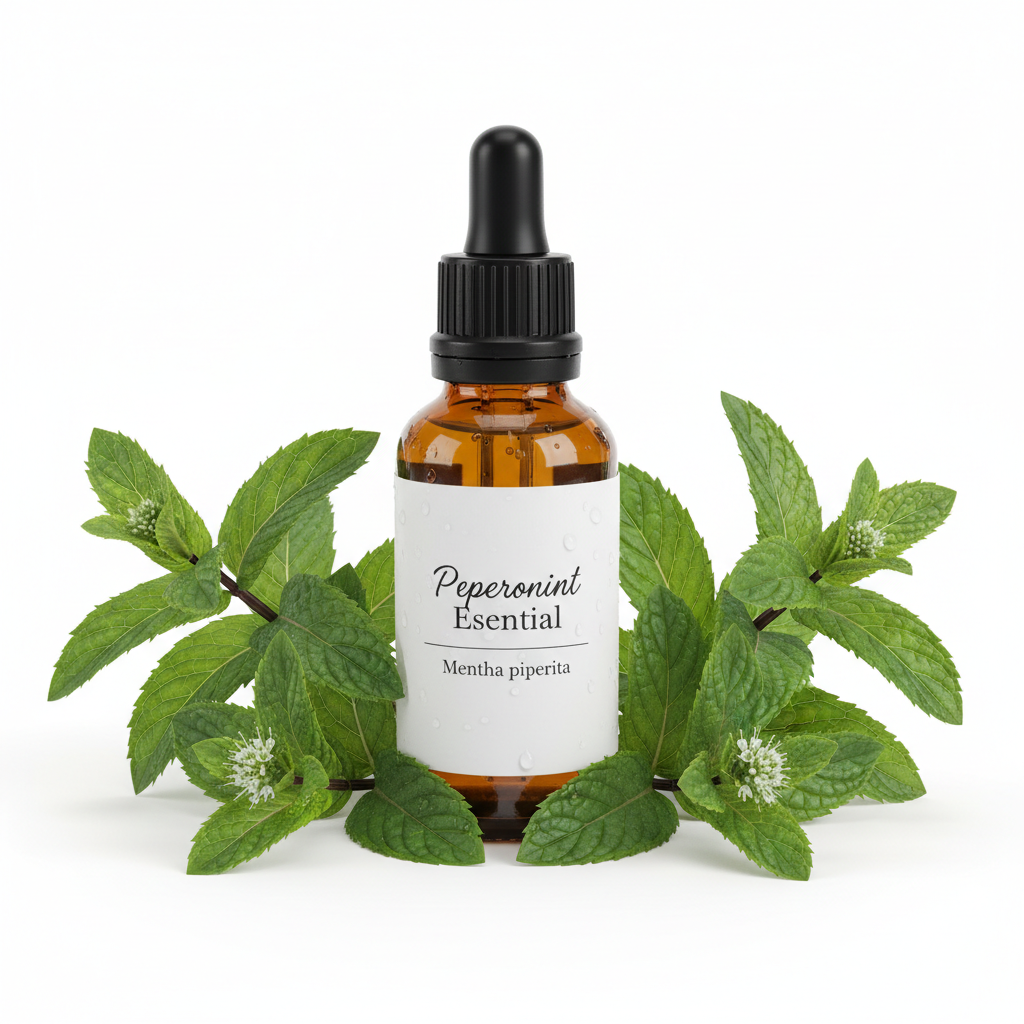
Peppermint Essential Oil
Mentha piperita
Peppermint essential oil, extracted from the leaves of the Mentha piperita plant, is a powerhouse in the world of essential oils due to its versatility and effectiveness. Extracted through steam distillation, this oil retains potent properties and a refreshing minty aroma that has been cherished for centuries. Originating from the Mediterranean region, peppermint has been valued not just for its therapeutic advantages, but also for culinary purposes and as a delightful herbal tea. **Origin and Extraction Method** Peppermint (Mentha piperita) is a hybrid of watermint and spearmint. The oil is extracted from its dark green leaves, showcasing a clear to pale yellow liquid. This essential oil is known for its invigorating aroma thanks to its unique chemical composition, primarily menthol and menthone, which contribute to its therapeutic properties. **Botanical Information** Belonging to the Lamiaceae family, peppermint grows to about 1-3 feet tall with jagged leaves. These leaves are rich in essential oils, making peppermint a highly sought-after plant in both aromatherapy and cooking. **Therapeutic Properties and Benefits** Peppermint essential oil offers an array of therapeutic properties, including: - **Energy Booster**: A few drops can invigorate and enhance physical energy, making it ideal for workouts or long days. - **Headache Relief**: Its cooling properties can alleviate tension headaches when applied to the temples. - **Focus Enhancer**: Inhalation sharpens mental clarity, suitable for studying and work. - **Mood Uplifter**: The fresh scent mitigates stress and anxiety, promoting well-being. - **Mental Fatigue Fighter**: Helps refresh the mind during intensive mental tasks. - **Digestive Support**: Traditionally used to ease digestive issues, promoting gut health. - **Cooling Effect**: Ideal for alleviating symptoms of hot flashes or sunburn. - **Respiratory Aid**: Clears airways, contributing to improved respiratory function. **Historical and Traditional Uses** Peppermint has rich historical roots, dating back to ancient Egypt and Greece, where it was highly regarded for its aromatic properties. In addition to being found in tombs, the Greeks used it in baths, and Egyptians incorporated it into embalming processes. Today, peppermint tea remains a staple in herbal remedies for digestion, evidencing its lasting significance in holistic practices. **Scientific Facts and Research** Current studies back the therapeutic claims of peppermint essential oil. Research indicates that inhaling peppermint can significantly boost cognitive functions, especially during tasks requiring deep concentration. Other studies suggest its efficacy in managing symptoms of irritable bowel syndrome (IBS), lending scientific credence to its traditional uses. **Aroma Profile and Characteristics** Peppermint essential oil is known for its crisp, refreshing scent that possesses a powerful cooling effect. The main components, menthol and menthone, not only provide its charming aroma but also render it beneficial in aromatherapy. This essential oil is rich in antioxidants, and its healing fragrances make it a staple in many wellness practices. **Common Applications and Methods** Peppermint essential oil can be utilized in various ways, enhancing both wellness practices and daily life: - **Aromatherapy**: Diffusing peppermint offers mood enhancement and improved concentration. - **Topical Uses**: Diluted in a carrier oil, it can soothe headaches when massaged on the temples. - **Bath Soaks**: A few drops can refresh bathwater, yielding a relaxing experience. - **Culinary Uses**: Utilized as a flavoring agent, it offers a refreshing taste to dishes and drinks. **Interesting Facts and Trivia** - As one of the most widely used essential oils, peppermint is a staple in aromatherapy. - The name ‘Mentha’ traces back to Greek mythology, named after a nymph transformed into a plant. - Its antibacterial properties make it a popular ingredient in oral hygiene products. In conclusion, peppermint essential oil is an extraordinary natural remedy packed with health benefits. From its energizing capabilities to its digestive support, this essential oil is an invaluable addition to any wellness toolkit, merging traditional wisdom with contemporary science, making it an essential oil worth exploring.