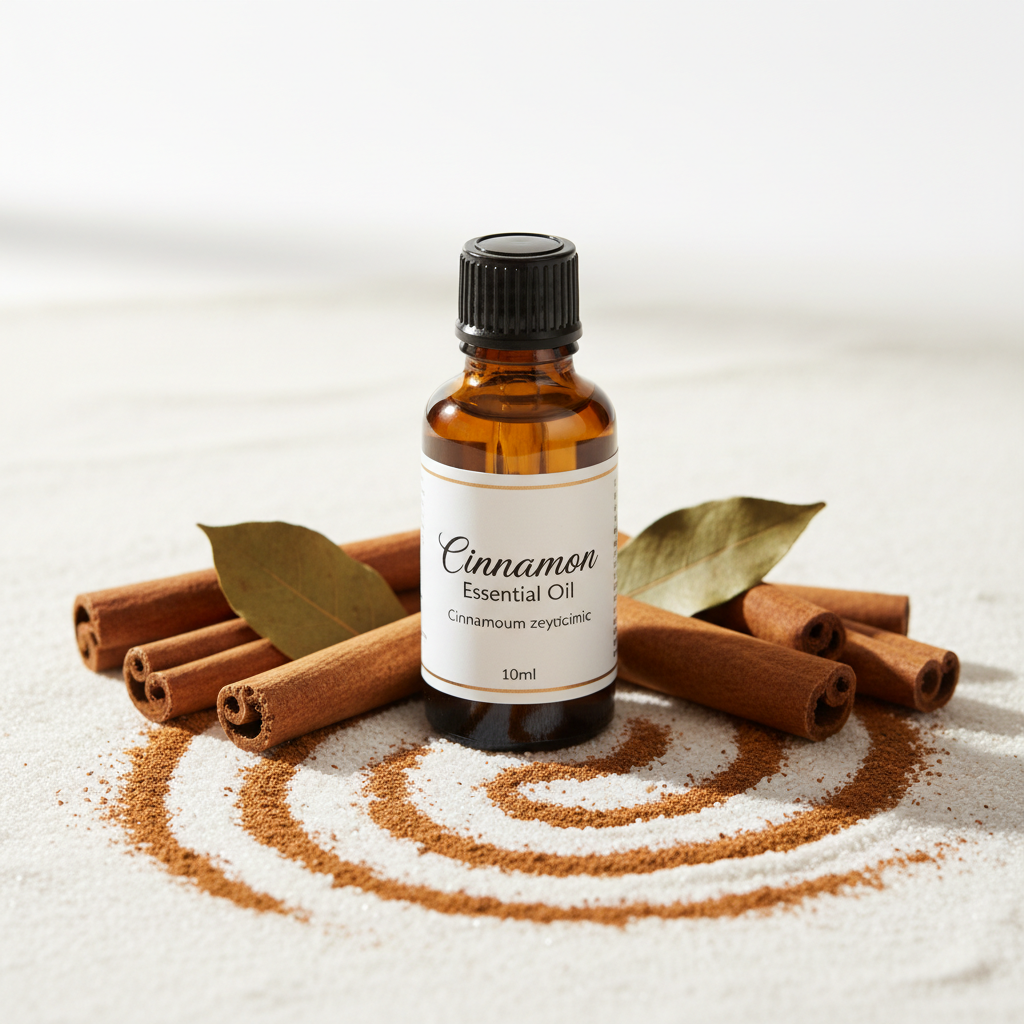
Cinnamon Essential Oil
Cinnamomum zeylanicum
Plant Source
Bark
Scent Family
Spicy
"Discover the wonders of Cinnamon Essential Oil, extracted from Cinnamomum zeylanicum. Explore its benefits, uses, and therapeutic properties here!"
Cinnamon essential oil is a captivating and versatile oil derived from the bark of the Cinnamomum zeylanicum tree, also known as Ceylon cinnamon. This oil has been treasured for centuries not only for its invigorating warm and spicy aroma but also for its comprehensive therapeutic properties.
Origin and Extraction Method
Cinnamon essential oil originates from the Cinnamomum zeylanicum, a tree native to Sri Lanka and a few other regions in Southeast Asia. The essential oil is extracted through the steam distillation of the tree's bark, a process that preserves its natural aroma and therapeutic properties. The extraction process is crucial, as it must be done carefully to maintain the integrity of the oil and maximize its health benefits. The resulting oil is rich in compounds like cinnamaldehyde, eugenol, and linalool, which contribute to its unique smell and health benefits.
Botanical Information
The botanical family of cinnamon is Lauraceae. Cinnamomum zeylanicum grows up to 10 meters tall and has thick, ovate leaves and small, yellow flowers. The bark has a fragrant aroma and is typically harvested when the tree is about two years old. The thin, curled pieces of bark used for extraction are a staple in both culinary and medicinal applications, revered for their contribution to flavor and health.
Therapeutic Properties and Benefits
Cinnamon essential oil is known for its extraordinary therapeutic properties. It possesses strong antimicrobial and anti-inflammatory effects, making it an excellent choice for various health applications:
- Enhances Mood: The warm scent of cinnamon lifts spirits and creates a relaxing environment, making it a popular choice in aromatherapy.
- Reduces Stress: Its comforting aroma can alleviate feelings of anxiety and stress, paving the way for relaxation.
- Cognitive Clarity: Cinnamon oil stimulates mental clarity and focus. It is often used in workspaces or study environments to enhance concentration and productivity.
- Supports Respiratory Health: Its expectorant properties help relieve coughs and clear airways, making it beneficial during cold seasons.
- Encourages Healthy Circulation: Regular use can promote better blood flow and warmth throughout the body.
- Menstrual Comfort: Traditionally, it has been used to alleviate menstrual cramps and discomfort, adding to its reputation as a supportive oil during that time.
- Immune System Support: Cinnamon oil is known to boost the immune system, helping the body fend off infections more effectively.
Historical and Traditional Uses
Cinnamon has a rich history, dating back to ancient Egyptian times, where it was used in embalming and as a spice. In Traditional Chinese Medicine and Ayurvedic practices, cinnamon has been utilized for thousands of years, valued for its warming properties and ability to stimulate circulation. Its significance in various cultures symbolizes prosperity, warmth, and friendship.
Scientific Facts and Research
Research indicates that the active compounds in cinnamon essential oil possess potential antioxidant and antimicrobial effects. A study published in the Journal of Medicinal Plants Research found cinnamon oil effective against various pathogens, indicating its usefulness in natural remedies. Other studies highlight its effectiveness in treating respiratory issues and enhancing metabolic health.
Aroma Profile and Characteristics
Cinnamon essential oil has a rich, warm, and spicy aroma, reminiscent of fresh cinnamon bark. Its intense scent is immediately recognizable and invokes feelings of warmth and comfort, making it a beloved choice for holiday blends and seasonal products.
Common Applications and Methods
Cinnamon essential oil can be used in several ways:
- Aromatherapy: Diffusing cinnamon oil is a favorite method for creating a warm and inviting atmosphere.
- Massage: When diluted with a carrier oil, it can be used in massage to relieve sore muscles and create a sense of warmth.
- Household Products: Adding cinnamon oil to homemade cleaning solutions can provide antimicrobial properties and a pleasant scent.
- Culinary Uses: In small amounts, it can enhance the flavor of various dishes, from baked goods to savory meals.
Interesting Facts and Trivia
- Cinnamon is commonly referred to as the "spice of life" due to its extensive uses.
- The ancient Romans considered cinnamon to be a gift fit for emperors.
- The use of cinnamon oil in incense is believed to promote a sense of purity and spiritual wellness.
In conclusion, cinnamon essential oil is not just a delightful fragrance; it is a powerhouse of therapeutic benefits, rich historical significance, and diverse applications. Whether used for its aroma, health benefits, or culinary enhancements, this oil stands out as an essential addition to any wellness or aromatherapy toolkit.
Ask AI About Cinnamon Essential Oil
Get instant answers about this essential oil
Benefits & Uses
- Enhances mood: The warm scent can elevate spirits and create a comforting environment.
- Reduces stress: Promotes relaxation and calmness, helping to alleviate feelings of anxiety during stressful situations.
- Cognitive clarity: Stimulates mental clarity and focus, making it useful for studying or work tasks.
- Creates a sense of warmth: The comforting aroma evokes feelings of safety and nostalgia, especially during fall and winter months.
- Encourages motivation: Energizing scent that can help combat fatigue and boost motivation.
- Supports respiratory health: Used for its expectorant properties to relieve coughs and clear airways.
- May enhance circulation: Helps promote better blood flow and warmth throughout the body.
- Relief for menstrual discomfort: Traditionally used to help ease menstrual cramps and discomfort.
- Aids in immune support: Known for its immune-boosting properties, helping the body fight off infections.
- Skin invigorator: Can invigorate the skin when diluted properly, promoting a healthy glow.
- Skin toning: Can help improve skin texture and tone when diluted in a carrier oil.
- Anti-aging: Offers antioxidant properties that can help reduce the appearance of fine lines.
- Acne treatment: May help reduce bacteria on the skin when used in a proper blend, making it suitable for acne-prone skin.
- Cellulite treatment: Often used in DIY blends for promoting blood circulation and reducing the appearance of cellulite.
- Natural disinfectant: Effective for cleaning surfaces and purifying the air due to its antimicrobial properties.
- Mood setting: Used in diffusers to create a warm and inviting atmosphere, especially during gatherings.
- Insect repellent: Acts as a natural deterrent for insects when used in sprays or candles.
- Odor neutralizer: Helps to mask unwanted odors in the home, providing a fresh scent.
How to Use
Diffuser
For small rooms, use 3-5 drops of Cinnamon essential oil in the diffuser; for medium rooms, use 5-8 drops, and for larger spaces, 8-12 drops. Optimal diffusion duration is 30-60 minutes, 2-3 times daily. Best times to use are early mornings or during times of relaxation.
Topical
Dilute Cinnamon essential oil as follows: Adult dilution: 2-3% (10-15 drops per ounce); Children: 0.5-1% (3-5 drops per ounce); Elderly: 1-2% (5-10 drops per ounce). Recommended carrier oils include sweet almond, jojoba, and fractionated coconut. Massage into application areas, allowing time for absorption.
Inhalation
For direct inhalation, place 1-2 drops on a tissue or cotton ball and inhale. For steam inhalation, add 2-3 drops to a bowl of hot water and inhale the steam for 5-10 minutes. Personal inhalers can be prepared for on-the-go use.
Safety & Precautions
Conduct patch testing before topical application; Cinnamon oil may cause skin irritation in some individuals. It should not be used in direct sunlight for 12 hours post-application due to potential photosensitivity. Not recommended for use during the first trimester of pregnancy or while nursing without consulting a qualified professional. Store in a cool, dark place away from children. Shelf life is typically 1-2 years if stored correctly.
Who should avoid:
- Those with sensitive skin or allergy to cinnamon.
- Pregnant or nursing individuals without professional guidance.
- People on blood-thinning medications should consult a healthcare provider before use.
Recommended Products

Understanding the aromatic layers of Cinnamon Essential Oil
Top Notes
Heart Notes
Base Notes
Scent Evolution
Top Notes: First impression, evaporate quickly (15-30 min)
Heart Notes: Main character, last 2-4 hours
Base Notes: Lasting foundation, linger for hours
Complementary essential oils that pair beautifully with Cinnamon Essential Oil
Abyssinian Carrier Oil
Crambe abyssinica
✓balanced scent profile
Allspice Essential Oil
Pimenta dioica
✓balanced scent profile
Amyris Essential Oil
Amyris balsamifera
✓enhanced aromatherapy benefits
Angelica Root Essential Oil
Angelica archangelica
✓enhanced aromatherapy benefits
Anise Seed Essential Oil
Pimpinella anisum
✓complementary therapeutic properties
Balsam Fir Essential Oil
Abies balsamea
✓traditional pairing in aromatherapy
Blending Tips
- • Start with 2-3 oils for simple blends
- • Use 3-5 drops total per 10ml carrier oil
- • Let blends sit for 24-48 hours to marry
- • Test on a small skin area first
Calculating for: Cinnamon Essential Oil
Recommended: 2% | Max safe: 5%
29.57 ml
Your Recipe
0.59 ml
28.98 ml
💡 Dilution Tips
- • Always do a patch test before full application
- • Children and elderly need lower dilutions (1-2%)
- • Facial products should be gentle (0.5-1%)
- • 1 drop ≈ 0.05 ml (20 drops per ml)
- • Common carrier oils: fractionated coconut, jojoba, sweet almond
Recipes Using Cinnamon Essential Oil
Related Recipes
DIY Essential Oil Equipment Cleaner Recipe for Pristine Tools
This DIY essential oil equipment cleaner recipe ensures tools are residue-free, enhancing the quality of your blends while being eco-friendly and effective.
DIY Sal Suds All-Purpose Cleaner Recipe
Discover how to make an all-purpose cleaner spray using essential oils. Our easy recipe with Sal Suds is perfect for tackling dirt and grime effectively.
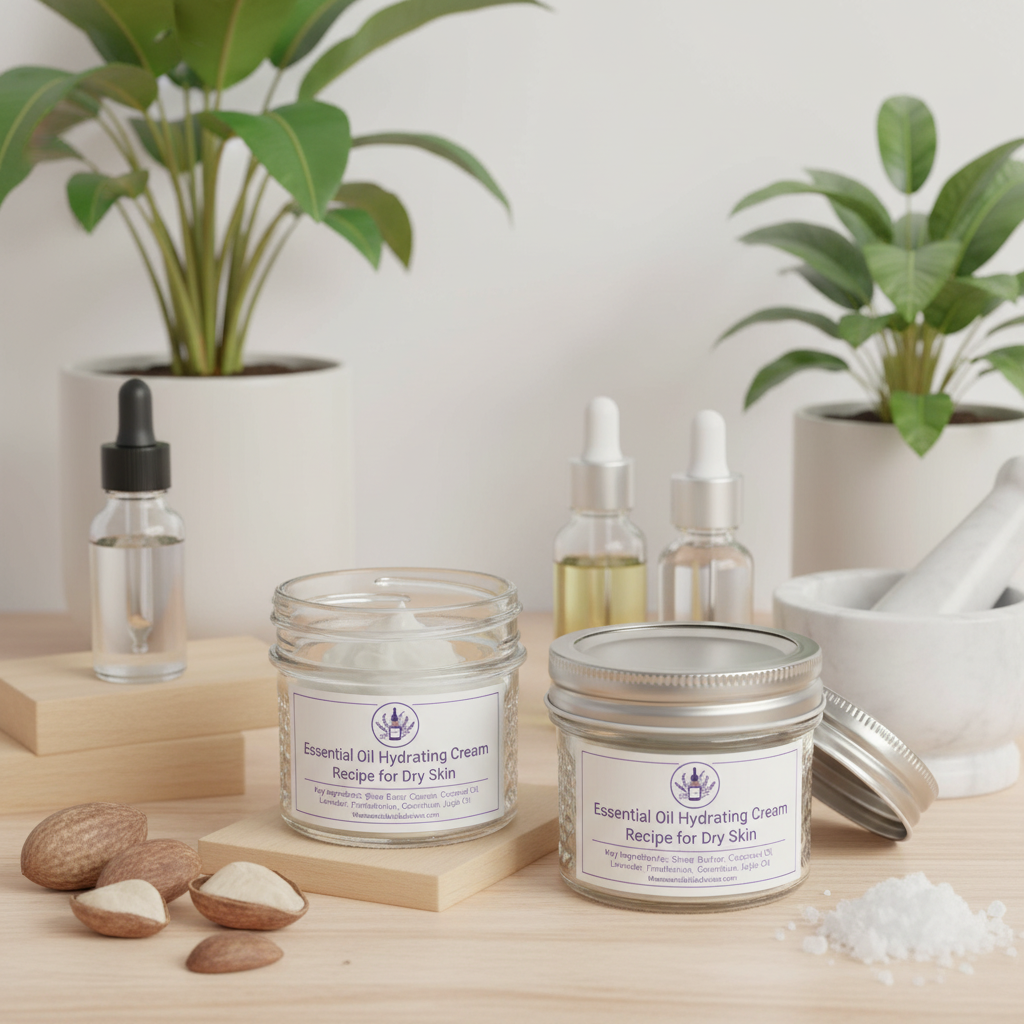
Essential Oil Hydrating Cream Recipe for Dry Skin
Learn to create a nourishing essential oil cream recipe to hydrate and soothe dry skin. Using natural oils, this recipe will transform your skincare routine!
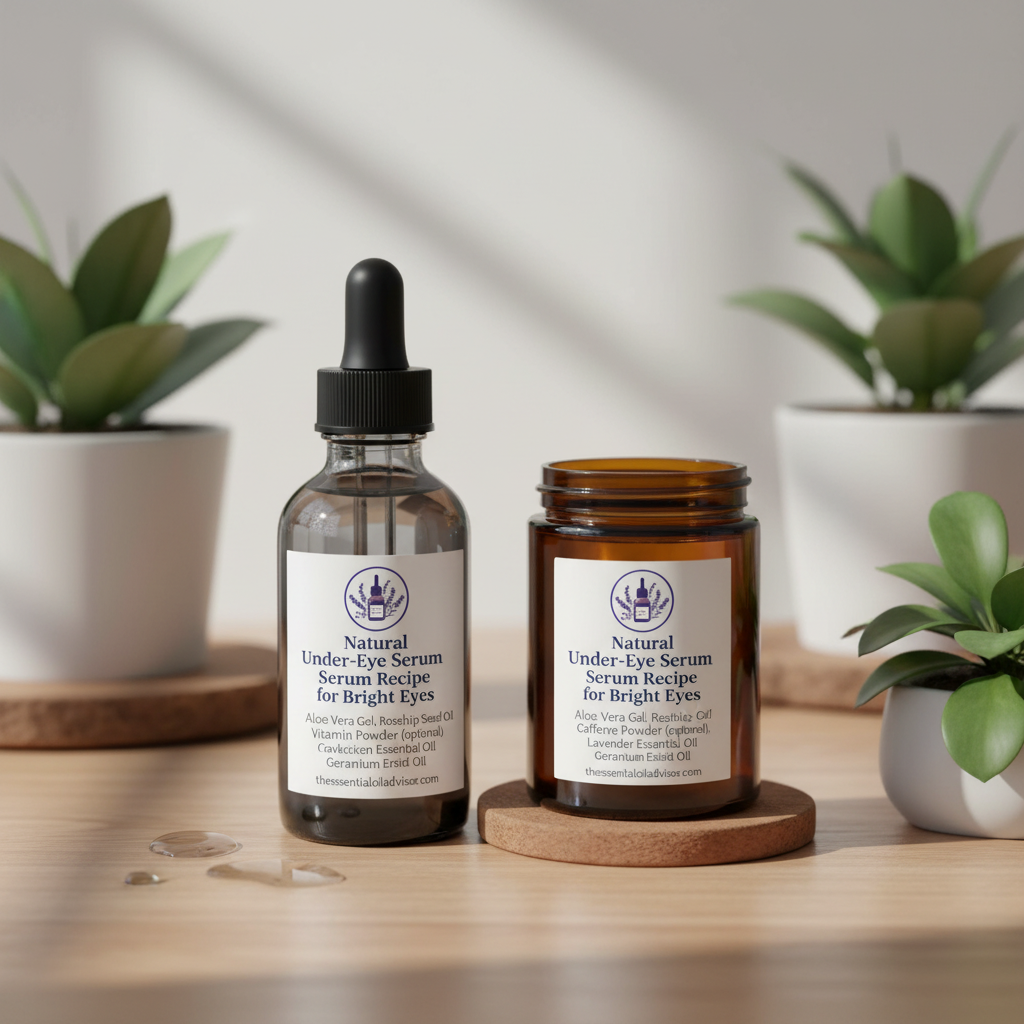
Natural Under-Eye Serum Recipe for Bright Eyes
Create a natural under-eye serum recipe to brighten eyes and reduce puffiness and fine lines in just 150-160 characters.


