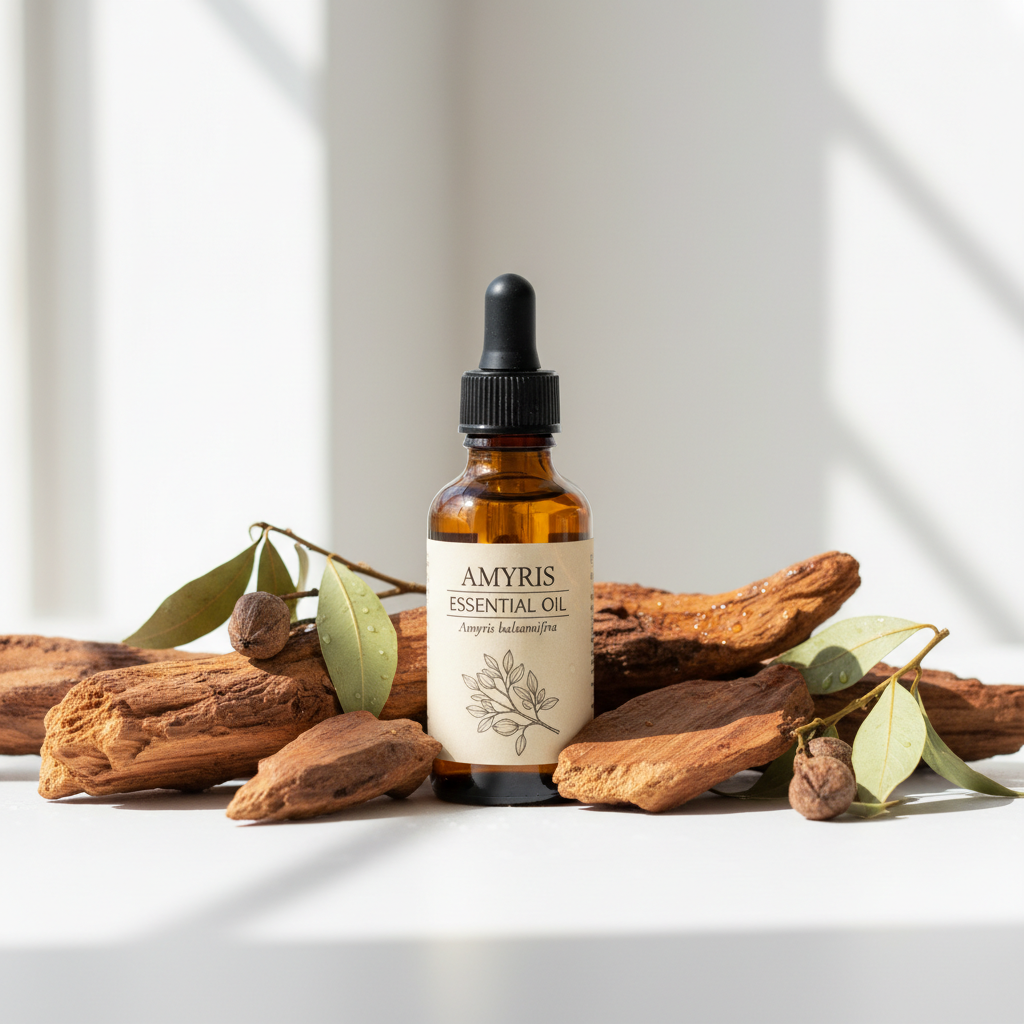
Amyris Essential Oil
Amyris balsamifera
Plant Source
Wood of the Amyris balsamifera tree
"Discover the benefits, uses, and aroma profile of Amyris Essential Oil, a calming and grounding oil derived from the West Indian Sandalwood tree."
Introduction to Amyris Essential Oil
Amyris Essential Oil, commonly known as "West Indian Sandalwood," is extracted from the wood of the Amyris balsamifera tree. This beautiful tree is predominantly found in the Caribbean and parts of Central America. Renowned for its warm, woody aroma with subtle sweet undertones, Amyris Essential Oil presents a natural alternative to the traditional sandalwood oils, which have become increasingly rare due to over-harvesting.
Origin and Extraction Method
Amyris balsamifera thrives in tropical climates, flourishing in well-drained soil. The extraction method for Amyris Essential Oil typically involves steam distillation of the wood. This method not only preserves the oil's aromatic compounds but also ensures a pure and concentrated product that reflects the unique essence of this remarkable tree. The sustainable nature of the Amyris tree allows for continued harvesting without depleting its populations, making it an eco-friendly choice among essential oils.
Botanical Information
- Scientific Name: Amyris balsamifera
- Family: Rutaceae (Rue Family)
- Plant Part Used: Wood
- Extraction Method: Steam distillation
Therapeutic Properties and Benefits
Amyris Essential Oil is celebrated for its numerous therapeutic benefits. It is particularly valued in aromatherapy for its calming and grounding effects:
- Promotes Relaxation: Its soothing aroma helps alleviate feelings of stress and anxiety, promoting a sense of tranquility.
- Enhances Sleep: Diffusing Amyris oil before bed may foster restful sleep and ease nighttime anxieties.
- Supports Emotional Balance: This oil is known for its ability to stabilize emotions, particularly in stressful situations.
- Relieves Muscle Tension: When used in massages, it may ease muscle discomfort and tension, aiding in stress relief.
- Moisturizing and Soothing for Skin: Its emollient properties make it suitable for various skincare applications, helping to relieve dryness and enhance the skin's appearance.
- Respiratory Support: Inhaling its vapors can assist with respiratory comfort and can be beneficial during colds or allergies.
- Natural Insect Repellent: The rich aroma can help deter insects, making it a natural alternative to chemical repellents.
Historical and Traditional Uses
Historically, essential oils have been integral to various cultures for medicinal and spiritual practices. Indigenous peoples of the Caribbean utilized Amyris wood for various purposes, including ceremonial rituals. Its calming properties were recognized long ago, establishing its use in both traditional medicines and aromatic practices.
Scientific Facts and Research
Recent studies have explored the potential of Amyris Essential Oil in providing therapeutic benefits. Research indicates that the oil possesses anti-inflammatory and antimicrobial properties, making it a candidate for further exploration in natural health products and complementary therapies. The oil’s sedative effects have been documented, confirming its traditional use for inducing relaxation and improving sleep quality.
Aroma Profile and Characteristics
Amyris Essential Oil's fragrance profile is characterized by a deep, rich, and woody scent with nuanced hints of sweetness reminiscent of sandalwood. Upon diffusion, it brings a sense of warmth and grounding, ideal for creating calm environments. Its soothing aroma is often described as having a soft and creamy quality, making it harmonize beautifully with other essential oils such as cedarwood, lavender, and bergamot.
Common Applications and Methods
Amyris Essential Oil can be utilized in various ways:
- Aromatherapy: Use in diffusers or inhalers to enjoy its calming effects.
- Massage: Add to carrier oils and use for a relaxing massage.
- Skin Care: Incorporate into creams and lotions for its moisturizing properties.
- Household Products: Include in homemade cleaning solutions or room sprays to enhance ambiance with its pleasant aroma.
Interesting Facts and Trivia
- Sustainability: Unlike traditional sandalwood, the Amyris tree is abundant and harvested sustainably, making it a more environmentally friendly choice.
- Versatile Use: Amyris Essential Oil is frequently used in the perfume industry for its fixative properties, enhancing the longevity of fragrances.
- Global Recognition: As awareness of the benefits of essential oils grows, Amyris oil is becoming increasingly popular among holistic health practitioners and wellness enthusiasts.
Conclusion
Amyris Essential Oil is a versatile and valuable oil with a rich history and numerous applications. Whether you are looking to experience its calming effects, incorporate it into your skincare routine, or simply enjoy its beautiful aroma, Amyris Essential Oil is sure to be a wonderful addition to your collection.
Ask AI About Amyris Essential Oil
Get instant answers about this essential oil
Benefits & Uses
- Promotes relaxation and reduces stress
- Enhances mental clarity and focus
- Eases feelings of anxiety and nervous tension
- Supports emotional balance during challenging times
- Fosters a sense of grounding and stability
- Helps to relieve muscle tension and discomfort
- Assists in reducing the appearance of scars and blemishes
- Supports respiratory health when used in inhalation
- Acts as a natural insect repellent
- Promotes restful sleep when diffused before bedtime
- Can be added to skincare products to enhance moisture retention
- Useful in formulations aimed at treating dry or sensitive skin
- Acts as a soothing agent in massage oils for skin irritation
- Incorporated into perfumes for its long-lasting aroma
- Useful in homemade lotions and creams for its calming scent
- Can be used in homemade cleaning solutions for a refreshing scent
- Effective in DIY natural air fresheners
- Utilized in potpourri to impart a unique fragrance
- Blended with carrier oils for use in wood polish
- Can be added to laundry detergent for a pleasing aroma
How to Use
Diffuser
Add 3-5 drops of Amyris Essential Oil to a diffuser filled with water. Diffuse for 30-60 minutes to enjoy its calming aroma and improve your mood.
Topical
Dilute Amyris Essential Oil in a carrier oil at a ratio of 2-5%, using 12-30 drops of oil per ounce of carrier oil. Apply to pulse points or areas of tension for optimal results.
Inhalation
To utilize direct inhalation, place 1-2 drops of Amyris Essential Oil on your palms, rub them together, and inhale deeply. For steam inhalation, add 2-3 drops to a bowl of hot water, covering your head with a towel, and breathe in the steam.
Safety & Precautions
Always dilute Amyris Essential Oil before applying to the skin. Conduct a patch test prior to widespread application. Avoid contact with eyes and mucous membranes. Pregnant or nursing women, as well as individuals with specific medical conditions, should consult a healthcare professional before use.
Who should avoid:
- Pregnant or nursing women without medical advice
- Individuals with known allergies to Amyris or related plants
- Persons with sensitive skin or skin conditions
Recommended Products

Amyris Essential Oil
Edens Garden's Amyris Essential Oil is a 100% pure, undiluted therapeutic-grade oil sourced from the bark of the Amyris balsamifera tree. Known for its calming and grounding properties, it's commonly used in aromatherapy to promote relaxation and reduce stress.
$38.95

Amyris Essential Oil
Amyris Essential Oil is a pure, undiluted therapeutic-grade oil known for its calming and grounding properties. It is commonly used in aromatherapy to promote relaxation and reduce stress.
$45.95
Understanding the aromatic layers of Amyris Essential Oil
Top Notes
Heart Notes
Base Notes
Scent Evolution
Top Notes: First impression, evaporate quickly (15-30 min)
Heart Notes: Main character, last 2-4 hours
Base Notes: Lasting foundation, linger for hours
Complementary essential oils that pair beautifully with Amyris Essential Oil
Agarwood Essential Oil
Aquilaria
✓complementary therapeutic properties
Ajowan Seed Essential Oil
Trachyspermum ammi
✓enhanced aromatherapy benefits
Allspice Essential Oil
Pimenta dioica
✓complementary therapeutic properties
Ammi Visnaga Essential Oil
Ammi visnaga
✓enhanced aromatherapy benefits
Angelica Essential Oil
Angelica archangelica
✓similar chemical compositions
Angelica Root Essential Oil
Angelica archangelica
✓complementary therapeutic properties
Blending Tips
- • Start with 2-3 oils for simple blends
- • Use 3-5 drops total per 10ml carrier oil
- • Let blends sit for 24-48 hours to marry
- • Test on a small skin area first
Calculating for: Amyris Essential Oil
Recommended: 2% | Max safe: 5%
29.57 ml
Your Recipe
0.59 ml
28.98 ml
💡 Dilution Tips
- • Always do a patch test before full application
- • Children and elderly need lower dilutions (1-2%)
- • Facial products should be gentle (0.5-1%)
- • 1 drop ≈ 0.05 ml (20 drops per ml)
- • Common carrier oils: fractionated coconut, jojoba, sweet almond
Related Recipes
Allergy Calming Mattress Spray Recipe for Better Sleep
Discover the calming recipe for a mattress spray that relieves allergy symptoms and promotes a restful night's sleep in your home.
Aromatherapy Recipe: Under-Bed Storage Drawer Bombs
Discover this simple recipe for Under-Bed Storage Drawer Aroma Bombs, perfect for freshening up your space with delightful scents!

Calming Essential Oil Pillow Mist Recipe for Relaxation
Discover this easy recipe for a soothing pillow mist that features lavender and bergamot for ultimate relaxation and better sleep.

Calming Lavender Linen Spray Recipe
A gentle, relaxing linen and room spray that promotes restful sleep and calm using lavender, chamomile, and cedarwood essential oils.

DIY Acne Calming Gel Spot Treatment Recipe for Clear Skin
Explore our DIY acne calming gel spot treatment recipe to soothe inflammation and fight breakouts using natural ingredients for healthier skin.
DIY Essential Oil All-Purpose Cleaner Recipe for a Fresh Home
Discover the benefits of this DIY essential oil all-purpose cleaner recipe for a clean, safe, and aromatic household environment.
Related Oils
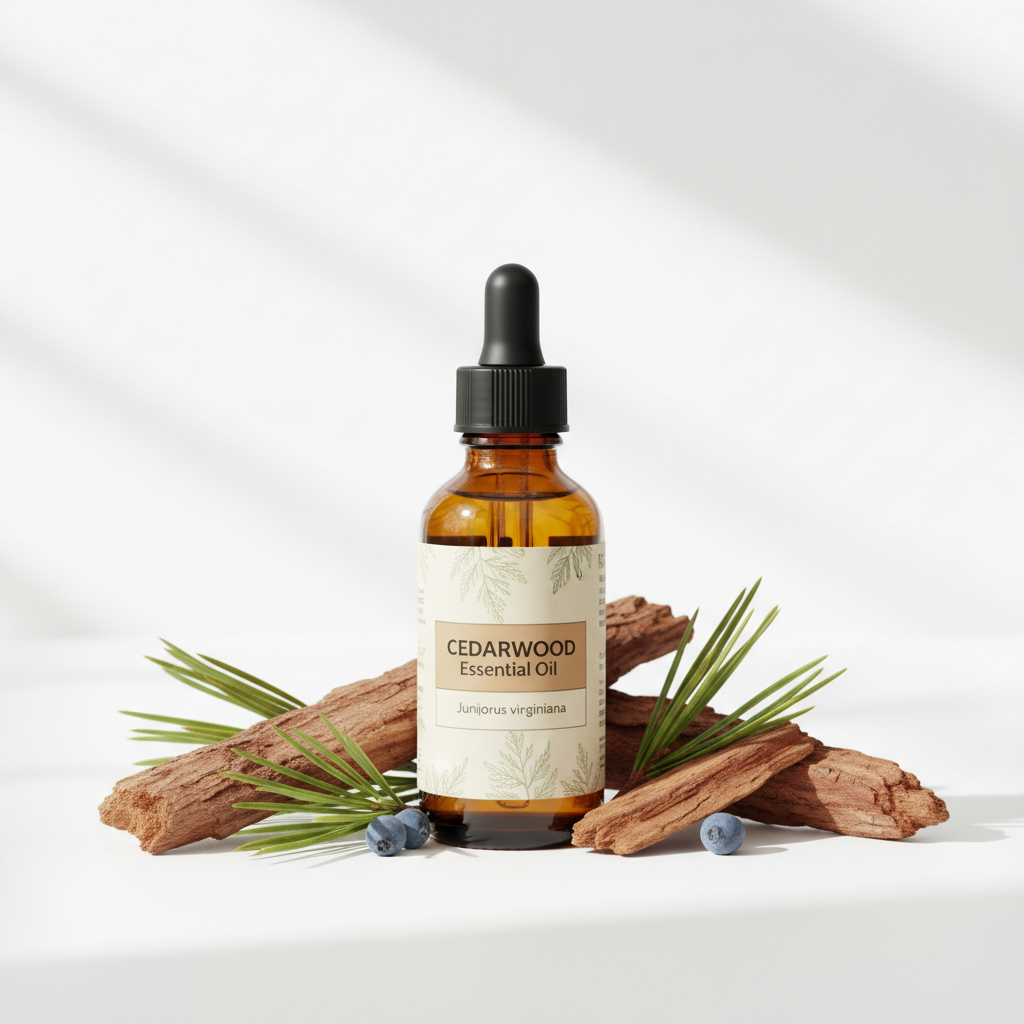
Cedarwood Essential Oil
Juniperus virginiana
Cedarwood essential oil, derived from the wood of the Juniperus virginiana tree, is a revered fragrance with deep historical roots and a multitude of therapeutic benefits. Known for its warm, woody aroma, this essential oil has been used for centuries across various cultures, valued for its grounding and calming properties. In this comprehensive guide, we will explore the origins, benefits, scientific facts, and uses of Cedarwood essential oil. ### Origin and Extraction Method Cedarwood essential oil is extracted through steam distillation, a method that preserves the delicate compounds and aroma of the cedar tree. The Juniperus virginiana, commonly known as Eastern Red Cedar, is native to North America, and its wood has been used historically by Native American tribes for various purposes, including ceremonial practices and medicinal applications. The steam distillation process not only captures the scent but also concentrates its therapeutic properties, making it a valuable addition to aromatherapy and natural health. ### Botanical Information Cedarwood trees can grow to be quite large, reaching heights of up to 50 feet. They are evergreen conifers, with needle-like leaves and distinctive bark. The essential oil extracted from the wood contains a rich blend of compounds, including cedrol and thujopsene, contributing to its unique fragrance and properties. ### Therapeutic Properties and Benefits Cedarwood essential oil is renowned for its numerous therapeutic benefits: - **Calming Effects**: The warm scent of Cedarwood is effective in promoting relaxation and reducing stress. It is often used in meditation practices to create a serene environment. - **Emotional Clarity**: By enhancing emotional grounding, this oil helps users navigate transitions in life, alleviating feelings of loneliness and promoting a sense of safety. - **Focus and Concentration**: Its aroma is believed to boost mental clarity and focus, making it beneficial in creative and intellectual pursuits. - **Skin Health**: When diluted with a carrier oil, Cedarwood can alleviate skin irritations, support clearer skin, and help maintain a healthy scalp and hair ecosystem. - **Muscle Relaxation**: Used in massage therapy, Cedarwood essential oil may help reduce muscle stiffness and soreness. - **Support for Circulation**: Some studies suggest that Cedarwood oil can enhance healthy circulation, contributing to overall cardiovascular health. - **Headache Relief**: Its relaxing properties can also assist in alleviating tension headaches by promoting overall relaxation. ### Historical and Traditional Uses Historically, Cedarwood has been employed in many cultures for both practical and spiritual purposes. Ancient Egyptians used it in their embalming processes, while Indian Ayurvedic traditions recognize Cedarwood for its balancing and calming effects on the mind and body. In North America, Indigenous peoples utilized Cedarwood in ceremonies and as a natural remedy for various ailments, highlighting its importance in cultural practices. ### Scientific Facts and Research Recent research has begun to explore the potential health benefits of Cedarwood essential oil more extensively. Studies have indicated that compounds in Cedarwood can have anti-inflammatory and antimicrobial properties, supporting its use in skincare and overall wellness. Additionally, the calming effects of Cedarwood have garnered interest in the fields of psychology and holistic health, prompting further investigation into its efficacy for stress management and emotional well-being. ### Aroma Profile and Characteristics Cedarwood essential oil offers a rich, woody aroma that evokes feelings of nature and tranquility. The scent is grounding, providing a sense of comfort and stability, making it a popular choice for those looking to create a peaceful sanctuary in their home or workspace. Its fragrance blends well with other essential oils such as lavender, bergamot, and eucalyptus, enhancing its calming effects and creating harmonious blends. ### Common Applications and Methods Cedarwood essential oil can be used in various ways: - **Diffusion**: Add a few drops of Cedarwood oil to a diffuser to create an uplifting and calming atmosphere. - **Topical Applications**: Dilute with a carrier oil for massage or skincare treatments, targeting areas of discomfort or irritation. - **Hair Care**: Incorporate a few drops into your shampoo or conditioner to promote a healthy scalp and strong hair. - **Candle and Soap Making**: Its delightful aroma makes it ideal for natural candles and soaps, adding a luxurious touch to homemade products. ### Interesting Facts and Trivia - Cedarwood has been considered sacred in many cultures, often associated with purification and protection. - The wood of the Cedar tree is naturally resistant to decay, which is why it has been used for centuries in construction and carvings. - In addition to its aromatic qualities, Cedarwood essential oil is also valued in the fragrance industry, used in perfumes and scented products for its warm, enticing notes. In conclusion, Cedarwood essential oil is not only a fragrant addition to any essential oil collection but also a powerhouse of therapeutic benefits, deeply rooted in history and tradition. Whether used for emotional support, skincare, or simply to enhance your home atmosphere, Cedarwood offers a myriad of applications that can enrich your well-being.
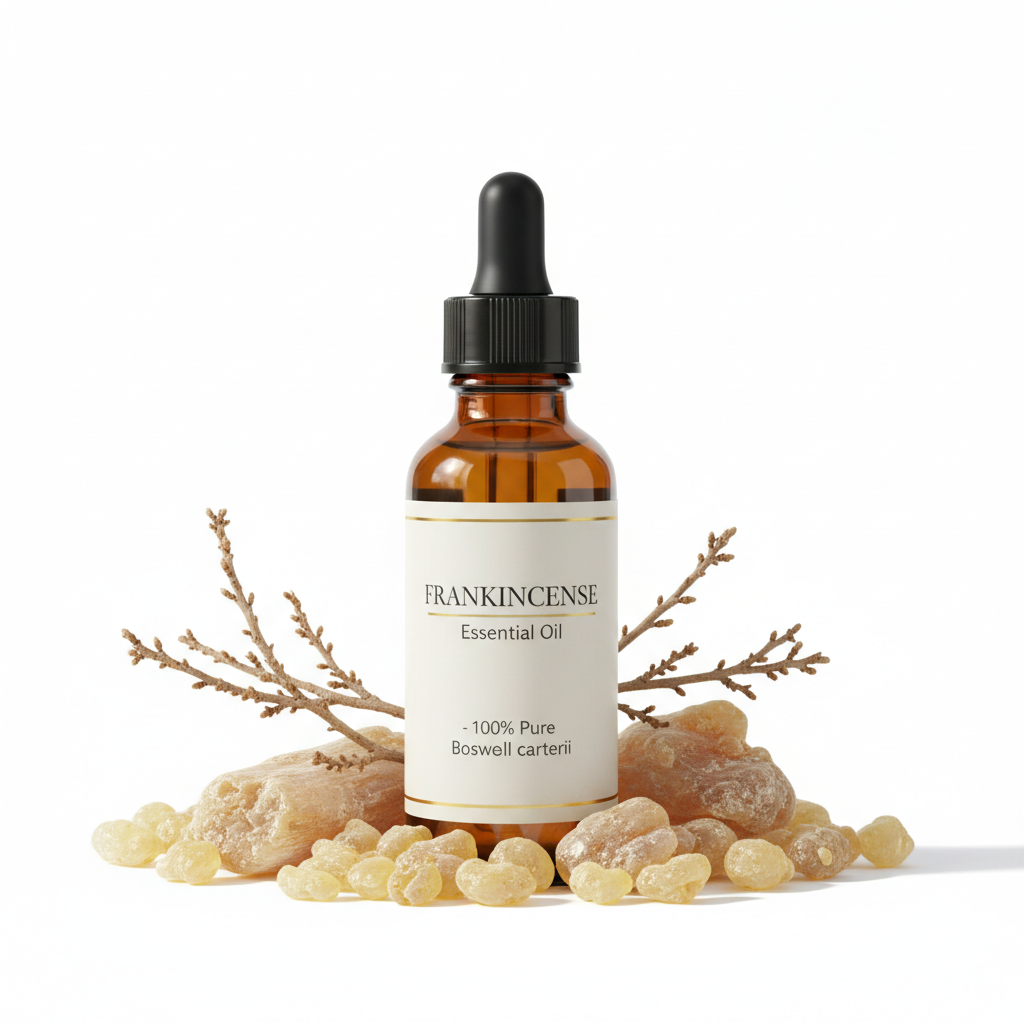
Frankincense Essential Oil
Boswellia carterii
**Frankincense Essential Oil: Origins, Benefits and Applications** Frankincense essential oil is derived from the resin of the Boswellia tree, primarily Boswellia serrata, which is native to the arid regions of Africa and the Arabian Peninsula. The extraction method typically involves steam distillation of the resin, capturing the rich, aromatic compounds that have been utilized by various cultures for thousands of years. ### **Botanical Information** The Boswellia tree is recognizable for its gnarled branches and waxy green leaves. Frankincense resin is harvested by making incisions in the tree’s bark, allowing the sap to ooze out and harden into tear-shaped lumps. This resin is then collected and subjected to distillation to produce the essential oil, known for its deep, woody, and slightly spicy aroma. ### **Therapeutic Properties and Benefits** Frankincense essential oil boasts a range of therapeutic properties that have made it a staple in traditional medicine. It is renowned for its: - **Anti-inflammatory effects**: Helps reduce inflammation and promote joint health. - **Calming properties**: Often used in aromatherapy to alleviate stress and anxiety, promoting a sense of peace. - **Immune support**: Research suggests frankincense may enhance the immune system by fighting off viruses and bacteria. - **Cellular health**: It has been linked to healthy cell regeneration and may support overall skin health, especially in reducing the appearance of scars and blemishes. ### **Historical and Traditional Uses** Historically, frankincense has been revered in many cultures. In ancient Egypt, it was used in the embalming process and as a sacred incense in religious rituals. The Three Wise Men famously brought it as a gift to the newborn Jesus, highlighting its value and significance. It has been used in traditional Chinese and Ayurvedic medicine for centuries, showcasing its global importance as a healing oil. ### **Scientific Facts and Research** Recent studies have delved into the science behind frankincense essential oil. One notable study published in "The Journal of Alternative and Complementary Medicine" found that frankincense oil may possess anti-cancer properties, particularly against certain types of tumors. Additionally, research indicates that the oil's active compounds, such as boswellic acids, may play a crucial role in reducing inflammation and pain, making it a potent ally in holistic health. ### **Aroma Profile and Characteristics** The aroma of frankincense essential oil is both grounding and uplifting. It’s often described as warm, spicy, and slightly sweet. This complex scent profile makes it an excellent choice for meditation and introspection, as it helps create an atmosphere of tranquility. ### **Common Applications and Methods** Frankincense essential oil can be used in various ways: - **Aromatherapy**: Diffuse the oil in your living space or add a few drops to a warm bath to unwind. - **Topical application**: Dilute with a carrier oil and apply directly to the skin to promote cellular health and rejuvenation. - **Massage**: Incorporate into your massage oil for an added relaxing effect. - **Skincare**: Use in lotions or creams to enhance skin appearance and support healing of blemishes. ### **Interesting Facts and Trivia** - Frankincense is often referred to as olibanum, derived from the Arabic term “al-lubān” meaning “that which produces milk,” referring to its milky white sap. - It takes approximately 10 years for a Boswellia tree to produce resin that is suitable for harvesting. - Frankincense essential oil can also be used in household cleaners due to its antibacterial properties, making it not only a fragrant addition to your home but also a beneficial one. ### **Conclusion** Frankincense essential oil is much more than just a fragrant oil; its rich heritage, combined with its extensive health benefits, lends it a significant place in both historical and modern wellness practices. By understanding its origins, uses, and benefits, you can seamlessly integrate frankincense essential oil into your daily routine, harnessing its powerful properties in a holistic manner.
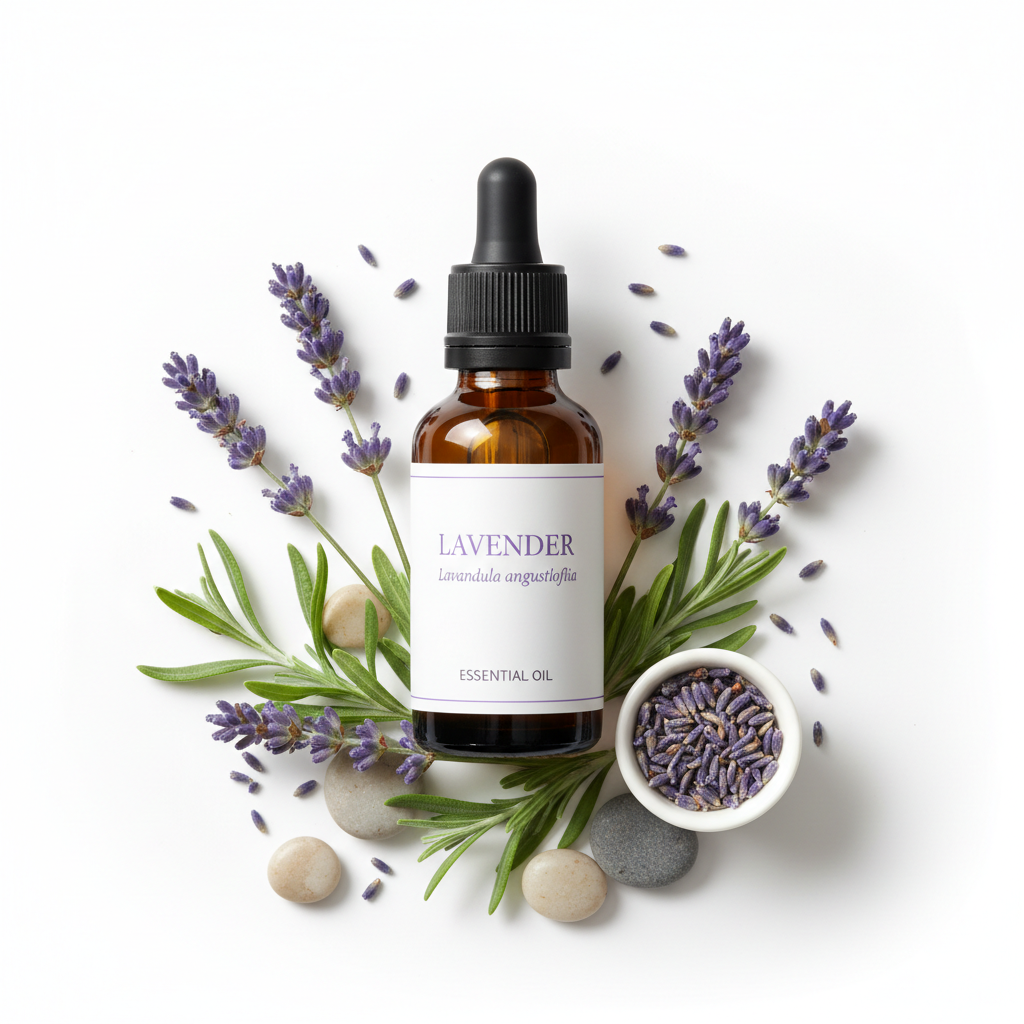
Lavender Essential Oil
Lavandula angustifolia
## Lavender Essential Oil: A Comprehensive Guide Lavender essential oil, extracted from the lavender plant (Lavandula angustifolia), is one of the most well-known and widely used essential oils today. It is celebrated for its relaxing properties and a range of therapeutic benefits that promote mental, emotional, and physical well-being. ### Origin and Extraction Method Lavender is native to the Mediterranean region, especially in areas of France, Italy, and Spain, where it flourishes in dry, sunny climates. The oil is obtained through steam distillation of the delicate flowering tops of the lavender plant. This method preserves the oil's delicate chemical composition, fostering its aromatic and therapeutic qualities, making it a staple in aromatherapy and natural health practices. ### Botanical Information Lavandula angustifolia, commonly known as true lavender, belongs to the Lamiaceae (mint) family. The plant typically reaches about 1 meter in height and has slender, greenish-gray leaves adorned with vibrant purple flowers. The distinctive aroma emanates from the plant's essential oil, which comprises various aromatic compounds such as linalool, linalyl acetate, and camphor, recognized for their calming effects. ### Therapeutic Properties and Benefits Lavender essential oil offers a myriad of therapeutic benefits, including: - **Promoting Relaxation:** Known as an anxiolytic, lavender oil effectively reduces anxiety and stress, helping to promote a sense of calm and tranquility. - **Improving Sleep Quality:** It is widely recommended as a natural remedy for insomnia and sleep disturbances. Adding a few drops to a diffuser or pillow can help induce restful sleep. - **Enhancing Mood and Emotional Balance:** Lavender oil can uplift mood and support emotional stability, making it beneficial for those experiencing sadness or irritability. - **Alleviating Headaches and Migraines:** Inhaling lavender oil or applying diluted oil to the temples may provide relief from headaches and migraines. - **Soothing Muscle Tension:** The anti-inflammatory properties of lavender oil make it effective for soothing sore muscles and reducing tension. - **Supporting Respiratory Health:** With its antiseptic properties, lavender oil may alleviate symptoms associated with colds, allergies, and respiratory infections. ### Historical and Traditional Uses Historically, lavender has been treasured for its medicinal and aromatic properties for centuries. Ancient Egyptians utilized lavender for mummification and as a cosmetic fragrance. Romans added it to their baths to relieve stress and enhance mood. In the Middle Ages, lavender symbolized purity, often used in perfumes and sachets, and its presence was common in homes to ward off pests. ### Scientific Facts and Research Numerous scientific studies have validated the benefits of lavender essential oil. Research published in *Evidence-Based Complementary and Alternative Medicine* confirmed that individuals who inhaled lavender experienced significant reductions in anxiety and improved sleep quality compared to placebo groups. Furthermore, studies indicate that lavender oil may influence neurotransmitter systems, enhancing its sedative effects. ### Aroma Profile and Characteristics Lavender essential oil possesses a sweet, floral, and herbaceous aroma that is both uplifting and calming. Its scent, often described as fresh and clean, makes it a popular choice in aromatherapy blends, personal care products, and home fragrances. The calming aroma can cultivate a serene environment, ideal for meditation and relaxation practices. ### Common Applications and Methods Lavender essential oil's versatility allows for a variety of applications: - **Aromatherapy:** Diffusing lavender oil in your home purifies the air and creates a relaxing atmosphere, beneficial for stress relief. - **Topical Use:** Diluting lavender oil with a carrier oil for massages or targeted skin applications helps alleviate pain and supports skin health. - **Baths:** Adding lavender oil to bathwater not only promotes relaxation but also eases muscle tension and soothes the mind. - **Culinary Uses:** When used in moderation, lavender adds a unique flavor to culinary dishes, commonly included in herbal teas, desserts, and infused syrups. ### Interesting Facts and Trivia - Lavender is often regarded as the “universal oil” due to its myriad benefits and applications across different practices. - It takes approximately 250 pounds of lavender flowers to produce about 1 pound of essential oil, demonstrating its value and potency. - The color purple, associated with lavender, symbolizes tranquility and peace, reflecting its effects on the mind and body. - Additionally, lavender is renowned for attracting pollinators like bees and butterflies, contributing positively to local biodiversity. In conclusion, lavender essential oil is not only remarkable with its profound history but also offers extensive benefits and versatile applications. Whether used to promote relaxation, enhance mood, or enjoy aromatic qualities, it plays an essential role in holistic health. Incorporate lavender essential oil into your daily routine for a touch of serenity and a pathway to balance your emotional and physical well-being.