DIY Essential Oil All-Purpose Cleaner Recipe for a Fresh Home
Discover the benefits of this DIY essential oil all-purpose cleaner recipe for a clean, safe, and aromatic household environment.
Benefits & What to Expect
Benefits & What to Expect
This section delves into the myriad advantages of using the DIY Essential Oil All-Purpose Cleaner, designed for a clean, safe, and aromatic home environment.
What is This Recipe Good For?
Purpose and Who It Helps
The DIY Essential Oil All-Purpose Cleaner is ideal for individuals and families looking for an effective and eco-friendly cleaning solution. This cleaner offers a natural alternative to traditional chemical cleaners, which can be harsh and often leave residual toxins. Users will find that it effectively cleans various surfaces, providing not only sanitation but also an uplifting aroma throughout their living spaces. This recipe caters to those averse to chemical products, environmentally-conscious individuals, and anyone wanting a cleaner, fresher home without harmful ingredients.
Ingredient Breakdown
The main ingredients of this cleaner include:
- White Vinegar (11.8 oz) - A natural disinfectant that cuts through grease, removing odors and stains.
- Distilled Water (11.8 oz) - Acts as a diluent to ensure that the vinegar is not too concentrated, making it safe for all surfaces.
- Liquid Castile Soap (1.3 oz) - A plant-based soap that enhances cleaning power by breaking down grime and dirt.
- Tea Tree Essential Oil (8 drops) - Known for its antimicrobial properties, it helps kill bacteria and viruses while imparting a fresh scent.
- Lemon Essential Oil (8 drops) - Provides a refreshing citrus scent and further boosts antiseptic properties.
- Lavender Essential Oil (8 drops) - Adds a calming aroma and possesses antibacterial qualities.
Each ingredient not only serves a functional purpose but also contributes to a beautifully fragrant home environment.
Usage Scenarios and Practical Tips
This all-purpose cleaner can be used on a wide range of surfaces, including countertops, bathroom fixtures, and household appliances. Here are some practical usage tips:
- Surface Testing: Before applying the cleaner on a new surface, test on a small inconspicuous area to ensure compatibility.
- Spray and Wipe: Spray the cleaner directly onto the surface and wipe clean with a microfiber cloth for polished results.
- Regular Maintenance: Use the cleaner regularly for quick touch-ups to maintain freshness and cleanliness, especially in high-traffic areas.
Results Timeline
When used as directed, users can expect immediate effects upon cleaning. Surfaces will appear visibly cleaner right away, and the delightful fragrance of essential oils will linger, promoting a sense of freshness in the home. For ongoing use, keeping to a regular cleaning schedule (weekly or bi-weekly) can help maintain a consistently clean environment. Users may find additional benefits over time, such as improved air quality due to the reduction of artificial scents and chemicals from conventional cleaners.
Safety and Dilution Guidance
Safety is paramount when using any cleaning product. This cleaner should be kept out of reach of children and pets to prevent accidental ingestion. Users should avoid contact with eyes and skin; rinsing with water is recommended if contact occurs. For optimal use, always dilute the vinegar and soap with distilled water as outlined in the recipe to prevent damage to surfaces. Additionally, it's advisable to store the cleaner in a cool, dark place to preserve the integrity of the essential oils.
In conclusion, this DIY Essential Oil All-Purpose Cleaner not only cleans effectively but also offers a natural and aromatic approach to maintaining a fresh home.
How to Use
Use the cleaner on various surfaces such as countertops, bathroom fixtures, and household appliances as needed to maintain a fresh and clean environment.
Original Recipe (below is the converted recipe into different container sizes)
- 11.75 ozWhite Vinegar
- 11.75 ozDistilled Water
- 1.25 ozLiquid Castile Soap
- 0.5 mlTea Tree Essential Oil
- 0.5 mlLemon Essential Oil
- 0.5 mlLavender Essential Oil
Equipment
Instructions
- 1
Prepare Your Workspace: Ensure your kitchen counter is clean and organize all your ingredients and tools.
- 2
Measure and Pour White Vinegar: Use the measuring cup to pour the white vinegar (see the ingredients list for the exact amount) into the mixing bowl.
- 3
Add Distilled Water: Measure the distilled water (see the ingredients list for the exact amount) and pour into the bowl with vinegar. Mix gently using the whisk.
- 4
Incorporate Liquid Castile Soap: Measure the liquid Castile soap (see the ingredients list for the exact amount) and whisk it into the mixture until it's well combined.
- 5
Add Essential Oils: Add the tea tree essential oil (see the ingredients list for the exact amount), the lemon essential oil (see the ingredients list for the exact amount), and the lavender essential oil (see the ingredients list for the exact amount). Whisk the mixture again to ensure the oils are well incorporated.
- 6
Transfer to Spray Bottle: Using the funnel, carefully pour the mixture into the spray bottle, leaving a little space at the top for air.
- 7
Label the Bottle: Mark the bottle with ingredients and the date for future reference.
Scaled Ingredients
2 oz to 8 oz
| Ingredient | 2 oz | 4 oz | 8 oz |
|---|---|---|---|
| White Vinegar | 1 oz | 2 oz | 3.75 oz |
| Distilled Water | 1 oz | 2 oz | 3.75 oz |
| Liquid Castile Soap | 0.104248 oz | 0.25 oz | 0.5 oz |
| Tea Tree Essential Oil | 0.0320762 ml | 0.0641525 ml | 0.25 ml |
| Lemon Essential Oil | 0.0320762 ml | 0.0641525 ml | 0.25 ml |
| Lavender Essential Oil | 0.0320762 ml | 0.0641525 ml | 0.25 ml |
16 oz to 128 oz
| Ingredient | 16 oz | 32 oz | 64 oz | 128 oz |
|---|---|---|---|---|
| White Vinegar | 7.5 oz | 15.25 oz | 30.25 oz | 60.5 oz |
| Distilled Water | 7.5 oz | 15.25 oz | 30.25 oz | 60.5 oz |
| Liquid Castile Soap | 0.75 oz | 1.75 oz | 3.25 oz | 6.75 oz |
| Tea Tree Essential Oil | 0.25 ml | 0.5 ml | 1 ml | 2 ml |
| Lemon Essential Oil | 0.25 ml | 0.5 ml | 1 ml | 2 ml |
| Lavender Essential Oil | 0.25 ml | 0.5 ml | 1 ml | 2 ml |
Looking for something else?
Essential Oils Used
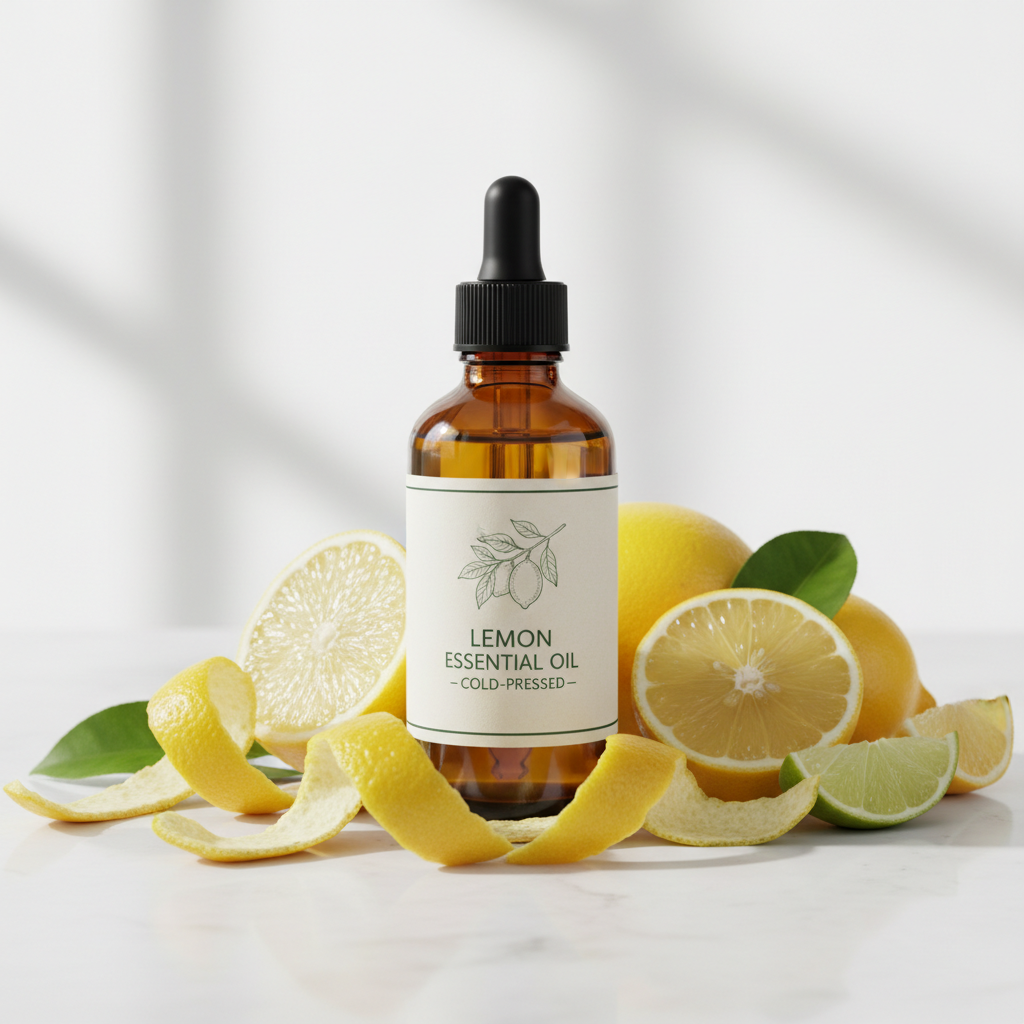
Lemon Essential Oil
Citrus limon
Lemon Essential Oil, derived from the peel of the Citrus limon tree, is celebrated for its bright and invigorating scent. This essential oil is extracted through a cold-press method, which preserves the oil's potency and vibrant aroma. Known for its wide array of therapeutic properties, Lemon Essential Oil is a staple in aromatherapy and wellness practices. ### Origin and Extraction Lemon trees are thought to have originated in Southeast Asia, particularly in regions such as India and China. Today, they are cultivated in various countries, including Italy, Spain, and the United States. The essential oil is extracted from the fruit’s outer peels through a process called cold-pressing. This technique involves mechanically pressing the lemon peels to release the oil without using any heat, ensuring that the natural properties of the oil are retained. ### Botanical Information Citrus limon, the botanical name for lemon, belongs to the Rutaceae family. The lemon tree can grow up to 6-20 feet tall and thrives in citrus-friendly climates. Its glossy leaves and fragrant flowers contribute to its popularity not just for its fruit but also for its essential oil. ### Therapeutic Properties and Benefits Lemon Essential Oil is renowned for its numerous therapeutic benefits. Its invigorating aroma can uplift mood and promote feelings of positivity and energy. Research has shown that Lemon Oil may reduce feelings of stress and anxiety, making it a great addition to your daily routine. Additionally, it supports the immune system, aids in digestion, and exhibits antibacterial and antiviral properties. ### Historical and Traditional Uses Historically, lemons have been utilized since ancient Rome and Egypt, both for culinary and medicinal purposes. The essential oil has been used in traditional medicine for its various health benefits, including its capacity to alleviate respiratory issues and improve overall vitality. In folk medicine, lemon oil was often used to purify and detoxify, believed to cleanse the body of harmful toxins. ### Scientific Facts and Research Studies have indicated the efficacy of Lemon Essential Oil in improving mood and cognitive function. A study published in the Journal of Essential Oil Research highlighted its anti-stress properties, while others have noted its potential for enhancing the immune response. This research supports the traditional claim of lemon as a health-promoting fruit. ### Aroma Profile and Characteristics Lemon Essential Oil has a sharp, zesty scent that is both fresh and invigorating. Its aroma is often described as uplifting and is used in many fragrances and cleaning products, reflecting its versatile application. The top notes of Lemon Oil are bright and citrusy, making it a highly sought-after fragrance in aromatherapy. ### Common Applications and Methods Lemon Essential Oil is incredibly versatile and can be used in a variety of ways. In aromatherapy, it can be diffused to enhance mood and stimulate the senses. For topical application, it should always be diluted with a carrier oil to prevent skin irritation. Lemon Oil can also be added to water or beverages for a refreshing drink, providing internal benefits and enhancing taste. ### Interesting Facts and Trivia - Lemon Essential Oil is often referred to as the ‘Oil of Purity’ due to its cleansing properties. - It is known for its ability to naturally deodorize and purify the air. - In cosmetics, lemon oil is a popular ingredient for its astringent properties, often included in face washes and toners. - Due to its phototoxic nature, it is important to avoid direct sunlight after applying lemon oil to the skin. In conclusion, Lemon Essential Oil is a dynamic and beneficial addition to any wellness routine. Its unique properties and delightful scent make it an excellent choice for enhancing both physical and emotional well-being. Whether you use it for cleaning, cooking, or relaxation, lemon oil offers a multitude of benefits that can enrich your daily life.
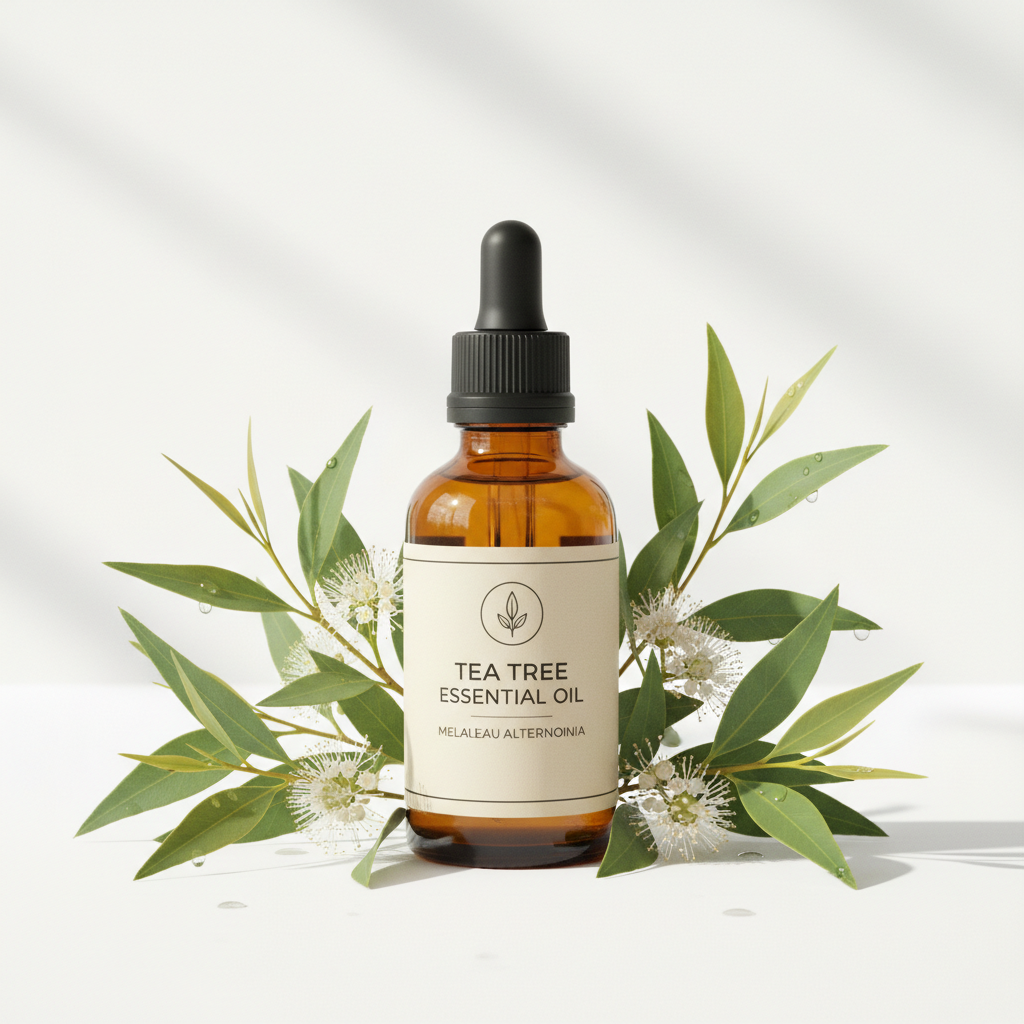
Tea Tree Essential Oil
Melaleuca alternifolia
### What is Tea Tree Essential Oil? Tea Tree essential oil, derived from the leaves of the *Melaleuca alternifolia* plant, is an essential oil praised for its powerful antiseptic and healing properties. Native to Australia, this potent oil has been utilized for centuries, both by indigenous Australians and modern herbalists, for its myriad of therapeutic benefits. ### Origin and Extraction Method Tea Tree oil is extracted through steam distillation of the fresh leaves and twigs of the Tea Tree plant, which is a small tree or shrub indigenous to the southeastern regions of Australia. The extraction process captures the naturally occurring compounds within the plant, yielding a highly concentrated oil rich in beneficial components such as terpinen-4-ol, which is known for its antiseptic qualities. ### Botanical Information The botanical name for Tea Tree is *Melaleuca alternifolia,* belonging to the Myrtaceae family. This evergreen shrub can grow up to 7 meters tall and features narrow leaves and clusters of white flowers. The indigenous population has long recognized the therapeutic potential of this plant, using it as a traditional remedy for various ailments. ### Therapeutic Properties and Benefits Tea Tree essential oil is renowned for its numerous health benefits. Here are some of the key therapeutic properties: - **Antiseptic:** Tea Tree oil is famously known for its ability to fight bacteria and fungi, making it a go-to oil for treating minor cuts and abrasions. - **Anti-inflammatory:** It helps reduce redness and swelling on the skin, thus supporting skin healing. - **Antiviral:** Useful in combating viruses, Tea Tree oil can bolster the immune system, helping to fend off colds and infections. - **Expectorant:** The oil can help clear respiratory pathways, making it beneficial for respiratory health. ### Historical and Traditional Uses Historically, Tea Tree oil was used by Australian Aborigines for bruises, cuts, and skin infections. They crushed the leaves and applied them directly to wounds. In modern herbal medicine, it is used in various formulations, from skin care products to aromatherapy blends. The oil gained global popularity due to its effectiveness and versatility in treating skin conditions, as well as its potent antibacterial qualities. ### Scientific Facts and Research Recent studies have highlighted the efficacy of Tea Tree essential oil in treating skin conditions like acne, athlete's foot, and dandruff. A review published in the *Journal of Dermatology* established that Tea Tree oil is effective against *Propionibacterium acnes,* the bacteria responsible for acne. Research has also shown that it possesses anti-inflammatory effects, making it a valuable component in the treatment of inflammatory skin diseases. ### Aroma Profile and Characteristics Tea Tree essential oil features a fresh, medicinal aroma with earthy, woody undertones. Its unique scent is invigorating and can promote a sense of cleanliness and focus. The aroma is often described as fresh and camphorous, making it a popular component in cleansing products. ### Common Applications and Methods Tea Tree oil can be used in several ways: - **Skincare**: Diluted with a carrier oil for topical applications, it can be used to treat cuts, insect bites, and minor skin irritations. - **Aromatherapy**: Adding a few drops to a diffuser can promote relaxation and mental clarity. - **Household Cleaner**: Its antibacterial properties make it suitable for natural cleaning solutions. - **Hair Care**: Incorporating it in shampoos can help alleviate dandruff and itchy scalp. ### Interesting Facts and Trivia - Tea Tree oil was first discovered by Captain James Cook, who noted the Aborigines using the leaves for medicinal purposes. - It is believed that just a small amount of Tea Tree oil can have a powerful effect when used in skincare routines. - In aromatherapy, it is often combined with other essential oils like lavender for enhanced benefits. In conclusion, Tea Tree essential oil is a versatile and potent oil with numerous benefits for health and wellness. Whether you're using it for skin care, inhalation for respiratory issues, or as a natural cleaner, the myriad of uses make it a staple in holistic therapies and natural health practices. Add Tea Tree essential oil to your collection for an effective tool in maintaining good health and hygiene.
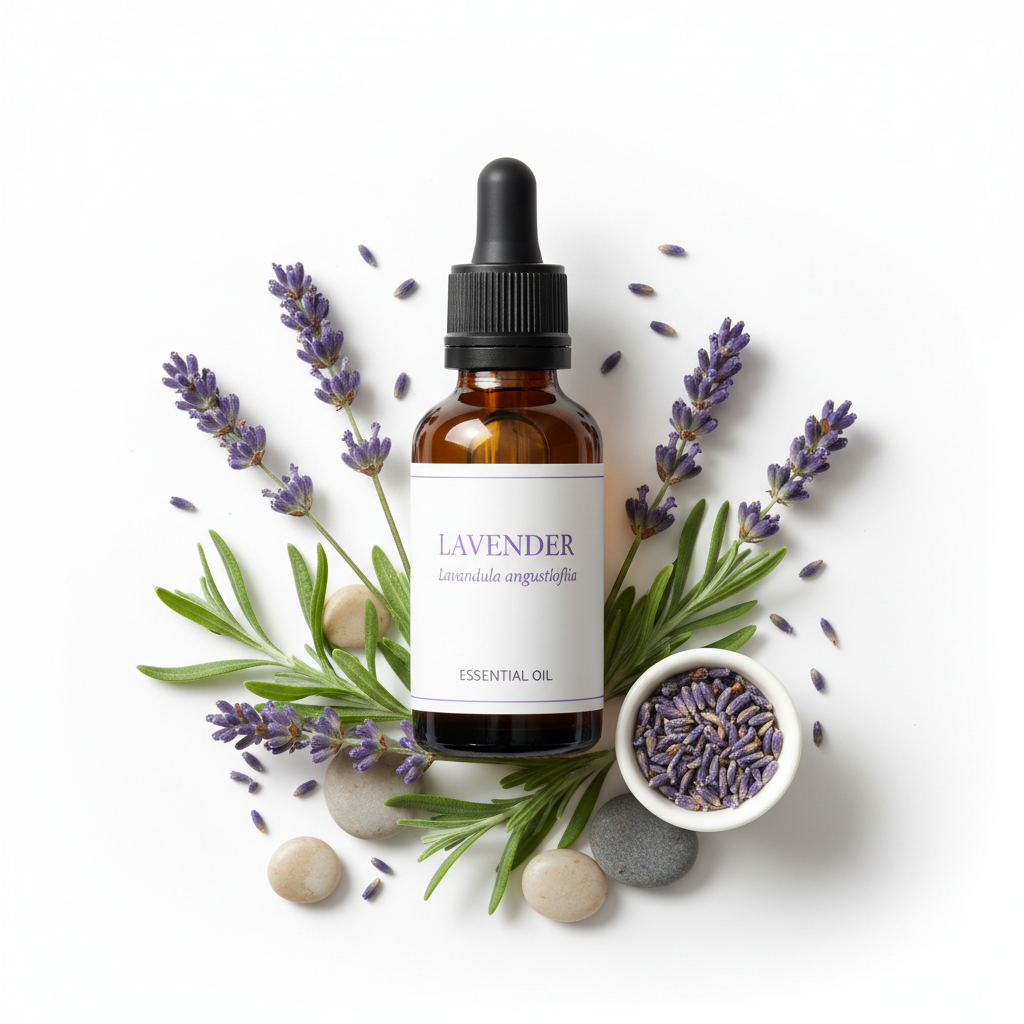
Lavender Essential Oil
Lavandula angustifolia
## Lavender Essential Oil: A Comprehensive Guide Lavender essential oil, extracted from the lavender plant (Lavandula angustifolia), is one of the most well-known and widely used essential oils today. It is celebrated for its relaxing properties and a range of therapeutic benefits that promote mental, emotional, and physical well-being. ### Origin and Extraction Method Lavender is native to the Mediterranean region, especially in areas of France, Italy, and Spain, where it flourishes in dry, sunny climates. The oil is obtained through steam distillation of the delicate flowering tops of the lavender plant. This method preserves the oil's delicate chemical composition, fostering its aromatic and therapeutic qualities, making it a staple in aromatherapy and natural health practices. ### Botanical Information Lavandula angustifolia, commonly known as true lavender, belongs to the Lamiaceae (mint) family. The plant typically reaches about 1 meter in height and has slender, greenish-gray leaves adorned with vibrant purple flowers. The distinctive aroma emanates from the plant's essential oil, which comprises various aromatic compounds such as linalool, linalyl acetate, and camphor, recognized for their calming effects. ### Therapeutic Properties and Benefits Lavender essential oil offers a myriad of therapeutic benefits, including: - **Promoting Relaxation:** Known as an anxiolytic, lavender oil effectively reduces anxiety and stress, helping to promote a sense of calm and tranquility. - **Improving Sleep Quality:** It is widely recommended as a natural remedy for insomnia and sleep disturbances. Adding a few drops to a diffuser or pillow can help induce restful sleep. - **Enhancing Mood and Emotional Balance:** Lavender oil can uplift mood and support emotional stability, making it beneficial for those experiencing sadness or irritability. - **Alleviating Headaches and Migraines:** Inhaling lavender oil or applying diluted oil to the temples may provide relief from headaches and migraines. - **Soothing Muscle Tension:** The anti-inflammatory properties of lavender oil make it effective for soothing sore muscles and reducing tension. - **Supporting Respiratory Health:** With its antiseptic properties, lavender oil may alleviate symptoms associated with colds, allergies, and respiratory infections. ### Historical and Traditional Uses Historically, lavender has been treasured for its medicinal and aromatic properties for centuries. Ancient Egyptians utilized lavender for mummification and as a cosmetic fragrance. Romans added it to their baths to relieve stress and enhance mood. In the Middle Ages, lavender symbolized purity, often used in perfumes and sachets, and its presence was common in homes to ward off pests. ### Scientific Facts and Research Numerous scientific studies have validated the benefits of lavender essential oil. Research published in *Evidence-Based Complementary and Alternative Medicine* confirmed that individuals who inhaled lavender experienced significant reductions in anxiety and improved sleep quality compared to placebo groups. Furthermore, studies indicate that lavender oil may influence neurotransmitter systems, enhancing its sedative effects. ### Aroma Profile and Characteristics Lavender essential oil possesses a sweet, floral, and herbaceous aroma that is both uplifting and calming. Its scent, often described as fresh and clean, makes it a popular choice in aromatherapy blends, personal care products, and home fragrances. The calming aroma can cultivate a serene environment, ideal for meditation and relaxation practices. ### Common Applications and Methods Lavender essential oil's versatility allows for a variety of applications: - **Aromatherapy:** Diffusing lavender oil in your home purifies the air and creates a relaxing atmosphere, beneficial for stress relief. - **Topical Use:** Diluting lavender oil with a carrier oil for massages or targeted skin applications helps alleviate pain and supports skin health. - **Baths:** Adding lavender oil to bathwater not only promotes relaxation but also eases muscle tension and soothes the mind. - **Culinary Uses:** When used in moderation, lavender adds a unique flavor to culinary dishes, commonly included in herbal teas, desserts, and infused syrups. ### Interesting Facts and Trivia - Lavender is often regarded as the “universal oil” due to its myriad benefits and applications across different practices. - It takes approximately 250 pounds of lavender flowers to produce about 1 pound of essential oil, demonstrating its value and potency. - The color purple, associated with lavender, symbolizes tranquility and peace, reflecting its effects on the mind and body. - Additionally, lavender is renowned for attracting pollinators like bees and butterflies, contributing positively to local biodiversity. In conclusion, lavender essential oil is not only remarkable with its profound history but also offers extensive benefits and versatile applications. Whether used to promote relaxation, enhance mood, or enjoy aromatic qualities, it plays an essential role in holistic health. Incorporate lavender essential oil into your daily routine for a touch of serenity and a pathway to balance your emotional and physical well-being.
More cleaning Recipes
Easy DIY Floor Cleaner Recipe with Essential Oils
Learn how to create a natural, effective, and eco-friendly floor cleaner using this simple recipe that includes essential oils for a fresh scent.
DIY Essential Oil Equipment Cleaner Recipe for Pristine Tools
This DIY essential oil equipment cleaner recipe ensures tools are residue-free, enhancing the quality of your blends while being eco-friendly and effective.
DIY Essential Oil Dishwasher Detergent Recipe
Discover the ultimate DIY dishwasher detergent recipe using essential oils, safe for your dishes and the environment. Make your kitchen eco-friendly!
DIY Essential Oil Recipe for Fresh Protein Bottles
Try this easy DIY recipe to refresh and deodorize your protein bottles naturally. Safe, effective, and simple – eliminate odors effortlessly!