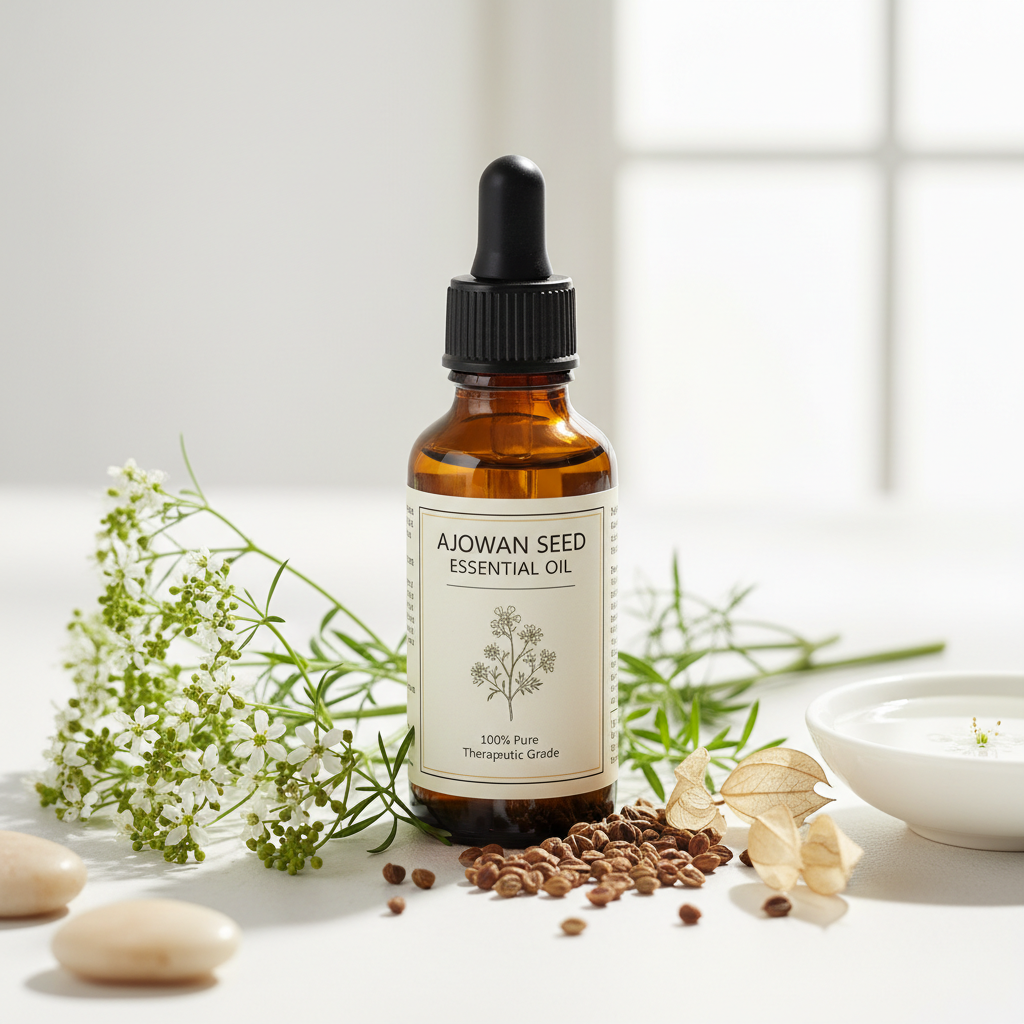
Ajowan Seed Essential Oil
Trachyspermum ammi
Plant Source
Ajowan plant
"Discover the amazing benefits of Ajowan Seed Essential Oil, from its historical uses to therapeutic properties and applications for holistic wellness."
Ajowan Seed Essential Oil: Comprehensive Overview
Ajowan Seed Essential Oil, extracted from the seeds of the Ajowan plant (Trachyspermum ammi), is renowned for its distinct warm, herbaceous aroma, reminiscent of thyme and oregano. This essential oil, often referred to simply as ajowan oil, has deep roots in both culinary and medicinal traditions, making it a valuable component in aromatherapy and holistic health.
Origin and Extraction Method The Ajowan plant is native to parts of India and the Middle East, thriving in warm, temperate climates. The seeds are typically harvested when fully matured, after which they undergo a steam distillation process to yield the essential oil. This method helps capture the volatile compounds within the seeds, ensuring a pure and potent oil that retains its therapeutic properties.
Botanical Information
Trachyspermum ammi is a member of the Apiaceae family, often categorized along with other herbs such as caraway and cumin. Its small, brown seeds are known for their high concentration of thymol, a powerful compound that contributes to both its aromatic profile and health benefits. Ajowan has been used historically not only as a spice but also for its medicinal qualities.
Therapeutic Properties and Benefits
Ajowan Seed Essential Oil offers a plethora of therapeutic benefits:
- Promotes Mental Clarity: The stimulating properties of ajowan oil can help enhance concentration and focus. It is often used during meditation or study to clear mental fog.
- Reduces Stress and Anxiety: The calming qualities of this oil promote emotional balance, making it an excellent choice for alleviating feelings of stress and tension.
- Supports Digestion: Ajowan oil has a long history of traditional use as a digestive aid. It can help relieve bloating, gas, and other digestive discomforts.
- Boosts Immune System: With its anti-inflammatory and antibacterial properties, ajowan oil can support overall immune health, helping the body fend off illnesses.
- Aids in Respiratory Health: The oil's antiseptic qualities can provide relief from respiratory issues, helping to clear congestion and soothe coughs.
Historical and Traditional Uses
The use of Ajowan dates back thousands of years. In Ayurvedic medicine, it is highly valued for its ability to improve digestion and as a remedy for various ailments. Traditionally, ajowan seeds were utilized in cooking for flavor and preservation, but their health benefits were soon recognized, leading to the extraction of their essential oil for use in various alternative medicinal practices.
Scientific Facts and Research
Various studies have explored the health benefits of Ajowan Seed Essential Oil. Research highlights its potential as an antimicrobial agent, effective against multiple strains of bacteria. Other studies suggest its efficacy in promoting digestive health and managing stress levels. Ongoing research into the therapeutic uses of ajowan oil continues to uncover its valuable properties.
Aroma Profile and Characteristics
The aroma of Ajowan Seed Essential Oil is complex and rich, characterized by a warm, spicy, and slightly bitter scent. This captivating fragrance not only enhances any aromatherapy blend but also serves as a natural insect repellent, making it beneficial for pest control in the home.
Common Applications and Methods
Ajowan Seed Essential Oil can be utilized in various ways:
- Aromatherapy: Use a diffuser to disperse the oil in your space, promoting relaxation and mental clarity.
- Topical Application: Dilute ajowan oil with a carrier oil and apply to affected areas to relieve muscle soreness or digestive discomfort.
- Massage: Incorporate ajowan oil into massage blends for rejuvenating effects on the body.
- Inhalation: Direct inhalation of the oil can help relieve respiratory issues.
Interesting Facts and Trivia
- Ajowan is often referred to as "carom seeds" in many societies, reflecting its culinary importance.
- This essential oil is sometimes used as a traditional remedy for both skin and hair care, helping to keep them healthy.
- It is a popular ingredient in Indian cuisine, especially in pickle preparation, owing to its preservative properties.
In conclusion, Ajowan Seed Essential Oil stands out not only for its distinct flavor profile but also for its extensive array of health benefits. Whether through aromatherapy, traditional medicine, or culinary applications, ajowan oil proves invaluable for enhancing wellness and nurturing the mind and body. Incorporating Ajowan Seed Essential Oil into your routine can offer both physical and emotional support.
Ask AI About Ajowan Seed Essential Oil
Get instant answers about this essential oil
Benefits & Uses
- Promotes mental clarity and focus
- Reduces feelings of stress and anxiety
- Enhances mood and emotional balance
- Supports feelings of stability and grounding
- Aids in digestion and can help relieve digestive discomfort
- Supports immune system health
- Acts as a natural anti-inflammatory for sore muscles
- May help relieve respiratory issues and congestion
- Can be diluted for use in treating stubborn acne
- May assist in reducing the appearance of blemishes
- Combines well with carrier oils for a soothing facial massage
- Effective in natural insect repellents
- Can be used in homemade cleaning products for its antibacterial properties
- Fills rooms with a pleasant aroma when diffused
How to Use
Diffuser
Add 4-6 drops of Ajowan Seed Essential Oil to your diffuser filled with water. Diffuse for 30-60 minutes to enhance mental clarity and promote a refreshing atmosphere.
Topical
Dilute Ajowan Seed Essential Oil with a carrier oil (e.g., jojoba, sweet almond) at a ratio of 1:30 (1 drop of essential oil to 30 drops of carrier oil). Apply to the desired area for pain relief or skin treatment.
Inhalation
For direct inhalation, place 1-2 drops of Ajowan Seed Essential Oil on a tissue or cotton ball and inhale deeply for several breaths. For steam inhalation, add 2-3 drops to a bowl of hot water, cover your head with a towel, and inhale the vapors for 5-10 minutes.
Safety & Precautions
Always dilute Ajowan Seed Essential Oil before topical application; it is potent and may cause skin irritation if used undiluted. Avoid contact with eyes and mucous membranes. Keep out of reach of children.
Who should avoid:
- Pregnant and breastfeeding women should use with caution
- Individuals with sensitive skin should perform a patch test before use
Recommended Products

Understanding the aromatic layers of Ajowan Seed Essential Oil
Top Notes
Heart Notes
Base Notes
Scent Evolution
Top Notes: First impression, evaporate quickly (15-30 min)
Heart Notes: Main character, last 2-4 hours
Base Notes: Lasting foundation, linger for hours
Complementary essential oils that pair beautifully with Ajowan Seed Essential Oil
Abyssinian Carrier Oil
Crambe abyssinica
✓enhanced aromatherapy benefits
Ammi Visnaga Essential Oil
Ammi visnaga
✓enhanced aromatherapy benefits
Amyris Essential Oil
Amyris balsamifera
✓balanced scent profile
Angelica Root Essential Oil
Angelica archangelica
✓similar chemical compositions
Anise Seed Essential Oil
Pimpinella anisum
✓complementary therapeutic properties
Balsam Peru Essential Oil
Myroxylon balsamum var. pereirae
✓complementary therapeutic properties
Blending Tips
- • Start with 2-3 oils for simple blends
- • Use 3-5 drops total per 10ml carrier oil
- • Let blends sit for 24-48 hours to marry
- • Test on a small skin area first
Calculating for: Ajowan Seed Essential Oil
Recommended: 2% | Max safe: 5%
29.57 ml
Your Recipe
0.59 ml
28.98 ml
💡 Dilution Tips
- • Always do a patch test before full application
- • Children and elderly need lower dilutions (1-2%)
- • Facial products should be gentle (0.5-1%)
- • 1 drop ≈ 0.05 ml (20 drops per ml)
- • Common carrier oils: fractionated coconut, jojoba, sweet almond
Related Recipes
Aromatherapy Recipe: Under-Bed Storage Drawer Bombs
Discover this simple recipe for Under-Bed Storage Drawer Aroma Bombs, perfect for freshening up your space with delightful scents!
Calming Essential Oil Pillow Mist Recipe for Relaxation
Discover this easy recipe for a soothing pillow mist that features lavender and bergamot for ultimate relaxation and better sleep.
Calming Lavender Linen Spray Recipe
A gentle, relaxing linen and room spray that promotes restful sleep and calm using lavender, chamomile, and cedarwood essential oils.
DIY Candle Making Fragrance Blend Recipe for Aromatic Bliss
Discover how to create a delightful essential oil blend recipe tailored for your candle making needs, enhancing your home with captivating scents.

DIY Essential Oil All-Purpose Cleaner Recipe for a Fresh Home
Discover the benefits of this DIY essential oil all-purpose cleaner recipe for a clean, safe, and aromatic household environment.

DIY Essential Oil Dishwasher Detergent Recipe
Discover the ultimate DIY dishwasher detergent recipe using essential oils, safe for your dishes and the environment. Make your kitchen eco-friendly!
Related Oils
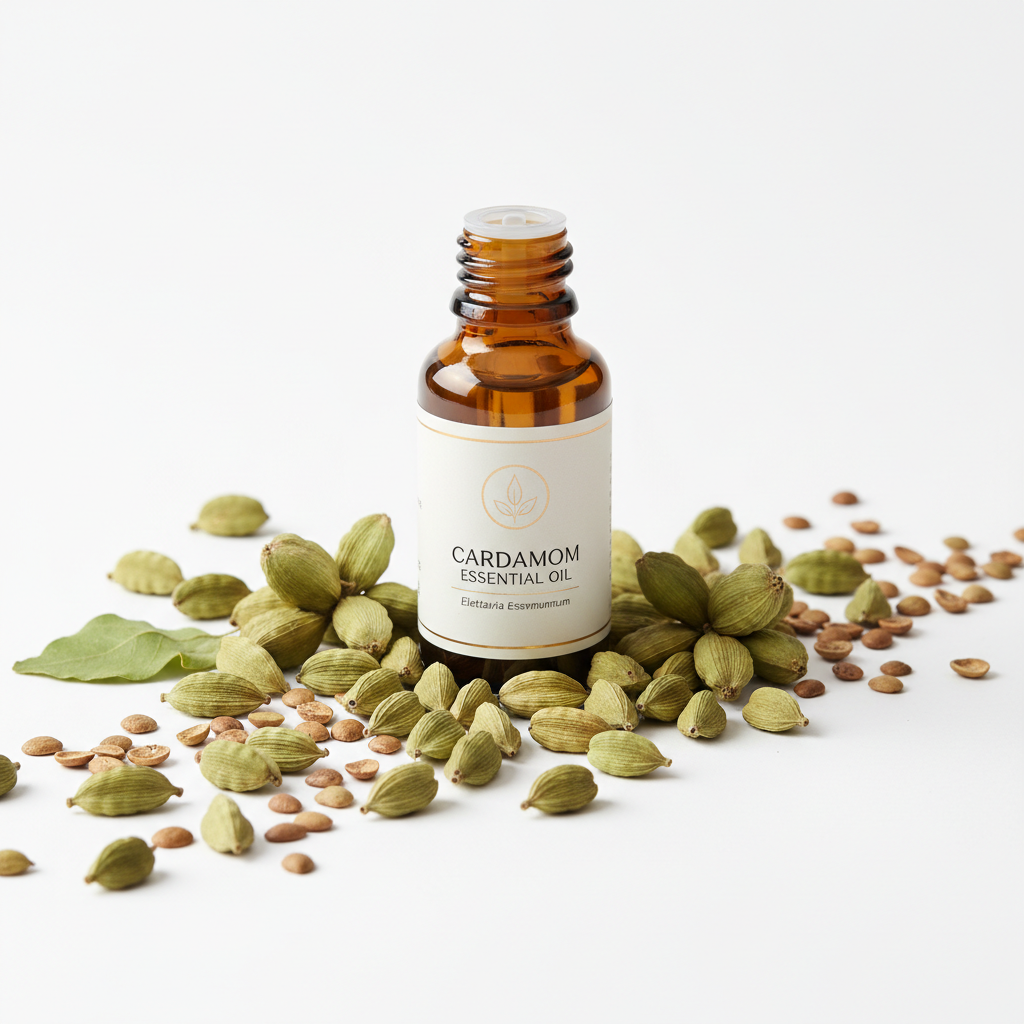
Cardamom Essential Oil
Elettaria cardamomum
### Cardamom Essential Oil: Origin, Extraction, and Uses Cardamom essential oil, scientifically known as *Elettaria cardamomum*, is derived from the seeds of the cardamom plant, which belongs to the ginger family (Zingiberaceae). This aromatic oil has gained a prominent place not just in kitchens as a spice but also in the world of aromatherapy and natural remedies. #### Origin and Extraction Method Cardamom is indigenous to the forests of India and the western Himalayas, though it is cultivated in many tropical regions worldwide, including Guatemala, Sri Lanka, and Tanzania. The essential oil is primarily extracted through **steam distillation** of the plant's seeds, which captures its unique aromatic qualities and preserves its therapeutic properties. #### Botanical Information The cardamom plant can reach heights of about 3 to 4 meters, featuring large leaves and elegant white flowers. The tiny seed pods that follow these flowers are what are harvested and distilled into essential oil. Cardamom is often called the “Queen of Spices” due to its rich flavor profile and historical prestige in culinary and medicinal applications. #### Therapeutic Properties and Benefits Cardamom essential oil is renowned for its multiple health benefits. It provides a range of therapeutic effects, including: - **Mood Enhancement**: This oil is celebrated for uplifting the spirit and promoting positive emotions. Its warm and spicy aroma can help combat feelings of sadness or negativity, fostering a cheerful mindset. - **Stress Reduction**: Known for its calming properties, cardamom oil supports the nervous system and helps induce relaxation and well-being. - **Mental Clarity**: Many users report enhanced focus and concentration, making it a valuable addition to work or study environments. - **Boosting Creativity**: The stimulating effects of this oil can inspire innovative thinking, making it a favorite among artists and writers seeking to break through creative blocks. - **Digestive Aid**: Cardamom essential oil supports digestive health by easing gastrointestinal discomfort and promoting healthy digestion. It is also known for alleviating nausea, especially during travel or in morning sickness cases. - **Energy Booster**: A quick energizer, cardamom oil can help combat lethargy, providing a natural lift during moments of fatigue. - **Detoxification Aid**: This oil encourages natural detox processes within the body, contributing to overall wellness. - **Muscle Relaxant**: With natural analgesic properties, cardamom oil can soothe muscle tension and discomfort, providing relief from aches and strains. #### Historical and Traditional Uses Historically, cardamom was prized not just for its culinary uses but also for its medicinal properties. In Ayurvedic medicine, it has been used to balance bodily systems and enhance overall health. Ancient cultures believed that it had aphrodisiac effects and used it in rituals and traditional remedies. #### Aroma Profile and Characteristics Cardamom essential oil has a sweet, spicy, and slightly herbaceous aroma, making it unique and multifaceted. Its fragrance is both warming and uplifting, attributed to its high concentration of cineole and terpinyl acetate. This distinct scent profile makes it a popular choice in perfumery and personal care products. #### Common Applications and Methods Cardamom oil can be used in various ways: - **Aromatherapy**: Diffuse in the air to create a positive environment, or add a few drops to your bath for a luxurious experience. - **Topical Applications**: Dilute with a carrier oil, such as coconut or jojoba oil, and apply to sore muscles or the abdomen for digestive support. - **Culinary Uses**: Add a drop or two to recipes for an exotic flavor twist or use it in spice blends. #### Interesting Facts and Trivia - Cardamom is one of the most expensive spices by weight, often used as a benchmark for the value of other spices. - It is sometimes referred to as “the spice of the rich” due to its historical significance in trade among the wealthy. - In some cultures, cardamom pods are chewed after meals to freshen breath and aid digestion. In conclusion, cardamom essential oil is a versatile and potent oil with a rich history and manifold benefits. Its unique combination of aromatic properties and therapeutic effects makes it a valuable asset in wellness practices and daily life, enhancing both culinary delights and holistic health.
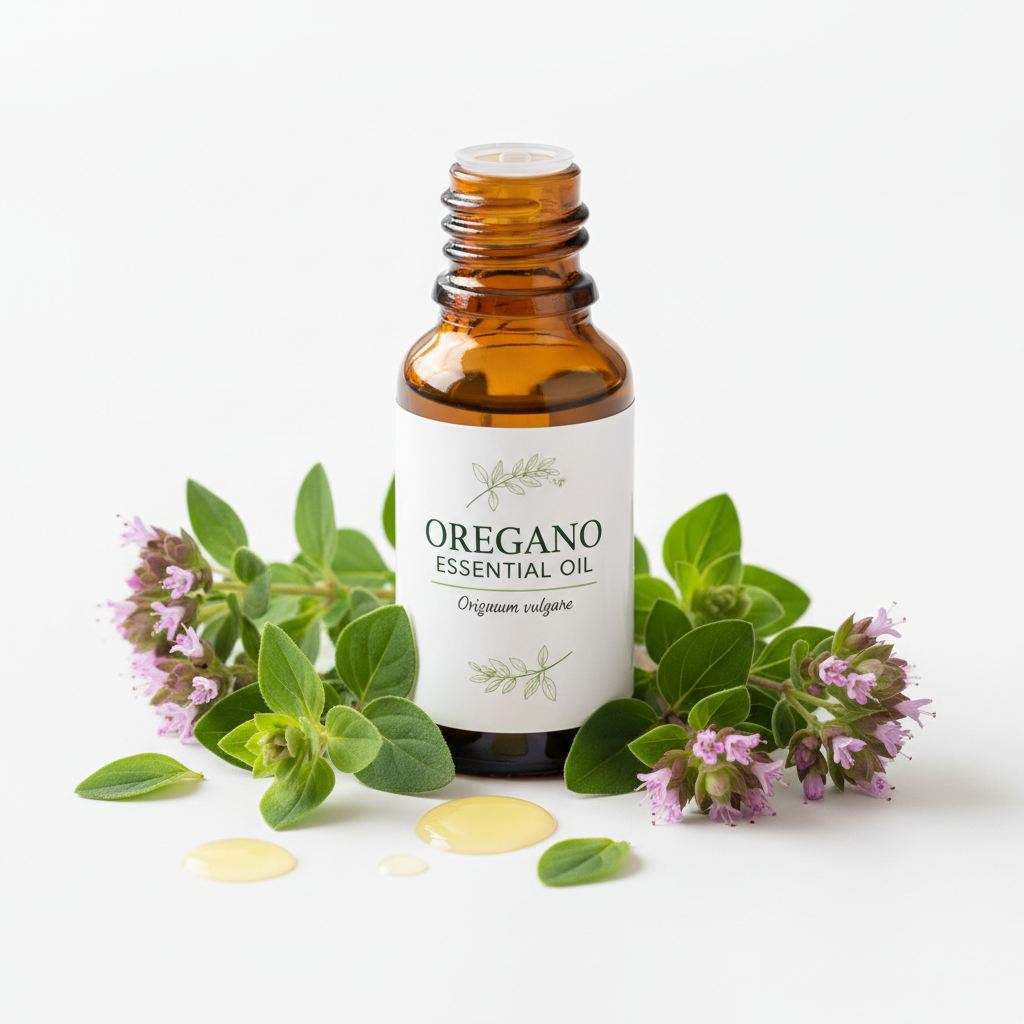
Oregano Essential Oil
Origanum vulgare
### Oregano Essential Oil: Extraction, Benefits, and Uses Oregano Essential Oil, derived from the leaves and flowering tops of the **Origanum vulgare** plant, has been cherished for centuries due to its extensive therapeutic properties and culinary uses, particularly within Mediterranean cuisine. This oil carries with it a rich history, having been utilized in traditional medicine for its remarkable health benefits. #### Origin and Extraction Method The **Origanum vulgare** plant, belonging to the mint family, is native to Europe but is now cultivated in various parts of the world, including the Mediterranean, Asia, and North America. The extraction of Oregano Essential Oil is achieved through **steam distillation** of the plant material, which effectively captures the oil's potent aroma and therapeutic benefits. During this process, the heat and steam help to release the oil from the plant's cells, resulting in a high-quality essential oil that retains its natural constituents. #### Botanical Information Botanically, Oregano is categorized under the **Lamiaceae** family, which includes other aromatic herbs like mint, basil, and thyme. The active compounds in oregano oil include **carvacrol** and **thymol**, which contribute to its impressive antimicrobial and antioxidant properties. With a warm, herbaceous, and slightly spicy aroma, Oregano Essential Oil is both invigorating and comforting, enhancing its appeal for various applications. #### Therapeutic Properties and Benefits Oregano Essential Oil is renowned for its numerous health benefits, which are supported by both historical applications and recent scientific research. Here are some of the key therapeutic properties: - **Antimicrobial**: Oregano oil has been found to combat bacteria, fungi, and viruses, making it a natural choice for maintaining health and preventing infections. - **Antioxidant**: The oil is rich in antioxidants, which help to neutralize free radicals in the body, thereby supporting overall health and wellness. - **Anti-inflammatory**: Oregano Essential Oil has potent anti-inflammatory effects that can assist in reducing inflammation and pain within the body. #### Historical and Traditional Uses Historically, Oregano was used by ancient Greeks and Romans not only for culinary purposes but also for its medicinal properties. It was believed to promote good health and was commonly used in herbal remedies. Ancient cultures often used oregano for its digestive benefits, and it was applied to wounds for its antimicrobial effects. #### Scientific Facts and Research Recent studies have validated many of the traditional uses of Oregano Essential Oil. Research has shown that the oil's constituent, **carvacrol**, exhibits potent antibacterial properties against various pathogens. Additionally, studies indicate that oregano oil may enhance respiratory function, offering relief from colds and respiratory infections. #### Aroma Profile and Characteristics With its warm, spicy, and herbaceous scent, Oregano Essential Oil provides an uplifting aroma that can invigorate the environment. The scent is not only pleasing but also possesses emotional benefits, including improved focus and stress relief. #### Common Applications and Methods Oregano Essential Oil can be utilized in a variety of ways: - **Aromatherapy**: Diffusing oregano oil in the air can enhance mood and promote emotional well-being. - **Topical Application**: Diluted with a carrier oil, Oregano Essential Oil can be applied to the skin for muscle relief or to support skin health, especially in treating acne or minor infections. - **Culinary Uses**: Oregano oil can be added to meals for flavor as well as its health benefits, although its strong potency necessitates caution in usage. #### Interesting Facts and Trivia - Oregano means "joy of the mountain" in Greek, reflecting its native habitat. - Ancient Greeks used oregano in their bath to promote relaxation and seduction. - Oregano is also a natural pesticide due to its antimicrobial properties, helping to protect gardens from harmful insects. In conclusion, Oregano Essential Oil is a multifaceted oil that serves not only culinary enthusiasts but also those seeking natural remedies for health and well-being. Its impressive array of benefits, along with its delightful aroma, makes it a staple in both households and medicine cabinets alike.
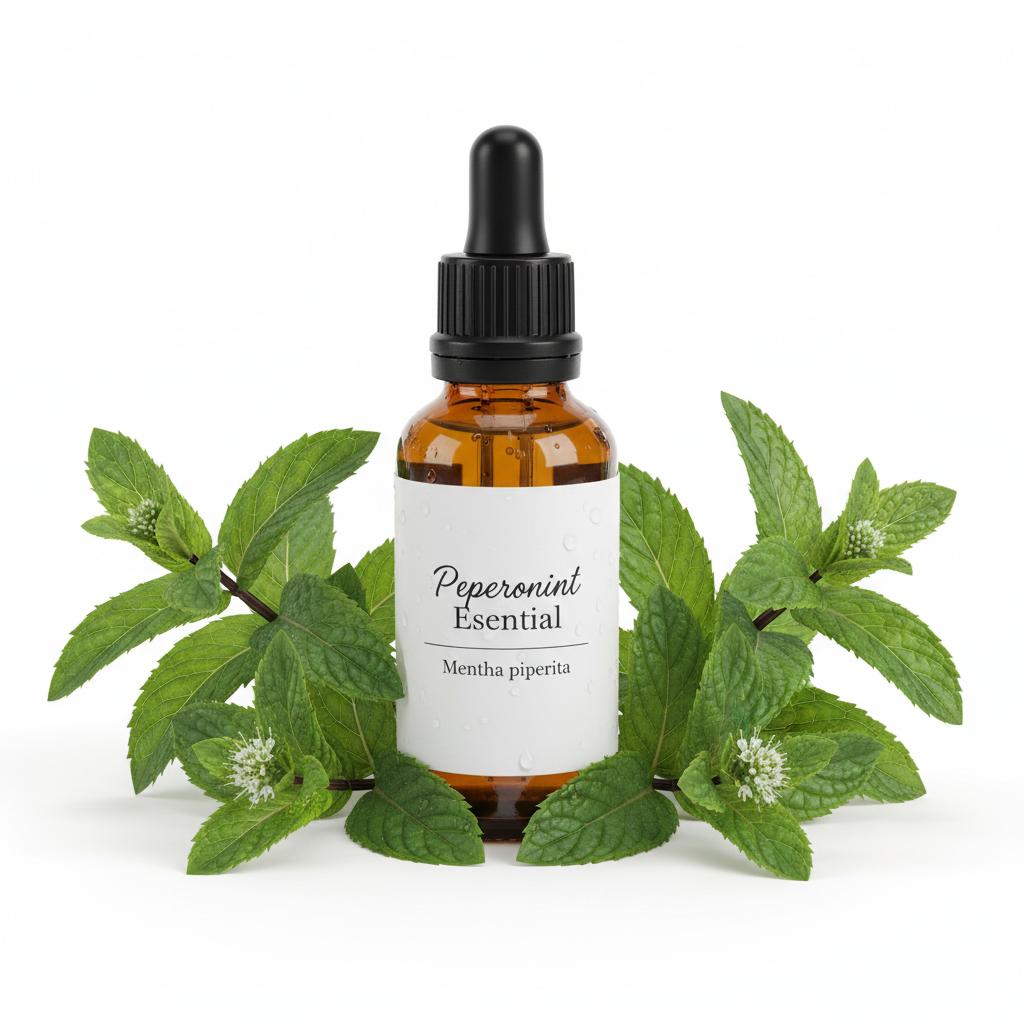
Peppermint Essential Oil
Mentha piperita
Peppermint essential oil, extracted from the leaves of the Mentha piperita plant, is a powerhouse in the world of essential oils due to its versatility and effectiveness. Extracted through steam distillation, this oil retains potent properties and a refreshing minty aroma that has been cherished for centuries. Originating from the Mediterranean region, peppermint has been valued not just for its therapeutic advantages, but also for culinary purposes and as a delightful herbal tea. **Origin and Extraction Method** Peppermint (Mentha piperita) is a hybrid of watermint and spearmint. The oil is extracted from its dark green leaves, showcasing a clear to pale yellow liquid. This essential oil is known for its invigorating aroma thanks to its unique chemical composition, primarily menthol and menthone, which contribute to its therapeutic properties. **Botanical Information** Belonging to the Lamiaceae family, peppermint grows to about 1-3 feet tall with jagged leaves. These leaves are rich in essential oils, making peppermint a highly sought-after plant in both aromatherapy and cooking. **Therapeutic Properties and Benefits** Peppermint essential oil offers an array of therapeutic properties, including: - **Energy Booster**: A few drops can invigorate and enhance physical energy, making it ideal for workouts or long days. - **Headache Relief**: Its cooling properties can alleviate tension headaches when applied to the temples. - **Focus Enhancer**: Inhalation sharpens mental clarity, suitable for studying and work. - **Mood Uplifter**: The fresh scent mitigates stress and anxiety, promoting well-being. - **Mental Fatigue Fighter**: Helps refresh the mind during intensive mental tasks. - **Digestive Support**: Traditionally used to ease digestive issues, promoting gut health. - **Cooling Effect**: Ideal for alleviating symptoms of hot flashes or sunburn. - **Respiratory Aid**: Clears airways, contributing to improved respiratory function. **Historical and Traditional Uses** Peppermint has rich historical roots, dating back to ancient Egypt and Greece, where it was highly regarded for its aromatic properties. In addition to being found in tombs, the Greeks used it in baths, and Egyptians incorporated it into embalming processes. Today, peppermint tea remains a staple in herbal remedies for digestion, evidencing its lasting significance in holistic practices. **Scientific Facts and Research** Current studies back the therapeutic claims of peppermint essential oil. Research indicates that inhaling peppermint can significantly boost cognitive functions, especially during tasks requiring deep concentration. Other studies suggest its efficacy in managing symptoms of irritable bowel syndrome (IBS), lending scientific credence to its traditional uses. **Aroma Profile and Characteristics** Peppermint essential oil is known for its crisp, refreshing scent that possesses a powerful cooling effect. The main components, menthol and menthone, not only provide its charming aroma but also render it beneficial in aromatherapy. This essential oil is rich in antioxidants, and its healing fragrances make it a staple in many wellness practices. **Common Applications and Methods** Peppermint essential oil can be utilized in various ways, enhancing both wellness practices and daily life: - **Aromatherapy**: Diffusing peppermint offers mood enhancement and improved concentration. - **Topical Uses**: Diluted in a carrier oil, it can soothe headaches when massaged on the temples. - **Bath Soaks**: A few drops can refresh bathwater, yielding a relaxing experience. - **Culinary Uses**: Utilized as a flavoring agent, it offers a refreshing taste to dishes and drinks. **Interesting Facts and Trivia** - As one of the most widely used essential oils, peppermint is a staple in aromatherapy. - The name ‘Mentha’ traces back to Greek mythology, named after a nymph transformed into a plant. - Its antibacterial properties make it a popular ingredient in oral hygiene products. In conclusion, peppermint essential oil is an extraordinary natural remedy packed with health benefits. From its energizing capabilities to its digestive support, this essential oil is an invaluable addition to any wellness toolkit, merging traditional wisdom with contemporary science, making it an essential oil worth exploring.