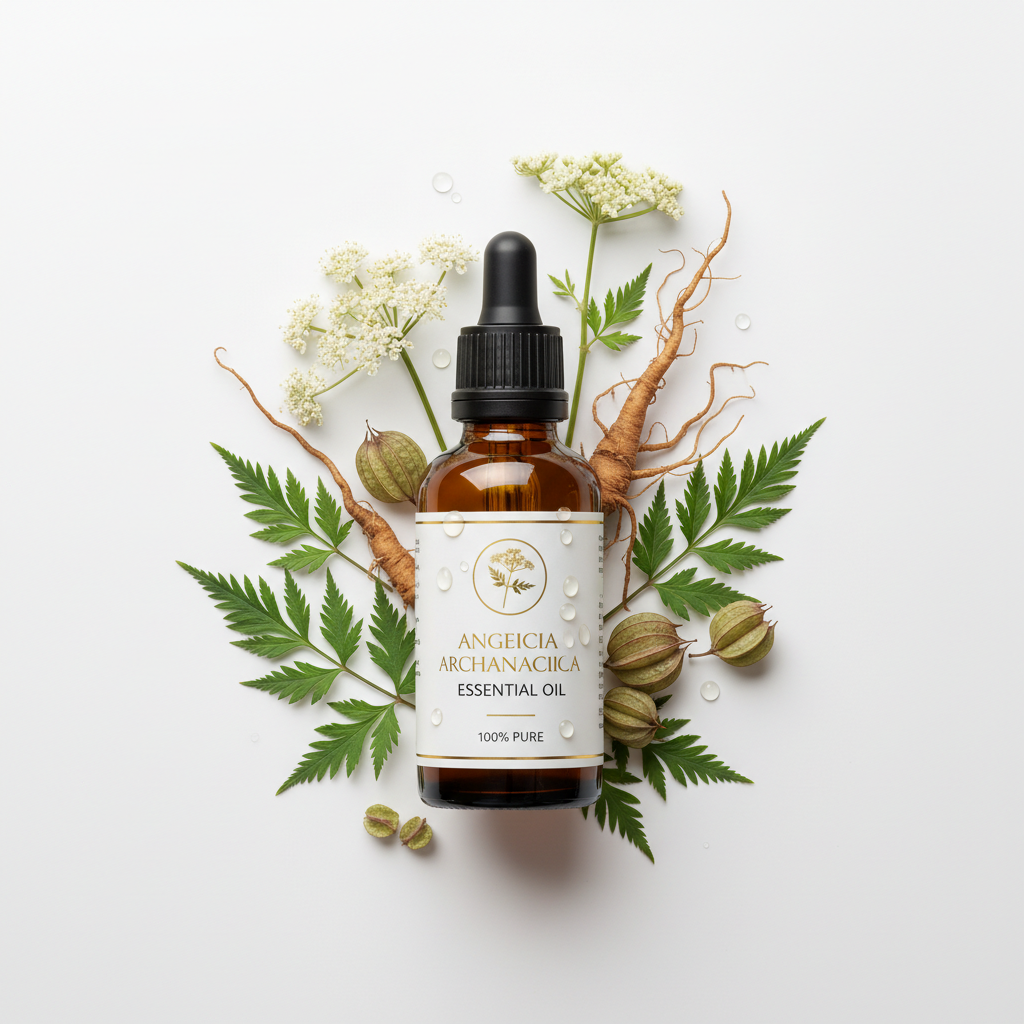
Angelica Root Essential Oil
Angelica archangelica
Plant Source
Angelica archangelica
Scent Family
Herbal
"Discover the therapeutic properties, history, and uses of Angelica Root Essential Oil, derived from the Angelica archangelica plant. Experience its calming effects!"
Introduction to Angelica Root Essential Oil
Angelica Root Essential Oil is an aromatic oil obtained from the roots of the Angelica archangelica plant, often referred to as the 'Holy Ghost' plant due to its extensive historical usage in religious and medicinal practices. Originating from Europe, particularly Scandinavia, this plant thrives in moist, shady environments, contributing to the rich tapestry of traditional herbal medicine. The extraction of Angelica root oil typically involves steam distillation, a method that preserves its unique chemical constituents, making it highly sought after in aromatherapy and holistic healing.
Botanical Information
Botanically classified in the Apiaceae family (which includes carrots and parsley), Angelica archangelica can grow up to 2 meters tall, featuring broad, toothed leaves and blossoms that produce clusters of small, white flowers. The roots are the primary source of essential oil, famous for their complex chemical profile rich in alpha-pinene, beta-pinene, and monoterpenes which impart therapeutic properties.
Therapeutic Properties and Benefits
Angelica Root Essential Oil is renowned for its multitude of benefits, particularly its anti-inflammatory, antimicrobial, and anti-anxiety properties. Comprehensively, it:
- Supports Emotional Balance: Its calming effects can help alleviate feelings of stress and anxiety, making it a favored choice for those seeking mental clarity and emotional stability. It encourages a sense of grounding, fostering compassion in interpersonal relationships.
- Aids Digestion: Commonly used to soothe digestive discomforts, this oil can promote healthy digestion when used in massages or diffused.
- Enhances Respiratory Health: The oil assists in relieving congestion and respiratory issues, making it helpful during the colder seasons.
- Boosts Circulation: Enhancing blood circulation, it can support cardiovascular health, which is vital for overall well-being.
- Supports Women's Health: When used topically or in massage, Angelica oil can provide relief from menstrual discomfort, showcasing its versatility.
Historical and Traditional Uses
Historically, Angelica Root has been revered in various cultures. In traditional Chinese medicine, it has been used as a remedy for respiratory ailments, while in European herbal practices, it was utilized for its warming properties as a digestive tonic and a means to increase vitality.
Aroma Profile and Characteristics
The essential oil boasts a distinctive aroma profile that can be described as earthy, herbal, and slightly sweet. It has a warm, inviting scent that’s often used in aromatherapy to create a serene and tranquil environment, making it an excellent addition to relaxation blends and meditation practices.
Applications and Methods
Angelica Root Essential Oil can be utilized in several ways:
- Diffusion: Add a few drops to an essential oil diffuser to create a calming atmosphere.
- Topical Application: Dilute with a carrier oil and apply to the skin for therapeutic effects. It's particularly beneficial for relieving tension and supporting circulation when massaged into sore areas.
- Bath: Adding a few drops to a warm bath can enhance relaxation and soothe muscle tension.
Interesting Facts and Trivia
- The name "Angelica" derives from the Latin term for "angel", reflecting its historical association with spirituality and religious ceremonies.
- Historically, Angelica was believed to ward off evil spirits and was used in protective amulets.
- It has also found its place in culinary applications in certain cultures, often used to flavor spirits and liqueurs.
Conclusion
Angelica Root Essential Oil stands out not only for its delightful aroma but also for its remarkable range of therapeutic benefits. From promoting emotional well-being to aiding digestive issues and enhancing respiratory health, it offers a holistic approach to wellness. Embrace the soothing properties of Angelica Root Essential Oil and integrate it into your daily routine to experience its beneficial effects on the body, mind, and spirit.
Ask AI About Angelica Root Essential Oil
Get instant answers about this essential oil
Benefits & Uses
- Promotes a sense of calm and tranquility, relieving stress and anxiety.
- Enhances mental clarity and focus, supporting concentration during tasks.
- Uplifting properties that can help combat feelings of depression and low mood.
- Encourages emotional grounding and stability, useful in times of emotional turmoil.
- Fosters a sense of connection and compassion, aiding interpersonal relationships.
- Supports the respiratory system, assisting with congestion and breathing issues.
- Boosts circulation, promoting overall cardiovascular health.
- May aid in menstrual discomfort relief when used in massage.
- Helps to detoxify the body, supporting liver health and function.
- Enhances skin condition by balancing oil production and improving complexion.
- Can be added to skincare products for its anti-inflammatory properties.
- Useful for oily and acne-prone skin due to its balancing effects.
- Acts as a natural toner, helping to tighten skin and reduce pores.
- Integrated into bath oils for a soothing and aromatic experience.
- Can be used in natural cleaning products for its antimicrobial properties.
- Serves as a natural air freshener when diffused in living spaces.
- Useful in potpourri blends to enhance home atmosphere.
- Added to laundry for a fresher, herbal scent while providing antibacterial benefits.
How to Use
Diffuser
For small rooms, add 3-5 drops of Angelica Root Essential Oil to the diffuser; for medium rooms, use 5-8 drops; for large rooms, use 8-12 drops. Diffuse for 30-60 minutes at a time and repeat 2-3 times daily, ideally in the morning and before sleep.
Topical
When applying topically, dilute Angelica root oil to 2-3% for adults (approximately 10-18 drops per ounce of carrier oil), 0.5-1% for children, and 1-2% for the elderly. Common carrier oils include jojoba, sweet almond, and coconut. Massage gently onto the skin and allow for absorption, ideally leaving it on for 30-60 minutes.
Inhalation
For direct inhalation, place 1-2 drops on a tissue or inhale from cupped hands. For steam inhalation, add 2-3 drops to a bowl of hot water and inhale the steam for 5-10 minutes. Personal inhalers can also be used for on-the-go aromatherapy.
Safety & Precautions
Conduct a patch test before using topically to ensure no allergic reactions occur. Avoid sun exposure for 12 hours after topical application due to potential photosensitivity. Pregnant or nursing women, and those with certain medical conditions should consult a healthcare provider before use. Store in a cool, dark place and use within 2-3 years of purchase for optimal freshness.
Who should avoid:
- Pregnant women, especially in the first trimester.
- Individuals with chronic skin conditions or sensitivity.
- Anyone with hypotension or hypertension issues.
- Individuals taking medication that may interact with this oil.
Recommended Products

Understanding the aromatic layers of Angelica Root Essential Oil
Top Notes
Heart Notes
Base Notes
Scent Evolution
Top Notes: First impression, evaporate quickly (15-30 min)
Heart Notes: Main character, last 2-4 hours
Base Notes: Lasting foundation, linger for hours
Complementary essential oils that pair beautifully with Angelica Root Essential Oil
Ajowan Seed Essential Oil
Trachyspermum ammi
✓traditional pairing in aromatherapy
Allspice Essential Oil
Pimenta dioica
✓balanced scent profile
Ammi Visnaga Essential Oil
Ammi visnaga
✓complementary therapeutic properties
Amyris Essential Oil
Amyris balsamifera
✓enhanced aromatherapy benefits
Angelica Essential Oil
Angelica archangelica
✓complementary therapeutic properties
Anise Essential Oil
Pimpinella anisum
✓enhanced aromatherapy benefits
Blending Tips
- • Start with 2-3 oils for simple blends
- • Use 3-5 drops total per 10ml carrier oil
- • Let blends sit for 24-48 hours to marry
- • Test on a small skin area first
Calculating for: Angelica Root Essential Oil
Recommended: 2% | Max safe: 5%
29.57 ml
Your Recipe
0.59 ml
28.98 ml
💡 Dilution Tips
- • Always do a patch test before full application
- • Children and elderly need lower dilutions (1-2%)
- • Facial products should be gentle (0.5-1%)
- • 1 drop ≈ 0.05 ml (20 drops per ml)
- • Common carrier oils: fractionated coconut, jojoba, sweet almond
Related Recipes
DIY Acne Calming Gel Spot Treatment Recipe for Clear Skin
Explore our DIY acne calming gel spot treatment recipe to soothe inflammation and fight breakouts using natural ingredients for healthier skin.
DIY Detoxifying Nail Soak Recipe with Essential Oils
Learn how to create a holistic detoxifying nail soak recipe that promotes healthy nails and cuticles while providing essential oils’ soothing benefits.
DIY Essential Oil Foaming Hand Soap Recipe
Craft your own moisturizing foaming hand soap using essential oils! This DIY recipe combines natural ingredients for clean, soft hands. Perfect for home use!

Lavender Essential Oil Body Wash Recipe
Discover the perfect Sandalwood essential oil body wash recipe that promotes relaxation, relieves stress, and moisturizes your skin with natural ingredients.
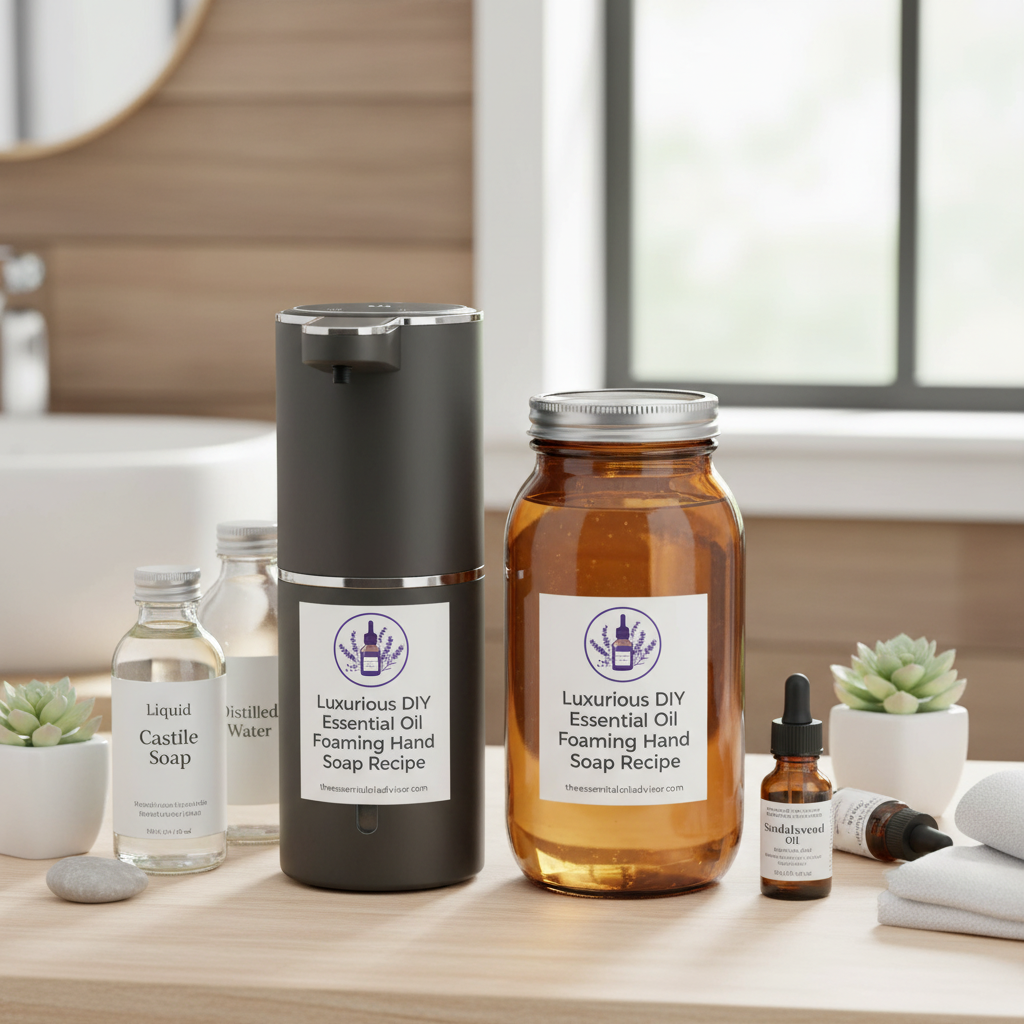
Luxurious DIY Essential Oil Foaming Hand Soap Recipe
Discover this nourishing recipe for a luxurious DIY essential oil foaming hand soap that cleans and hydrates sensitive skin beautifully!
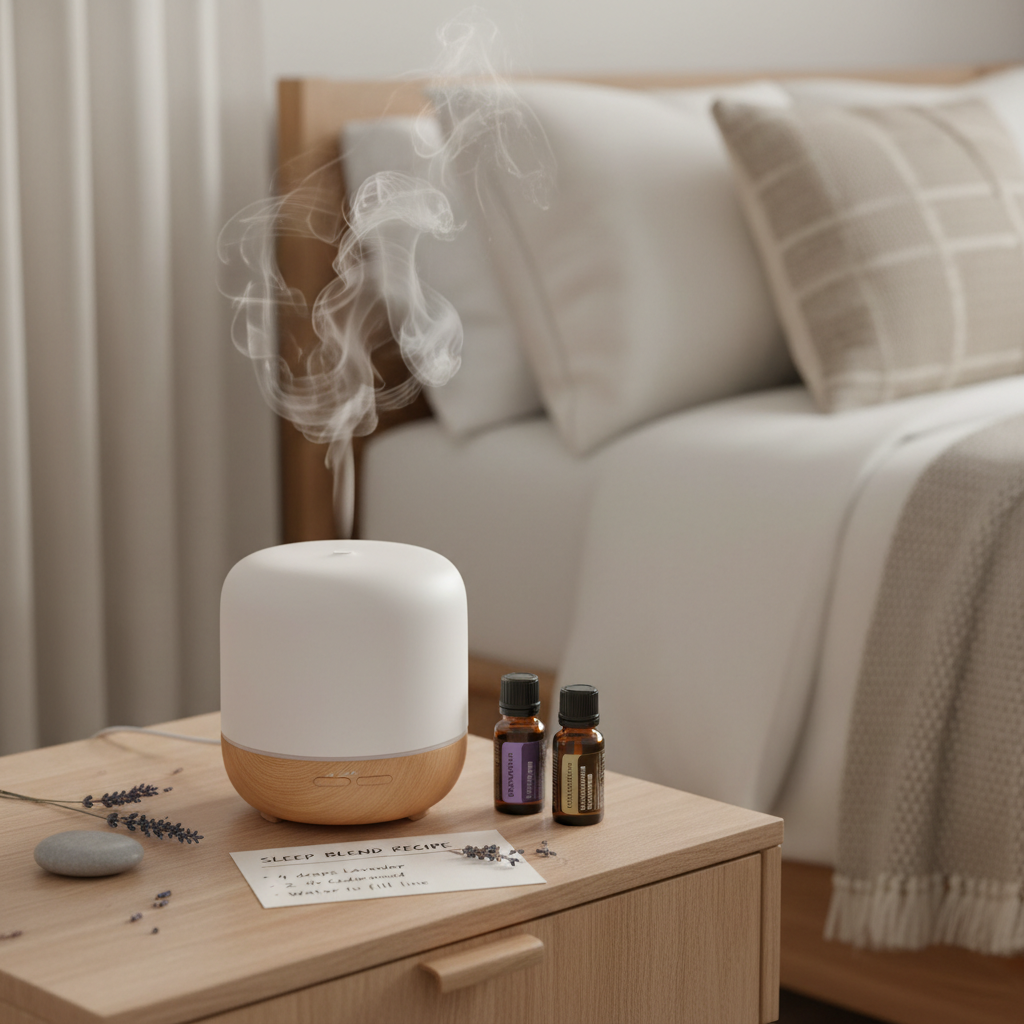
Relaxing Lavender Bergamot Essential Oil Recipe for Sleep
Discover a soothing Lavender Bergamot essential oil recipe to promote relaxation and restorative sleep after stressful days.
Related Oils
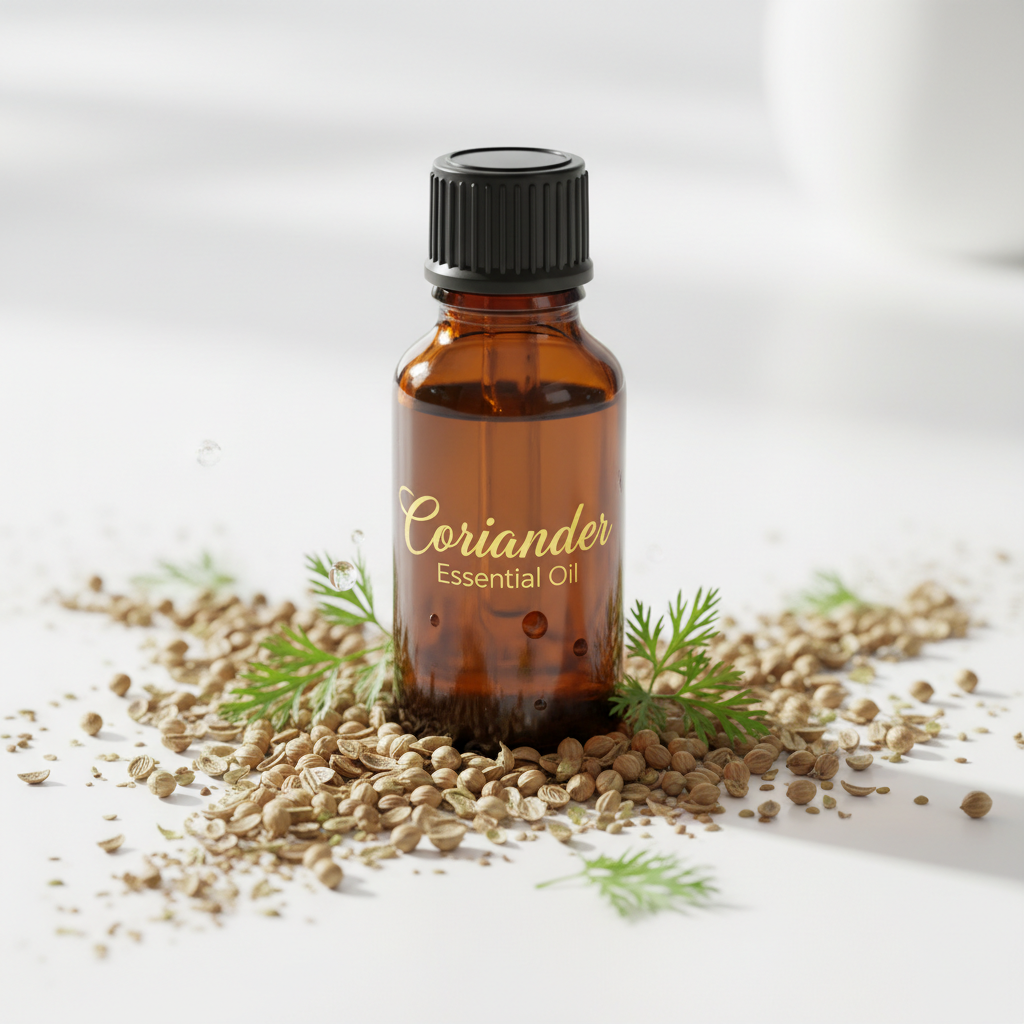
Coriander Essential Oil
Coriandrum sativum
Coriander essential oil, extracted from the seeds of the coriander plant (Coriandrum sativum), is a versatile and aromatic oil with a rich history of culinary and medicinal uses. The extraction process typically involves steam distillation, which captures the warm, spicy aroma characteristic of coriander. This essential oil is not only valued for its delightful scent but also for its array of therapeutic properties that promote physical and emotional well-being. ### Origin and Extraction Method Coriander originates from regions in Europe, Asia, and North Africa, with a long history of cultivation in both culinary and traditional medicine. The essential oil is obtained through steam distillation of dried seeds, preserving its natural aroma and healing qualities. This method ensures that the essential oil maintains its integrity and efficacy for various applications. ### Botanical Information Coriandrum sativum is an annual herb belonging to the Apiaceae family, which also includes other culinary herbs such as parsley, dill, and fennel. The plant can reach up to 50 cm in height and bears small white or pink flowers. Both the leaves and seeds are used in cooking; however, the essential oil is specifically derived from the seeds, which contain high levels of aromatic compounds that contribute to its therapeutic benefits. ### Therapeutic Properties and Benefits The essential oil of coriander is renowned for its diverse range of therapeutic properties: - **Mood Enhancement:** The warm, spicy scent of coriander essential oil has uplifting qualities that can help reduce feelings of depression and promote a positive mood. - **Relaxation and Stress Relief:** Known for its calming effects, coriander oil helps soothe the mind and reduce anxiety levels, making it an excellent choice for aromatherapy sessions aimed at stress relief. - **Cognitive Focus:** The invigorating aroma can enhance concentration and mental clarity, making it beneficial during tasks that require focus and attention. - **Emotional Balance:** Coriander essential oil may assist in alleviating anxiety and promoting emotional well-being through its balancing effects on the mind. - **Creativity Booster:** The energizing scent is often utilized to stimulate creativity and enhance inspiration in artistic pursuits. - **Muscle Tension Relief:** When used in massages, coriander oil can alleviate muscle soreness and tension, offering relief after strenuous activities. - **Respiratory Support:** Inhaling this oil may help clear the airways and support respiratory health, especially during cold seasons. - **Skin Health:** Coriander oil can soothe irritated skin and may assist in reducing the appearance of blemishes and promoting an even complexion. - **Immune System Support:** Traditionally, coriander essential oil has been thought to bolster the immune system, helping the body ward off illness. - **Detoxification Aid:** It is believed to aid liver function, promoting the elimination of toxins from the body. ### Historical and Traditional Uses Coriander has been used throughout history not only as a spice but also for its medicinal properties. Ancient cultures valued it for its ability to alleviate digestive issues and were recognized for its restorative properties. In traditional medicine, it has been used to treat various ailments, from skin irritations to digestive disorders. ### Scientific Facts and Research Recent studies have explored the antimicrobial and antioxidant properties of coriander essential oil, highlighting its potential in food preservation and health applications. Research has shown that the oil contains compounds such as linalool and geranyl acetate, which contribute to its therapeutic benefits. ### Aroma Profile and Characteristics Coriander essential oil has a warm, spicy, and slightly sweet aroma that is both comforting and invigorating. Its unique scent profile can enhance blends with other essential oils, making it a popular choice in the fragrance industry. ### Common Applications and Methods - **Aromatherapy:** Add a few drops to a diffuser or oil burner to uplift the mood and create a relaxing atmosphere. - **Topical Use:** Dilute coriander essential oil with a carrier oil for massages or to support skin health. - **Culinary Uses:** Although not common, a few drops of this oil can enhance dishes when used sparingly, particularly in savory recipes. ### Interesting Facts and Trivia - Coriander seeds have been found in ancient Egyptian tombs, indicating its historical significance. - In some cultures, coriander is associated with love and fertility. In conclusion, coriander essential oil is an invaluable addition to both wellness and beauty routines, offering a myriad of benefits and applications. Its delightful aroma, coupled with its therapeutic properties, makes it a popular choice for those looking to incorporate natural remedies and fragrances into their lives.
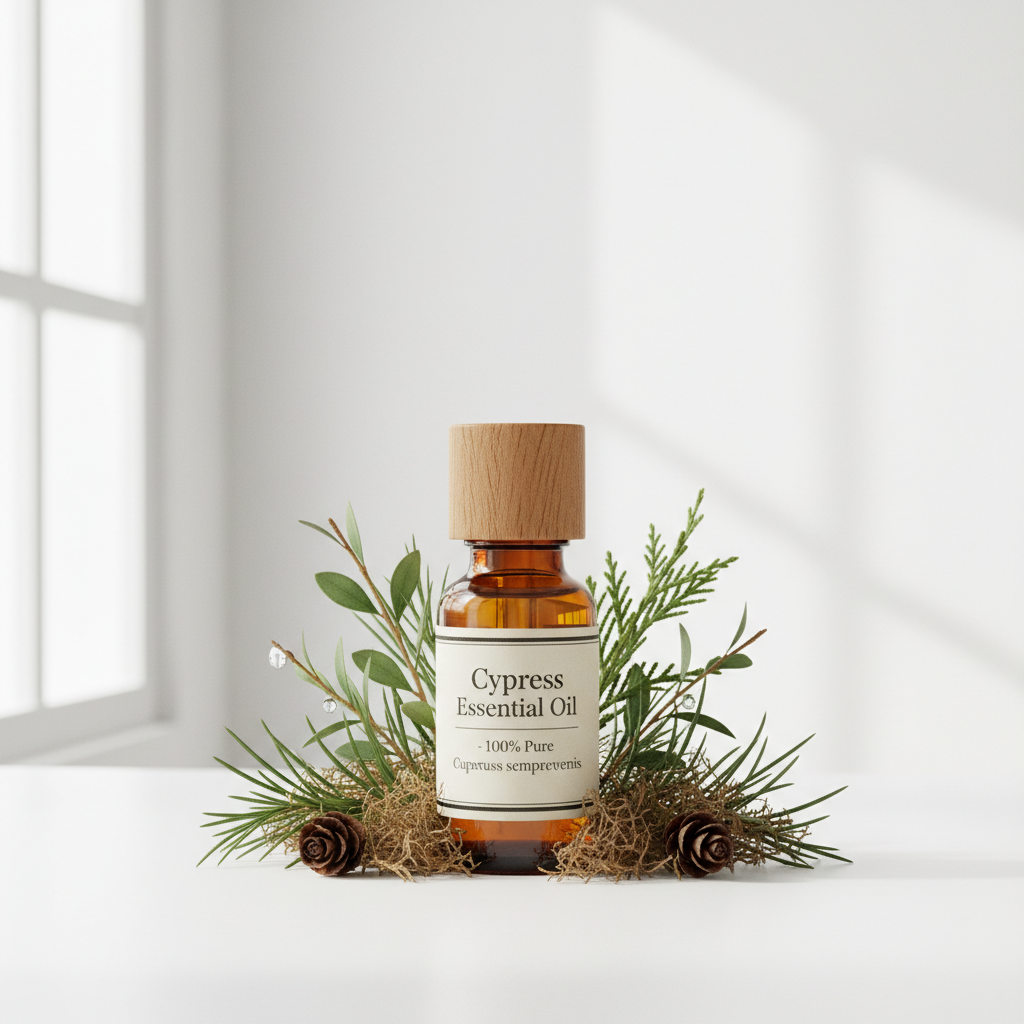
Cypress Essential Oil
Cupressus sempervirens
Cypress Essential Oil is an aromatic oil derived from the evergreen tree known scientifically as Cupressus sempervirens. This oil is extracted through the steam distillation of the tree's needles and twigs, resulting in a fresh, woody fragrance that's both invigorating and calming. With a long history steeped in traditional use, cypress oil has been celebrated for its numerous therapeutic properties, making it a versatile addition to any essential oil collection. **Origin and Extraction Method** Cypress trees are native to Mediterranean regions, thriving in warm climates. The essential oil is obtained through a meticulous steam distillation process, which involves producing steam that passes through the plant material, extracting the essential oil while preserving its therapeutic qualities. The quality of cypress oil can vary significantly depending on factors such as the region of cultivation and the distillation process used. **Botanical Information** Belonging to the Cupressaceae family, cypress trees can reach heights of up to 25 meters and have a characteristic conical shape. Their needle-like leaves and small round cones make them easily recognizable. Their longevity—some trees live for over 100 years—adds to the symbolic significance in various cultures, where they represent resilience and everlasting life. **Therapeutic Properties and Benefits** Cypress Essential Oil is renowned for its wide range of therapeutic benefits: 1. **Grounding**: One of the primary benefits of cypress oil is its grounding effect. It fosters a sense of stability and calm, making it an excellent choice during emotional upheaval or stressful situations. 2. **Confidence Booster**: It has properties that can enhance self-confidence and mental clarity, promoting a positive mindset. 3. **Stress Relief**: The oil aids in reducing tension and anxiety, encouraging emotional balance and tranquility. 4. **Mood Enhancer**: Cypress oil is known to uplift the spirit, helping alleviate feelings of sadness and enhancing emotional wellness. 5. **Mindfulness Support**: Used in meditation, cypress can help achieve a state of mindfulness, enhancing spiritual practices. 6. **Respiratory Health**: When inhaled, cypress oil can soothe coughs and promote clear breathing, making it a favorite for respiratory support. 7. **Skin Health**: Its antiseptic properties make it useful for treating minor wounds, cuts, and skin inflammation. 8. **Muscle Relief**: Cypress oil can provide relief from muscle aches when massaged into the skin, making it popular among athletes and active individuals. 9. **Menstrual Comfort**: It can assist in easing menstrual cramps and may help regulate menstrual flow. 10. **Detoxifying**: Cypress oil is believed to aid in detoxifying the body by enhancing lymphatic circulation and eliminating toxins. **Historical and Traditional Uses** The use of cypress dates back to ancient civilizations. Egyptians utilized cypress wood in mummification due to its preservative qualities, while Greeks and Romans associated it with health and regeneration. Traditionally, cypress oil has been used in various cultures for healing rituals and spiritual practices, especially in grounding ceremonies. **Scientific Facts and Research** Research has shown that cypress oil contains prominent compounds such as alpha-pinene and camphene, which contribute to its therapeutic effects. Studies highlight its antibacterial and antifungal properties, making it a valuable oil in holistic practices. Furthermore, its potential in stress relief has been documented in aromatherapy studies exploring the psychological benefits of essential oils. **Aroma Profile and Characteristics** Cypress Essential Oil exhibits a crisp, fresh scent that is both uplifting and calming. Its unique aroma is often described as woodsy with hints of spiciness. This combination makes it popular in diffusers and personal care products, offering a clean and invigorating fragrance that enhances the atmosphere of any space. **Common Applications and Methods** Cypress oil can be used in various ways, including: - **Aromatherapy**: Add a few drops to your diffuser to promote relaxation and mental clarity. - **Topical Application**: Dilute with a carrier oil and apply to areas of discomfort or to support skin health. - **Bath Additive**: Add a few drops to your bath for a soothing experience, helping to relieve muscle tension. - **Massage Oil**: Blend with other essential oils for a refreshing massage experience. **Interesting Facts and Trivia** - Cypress wood is thought to be resistant to decay, contributing to its historical use in building structures meant to last, including temples and tombs. - The oil has been used in traditional medicine for its diuretic properties, promoting kidney function. - Cypress trees are often planted in cemeteries and are considered symbols of mourning in some cultures. In conclusion, Cypress Essential Oil is more than just a fragrant oil; it is a powerful essential oil with a rich history and numerous benefits that can enhance mental, emotional, and physical well-being. Whether for practical applications or spiritual practices, its versatility makes it an invaluable oil in the wellness toolkit.
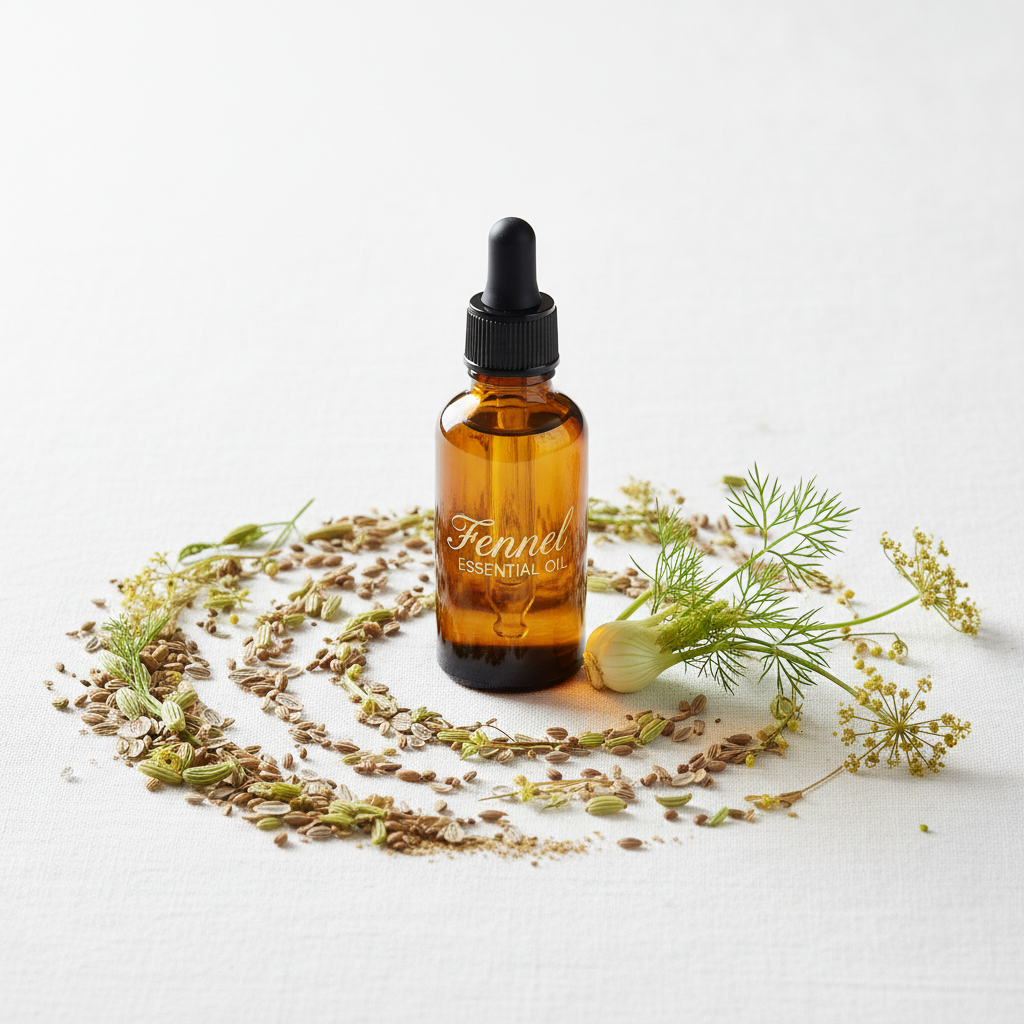
Fennel Essential Oil
Foeniculum vulgare
Fennel Essential Oil, derived from the seeds of the Foeniculum vulgare plant, is a highly aromatic oil known for its numerous health benefits and applications. This oil offers a sweet, anise-like aroma that is both uplifting and soothing, making it a popular choice in aromatherapy, culinary uses, and traditional medicine. ### Origin and Extraction Method Foeniculum vulgare, commonly known as fennel, is a flowering plant belonging to the carrot family, Apiaceae. It is native to the Mediterranean regions but has become widespread globally. Fennel essential oil is typically extracted through steam distillation of the seeds, a method that helps retain its potent aromatic and therapeutic properties. The steam distillation process ensures that the delicate components of the oil are preserved, resulting in a high-quality product noted for both its fragrance and health-enhancing attributes. ### Botanical Information Fennel is characterized by its feathery leaves, tall stature, and distinctive bulb, which is often used in cooking. The seeds—a small, oval-shaped brown seed—are particularly valued for their essential oil content. Rich in anethole, the primary compound in fennel essential oil, this oil exhibits properties similar to those of anise, making it a versatile ingredient in various applications. ### Therapeutic Properties and Benefits Fennel essential oil is heralded for its extensive therapeutic benefits. Some of the primary benefits include: 1. **Digestive Support**: Fennel oil is widely recognized for alleviating bloating, gas, and indigestion. Its carminative properties help ease digestive discomfort and promote overall gut health. 2. **Hormonal Balance**: Traditionally, fennel oil has been used to support women's health, particularly in regulating menstrual cycles and alleviating symptoms of hormonal imbalance. 3. **Respiratory Relief**: Its expectorant qualities make it beneficial for respiratory health, aiding in the relief of coughs and bronchitis. 4. **Mental Clarity**: Fennel essential oil may enhance cognitive function, helping improve focus and concentration during challenging tasks. 5. **Emotional Balance**: The uplifting scent is known to promote relaxation and reduce stress, making it a valuable oil for emotional well-being and mental clarity. 6. **Support Lactation**: Fennel oil has historically been recommended for nursing mothers to encourage milk production, further establishing its value in maternal health. ### Historical and Traditional Uses Fennel has a rich history of use dating back to ancient civilizations. In Ancient Rome, fennel was seen as a symbol of strength and was used to enhance endurance. Traditionally, it has been used in herbal medicine to treat a variety of ailments, from digestive issues to respiratory discomfort. Many cultures also incorporate fennel into their culinary practices, using it to enhance flavors in various dishes. ### Scientific Facts and Research Scientific studies are beginning to support the benefits of fennel essential oil. Research indicates that anethole, the major component, possesses anti-inflammatory and antimicrobial properties, which can contribute to its calming effects on the digestive system and respiratory tract. Future studies may continue to explore the extent of these health benefits and expand our understanding of fennel's potential in natural medicine. ### Aroma Profile and Characteristics Fennel essential oil exudes a warm, sweet, and slightly spicy aroma, reminiscent of licorice. Its unique scent profile makes it an excellent choice for use in diffusers, personal fragrances, and even culinary applications. When diffused, it can create an inviting and cheerful atmosphere in any space. ### Common Applications and Methods Fennel essential oil can be used in various ways: - **Aromatherapy**: Add a few drops to a diffuser for an uplifting environment. - **Topical Application**: Dilute with a carrier oil and apply to the abdomen for digestive discomfort. - **Culinary Uses**: Incorporate into recipes sparingly, either for flavor or medicinal benefits. - **Bath Salts**: Add to bath salts for a soothing and relaxing soak. ### Interesting Facts and Trivia - Fennel is often considered a symbol of strength and is linked to various ancient folklore around courage and resilience. - The oil is prized not just for its aroma but also for its role in traditional cooking and natural healing. - Fennel has been used in various herbal traditions, including Chinese medicine and Ayurveda, due to its versatile health benefits. In conclusion, fennel essential oil is not just an aromatic delight; it is a powerhouse of therapeutic benefits. Embracing fennel oil in your wellness routine can offer significant advantages, supporting both physical and emotional health. Whether you are looking to enhance your culinary creations or delve into the depths of aromatherapy, fennel essential oil can play a vital role in your journey.