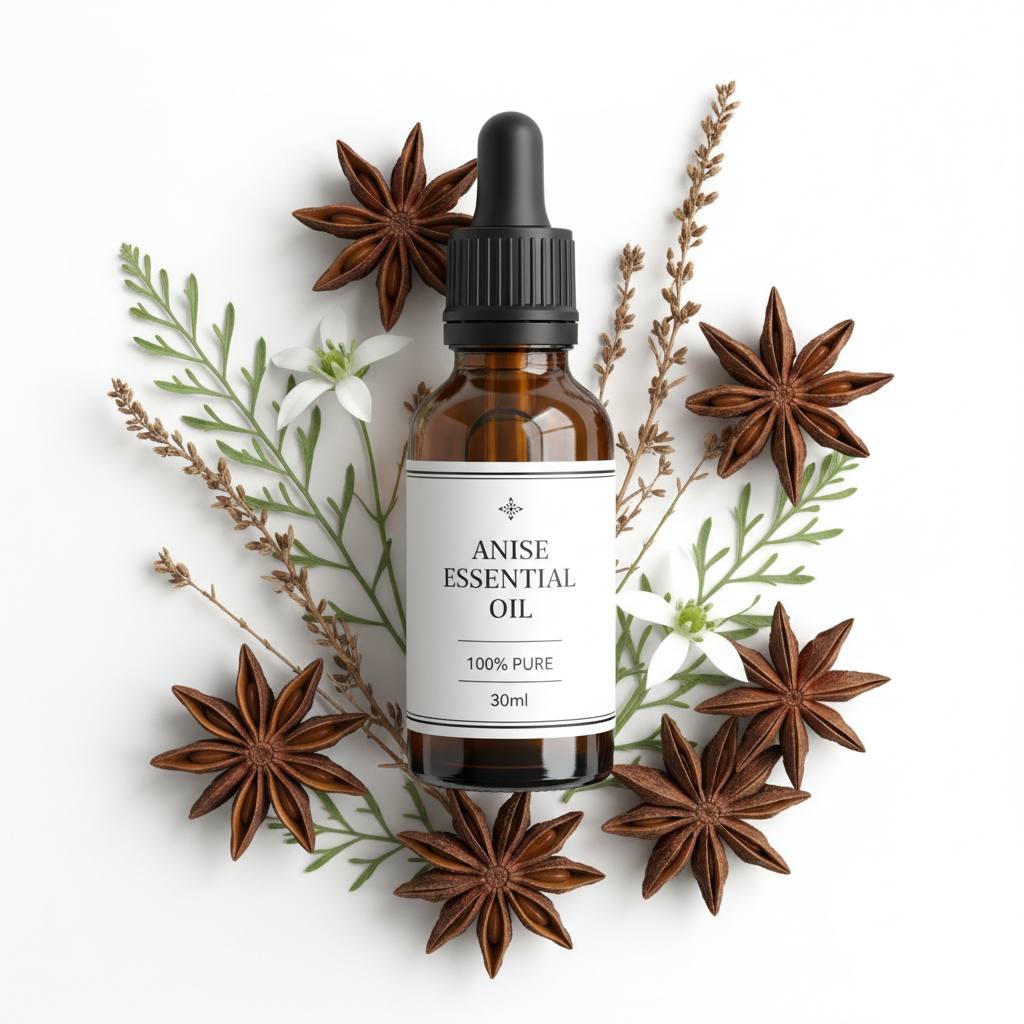
Anise Essential Oil
Pimpinella anisum
Plant Source
anise
Scent Family
Spicy
"Explore Anise Essential Oil, known for its digestive benefits, calming aroma, and historical significance. Learn how to use this essential oil effectively."
Anise Essential Oil is a captivating essential oil derived from the seeds of the Pimpinella anisum plant, which flourishes in the warm climates of the Mediterranean region. This remarkable oil is extracted through a meticulous process of steam distillation, capturing the essence of the seeds while preserving their potent properties.
Botanical Information
Pimpinella anisum, commonly known as anise, is a flowering plant in the Apiaceae family. It boasts delicate white flowers and feathery green leaves, resembling the popular dill herb. The seeds, which are small and brown, are the primary source of anise essential oil. Historically, anise seeds have been valued not only for their culinary uses but also for their medicinal properties.
Therapeutic Properties and Benefits
Anise essential oil is renowned for its therapeutic benefits, making it a favorite in aromatherapy and natural remedies. Here are some of its key benefits:
- Enhances Mood: The sweet and spicy aroma of anise can uplift spirits, combating feelings of sadness and promoting a sense of well-being.
- Calming Effects: Anise essential oil is known to reduce anxiety and stress levels, making it a useful addition to relaxation techniques and meditation practices.
- Mental Clarity: Due to its stimulating properties, this oil can enhance focus and concentration, making it particularly beneficial during study or work sessions.
- Sleep Support: Its mild sedative effects can help promote restful sleep and combat insomnia.
- Digestive Health: Anise essential oil is well-known for its ability to relieve digestive discomfort, such as bloating, gas, and indigestion.
- Respiratory Relief: It can aid in soothing coughs and easing bronchial congestion due to its expectorant properties.
- Anti-inflammatory Properties: Anise oil has anti-inflammatory effects that can help relieve minor aches and pains, contributing to overall comfort.
- Supports Circulation: Regular use may promote better blood circulation, beneficial for overall vitality.
- Menstrual Relief: It can help alleviate symptoms associated with menstrual discomfort, making it a natural remedy for women.
Historical and Traditional Uses
The use of anise can be traced back to ancient civilizations, where it was prized not only for its aromatic qualities but also for its medicinal applications. Ancient Egyptians incorporated anise into their embalming processes, while the Greeks used it as a remedy for digestive problems and to freshen breath. Over the centuries, anise has been a staple in traditional medicine across various cultures, being used to treat coughs, digestive issues, and even as a sleeping aid.
Scientific Facts and Research
Recent studies have highlighted the numerous health benefits associated with anise essential oil. Research indicates that it possesses antimicrobial properties, which may make it effective in fighting infections and enhancing immunity. Additionally, the oil shows potential in alleviating symptoms of conditions like arthritis due to its anti-inflammatory capabilities.
Aroma Profile and Characteristics
Anise essential oil features a warm, sweet, and distinctly licorice-like aroma. This unique scent profile makes it a popular choice in both therapeutic applications and as a fragrant ingredient in perfumes and soaps. The oil's aroma can create a calming atmosphere, making it ideal for relaxation and meditation spaces.
Common Applications
Anise essential oil can be used in various ways:
- Aromatherapy: Diffuse in essential oil diffusers or add a few drops to a bath for a soothing experience.
- Massage: Dilute with a carrier oil for a calming massage blend, ideal for relieving stress and tension.
- Inhalation: Inhale directly from the bottle or use in steam inhalation methods to promote respiratory health.
- Topical Use: When diluted properly, it can be applied to areas of discomfort for pain relief or digestive support.
Interesting Facts and Trivia
- Anise is often confused with star anise, but they are from different plant families. Star anise is derived from the fruit of Illicium verum.
- In culinary uses, anise seeds are often added to pastries and desserts for flavoring, especially in Mediterranean cuisines.
- Anise has been used in traditional remedies across the world, including in Ayurvedic practices where it is considered a digestive aid.
In summary, anise essential oil is not just a fragrant oil but a powerful ally in promoting health and well-being. Its versatility in applications, combined with its historical significance, makes it a must-have in any essential oil collection.
Ask AI About Anise Essential Oil
Get instant answers about this essential oil
Benefits & Uses
- Enhances Mood: The sweet aroma of anise can uplift spirits and combat feelings of sadness.
- Calming: Reduces anxiety and stress levels, promoting a sense of peace.
- Mental Clarity: Increases focus and concentration, making it valuable during study or work sessions.
- Sleep Support: Its sedative effects make it useful in promoting restful sleep.
- Coping with Change: Encourages adaptability and resilience during life transitions.
- Relieves Digestive Issues: Can ease discomfort related to indigestion and bloating.
- Alleviates Respiratory Congestion: Useful for soothing coughs and bronchitis.
- Anti-inflammatory: May reduce inflammation, contributing to relief from minor aches.
- Supports Circulation: May promote better blood circulation.
- Menstrual Relief: Can help alleviate symptoms of menstrual discomfort.
- Acne Treatment: May help reduce acne outbreaks due to its antimicrobial properties.
- Healing Scars: Can support skin healing due to its anti-inflammatory effects.
- Moisturizing: Can be added to creams for enhanced skin hydration.
- Massage Oil: Useful in blends designed for soothing muscle tension.
- Air Freshener: Effective for creating a pleasant scent in the home.
- Insect Repellent: Can deter pests when used in sprays or diffusers.
- Cleaning Products: Incorporates antiseptic properties in household cleaning.
- Deodorizer: Helps eliminate odors in spaces such as kitchens.
How to Use
Diffuser
For effective diffusion, use 3-5 drops for a small room, 5-8 drops for a medium room, and 8-12 drops for a large room. Diffuse for 30-60 minutes at a time, up to 2-3 times daily. Ideal times for use are during meal preparation, work sessions, or during meditation for enhanced focus.
Topical
For adults, a topical dilution of 2-3% is recommended (approximately 10-15 drops per 2 ounces of carrier oil). For children 2-12 years, dilute to 0.5-1% (2-3 drops per 2 ounces of carrier oil). The elderly should dilute to 1-2%. Common application areas include lower abdomen for digestive issues and temples for headaches. Massage gently into the skin for absorption.
Inhalation
For direct inhalation, place 1-2 drops on a tissue and breathe deeply, or use an inhaler. For steam inhalation, add 2-3 drops of anise oil to a bowl of hot water, lean over with a towel, and inhale the steam for 5-10 minutes.
Safety & Precautions
Before use, perform a patch test and avoid sun exposure after topical application due to possible photosensitivity. Use cautiously during pregnancy or breastfeeding, and consult with a healthcare provider if you are taking medication. Store in a cool, dark place, and be aware that anise oil may cause skin irritation in some individuals. Shelf life is typically 1-2 years.
Who should avoid:
- Pregnant women, especially in the first trimester.
- Individuals with hypersensitivity to anise.
- Those with hormonal disorders or estrogen-sensitive conditions.
Recommended Products

Understanding the aromatic layers of Anise Essential Oil
Top Notes
Heart Notes
Base Notes
Scent Evolution
Top Notes: First impression, evaporate quickly (15-30 min)
Heart Notes: Main character, last 2-4 hours
Base Notes: Lasting foundation, linger for hours
Complementary essential oils that pair beautifully with Anise Essential Oil
Agarwood Essential Oil
Aquilaria
✓enhanced aromatherapy benefits
Allspice Essential Oil
Pimenta dioica
✓enhanced aromatherapy benefits
Ammi Visnaga Essential Oil
Ammi visnaga
✓complementary therapeutic properties
Amyris Essential Oil
Amyris balsamifera
✓similar chemical compositions
Angelica Essential Oil
Angelica archangelica
✓balanced scent profile
Angelica Root Essential Oil
Angelica archangelica
✓balanced scent profile
Blending Tips
- • Start with 2-3 oils for simple blends
- • Use 3-5 drops total per 10ml carrier oil
- • Let blends sit for 24-48 hours to marry
- • Test on a small skin area first
Calculating for: Anise Essential Oil
Recommended: 2% | Max safe: 5%
29.57 ml
Your Recipe
0.59 ml
28.98 ml
💡 Dilution Tips
- • Always do a patch test before full application
- • Children and elderly need lower dilutions (1-2%)
- • Facial products should be gentle (0.5-1%)
- • 1 drop ≈ 0.05 ml (20 drops per ml)
- • Common carrier oils: fractionated coconut, jojoba, sweet almond
Related Recipes
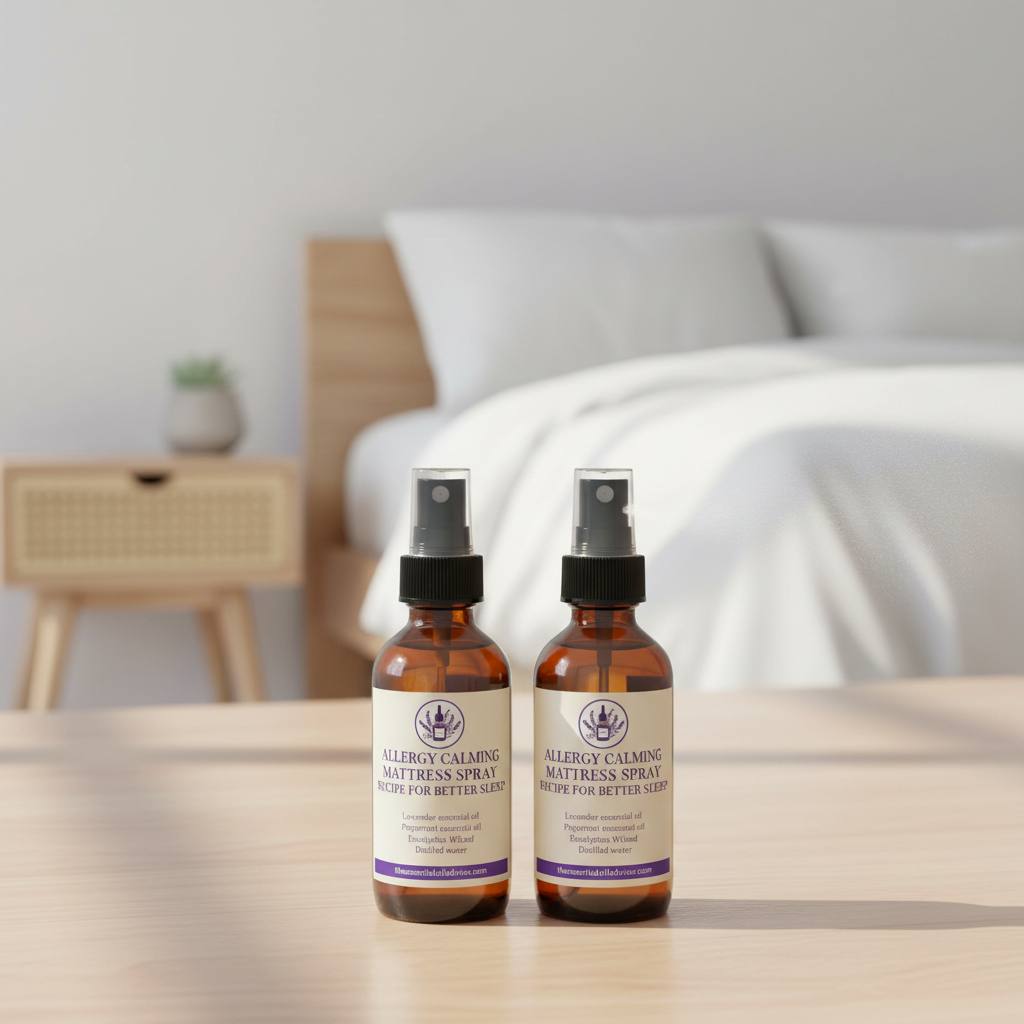
Allergy Calming Mattress Spray Recipe for Better Sleep
Discover the calming recipe for a mattress spray that relieves allergy symptoms and promotes a restful night's sleep in your home.

Calming Essential Oil Pillow Mist Recipe for Relaxation
Discover this easy recipe for a soothing pillow mist that features lavender and bergamot for ultimate relaxation and better sleep.

Calming Lavender Linen Spray Recipe
A gentle, relaxing linen and room spray that promotes restful sleep and calm using lavender, chamomile, and cedarwood essential oils.

DIY Acne Calming Gel Spot Treatment Recipe for Clear Skin
Explore our DIY acne calming gel spot treatment recipe to soothe inflammation and fight breakouts using natural ingredients for healthier skin.
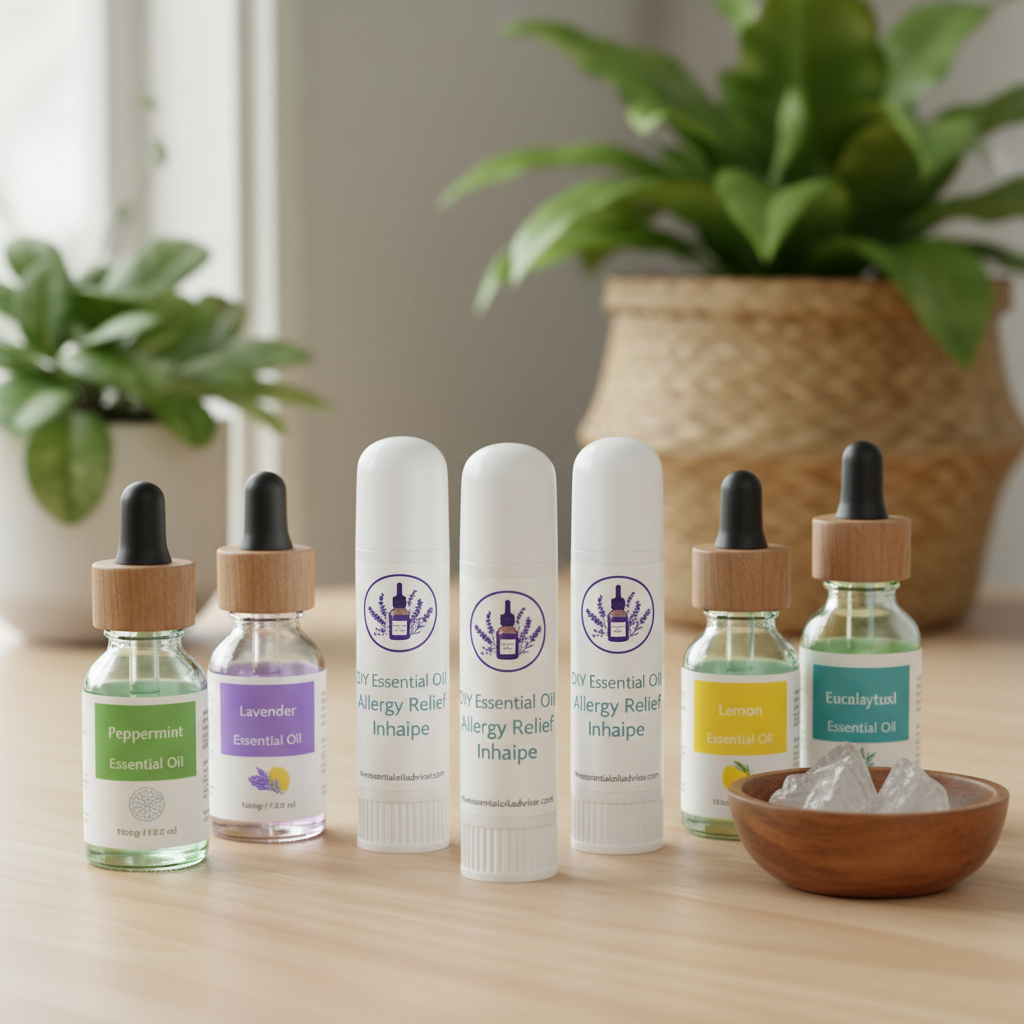
DIY Essential Oil Allergy Relief Inhaler Recipe
Discover this essential oil allergy relief recipe to make effective inhalers at home for natural symptom relief from allergies.

DIY Essential Oil Foaming Hand Soap Recipe
Craft your own moisturizing foaming hand soap using essential oils! This DIY recipe combines natural ingredients for clean, soft hands. Perfect for home use!
Related Oils
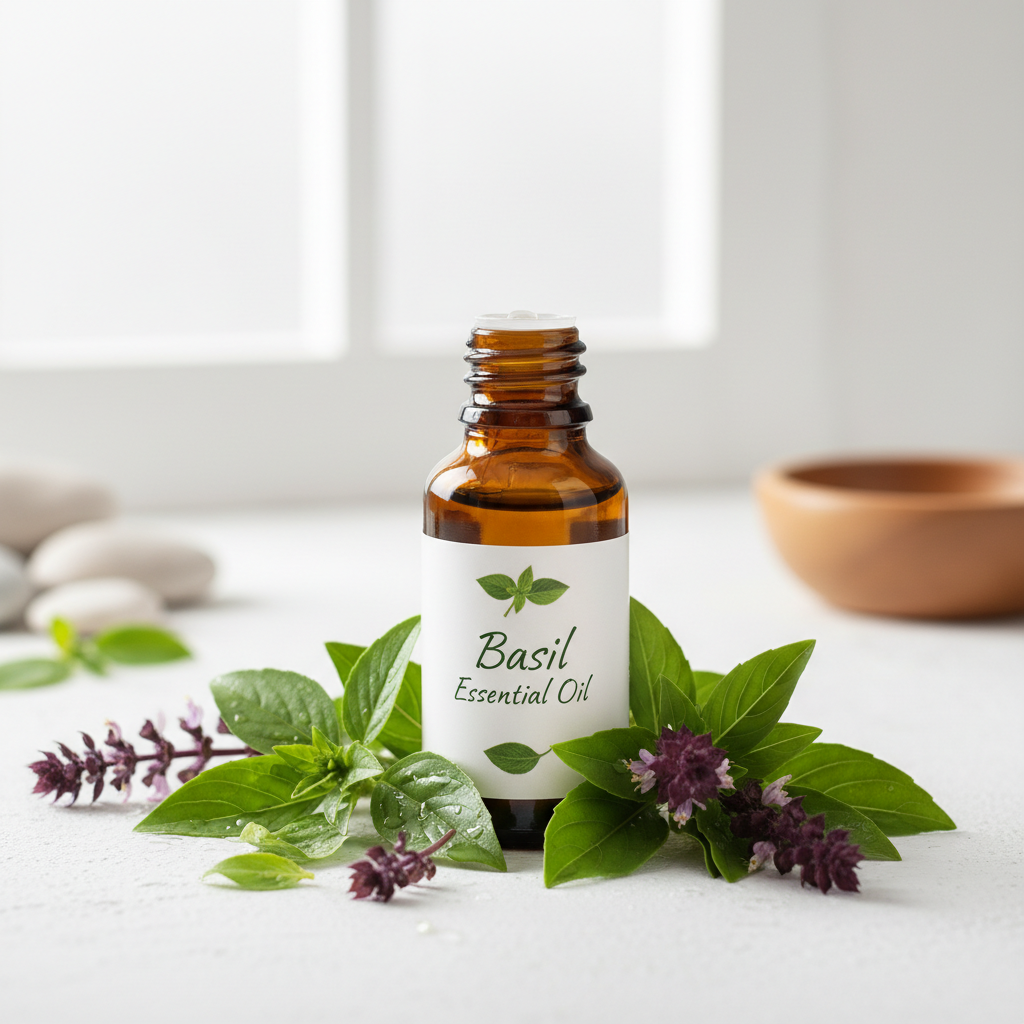
Basil Essential Oil
Ocimum basilicum
Basil essential oil, extracted from the leaves of the Ocimum basilicum plant, is a valuable oil with a rich history and a wide range of therapeutic properties. This aromatic oil has its roots in tropical regions of Asia and Africa, where it has been cultivated for thousands of years due to its culinary and medicinal uses. ### Origin and Extraction Method Basil essential oil is typically extracted through the steam distillation process. During this method, steam passes through the plant material, extracting the essential oil as it rises. The steam then condenses back into water, separating the oil from the hydrosol. This process preserves the delicate aroma and therapeutic properties of the oil. Traditionally, basil has been an important herb in various cultures, often associated with purity and protection. ### Botanical Information Ocimum basilicum is a member of the Lamiaceae (mint) family, characterized by its vibrant green leaves and small, white or purple flowers. There are various cultivars of basil, including sweet basil, Thai basil, and lemon basil, each with its unique aroma and taste. Each variety offers different profiles and benefits, making basil essential oil versatile and widely used. ### Therapeutic Properties and Benefits Basil essential oil is known for its numerous therapeutic properties, including: - **Mood Enhancement**: The invigorating aroma uplifts spirits and invigorates the mind, making it ideal for combating feelings of lethargy and promoting an overall sense of well-being. - **Stress Relief**: It assists in reducing stress levels, promoting relaxation, and alleviating tension. Users often find comfort in its calming abilities. - **Mental Clarity**: Known for enhancing focus and concentration, basil essential oil can be particularly beneficial during demanding mental tasks, helping to reduce distractions and foster clarity. - **Emotional Balance**: This oil can help stabilize emotions and alleviate mood swings, making it valuable for those dealing with emotional fluctuations. - **Muscle Relaxant**: Basil essential oil can soothe muscle tension and discomfort, making it a popular choice for massage therapists and aromatherapy practitioners. - **Respiratory Support**: It aids in clearing airways, making breathing easier, and is often used in diffusers during cold seasons to maintain respiratory wellness. - **Immune Booster**: Regular use of basil essential oil is believed to enhance overall immune function, keeping the body resilient against common ailments. - **Skin Soother**: Basil's properties may help alleviate minor skin irritations and promote a smooth complexion, making it a sought-after ingredient in skincare products. ### Historical and Traditional Uses Throughout history, basil has held a significant place not only in culinary practices but also in traditional medicine. Ancient Greeks and Egyptians revered basil, associating it with love and fertility. In Ayurvedic medicine, it is considered an adaptogen, helping the body manage stress and balance bodily functions. These historical applications demonstrate basil's longstanding importance across cultures. ### Scientific Facts and Research Recent studies have highlighted the antimicrobial, antifungal, and antioxidant properties of basil essential oil. Research suggests that it may help combat various pathogens, making it a valuable ally in natural health. Furthermore, its compounds, such as linalool and eugenol, have been studied for their health benefits, including anti-inflammatory effects and potential use in respiratory therapies. ### Aroma Profile and Characteristics The aroma of basil essential oil is fresh, sweet, and slightly spicy, reminiscent of warm summer breezes. Its distinct scent can energize a space and is often used in aromatherapy to promote positivity and mental clarity. ### Common Applications and Methods Basil essential oil can be used in various ways, such as: - **Diffusing**: Add a few drops to your diffuser to invigorate your home with its uplifting scent. - **Topical Application**: Dilute with a carrier oil for massage to soothe muscles or apply to the skin for minor irritations. - **Cooking**: Use sparingly in culinary dishes to enhance flavor while also benefiting from its therapeutic properties. - **Baths**: Add to bathwater for a relaxing, aromatic experience. ### Interesting Facts and Trivia - The name "basil" comes from the Greek word "basilikon," meaning "kingly," underscoring its esteemed position in ancient herbology. - Basil is considered a sacred herb in many cultures, often used in religious ceremonies and rituals. In summary, basil essential oil is a multifunctional oil with a diverse array of benefits. Its historical significance, therapeutic properties, and rich aroma make it a staple in homes and wellness practices around the world.
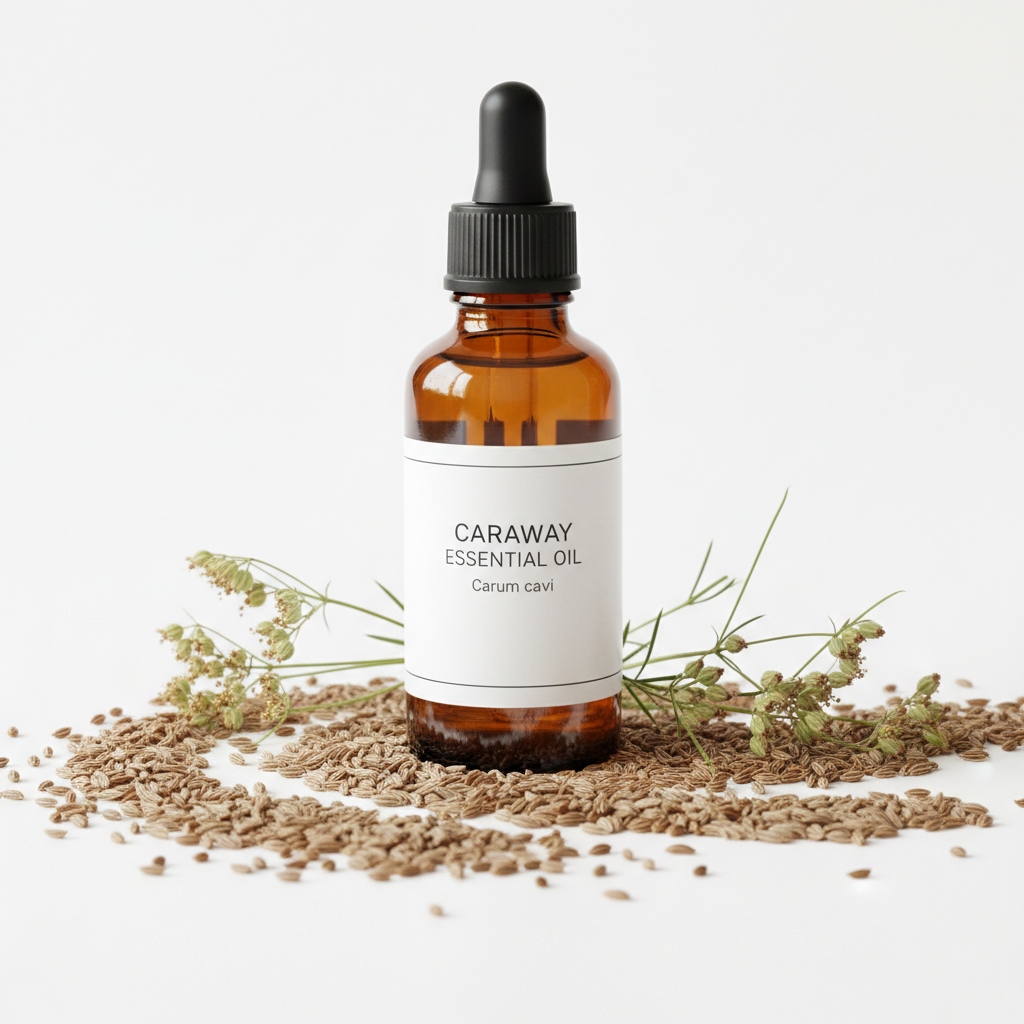
Caraway Essential Oil
Carum carvi
Caraway essential oil, derived from the seeds of the Carum carvi plant, has a rich history of use in culinary and medicinal applications. This aromatic oil is obtained through a steam distillation process, which efficiently extracts the oil’s natural compounds while preserving its unique spicy and woody aroma. In culinary traditions, caraway seeds are often used to flavor breads, meats, and stews, making it a staple spice in many kitchens. ## Origin and Extraction Method The caraway plant is native to Europe and Western Asia, having been cultivated since ancient times. The steam distillation method involves using steam to extract essential oils from plant materials. The steam vaporizes the volatile compounds in the seeds, which then cool and condense back into liquid form, allowing for the collection of the pure essential oil. This method not only ensures the purity of the oil but also retains the essential characteristics that have been celebrated for centuries. ## Botanical Information Carum carvi is a biennial or perennial herb that can grow up to 60 centimeters in height. Its foliage is feathery and its flowers are small and white, forming in an umbrella-shaped structure called an umbel. The seeds, which are harvested for essential oil production, have a distinct flavor and are often mistaken for cumin seeds. ## Therapeutic Properties and Benefits Caraway essential oil boasts a variety of therapeutic benefits, making it a valuable addition to any natural health toolkit. Here are some notable properties: - **Mood Enhancer**: Known for uplifting the mood, caraway essential oil can create a positive atmosphere, promoting a sense of well-being. - **Mental Clarity**: This oil may enhance focus and concentration, making it beneficial during study sessions or work-related tasks, helping to boost productivity. - **Stress Relief**: With its calming properties, caraway oil can soothe anxiety symptoms and help create a tranquil environment for relaxation. - **Emotional Balance**: It is believed to support emotional stability during stressful life events, contributing to a sense of calmness and clarity. - **Digestive Comfort**: Caraway oil is traditionally used in aromatherapy and topical applications to alleviate digestive discomfort, particularly when massaged into the abdominal area. - **Respiratory Support**: The oil may assist in clear breathing, especially during colds and allergies, providing relief from congestion. - **Menstrual Relief**: It is often used to help ease menstrual discomfort, making it a natural choice for women's health. - **Skin Health**: Owing to its antimicrobial properties, caraway essential oil can be applied to minor skin irritations for soothing relief. ## Historical and Traditional Uses Historically, caraway has been used for its medicinal properties in various cultures. Ancient Egyptians valued caraway seeds for both culinary uses and their supposed powers to ward off evil spirits. In medieval Europe, the seeds were commonly included in love potions and remedies to promote fertility. Traditional herbalists have recommended caraway for digestive ailments, and its use in folk medicine continues today. ## Aroma Profile and Characteristics Caraway essential oil has a warm, spicy, and slightly sweet aroma with hints of earthiness. This unique scent profile makes it an excellent choice for use in aromatherapy, diffusers, or as a component in natural perfumes. Its characteristic scent stimulates the senses, making it a popular addition to personal care products. ## Common Applications and Methods Caraway essential oil can be used in various ways: - **Diffusion**: Use a few drops in a diffuser to enjoy its uplifting aroma. - **Topical Application**: Dilute with a carrier oil and apply to the abdomen for digestive support or to pulse points for emotional balance. - **Massage Oil**: Incorporate caraway oil into a massage blend to promote relaxation and relieve tension. ## Interesting Facts and Trivia - Caraway seeds have been found in the tombs of ancient Egyptian pharaohs, indicating their historical significance. - Some studies suggest that caraway oil has antifungal activity, adding to its array of therapeutic properties. By harnessing the benefits of caraway essential oil, individuals can incorporate its rich history and healing properties into their daily wellness routine, making it an essential addition to their collection of natural remedies.
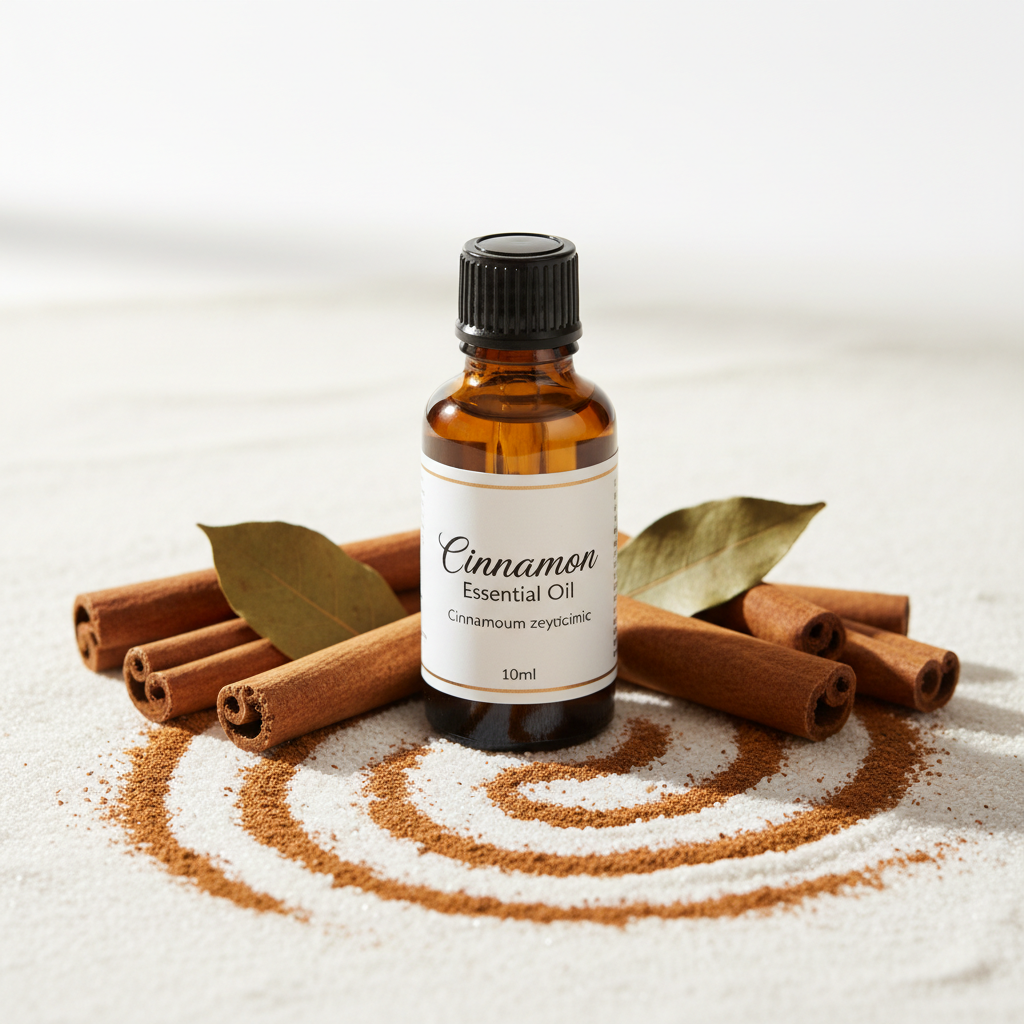
Cinnamon Essential Oil
Cinnamomum zeylanicum
Cinnamon essential oil is a captivating and versatile oil derived from the bark of the Cinnamomum zeylanicum tree, also known as Ceylon cinnamon. This oil has been treasured for centuries not only for its invigorating warm and spicy aroma but also for its comprehensive therapeutic properties. ### Origin and Extraction Method Cinnamon essential oil originates from the Cinnamomum zeylanicum, a tree native to Sri Lanka and a few other regions in Southeast Asia. The essential oil is extracted through the steam distillation of the tree's bark, a process that preserves its natural aroma and therapeutic properties. The extraction process is crucial, as it must be done carefully to maintain the integrity of the oil and maximize its health benefits. The resulting oil is rich in compounds like cinnamaldehyde, eugenol, and linalool, which contribute to its unique smell and health benefits. ### Botanical Information The botanical family of cinnamon is Lauraceae. Cinnamomum zeylanicum grows up to 10 meters tall and has thick, ovate leaves and small, yellow flowers. The bark has a fragrant aroma and is typically harvested when the tree is about two years old. The thin, curled pieces of bark used for extraction are a staple in both culinary and medicinal applications, revered for their contribution to flavor and health. ### Therapeutic Properties and Benefits Cinnamon essential oil is known for its extraordinary therapeutic properties. It possesses strong **antimicrobial** and **anti-inflammatory** effects, making it an excellent choice for various health applications: - **Enhances Mood:** The warm scent of cinnamon lifts spirits and creates a relaxing environment, making it a popular choice in aromatherapy. - **Reduces Stress:** Its comforting aroma can alleviate feelings of anxiety and stress, paving the way for relaxation. - **Cognitive Clarity:** Cinnamon oil stimulates mental clarity and focus. It is often used in workspaces or study environments to enhance concentration and productivity. - **Supports Respiratory Health:** Its expectorant properties help relieve coughs and clear airways, making it beneficial during cold seasons. - **Encourages Healthy Circulation:** Regular use can promote better blood flow and warmth throughout the body. - **Menstrual Comfort:** Traditionally, it has been used to alleviate menstrual cramps and discomfort, adding to its reputation as a supportive oil during that time. - **Immune System Support:** Cinnamon oil is known to boost the immune system, helping the body fend off infections more effectively. ### Historical and Traditional Uses Cinnamon has a rich history, dating back to ancient Egyptian times, where it was used in embalming and as a spice. In Traditional Chinese Medicine and Ayurvedic practices, cinnamon has been utilized for thousands of years, valued for its warming properties and ability to stimulate circulation. Its significance in various cultures symbolizes prosperity, warmth, and friendship. ### Scientific Facts and Research Research indicates that the active compounds in cinnamon essential oil possess potential antioxidant and antimicrobial effects. A study published in the *Journal of Medicinal Plants Research* found cinnamon oil effective against various pathogens, indicating its usefulness in natural remedies. Other studies highlight its effectiveness in treating respiratory issues and enhancing metabolic health. ### Aroma Profile and Characteristics Cinnamon essential oil has a rich, warm, and spicy aroma, reminiscent of fresh cinnamon bark. Its intense scent is immediately recognizable and invokes feelings of warmth and comfort, making it a beloved choice for holiday blends and seasonal products. ### Common Applications and Methods Cinnamon essential oil can be used in several ways: - **Aromatherapy:** Diffusing cinnamon oil is a favorite method for creating a warm and inviting atmosphere. - **Massage:** When diluted with a carrier oil, it can be used in massage to relieve sore muscles and create a sense of warmth. - **Household Products:** Adding cinnamon oil to homemade cleaning solutions can provide antimicrobial properties and a pleasant scent. - **Culinary Uses:** In small amounts, it can enhance the flavor of various dishes, from baked goods to savory meals. ### Interesting Facts and Trivia - Cinnamon is commonly referred to as the "spice of life" due to its extensive uses. - The ancient Romans considered cinnamon to be a gift fit for emperors. - The use of cinnamon oil in incense is believed to promote a sense of purity and spiritual wellness. In conclusion, cinnamon essential oil is not just a delightful fragrance; it is a powerhouse of therapeutic benefits, rich historical significance, and diverse applications. Whether used for its aroma, health benefits, or culinary enhancements, this oil stands out as an essential addition to any wellness or aromatherapy toolkit.