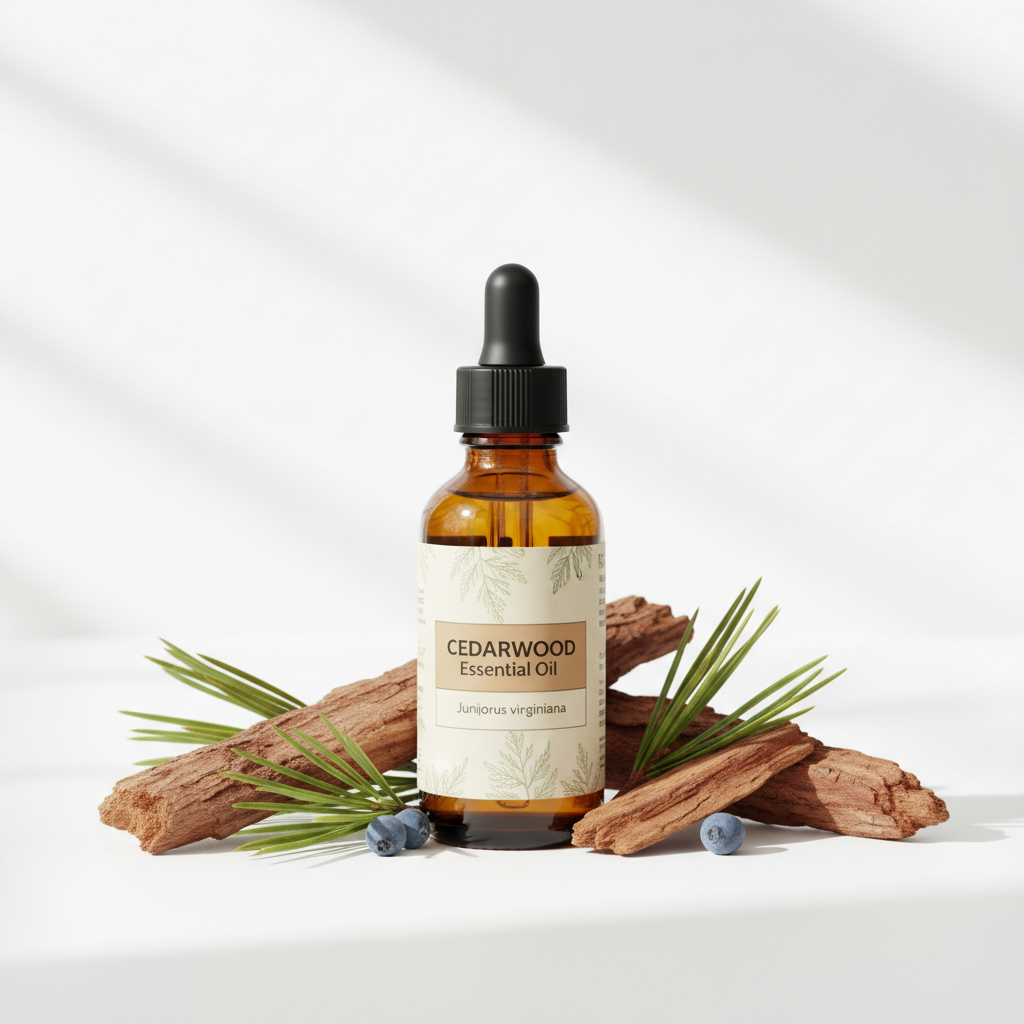
Cedarwood Essential Oil
Juniperus virginiana
Plant Source
Wood
Scent Family
Woody
"Explore Cedarwood essential oil's benefits, origins, extraction methods, and unique aroma. Discover its therapeutic uses for relaxation, focus, and skincare."
Cedarwood essential oil, derived from the wood of the Juniperus virginiana tree, is a revered fragrance with deep historical roots and a multitude of therapeutic benefits. Known for its warm, woody aroma, this essential oil has been used for centuries across various cultures, valued for its grounding and calming properties. In this comprehensive guide, we will explore the origins, benefits, scientific facts, and uses of Cedarwood essential oil.
Origin and Extraction Method
Cedarwood essential oil is extracted through steam distillation, a method that preserves the delicate compounds and aroma of the cedar tree. The Juniperus virginiana, commonly known as Eastern Red Cedar, is native to North America, and its wood has been used historically by Native American tribes for various purposes, including ceremonial practices and medicinal applications. The steam distillation process not only captures the scent but also concentrates its therapeutic properties, making it a valuable addition to aromatherapy and natural health.
Botanical Information
Cedarwood trees can grow to be quite large, reaching heights of up to 50 feet. They are evergreen conifers, with needle-like leaves and distinctive bark. The essential oil extracted from the wood contains a rich blend of compounds, including cedrol and thujopsene, contributing to its unique fragrance and properties.
Therapeutic Properties and Benefits
Cedarwood essential oil is renowned for its numerous therapeutic benefits:
- Calming Effects: The warm scent of Cedarwood is effective in promoting relaxation and reducing stress. It is often used in meditation practices to create a serene environment.
- Emotional Clarity: By enhancing emotional grounding, this oil helps users navigate transitions in life, alleviating feelings of loneliness and promoting a sense of safety.
- Focus and Concentration: Its aroma is believed to boost mental clarity and focus, making it beneficial in creative and intellectual pursuits.
- Skin Health: When diluted with a carrier oil, Cedarwood can alleviate skin irritations, support clearer skin, and help maintain a healthy scalp and hair ecosystem.
- Muscle Relaxation: Used in massage therapy, Cedarwood essential oil may help reduce muscle stiffness and soreness.
- Support for Circulation: Some studies suggest that Cedarwood oil can enhance healthy circulation, contributing to overall cardiovascular health.
- Headache Relief: Its relaxing properties can also assist in alleviating tension headaches by promoting overall relaxation.
Historical and Traditional Uses
Historically, Cedarwood has been employed in many cultures for both practical and spiritual purposes. Ancient Egyptians used it in their embalming processes, while Indian Ayurvedic traditions recognize Cedarwood for its balancing and calming effects on the mind and body. In North America, Indigenous peoples utilized Cedarwood in ceremonies and as a natural remedy for various ailments, highlighting its importance in cultural practices.
Scientific Facts and Research
Recent research has begun to explore the potential health benefits of Cedarwood essential oil more extensively. Studies have indicated that compounds in Cedarwood can have anti-inflammatory and antimicrobial properties, supporting its use in skincare and overall wellness. Additionally, the calming effects of Cedarwood have garnered interest in the fields of psychology and holistic health, prompting further investigation into its efficacy for stress management and emotional well-being.
Aroma Profile and Characteristics
Cedarwood essential oil offers a rich, woody aroma that evokes feelings of nature and tranquility. The scent is grounding, providing a sense of comfort and stability, making it a popular choice for those looking to create a peaceful sanctuary in their home or workspace. Its fragrance blends well with other essential oils such as lavender, bergamot, and eucalyptus, enhancing its calming effects and creating harmonious blends.
Common Applications and Methods
Cedarwood essential oil can be used in various ways:
- Diffusion: Add a few drops of Cedarwood oil to a diffuser to create an uplifting and calming atmosphere.
- Topical Applications: Dilute with a carrier oil for massage or skincare treatments, targeting areas of discomfort or irritation.
- Hair Care: Incorporate a few drops into your shampoo or conditioner to promote a healthy scalp and strong hair.
- Candle and Soap Making: Its delightful aroma makes it ideal for natural candles and soaps, adding a luxurious touch to homemade products.
Interesting Facts and Trivia
- Cedarwood has been considered sacred in many cultures, often associated with purification and protection.
- The wood of the Cedar tree is naturally resistant to decay, which is why it has been used for centuries in construction and carvings.
- In addition to its aromatic qualities, Cedarwood essential oil is also valued in the fragrance industry, used in perfumes and scented products for its warm, enticing notes.
In conclusion, Cedarwood essential oil is not only a fragrant addition to any essential oil collection but also a powerhouse of therapeutic benefits, deeply rooted in history and tradition. Whether used for emotional support, skincare, or simply to enhance your home atmosphere, Cedarwood offers a myriad of applications that can enrich your well-being.
Ask AI About Cedarwood Essential Oil
Get instant answers about this essential oil
Benefits & Uses
- Promotes feelings of safety and security, often used in meditation practices.
- Enhances mood by helping to reduce stress and fight fatigue.
- Supports emotional clarity and grounding, making it beneficial during times of transition.
- Helps alleviate feelings of loneliness through its comforting aroma.
- Encourages mental focus and clarity, beneficial for creative endeavors.
- Can alleviate skin irritations when diluted, promoting clearer skin.
- Supports healthy circulation, potentially benefiting overall cardiovascular health.
- Helps reduce tension headaches by promoting relaxation.
- Used in massage for its soothing properties, it may reduce muscle stiffness.
- Can assist in maintaining a healthy scalp and hair ecosystem.
- Used in formulations to soothe dry, flaky skin, promoting hydration.
- Can help alleviate dandruff when added to hair care products.
- Promotes skin healing and may minimize the appearance of scars.
- Acts as a natural astringent, tightening pores and improving skin texture.
- Acts as a natural insect repellent when diffused in living spaces.
- Can help freshen up carpets or upholstery by adding a few drops to cleaning solutions.
- Used in homemade cleaners for its antimicrobial properties.
- Acts as a natural wood preservative, protecting furniture and surfaces when diluted and applied.
How to Use
Diffuser
For diffusion, use 3-5 drops for small rooms, 5-8 for medium rooms (up to 300 sq ft), or 8-12 for larger spaces. Diffuse for 30-60 minutes, 2-3 times daily, preferably in the evening to promote relaxation.
Topical
When applying topically, use a dilution of 2-3% for adults, and 0.5-1% for children. Use carrier oils like jojoba or sweet almond. Apply to pulse points or desired areas using slow, circular massage techniques. Allow 20-30 minutes for absorption.
Inhalation
For direct inhalation, place 1-2 drops on a tissue or inhale directly from the bottle. For steam inhalation, add 2-3 drops to a bowl of hot water, covering your head with a towel for 5-10 minutes to inhale the steam. Personal inhalers can be filled with Cedarwood for on-the-go use.
Safety & Precautions
Always perform a patch test prior to topical use. Cedarwood essential oil may cause photosensitivity; avoid sun exposure for 12 hours post-application. Consult a healthcare provider if pregnant, nursing, or on medication. Store in a cool, dark place, and ensure proper sealing to maintain shelf life of approximately 2-3 years.
Who should avoid:
- Pregnant women within the first trimester.
- Individuals with sensitive skin or dermal allergies.
- People taking anticoagulant or blood thinners.
- Those with liver disorders or severe kidney issues.
- Children under the age of 2.
Recommended Products

Understanding the aromatic layers of Cedarwood Essential Oil
Top Notes
Heart Notes
Base Notes
Scent Evolution
Top Notes: First impression, evaporate quickly (15-30 min)
Heart Notes: Main character, last 2-4 hours
Base Notes: Lasting foundation, linger for hours
Complementary essential oils that pair beautifully with Cedarwood Essential Oil
Agarwood Essential Oil
Aquilaria
✓enhanced aromatherapy benefits
Ajowan Seed Essential Oil
Trachyspermum ammi
✓enhanced aromatherapy benefits
Allspice Essential Oil
Pimenta dioica
✓enhanced aromatherapy benefits
Ammi Visnaga Essential Oil
Ammi visnaga
✓traditional pairing in aromatherapy
Amyris Essential Oil
Amyris balsamifera
✓traditional pairing in aromatherapy
Angelica Essential Oil
Angelica archangelica
✓balanced scent profile
Blending Tips
- • Start with 2-3 oils for simple blends
- • Use 3-5 drops total per 10ml carrier oil
- • Let blends sit for 24-48 hours to marry
- • Test on a small skin area first
Calculating for: Cedarwood Essential Oil
Recommended: 2% | Max safe: 5%
29.57 ml
Your Recipe
0.59 ml
28.98 ml
💡 Dilution Tips
- • Always do a patch test before full application
- • Children and elderly need lower dilutions (1-2%)
- • Facial products should be gentle (0.5-1%)
- • 1 drop ≈ 0.05 ml (20 drops per ml)
- • Common carrier oils: fractionated coconut, jojoba, sweet almond
Recipes Using Cedarwood Essential Oil
Related Recipes
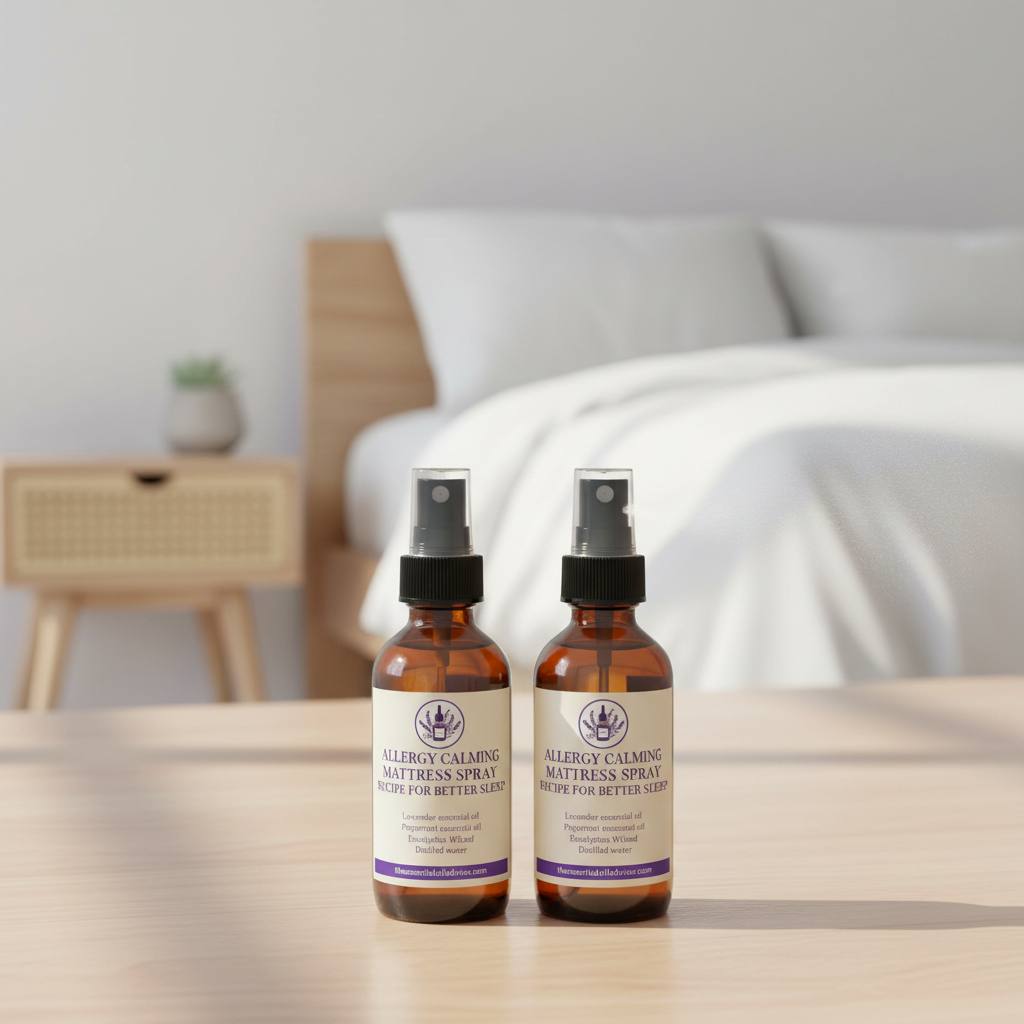
Allergy Calming Mattress Spray Recipe for Better Sleep
Discover the calming recipe for a mattress spray that relieves allergy symptoms and promotes a restful night's sleep in your home.

Calming Essential Oil Pillow Mist Recipe for Relaxation
Discover this easy recipe for a soothing pillow mist that features lavender and bergamot for ultimate relaxation and better sleep.

Calming Lavender Linen Spray Recipe
A gentle, relaxing linen and room spray that promotes restful sleep and calm using lavender, chamomile, and cedarwood essential oils.

DIY Acne Calming Gel Spot Treatment Recipe for Clear Skin
Explore our DIY acne calming gel spot treatment recipe to soothe inflammation and fight breakouts using natural ingredients for healthier skin.

DIY Essential Oil Foaming Hand Soap Recipe
Craft your own moisturizing foaming hand soap using essential oils! This DIY recipe combines natural ingredients for clean, soft hands. Perfect for home use!

DIY Essential Oil Inhaler Recipe for Focus
Boost your mental clarity and energy with this DIY essential oil inhaler recipe! Learn how to craft your invigorating inhalers at home easily.