Deep Sleep Inhaler Recipe for Restful Sleep and Relaxation
Discover our easy-to-follow Deep Sleep Inhaler recipe designed to promote relaxation and a restful night's sleep. Perfect for calming your mind and body!
Benefits & What to Expect
Unlock the secret to a peaceful night's sleep with our DIY Deep Sleep Inhaler Recipe! This inhaler blend combines the calming properties of essential oils carefully selected to help you unwind and prepare for a restful slumber. Let's delve into the ingredients that make this inhaler a must-have for your nighttime routine.
Ingredients for the Deep Sleep Inhaler
-
Lavender Essential Oil (49 drops)
Lavender essential oil is renowned for its soothing aroma that promotes tranquility and relaxation. The gentle floral scent has been used for centuries to ease stress and calm the mind. In this inhaler, lavender oil acts as a primary ingredient to help create a serene atmosphere conducive to bedtime. Its presence encourages a natural transition from the hustle and bustle of day to a peaceful night, making it easier to drift off to sleep. -
Roman Chamomile Essential Oil (32 drops)
Roman chamomile essential oil offers a delightful, sweet, apple-like aroma, famous for its relaxing qualities. It is often favored for its ability to ease tension and promote a sense of well-being. In this sleep inhaler, it complements the lavender, enhancing its calming effects and helping to diminish anxiety that might keep you awake at night. Its soothing properties collectively contribute to preparing a serene mind for restful sleep. -
Cedarwood Essential Oil (24 drops)
Cedarwood essential oil has a warm, woodsy scent that is both grounding and stabilizing. It's known for creating a comforting environment that soothes restlessness and encourages inner peace. In this blend, cedarwood oil synergizes with lavender and chamomile to help silence the chaos of the day, preparing both your mind and body for sleep. -
Menthol Crystals (0.08 oz, optional)
Adding menthol crystals can enhance the inhalation experience, providing a refreshing and invigorating note to the blend. While optional, menthol can clear the airways and offer a slight cooling effect, facilitating deeper breathing and relaxation upon inhalation. Even a pinch can amplify the soothing effects of the essential oils, making it a commendable addition indeed. -
Inhaler Tubes and Wicks Kit (10 pcs)
The inhaler tubes are designed for convenience and portability, enabling you to take your Deep Sleep Inhaler wherever life may lead. These tubes come complete with wicks that absorb the essential oil blend, allowing you to inhale the calming scents easily. Keeping the inhaler on hand can provide immediate relief during times of stress or anxiety, no matter where you are.
Instructions to Create Your Deep Sleep Inhaler
This DIY Deep Sleep Inhaler is beginner-friendly and can be prepared in about 20 minutes. Follow these easy steps and enjoy a great night's sleep with your custom inhaler.
-
Prepare Your Workspace:
Clear a clean, flat surface in your kitchen or workspace. Gather all ingredients and equipment needed for your Deep Sleep Inhaler. -
Create the Blend:
Put on your gloves to protect your hands. In a small mixing bowl, measure out 49 drops of Lavender Essential Oil and add it to the bowl. Next, add 32 drops of Roman Chamomile Essential Oil followed by 24 drops of Cedarwood Essential Oil. If desired, include a pinch of menthol crystals (0.08 oz) into the oil mixture and stir gently until dissolved. -
Assemble the Inhalers:
Open your inhaler tubes. These usually feature a bottom cap, wick, and cover. Using the small funnel, carefully pour the essential oil blend into each inhaler tube, ensuring not to overfill. Place a wick inside each tube to absorb the oils, allowing it to soak for a minute before securely closing each inhaler with its cap. -
Label Your Inhalers:
For convenience, label each inhaler with the name 'Deep Sleep Inhaler' and the creation date using small stickers or masking tape. -
Store Properly:
Keep your inhalers in a cool, dark place to maintain the potency of the oils. Take care to avoid getting essential oils into your eyes or ingesting them. Store the inhalers out of reach of children and pets.
Final Note
This Deep Sleep Inhaler recipe not only aids individuals battling sleep disturbances but also serves those simply seeking tranquility before bedtime. Incorporating this inhaler into your nighttime routine offers a holistic approach to relaxation and restful sleep. Engage your senses with this floral blend and transform your nightly rituals into calming experiences that leave you refreshed and ready for the day ahead. With the soothing combination of essential oils, you can now enjoy a peaceful slumber every night, knowing that your Deep Sleep Inhaler will always be there to guide you into sweet dreams!
How to Use
Avoid getting essential oils into your eyes or ingesting them. Keep the inhalers out of reach of children and pets.
Original Recipe (below is the converted recipe into different container sizes)
- 2.5 mlLavender Essential Oil
- 1.5 mlRoman Chamomile Essential Oil
- 1.25 mlCedarwood Essential Oil
- 10 pcsInhaler Tubes and Wicks Kit
- 0.08 ozMenthol Crystals
Equipment
Instructions
- 1
Prepare Your Workspace: Clear a clean, flat surface in your kitchen or work area. Gather all your ingredients and equipment.
- 2
Create the Blend: Put on your gloves to protect your hands.
- 3
Measure out the Lavender Essential Oil using the measuring spoon (see the ingredients list for the exact amount) and add it to a small mixing bowl.
- 4
Add the Roman Chamomile Essential Oil (see the ingredients list for the exact amount) to the bowl.
- 5
Add the Cedarwood Essential Oil (see the ingredients list for the exact amount) to the bowl.
- 6
If you want a stronger inhalation experience, add a pinch of menthol crystals into the oil mixture and stir gently with a mixing stick or spoon until dissolved.
- 7
Assemble the Inhalers: Open your inhaler tubes. They usually come with a bottom cap, wick, and cover.
- 8
Using the small funnel, carefully pour the essential oil blend into each inhaler tube, making sure not to overfill.
- 9
Place a wick inside each tube to absorb the oils. Let it soak for a minute.
- 10
Once soaked, securely close each inhaler with its cap.
- 11
Label Your Inhalers: For convenience, label each inhaler with the name 'Deep Sleep Inhaler' and the date of creation using a small sticker or masking tape.
- 12
Store Properly: Keep your inhalers in a cool, dark place to preserve the potency of the oils.
Scaled Ingredients
2 oz to 8 oz
| Ingredient | 2 oz | 4 oz | 8 oz |
|---|---|---|---|
| Lavender Essential Oil | 19 ml | 38 ml | 76 ml |
| Roman Chamomile Essential Oil | 12.5 ml | 24.75 ml | 49.75 ml |
| Cedarwood Essential Oil | 9.25 ml | 18.75 ml | 37.25 ml |
| Inhaler Tubes and Wicks Kit | 78 pcs | 155 pcs | 311 pcs |
| Menthol Crystals | 0.5 oz | 1.25 oz | 2.5 oz |
16 oz to 128 oz
| Ingredient | 16 oz | 32 oz | 64 oz | 128 oz |
|---|---|---|---|---|
| Lavender Essential Oil | 152.25 ml | 304.5 ml | 609 ml | 1217.75 ml |
| Roman Chamomile Essential Oil | 99.5 ml | 198.75 ml | 397.75 ml | 795.25 ml |
| Cedarwood Essential Oil | 74.5 ml | 149 ml | 298.25 ml | 596.5 ml |
| Inhaler Tubes and Wicks Kit | 621 pcs | 1243 pcs | 2485 pcs | 4970 pcs |
| Menthol Crystals | 5 oz | 10 oz | 20 oz | 39.75 oz |
Looking for something else?
Essential Oils Used
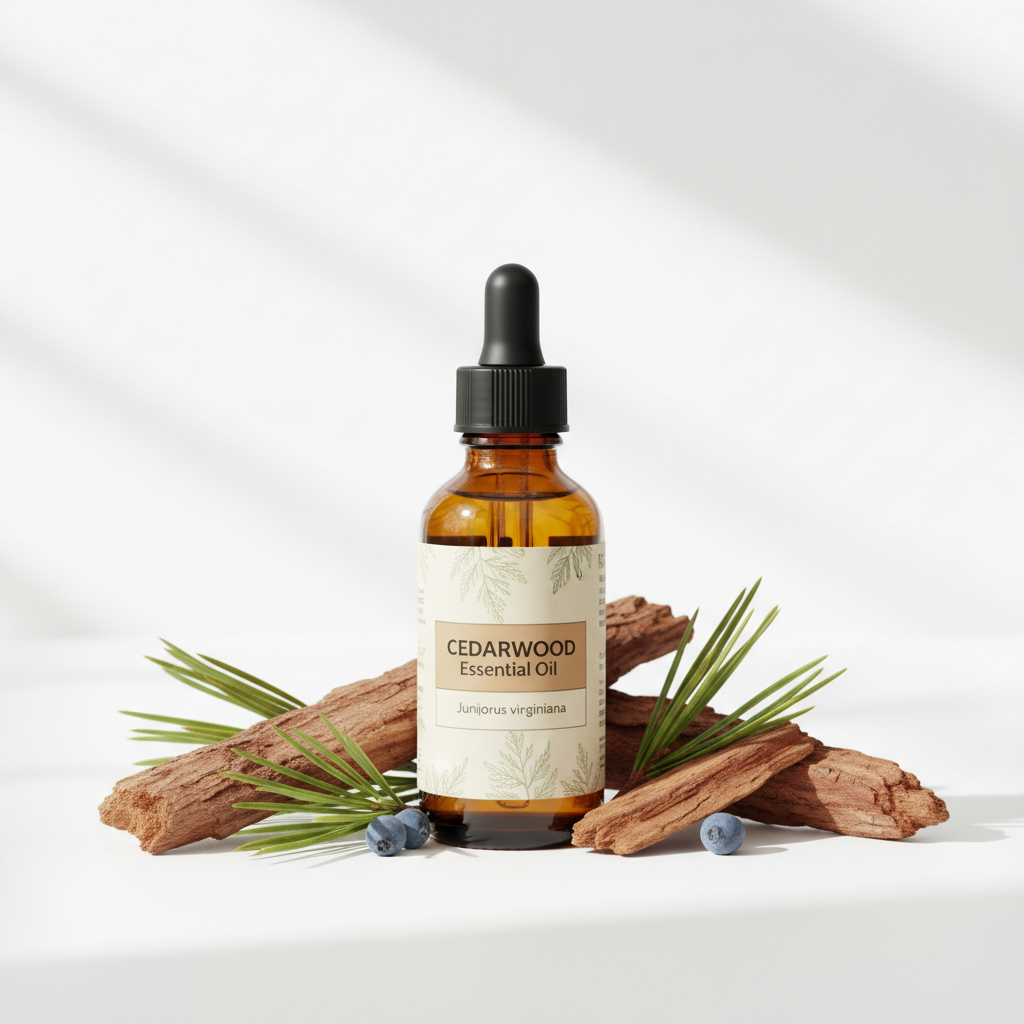
Cedarwood Essential Oil
Juniperus virginiana
Cedarwood essential oil, derived from the wood of the Juniperus virginiana tree, is a revered fragrance with deep historical roots and a multitude of therapeutic benefits. Known for its warm, woody aroma, this essential oil has been used for centuries across various cultures, valued for its grounding and calming properties. In this comprehensive guide, we will explore the origins, benefits, scientific facts, and uses of Cedarwood essential oil. ### Origin and Extraction Method Cedarwood essential oil is extracted through steam distillation, a method that preserves the delicate compounds and aroma of the cedar tree. The Juniperus virginiana, commonly known as Eastern Red Cedar, is native to North America, and its wood has been used historically by Native American tribes for various purposes, including ceremonial practices and medicinal applications. The steam distillation process not only captures the scent but also concentrates its therapeutic properties, making it a valuable addition to aromatherapy and natural health. ### Botanical Information Cedarwood trees can grow to be quite large, reaching heights of up to 50 feet. They are evergreen conifers, with needle-like leaves and distinctive bark. The essential oil extracted from the wood contains a rich blend of compounds, including cedrol and thujopsene, contributing to its unique fragrance and properties. ### Therapeutic Properties and Benefits Cedarwood essential oil is renowned for its numerous therapeutic benefits: - **Calming Effects**: The warm scent of Cedarwood is effective in promoting relaxation and reducing stress. It is often used in meditation practices to create a serene environment. - **Emotional Clarity**: By enhancing emotional grounding, this oil helps users navigate transitions in life, alleviating feelings of loneliness and promoting a sense of safety. - **Focus and Concentration**: Its aroma is believed to boost mental clarity and focus, making it beneficial in creative and intellectual pursuits. - **Skin Health**: When diluted with a carrier oil, Cedarwood can alleviate skin irritations, support clearer skin, and help maintain a healthy scalp and hair ecosystem. - **Muscle Relaxation**: Used in massage therapy, Cedarwood essential oil may help reduce muscle stiffness and soreness. - **Support for Circulation**: Some studies suggest that Cedarwood oil can enhance healthy circulation, contributing to overall cardiovascular health. - **Headache Relief**: Its relaxing properties can also assist in alleviating tension headaches by promoting overall relaxation. ### Historical and Traditional Uses Historically, Cedarwood has been employed in many cultures for both practical and spiritual purposes. Ancient Egyptians used it in their embalming processes, while Indian Ayurvedic traditions recognize Cedarwood for its balancing and calming effects on the mind and body. In North America, Indigenous peoples utilized Cedarwood in ceremonies and as a natural remedy for various ailments, highlighting its importance in cultural practices. ### Scientific Facts and Research Recent research has begun to explore the potential health benefits of Cedarwood essential oil more extensively. Studies have indicated that compounds in Cedarwood can have anti-inflammatory and antimicrobial properties, supporting its use in skincare and overall wellness. Additionally, the calming effects of Cedarwood have garnered interest in the fields of psychology and holistic health, prompting further investigation into its efficacy for stress management and emotional well-being. ### Aroma Profile and Characteristics Cedarwood essential oil offers a rich, woody aroma that evokes feelings of nature and tranquility. The scent is grounding, providing a sense of comfort and stability, making it a popular choice for those looking to create a peaceful sanctuary in their home or workspace. Its fragrance blends well with other essential oils such as lavender, bergamot, and eucalyptus, enhancing its calming effects and creating harmonious blends. ### Common Applications and Methods Cedarwood essential oil can be used in various ways: - **Diffusion**: Add a few drops of Cedarwood oil to a diffuser to create an uplifting and calming atmosphere. - **Topical Applications**: Dilute with a carrier oil for massage or skincare treatments, targeting areas of discomfort or irritation. - **Hair Care**: Incorporate a few drops into your shampoo or conditioner to promote a healthy scalp and strong hair. - **Candle and Soap Making**: Its delightful aroma makes it ideal for natural candles and soaps, adding a luxurious touch to homemade products. ### Interesting Facts and Trivia - Cedarwood has been considered sacred in many cultures, often associated with purification and protection. - The wood of the Cedar tree is naturally resistant to decay, which is why it has been used for centuries in construction and carvings. - In addition to its aromatic qualities, Cedarwood essential oil is also valued in the fragrance industry, used in perfumes and scented products for its warm, enticing notes. In conclusion, Cedarwood essential oil is not only a fragrant addition to any essential oil collection but also a powerhouse of therapeutic benefits, deeply rooted in history and tradition. Whether used for emotional support, skincare, or simply to enhance your home atmosphere, Cedarwood offers a myriad of applications that can enrich your well-being.
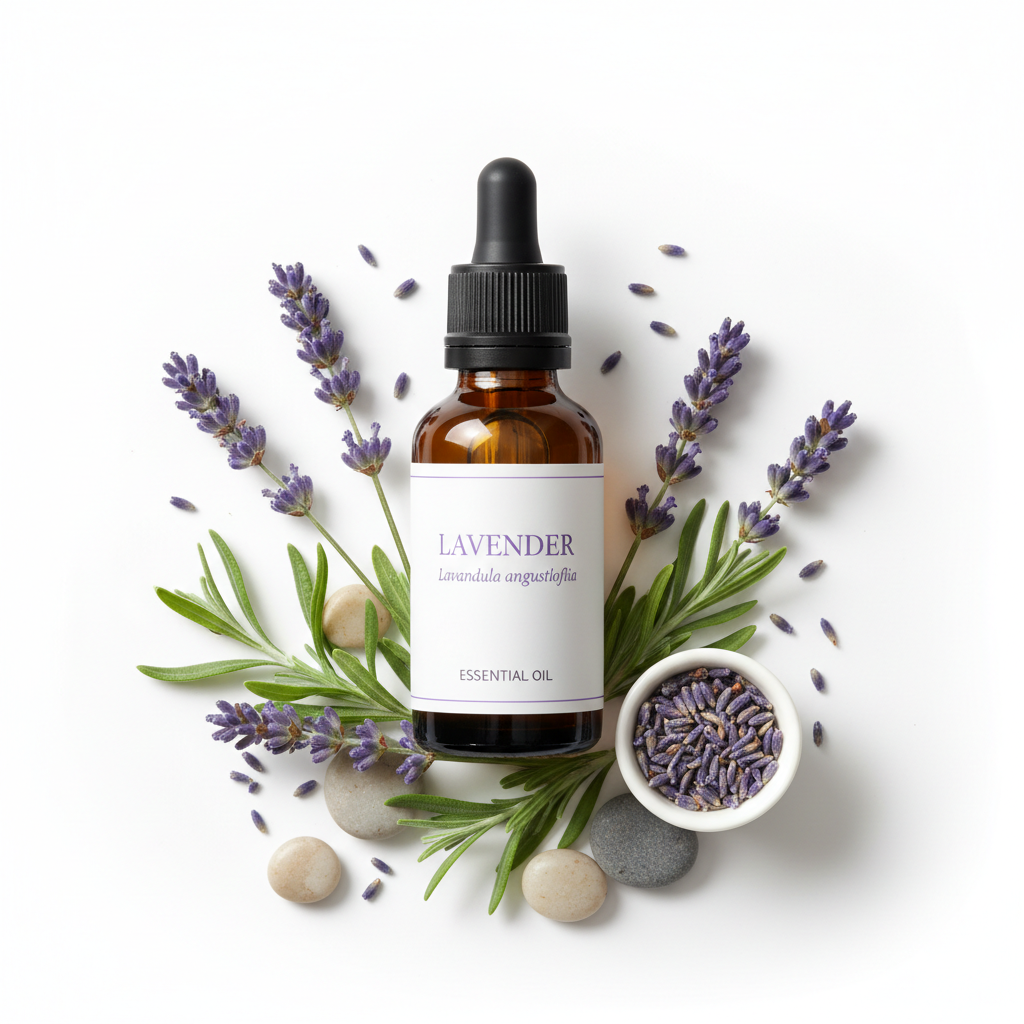
Lavender Essential Oil
Lavandula angustifolia
## Lavender Essential Oil: A Comprehensive Guide Lavender essential oil, extracted from the lavender plant (Lavandula angustifolia), is one of the most well-known and widely used essential oils today. It is celebrated for its relaxing properties and a range of therapeutic benefits that promote mental, emotional, and physical well-being. ### Origin and Extraction Method Lavender is native to the Mediterranean region, especially in areas of France, Italy, and Spain, where it flourishes in dry, sunny climates. The oil is obtained through steam distillation of the delicate flowering tops of the lavender plant. This method preserves the oil's delicate chemical composition, fostering its aromatic and therapeutic qualities, making it a staple in aromatherapy and natural health practices. ### Botanical Information Lavandula angustifolia, commonly known as true lavender, belongs to the Lamiaceae (mint) family. The plant typically reaches about 1 meter in height and has slender, greenish-gray leaves adorned with vibrant purple flowers. The distinctive aroma emanates from the plant's essential oil, which comprises various aromatic compounds such as linalool, linalyl acetate, and camphor, recognized for their calming effects. ### Therapeutic Properties and Benefits Lavender essential oil offers a myriad of therapeutic benefits, including: - **Promoting Relaxation:** Known as an anxiolytic, lavender oil effectively reduces anxiety and stress, helping to promote a sense of calm and tranquility. - **Improving Sleep Quality:** It is widely recommended as a natural remedy for insomnia and sleep disturbances. Adding a few drops to a diffuser or pillow can help induce restful sleep. - **Enhancing Mood and Emotional Balance:** Lavender oil can uplift mood and support emotional stability, making it beneficial for those experiencing sadness or irritability. - **Alleviating Headaches and Migraines:** Inhaling lavender oil or applying diluted oil to the temples may provide relief from headaches and migraines. - **Soothing Muscle Tension:** The anti-inflammatory properties of lavender oil make it effective for soothing sore muscles and reducing tension. - **Supporting Respiratory Health:** With its antiseptic properties, lavender oil may alleviate symptoms associated with colds, allergies, and respiratory infections. ### Historical and Traditional Uses Historically, lavender has been treasured for its medicinal and aromatic properties for centuries. Ancient Egyptians utilized lavender for mummification and as a cosmetic fragrance. Romans added it to their baths to relieve stress and enhance mood. In the Middle Ages, lavender symbolized purity, often used in perfumes and sachets, and its presence was common in homes to ward off pests. ### Scientific Facts and Research Numerous scientific studies have validated the benefits of lavender essential oil. Research published in *Evidence-Based Complementary and Alternative Medicine* confirmed that individuals who inhaled lavender experienced significant reductions in anxiety and improved sleep quality compared to placebo groups. Furthermore, studies indicate that lavender oil may influence neurotransmitter systems, enhancing its sedative effects. ### Aroma Profile and Characteristics Lavender essential oil possesses a sweet, floral, and herbaceous aroma that is both uplifting and calming. Its scent, often described as fresh and clean, makes it a popular choice in aromatherapy blends, personal care products, and home fragrances. The calming aroma can cultivate a serene environment, ideal for meditation and relaxation practices. ### Common Applications and Methods Lavender essential oil's versatility allows for a variety of applications: - **Aromatherapy:** Diffusing lavender oil in your home purifies the air and creates a relaxing atmosphere, beneficial for stress relief. - **Topical Use:** Diluting lavender oil with a carrier oil for massages or targeted skin applications helps alleviate pain and supports skin health. - **Baths:** Adding lavender oil to bathwater not only promotes relaxation but also eases muscle tension and soothes the mind. - **Culinary Uses:** When used in moderation, lavender adds a unique flavor to culinary dishes, commonly included in herbal teas, desserts, and infused syrups. ### Interesting Facts and Trivia - Lavender is often regarded as the “universal oil” due to its myriad benefits and applications across different practices. - It takes approximately 250 pounds of lavender flowers to produce about 1 pound of essential oil, demonstrating its value and potency. - The color purple, associated with lavender, symbolizes tranquility and peace, reflecting its effects on the mind and body. - Additionally, lavender is renowned for attracting pollinators like bees and butterflies, contributing positively to local biodiversity. In conclusion, lavender essential oil is not only remarkable with its profound history but also offers extensive benefits and versatile applications. Whether used to promote relaxation, enhance mood, or enjoy aromatic qualities, it plays an essential role in holistic health. Incorporate lavender essential oil into your daily routine for a touch of serenity and a pathway to balance your emotional and physical well-being.
More inhaler Recipes
DIY Essential Oil Allergy Relief Inhaler Recipe
Discover this easy recipe to create essential oil allergy relief inhalers that provide natural, effective relief for seasonal allergies.
DIY Essential Oil Allergy Relief Inhaler Recipe
Discover this essential oil allergy relief recipe to make effective inhalers at home for natural symptom relief from allergies.

DIY Essential Oil Inhaler Recipe for Focus
Boost your mental clarity and energy with this DIY essential oil inhaler recipe! Learn how to craft your invigorating inhalers at home easily.

Refreshing Brenaige Headache Relief Inhaler Recipe
Discover the ultimate inhaler recipe using essential oils that eases headache pain and promotes relaxation for a soothing experience.