Refreshing Brenaige Headache Relief Inhaler Recipe
Discover the ultimate inhaler recipe using essential oils that eases headache pain and promotes relaxation for a soothing experience.
Benefits & What to Expect
Refreshing Brenaige Headache Relief Inhaler Recipe
Are you tired of dealing with headache discomfort? Whether it's tension headaches caused by stress or migraines that interrupt your day, the Refreshing Brenaige Headache Relief Inhaler is an effective, portable solution. Utilizing the soothing properties of essential oils, this inhaler allows you to combat headache symptoms quickly and conveniently. This guide will walk you through the entire recipe process, and we'll explore the benefits of each ingredient used in this inhaler.
Why Use Essential Oils for Headache Relief?
Essential oils are widely recognized for their therapeutic properties. They can provide relief not just physically but also emotionally, leading to a more well-rounded approach to managing headaches.
- Peppermint Essential Oil: This oil is well-known for its ability to produce a cooling effect, which helps in increasing circulation to the head. It's particularly beneficial for alleviating tension and migraine headaches.
- Lavender Essential Oil: With its calming scent, lavender is prized for its ability to reduce stress and promote relaxation. It pairs perfectly with peppermint to bolster the inhaler's effectiveness against headache pain.
- Menthol Crystals: The addition of menthol crystals creates an immediate cooling sensation that clears the sinuses and can relieve the pressure associated with headaches.
- Eucalyptus Essential Oil: This oil is refreshing and helps with mental clarity. It's beneficial for headaches linked to sinus problems, making it an important ingredient for this inhaler.
- Chamomile Essential Oil: Known for its gentle and soothing effects, chamomile promotes relaxation and can reduce anxiety, providing a holistic approach to headache relief.
Ingredients Needed
Before we get started, gather these essential ingredients to ensure that you have everything required for the inhaler:
- Peppermint Essential Oil
- Lavender Essential Oil
- Menthol Crystals
- Eucalyptus Essential Oil
- Chamomile Essential Oil
Step-by-Step Instructions
Now, let’s dive into the process of creating your own Refreshing Brenaige Headache Relief Inhaler:
-
Combine the Base: In a small mixing bowl, combine the menthol crystals with the peppermint and lavender essential oils. Use a small spatula or spoon to mix them thoroughly until you achieve a uniform consistency. The menthol will begin to dissolve in the oils, producing a fragrant base for your inhaler.
-
Add Additional Oils: Next, mix in the drops of eucalyptus and chamomile essential oils. Stir gently to ensure an even distribution of all the oils in the mixture. Each oil plays a vital role in enhancing the overall effect of the inhaler.
-
Fill the Inhaler: Using a dropper, fill your inhaler with the prepared essential oil blend. Be careful not to overfill it, as you want to keep some space for air circulation within the inhaler.
-
Seal and Shake: Seal the inhaler tightly to prevent any leakage. Gently shake the inhaler to mix the ingredients further. This ensures that the essential oils are well-blended for effective use.
-
Usage Instructions: To use your newly created inhaler, simply inhale deeply through your nose and exhale through your mouth as needed whenever you feel a headache coming on. For an enhanced aroma, consider adding a drop of rosemary essential oil, which may also help in providing relief.
Customization Tips
- Adjust Strength: You can customize the strength of your inhaler by adjusting the proportion of menthol crystals based on your personal preference.
- Storage: Store your inhaler in a cool, dry place to maintain the potency of the essential oils. Proper storage will ensure you have this natural headache relief option available whenever needed.
Incorporating this Refreshing Brenaige Headache Relief Inhaler recipe into your wellness routine can lead to significant improvements in managing headache symptoms. With its straightforward preparation and effective blend of essential oils, you are well on your way to ensuring a more comfortable and relaxed day ahead. Enjoy your natural relief and say goodbye to headaches!
Conclusion
Creating a convenient inhaler that utilizes essential oils is not only beneficial for immediate headache relief but also supports overall well-being. By following this simple recipe, you now have a natural remedy that promotes relaxation and alleviates headache discomfort efficiently. Dive into making your own inhaler today and experience the soothing power of essential oils!
How to Use
Inhale deeply through the nose and exhale through the mouth as needed to relieve headache symptoms.
Original Recipe (below is the converted recipe into different container sizes)
Instructions
- 1
Gather all ingredients: Peppermint Essential Oil, Lavender Essential Oil, Menthol Crystals, Eucalyptus Essential Oil, and Chamomile Essential Oil.
- 2
In a small mixing bowl, combine the menthol crystals with the peppermint and lavender essential oils.
- 3
Mix in the drops of eucalyptus and chamomile essential oils until thoroughly blended.
- 4
Using a dropper, fill the inhaler with the prepared essential oil blend.
- 5
Seal the inhaler tightly and gently shake to ensure proper mixing before use.
Scaled Ingredients
2 oz to 8 oz
| Ingredient | 2 oz | 4 oz | 8 oz |
|---|---|---|---|
| Peppermint Essential Oil | 24.5 ml | 49 ml | 98 ml |
| Lavender Essential Oil | 24.5 ml | 49 ml | 98 ml |
| Menthol Crystals | 0.07 oz | 0.14 oz | 0.28 oz |
| Eucalyptus Essential Oil | 4 ml | 8.25 ml | 16.25 ml |
| Chamomile Essential Oil | 4 ml | 8.25 ml | 16.25 ml |
16 oz to 128 oz
| Ingredient | 16 oz | 32 oz | 64 oz | 128 oz |
|---|---|---|---|---|
| Peppermint Essential Oil | 195.75 ml | 391.5 ml | 783.25 ml | 1566.5 ml |
| Lavender Essential Oil | 195.75 ml | 391.5 ml | 783.25 ml | 1566.5 ml |
| Menthol Crystals | 0.55 oz | 1.1 oz | 2.21 oz | 4.41 oz |
| Eucalyptus Essential Oil | 32.75 ml | 65.25 ml | 130.5 ml | 261 ml |
| Chamomile Essential Oil | 32.75 ml | 65.25 ml | 130.5 ml | 261 ml |
Looking for something else?
Essential Oils Used
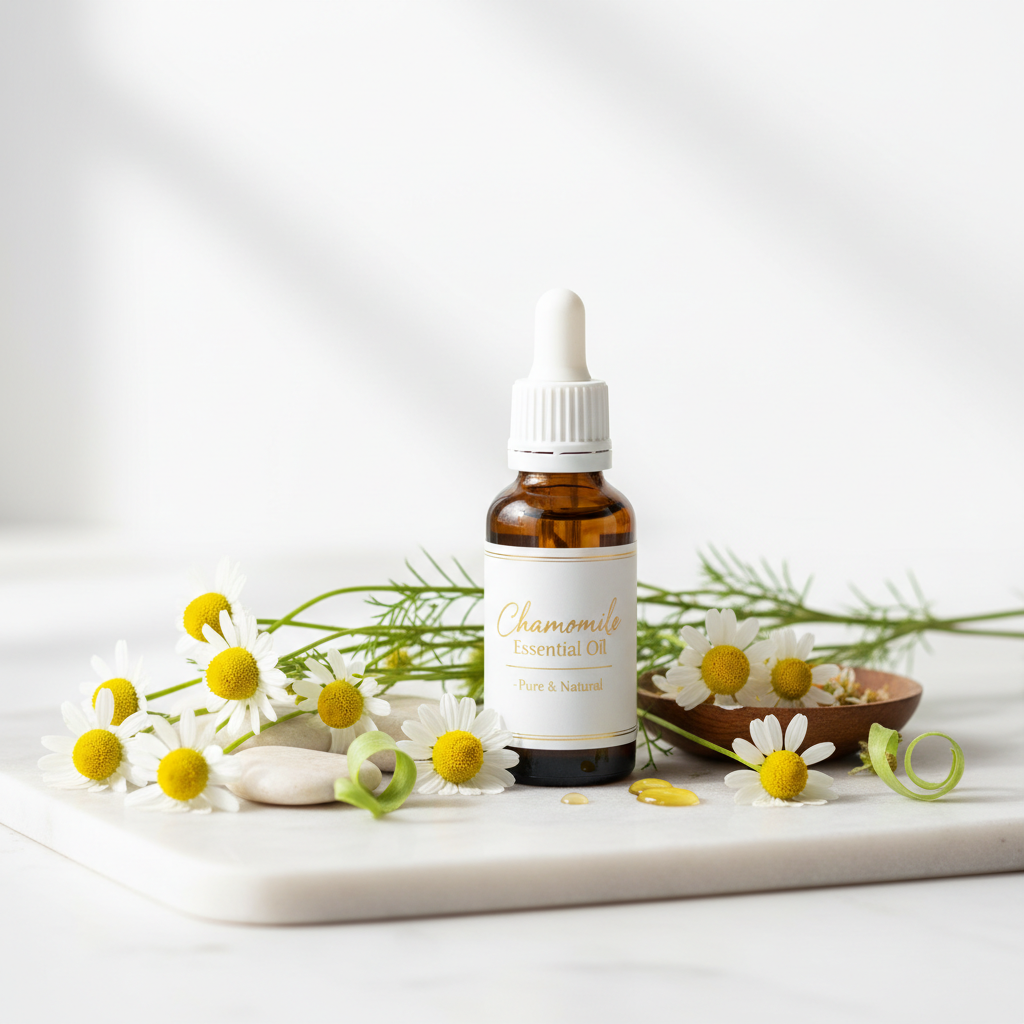
Chamomile Essential Oil
Chamaemelum nobile
### Chamomile Essential Oil: A Comprehensive Guide Chamomile essential oil, derived from the flowers of the **Chamaemelum nobile** plant, is one of the most revered essential oils, celebrated for its extensive range of therapeutic properties. This oil, commonly referred to as Roman chamomile, is extracted primarily through steam distillation, ensuring that the delicate constituents of the flowers are preserved in the oil. The history of chamomile use can be traced back to ancient Egypt, where it was prized not only for its medicinal benefits but also for its association with the sun and its reputed ability to bring protection and wellness. #### Origin and Extraction Method The **Chamaemelum nobile** plant is native to Europe and North Africa. Its flowers are small, daisy-like, and widespread in temperate habitats. The extraction of chamomile essential oil via steam distillation involves passing steam through the plant material, which carries the volatile compounds with it. When the steam is cooled, the oil condenses and separates, resulting in the fragrant essential oil we commonly use today. #### Botanical Information Chamomile belongs to the Asteraceae family and is characterized by its white petals and yellow disc florets. The plant typically grows to about 15–30 cm in height and has a sweet, apple-like scent which is a defining characteristic of its essential oil. #### Therapeutic Properties and Benefits Chamomile essential oil is known for its myriad therapeutic properties: - **Promotes relaxation:** The oil has potent calming effects, making it an excellent choice for use in evening routines to help ease tension and stress. - **Reduces emotional stress:** Chamomile is known to relieve feelings of anxiety and overwhelming emotions, providing comfort in times of emotional distress. - **Boosts mood:** Its sweet aroma can uplift your spirit, fostering a more positive and serene mindset. - **Enhances sleep quality:** Known for inducing a tranquil state, chamomile essential oil is often used in diffusers before bedtime to create a calming environment. - **Supports emotional balance:** It helps ground emotions, addressing irritability and mood swings effectively. Chamomile oil is also beneficial for physical ailments: - **Soothes skin irritations:** Effective against conditions like eczema and dermatitis, it can help reduce inflammation and promote skin health. - **Alleviates headaches:** Its anti-inflammatory properties make it useful in easing tension headaches when used in aromatherapy. - **Relieves menstrual discomfort:** Chamomile oil can help ease the pain and discomfort associated with menstrual cramps. - **Promotes digestive health:** It is also known to assist with digestive issues, alleviating symptoms like bloating and indigestion. #### Historical and Traditional Uses Historically, chamomile was used extensively in traditional medicine across various cultures. The Egyptians, for instance, revered it as a sacred herb, often utilizing it in herbal teas and remedies. In ancient Greece, it was used to treat fevers and inflammatory conditions, appreciating its healing properties. #### Scientific Facts and Research Scientific studies have revealed that chamomile essential oil contains potent compounds such as **bisabolol** and **chamazulene**, which are responsible for its anti-inflammatory and calming effects. This has garnered interest in its use within modern herbal medicine and aromatherapy practices. #### Aroma Profile and Characteristics The aroma of chamomile essential oil is sweet, floral, and somewhat fruity, providing a gentle and soothing scent profile. It is commonly used in personal care products due to its pleasant fragrance and skin-soothing qualities. #### Common Applications and Methods Chamomile essential oil can be utilized in various ways: - **Aromatherapy:** Diffuse the oil in a room to promote relaxation. - **Topical application:** Dilute the oil with a carrier oil and apply to affected skin areas or use in massages. - **Baths:** Add a few drops to a warm bath for a soothing experience. #### Interesting Facts and Trivia - Chamomile tea, made from the same flowers, is one of the most popular herbal teas worldwide. - The name chamomile is derived from the Greek word ‘chamaimelon’, meaning ‘earth apple’ due to its apple-like scent. - Chamomile is often referred to as the ‘plant’s physician’ because it is thought to have properties that support the healing of other plants when grown nearby. In conclusion, chamomile essential oil is a versatile and beneficial oil that has found its place in modern health and wellness practices as well as traditional uses. Its calming properties and extensive historical background make it a staple in any essential oil collection.
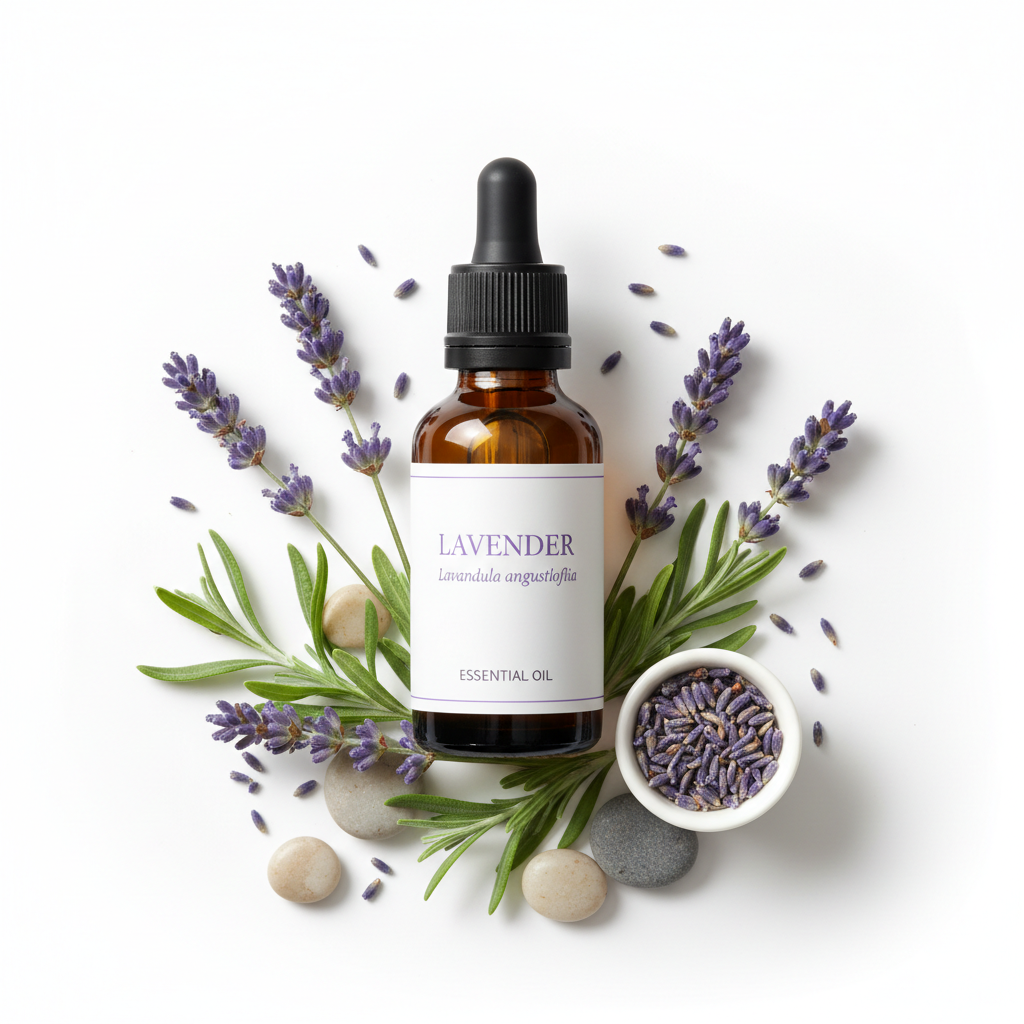
Lavender Essential Oil
Lavandula angustifolia
## Lavender Essential Oil: A Comprehensive Guide Lavender essential oil, extracted from the lavender plant (Lavandula angustifolia), is one of the most well-known and widely used essential oils today. It is celebrated for its relaxing properties and a range of therapeutic benefits that promote mental, emotional, and physical well-being. ### Origin and Extraction Method Lavender is native to the Mediterranean region, especially in areas of France, Italy, and Spain, where it flourishes in dry, sunny climates. The oil is obtained through steam distillation of the delicate flowering tops of the lavender plant. This method preserves the oil's delicate chemical composition, fostering its aromatic and therapeutic qualities, making it a staple in aromatherapy and natural health practices. ### Botanical Information Lavandula angustifolia, commonly known as true lavender, belongs to the Lamiaceae (mint) family. The plant typically reaches about 1 meter in height and has slender, greenish-gray leaves adorned with vibrant purple flowers. The distinctive aroma emanates from the plant's essential oil, which comprises various aromatic compounds such as linalool, linalyl acetate, and camphor, recognized for their calming effects. ### Therapeutic Properties and Benefits Lavender essential oil offers a myriad of therapeutic benefits, including: - **Promoting Relaxation:** Known as an anxiolytic, lavender oil effectively reduces anxiety and stress, helping to promote a sense of calm and tranquility. - **Improving Sleep Quality:** It is widely recommended as a natural remedy for insomnia and sleep disturbances. Adding a few drops to a diffuser or pillow can help induce restful sleep. - **Enhancing Mood and Emotional Balance:** Lavender oil can uplift mood and support emotional stability, making it beneficial for those experiencing sadness or irritability. - **Alleviating Headaches and Migraines:** Inhaling lavender oil or applying diluted oil to the temples may provide relief from headaches and migraines. - **Soothing Muscle Tension:** The anti-inflammatory properties of lavender oil make it effective for soothing sore muscles and reducing tension. - **Supporting Respiratory Health:** With its antiseptic properties, lavender oil may alleviate symptoms associated with colds, allergies, and respiratory infections. ### Historical and Traditional Uses Historically, lavender has been treasured for its medicinal and aromatic properties for centuries. Ancient Egyptians utilized lavender for mummification and as a cosmetic fragrance. Romans added it to their baths to relieve stress and enhance mood. In the Middle Ages, lavender symbolized purity, often used in perfumes and sachets, and its presence was common in homes to ward off pests. ### Scientific Facts and Research Numerous scientific studies have validated the benefits of lavender essential oil. Research published in *Evidence-Based Complementary and Alternative Medicine* confirmed that individuals who inhaled lavender experienced significant reductions in anxiety and improved sleep quality compared to placebo groups. Furthermore, studies indicate that lavender oil may influence neurotransmitter systems, enhancing its sedative effects. ### Aroma Profile and Characteristics Lavender essential oil possesses a sweet, floral, and herbaceous aroma that is both uplifting and calming. Its scent, often described as fresh and clean, makes it a popular choice in aromatherapy blends, personal care products, and home fragrances. The calming aroma can cultivate a serene environment, ideal for meditation and relaxation practices. ### Common Applications and Methods Lavender essential oil's versatility allows for a variety of applications: - **Aromatherapy:** Diffusing lavender oil in your home purifies the air and creates a relaxing atmosphere, beneficial for stress relief. - **Topical Use:** Diluting lavender oil with a carrier oil for massages or targeted skin applications helps alleviate pain and supports skin health. - **Baths:** Adding lavender oil to bathwater not only promotes relaxation but also eases muscle tension and soothes the mind. - **Culinary Uses:** When used in moderation, lavender adds a unique flavor to culinary dishes, commonly included in herbal teas, desserts, and infused syrups. ### Interesting Facts and Trivia - Lavender is often regarded as the “universal oil” due to its myriad benefits and applications across different practices. - It takes approximately 250 pounds of lavender flowers to produce about 1 pound of essential oil, demonstrating its value and potency. - The color purple, associated with lavender, symbolizes tranquility and peace, reflecting its effects on the mind and body. - Additionally, lavender is renowned for attracting pollinators like bees and butterflies, contributing positively to local biodiversity. In conclusion, lavender essential oil is not only remarkable with its profound history but also offers extensive benefits and versatile applications. Whether used to promote relaxation, enhance mood, or enjoy aromatic qualities, it plays an essential role in holistic health. Incorporate lavender essential oil into your daily routine for a touch of serenity and a pathway to balance your emotional and physical well-being.
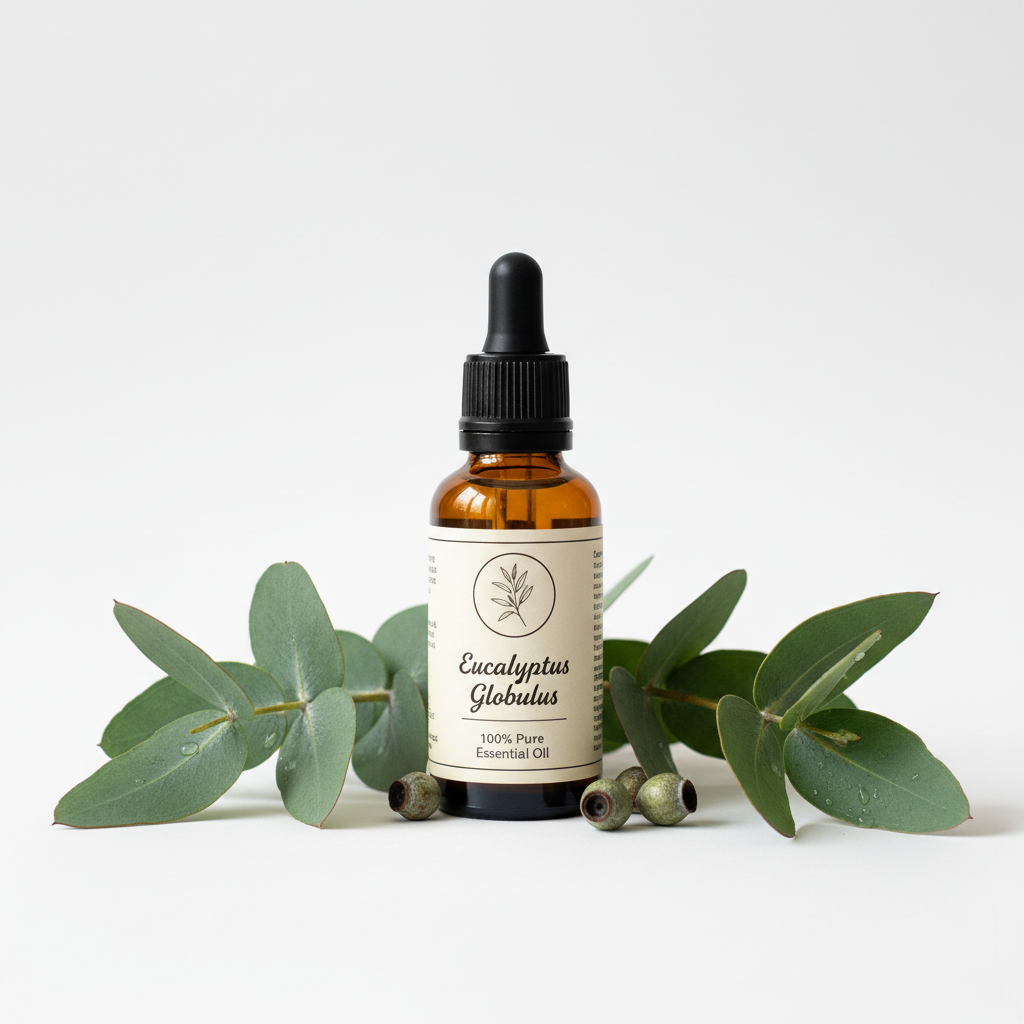
Eucalyptus Essential Oil
Eucalyptus globulus
Eucalyptus essential oil is a powerful and refreshing oil known for its wide range of therapeutic properties. This aromatic oil is extracted from the leaves of the eucalyptus tree, specifically from the species Eucalyptus globulus, which is native to Australia. The leaves are typically steam distilled to capture the pure essence of the plant, resulting in an oil that is both invigorating and beneficial for various health issues. ### Origin and Extraction Method The eucalyptus tree, often referred to as the "blue gum tree," thrives in warm climates and can grow up to 50 meters tall. The oil is extracted from fresh leaves through a process called steam distillation, where steam passes through the plant material, vaporizing the essential oil. Once cooled, the resulting liquid separates into water and oil, with the essential oil floating on top due to its lighter density. ### Botanical Information Eucalyptus is part of the Myrtaceae family and has over 700 species, but the most commonly used for essential oil production is the Eucalyptus globulus. This evergreen tree has a distinctive aroma, and its leaves contain a significant amount of cineole (also known as eucalyptol), which is responsible for many of its therapeutic properties. ### Therapeutic Properties and Benefits Eucalyptus essential oil is known for its impressive therapeutic attributes. It is often used in aromatherapy to promote respiratory health. The oil's expectorant properties help clear mucus and phlegm from the airways, making it particularly helpful for conditions such as colds, coughs, and sinusitis. Furthermore, the refreshing scent can help boost mental clarity and focus, making it an excellent oil for those needing an extra mental boost during stressful situations. In addition to respiratory benefits, eucalyptus oil has anti-inflammatory properties, which can soothe sore muscles and relieve tension when used in topical applications or massage blends. Many athletes and fitness enthusiasts incorporate it into their post-workout routines to promote muscle recovery. ### Historical and Traditional Uses Historically, eucalyptus has been used by Indigenous Australians for its healing properties. The leaves were used to treat wounds and fevers due to their antibacterial qualities. In traditional medicine, eucalyptus oil was often utilized for its analgesic (pain-relieving) and antipyretic (fever-reducing) effects. ### Scientific Facts and Research Research has shown that eucalyptus essential oil possesses antimicrobial properties, making it effective against certain bacteria and fungi. Scientific studies have also highlighted its potential benefits for respiratory health, showcasing its ability to improve lung function and reduce inflammation in the airways. As more research is conducted, the therapeutic applications of eucalyptus oil continue to expand, confirming its place as a staple in natural health remedies. ### Aroma Profile and Characteristics Eucalyptus essential oil has a fresh, medicinal, and slightly sweet aroma that invigorates the senses. The distinctive scent is often described as clean and crisp, resembling that of menthol, which can provide a cooling sensation when inhaled. ### Common Applications and Methods Eucalyptus oil can be used in various ways: - **Aromatherapy**: Diffuse a few drops in a diffuser to clean the air and promote respiratory health. - **Topical Use**: Dilute with a carrier oil (such as coconut or jojoba oil) for massage or to relieve muscle soreness. - **Bath Additive**: Add a few drops to bathwater for a refreshing, invigorating soak. - **Steam Inhalation**: Add a few drops to a bowl of hot water, cover your head with a towel, and inhale the steam for congestion relief. ### Interesting Facts and Trivia - The eucalyptus tree is not only valued for its oil; its wood is also used in construction and furniture making due to its durability. - Eucalyptus oil is a common ingredient in many over-the-counter cough and cold preparations. - In Australia, the leaves of the eucalyptus tree are the primary food source for koalas, which have an incredible ability to digest the tough eucalypt leaves. In conclusion, eucalyptus essential oil is a remarkable oil with a rich history and a variety of applications in health and wellness. Its benefits for respiratory health, combined with its invigorating aroma, make it a favorite among essential oil users. Whether you are new to essential oils or an experienced user, adding eucalyptus essential oil to your collection can enhance your natural health and well-being.
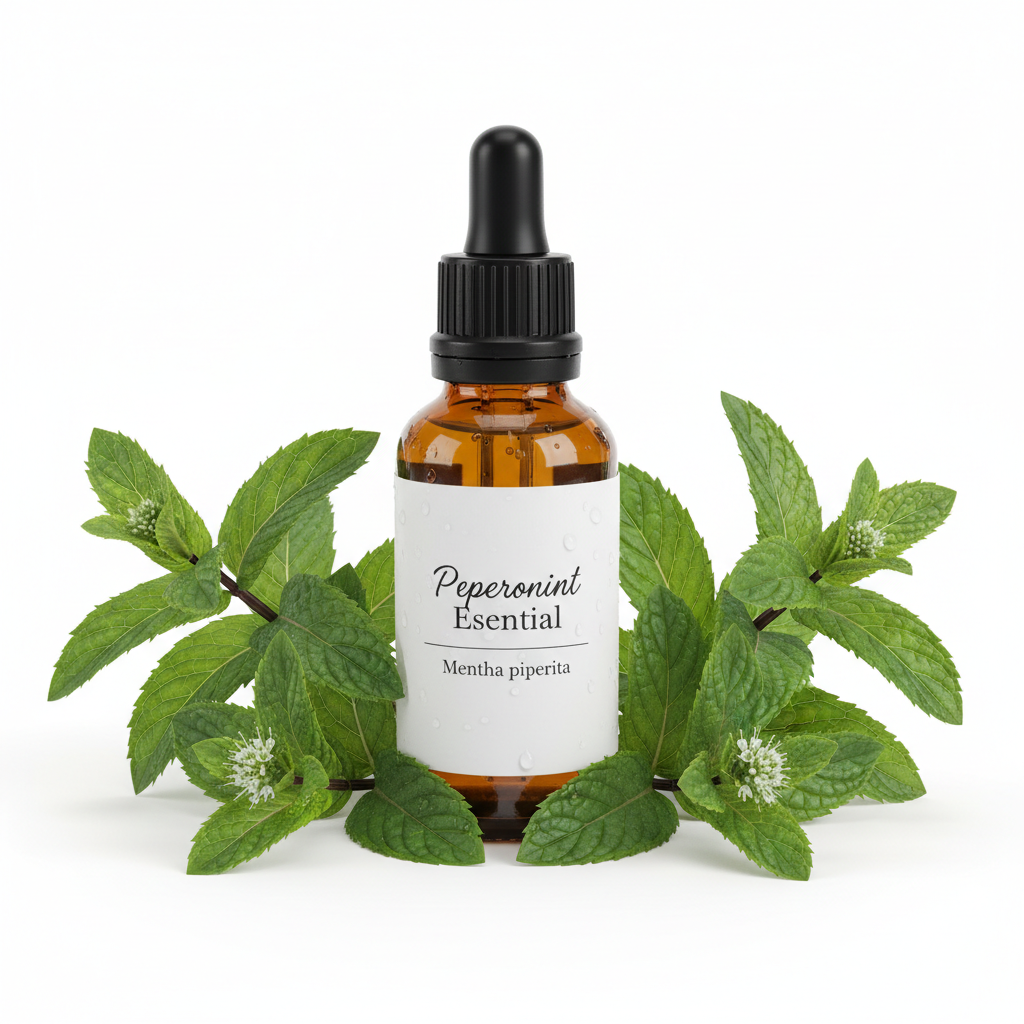
Peppermint Essential Oil
Mentha piperita
Peppermint essential oil, extracted from the leaves of the Mentha piperita plant, is a powerhouse in the world of essential oils due to its versatility and effectiveness. Extracted through steam distillation, this oil retains potent properties and a refreshing minty aroma that has been cherished for centuries. Originating from the Mediterranean region, peppermint has been valued not just for its therapeutic advantages, but also for culinary purposes and as a delightful herbal tea. **Origin and Extraction Method** Peppermint (Mentha piperita) is a hybrid of watermint and spearmint. The oil is extracted from its dark green leaves, showcasing a clear to pale yellow liquid. This essential oil is known for its invigorating aroma thanks to its unique chemical composition, primarily menthol and menthone, which contribute to its therapeutic properties. **Botanical Information** Belonging to the Lamiaceae family, peppermint grows to about 1-3 feet tall with jagged leaves. These leaves are rich in essential oils, making peppermint a highly sought-after plant in both aromatherapy and cooking. **Therapeutic Properties and Benefits** Peppermint essential oil offers an array of therapeutic properties, including: - **Energy Booster**: A few drops can invigorate and enhance physical energy, making it ideal for workouts or long days. - **Headache Relief**: Its cooling properties can alleviate tension headaches when applied to the temples. - **Focus Enhancer**: Inhalation sharpens mental clarity, suitable for studying and work. - **Mood Uplifter**: The fresh scent mitigates stress and anxiety, promoting well-being. - **Mental Fatigue Fighter**: Helps refresh the mind during intensive mental tasks. - **Digestive Support**: Traditionally used to ease digestive issues, promoting gut health. - **Cooling Effect**: Ideal for alleviating symptoms of hot flashes or sunburn. - **Respiratory Aid**: Clears airways, contributing to improved respiratory function. **Historical and Traditional Uses** Peppermint has rich historical roots, dating back to ancient Egypt and Greece, where it was highly regarded for its aromatic properties. In addition to being found in tombs, the Greeks used it in baths, and Egyptians incorporated it into embalming processes. Today, peppermint tea remains a staple in herbal remedies for digestion, evidencing its lasting significance in holistic practices. **Scientific Facts and Research** Current studies back the therapeutic claims of peppermint essential oil. Research indicates that inhaling peppermint can significantly boost cognitive functions, especially during tasks requiring deep concentration. Other studies suggest its efficacy in managing symptoms of irritable bowel syndrome (IBS), lending scientific credence to its traditional uses. **Aroma Profile and Characteristics** Peppermint essential oil is known for its crisp, refreshing scent that possesses a powerful cooling effect. The main components, menthol and menthone, not only provide its charming aroma but also render it beneficial in aromatherapy. This essential oil is rich in antioxidants, and its healing fragrances make it a staple in many wellness practices. **Common Applications and Methods** Peppermint essential oil can be utilized in various ways, enhancing both wellness practices and daily life: - **Aromatherapy**: Diffusing peppermint offers mood enhancement and improved concentration. - **Topical Uses**: Diluted in a carrier oil, it can soothe headaches when massaged on the temples. - **Bath Soaks**: A few drops can refresh bathwater, yielding a relaxing experience. - **Culinary Uses**: Utilized as a flavoring agent, it offers a refreshing taste to dishes and drinks. **Interesting Facts and Trivia** - As one of the most widely used essential oils, peppermint is a staple in aromatherapy. - The name ‘Mentha’ traces back to Greek mythology, named after a nymph transformed into a plant. - Its antibacterial properties make it a popular ingredient in oral hygiene products. In conclusion, peppermint essential oil is an extraordinary natural remedy packed with health benefits. From its energizing capabilities to its digestive support, this essential oil is an invaluable addition to any wellness toolkit, merging traditional wisdom with contemporary science, making it an essential oil worth exploring.
More inhaler Recipes
DIY Essential Oil Allergy Relief Inhaler Recipe
Discover this easy recipe to create essential oil allergy relief inhalers that provide natural, effective relief for seasonal allergies.
DIY Essential Oil Allergy Relief Inhaler Recipe
Discover this essential oil allergy relief recipe to make effective inhalers at home for natural symptom relief from allergies.

DIY Essential Oil Inhaler Recipe for Focus
Boost your mental clarity and energy with this DIY essential oil inhaler recipe! Learn how to craft your invigorating inhalers at home easily.
Deep Sleep Inhaler Recipe for Restful Sleep and Relaxation
Discover our easy-to-follow Deep Sleep Inhaler recipe designed to promote relaxation and a restful night's sleep. Perfect for calming your mind and body!