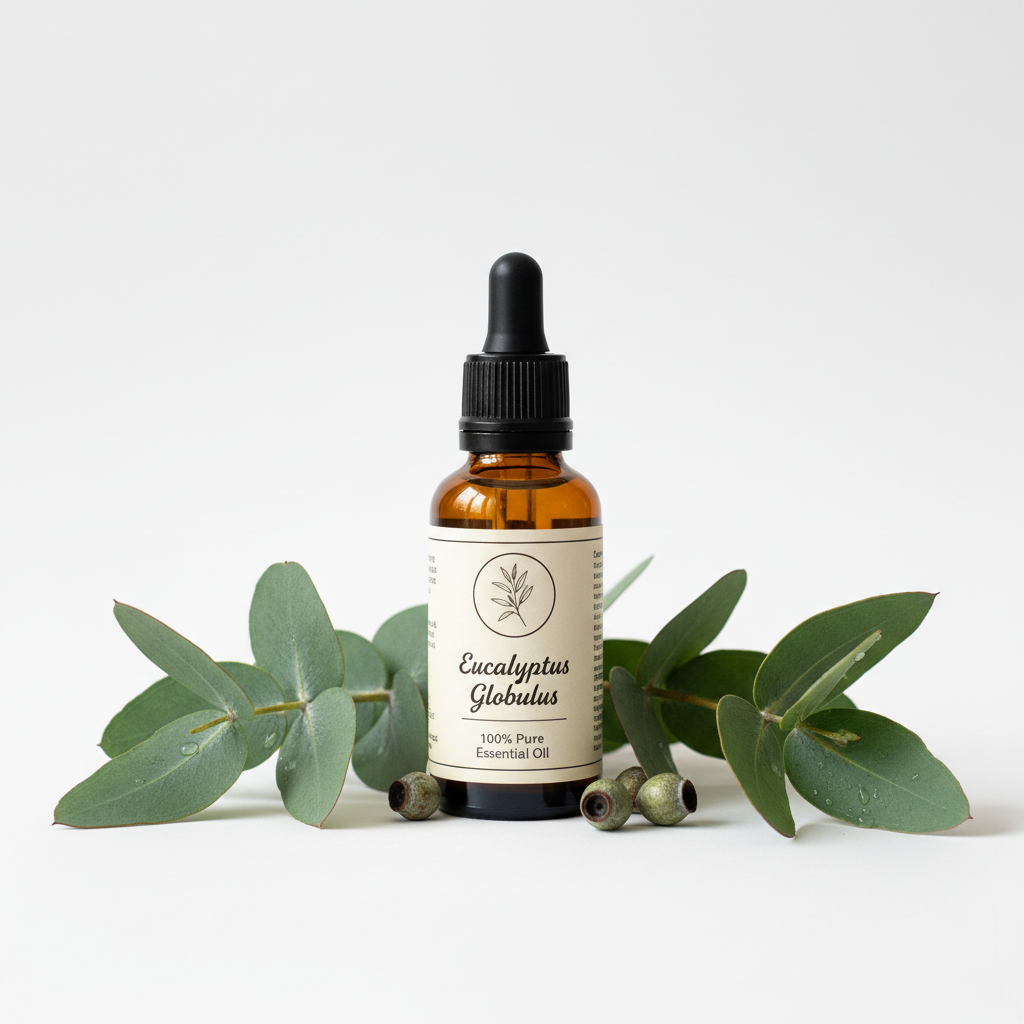
Eucalyptus Essential Oil
Eucalyptus globulus
Plant Source
Leaves
"Explore the benefits and uses of eucalyptus essential oil for respiratory health, muscle relief, and mental clarity. Discover its therapeutic properties today!"
Eucalyptus essential oil is a powerful and refreshing oil known for its wide range of therapeutic properties. This aromatic oil is extracted from the leaves of the eucalyptus tree, specifically from the species Eucalyptus globulus, which is native to Australia. The leaves are typically steam distilled to capture the pure essence of the plant, resulting in an oil that is both invigorating and beneficial for various health issues.
Origin and Extraction Method
The eucalyptus tree, often referred to as the "blue gum tree," thrives in warm climates and can grow up to 50 meters tall. The oil is extracted from fresh leaves through a process called steam distillation, where steam passes through the plant material, vaporizing the essential oil. Once cooled, the resulting liquid separates into water and oil, with the essential oil floating on top due to its lighter density.
Botanical Information
Eucalyptus is part of the Myrtaceae family and has over 700 species, but the most commonly used for essential oil production is the Eucalyptus globulus. This evergreen tree has a distinctive aroma, and its leaves contain a significant amount of cineole (also known as eucalyptol), which is responsible for many of its therapeutic properties.
Therapeutic Properties and Benefits
Eucalyptus essential oil is known for its impressive therapeutic attributes. It is often used in aromatherapy to promote respiratory health. The oil's expectorant properties help clear mucus and phlegm from the airways, making it particularly helpful for conditions such as colds, coughs, and sinusitis. Furthermore, the refreshing scent can help boost mental clarity and focus, making it an excellent oil for those needing an extra mental boost during stressful situations.
In addition to respiratory benefits, eucalyptus oil has anti-inflammatory properties, which can soothe sore muscles and relieve tension when used in topical applications or massage blends. Many athletes and fitness enthusiasts incorporate it into their post-workout routines to promote muscle recovery.
Historical and Traditional Uses
Historically, eucalyptus has been used by Indigenous Australians for its healing properties. The leaves were used to treat wounds and fevers due to their antibacterial qualities. In traditional medicine, eucalyptus oil was often utilized for its analgesic (pain-relieving) and antipyretic (fever-reducing) effects.
Scientific Facts and Research
Research has shown that eucalyptus essential oil possesses antimicrobial properties, making it effective against certain bacteria and fungi. Scientific studies have also highlighted its potential benefits for respiratory health, showcasing its ability to improve lung function and reduce inflammation in the airways. As more research is conducted, the therapeutic applications of eucalyptus oil continue to expand, confirming its place as a staple in natural health remedies.
Aroma Profile and Characteristics
Eucalyptus essential oil has a fresh, medicinal, and slightly sweet aroma that invigorates the senses. The distinctive scent is often described as clean and crisp, resembling that of menthol, which can provide a cooling sensation when inhaled.
Common Applications and Methods
Eucalyptus oil can be used in various ways:
- Aromatherapy: Diffuse a few drops in a diffuser to clean the air and promote respiratory health.
- Topical Use: Dilute with a carrier oil (such as coconut or jojoba oil) for massage or to relieve muscle soreness.
- Bath Additive: Add a few drops to bathwater for a refreshing, invigorating soak.
- Steam Inhalation: Add a few drops to a bowl of hot water, cover your head with a towel, and inhale the steam for congestion relief.
Interesting Facts and Trivia
- The eucalyptus tree is not only valued for its oil; its wood is also used in construction and furniture making due to its durability.
- Eucalyptus oil is a common ingredient in many over-the-counter cough and cold preparations.
- In Australia, the leaves of the eucalyptus tree are the primary food source for koalas, which have an incredible ability to digest the tough eucalypt leaves.
In conclusion, eucalyptus essential oil is a remarkable oil with a rich history and a variety of applications in health and wellness. Its benefits for respiratory health, combined with its invigorating aroma, make it a favorite among essential oil users. Whether you are new to essential oils or an experienced user, adding eucalyptus essential oil to your collection can enhance your natural health and well-being.
Ask AI About Eucalyptus Essential Oil
Get instant answers about this essential oil
Benefits & Uses
- Promotes clear thinking
- Invigorating and refreshing
- Supports focus
- Supports respiratory health
- Promotes clear breathing
- Soothes tired muscles
- Cooling sensation
- Clarifying for oily skin
- Refreshing scalp treatment
- Air purifier
- Natural deodorizer
- Cleaning products
- Insect repellent
How to Use
Diffuser
Add 3-5 drops to diffuser for respiratory support. Great during cold season.
Topical
Dilute 2-3 drops with carrier oil. Apply to chest and back for respiratory support.
Inhalation
Add to bowl of steaming water, drape towel over head and inhale deeply.
Safety & Precautions
Do not use near face of infants or young children. May cause breathing issues in small children.
Who should avoid:
- Children under 10 years
- Those with asthma (use with caution)
- During pregnancy without doctor approval
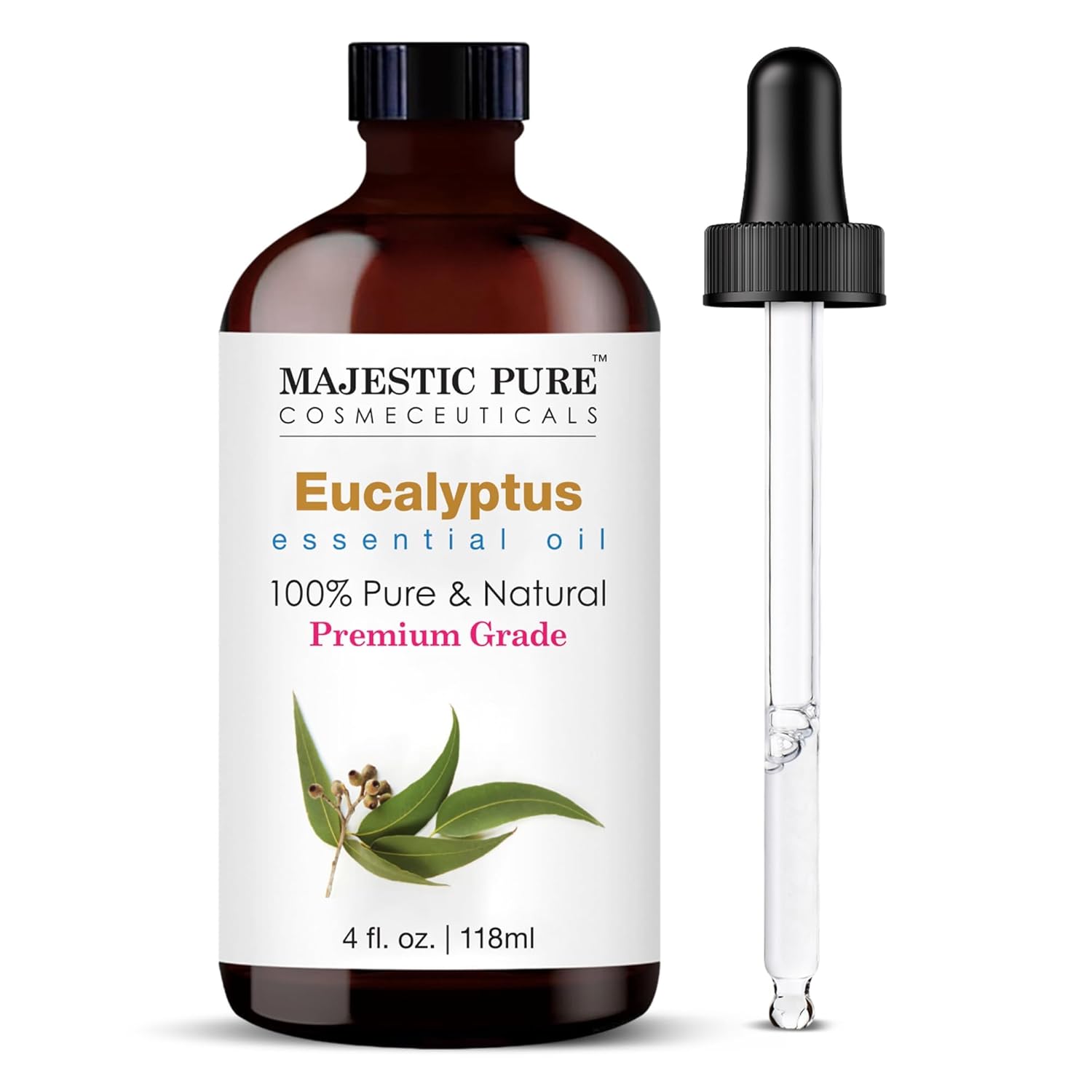
Recommended Products
Understanding the aromatic layers of Eucalyptus Essential Oil
Top Notes
Heart Notes
Base Notes
Scent Evolution
Top Notes: First impression, evaporate quickly (15-30 min)
Heart Notes: Main character, last 2-4 hours
Base Notes: Lasting foundation, linger for hours
Complementary essential oils that pair beautifully with Eucalyptus Essential Oil
Angelica Essential Oil
Angelica archangelica
✓complementary therapeutic properties
Angelica Root Essential Oil
Angelica archangelica
✓enhanced aromatherapy benefits
Anise Essential Oil
Pimpinella anisum
✓similar chemical compositions
Anise Star Essential Oil
Illicium verum
✓similar chemical compositions
Balsam Fir Essential Oil
Abies balsamea
✓balanced scent profile
Basil Essential Oil
Ocimum basilicum
✓enhanced aromatherapy benefits
Blending Tips
- • Start with 2-3 oils for simple blends
- • Use 3-5 drops total per 10ml carrier oil
- • Let blends sit for 24-48 hours to marry
- • Test on a small skin area first
Calculating for: Eucalyptus Essential Oil
Recommended: 2% | Max safe: 5%
29.57 ml
Your Recipe
0.59 ml
28.98 ml
💡 Dilution Tips
- • Always do a patch test before full application
- • Children and elderly need lower dilutions (1-2%)
- • Facial products should be gentle (0.5-1%)
- • 1 drop ≈ 0.05 ml (20 drops per ml)
- • Common carrier oils: fractionated coconut, jojoba, sweet almond
Recipes Using Eucalyptus Essential Oil
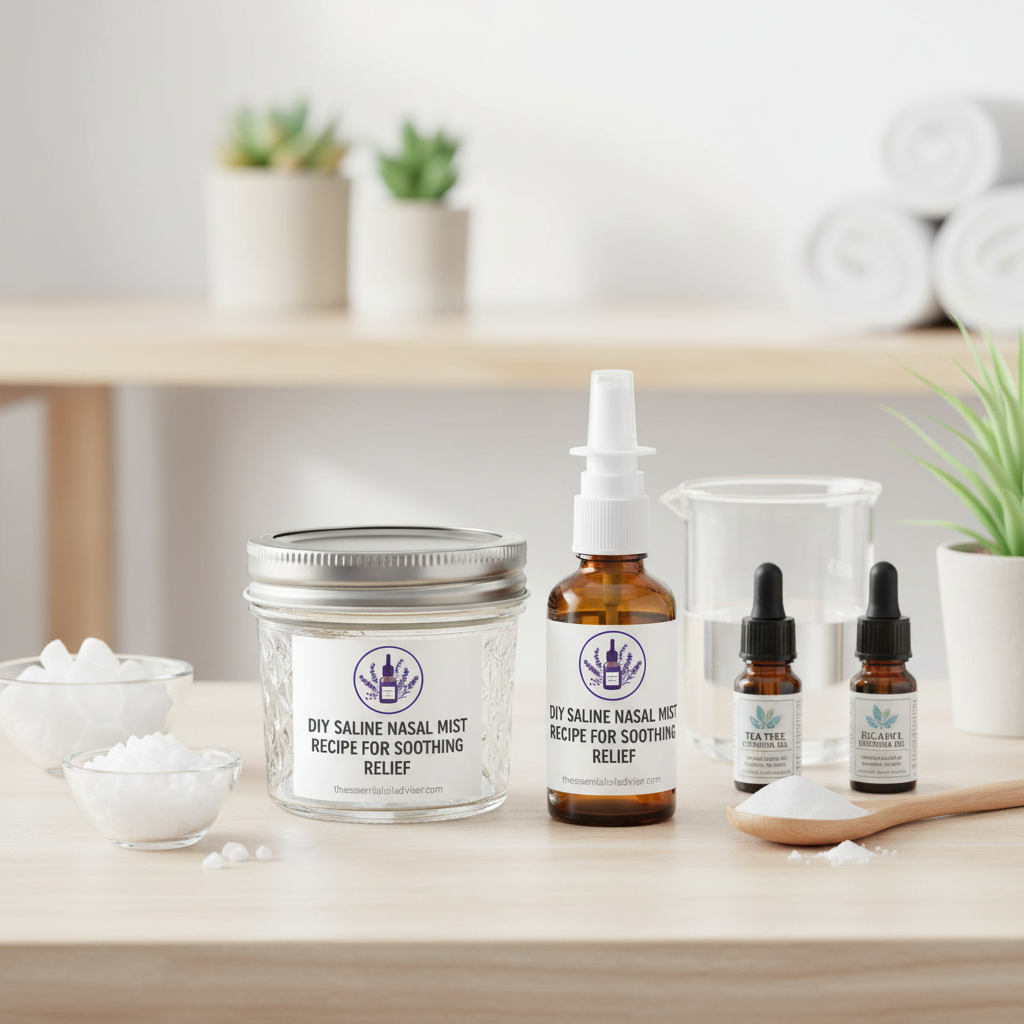
DIY Saline Nasal Mist Recipe for Soothing Relief
Discover how this DIY saline nasal mist recipe can provide natural relief for nasal congestion and enhance your respiratory health.
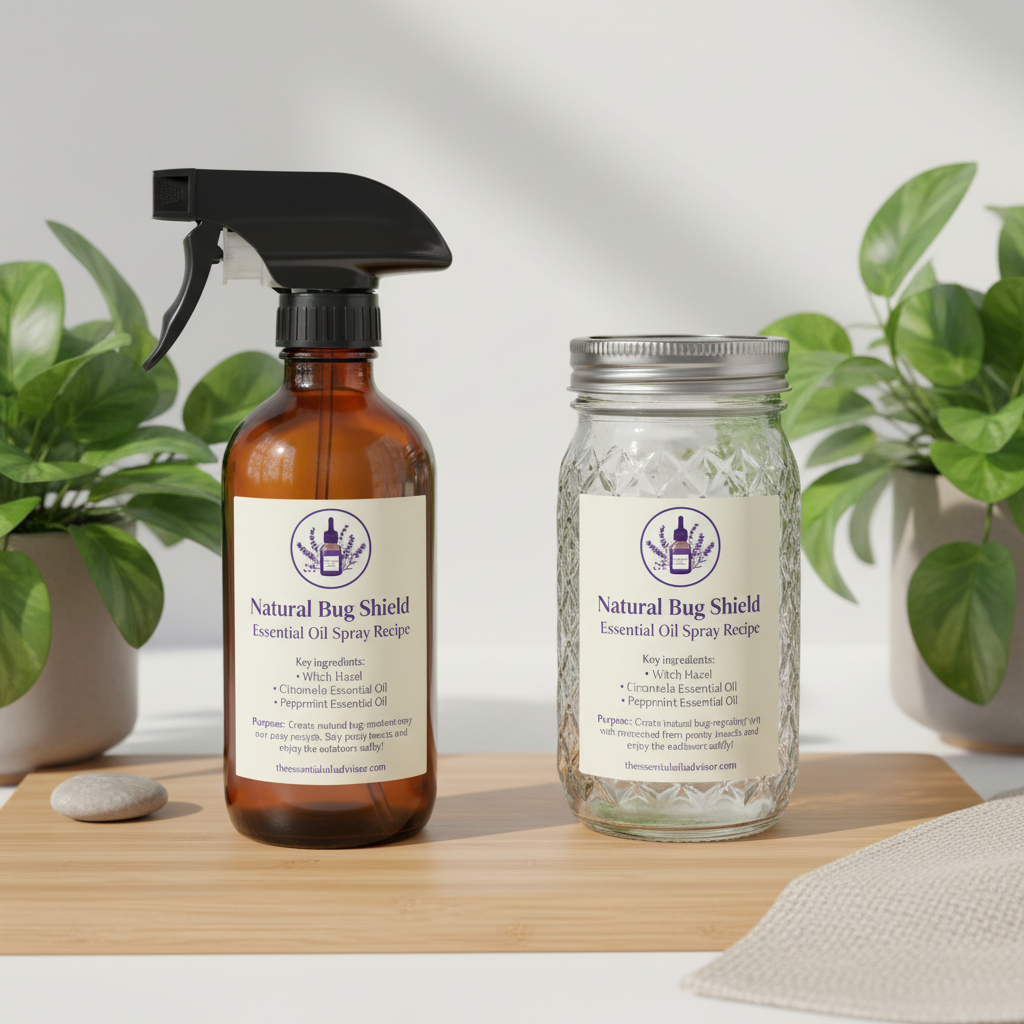
Natural Bug Shield Essential Oil Spray Recipe
Create a natural bug-repellent spray with our easy recipe. Stay protected from pesky insects and enjoy the outdoors safely!

Refreshing Brenaige Headache Relief Inhaler Recipe
Discover the ultimate inhaler recipe using essential oils that eases headache pain and promotes relaxation for a soothing experience.