Natural Bug Shield Essential Oil Spray Recipe
Create a natural bug-repellent spray with our easy recipe. Stay protected from pesky insects and enjoy the outdoors safely!
Benefits & What to Expect
What is This Recipe Good For?
Creating a natural bug-repelling spray is a smart solution for anyone who loves the outdoors yet wants to avoid pesky insect bites. Our Natural Bug Shield Essential Oil Spray Recipe combines the pest-repelling properties of essential oils with gentle base ingredients, making it suitable for various activities like hiking, picnics, gardening, and more. Whether you’re gearing up for a camping trip or enjoying a backyard barbecue, this refreshing spray helps keep unwanted bugs at bay, enabling you to relish nature’s serenity without interruption.
Not only is this recipe beneficial for personal use, but it also makes a thoughtful gift for friends and family who appreciate natural health solutions. Unlike conventional bug sprays filled with harsh chemicals, this DIY recipe utilizes household ingredients and essential oils renowned for their insect-repelling capabilities. It’s easy to prepare, and you can customize the scent to your preference, ensuring a unique experience for everyone who uses it.
Purpose and Who It Helps
This effective bug-repellent spray is designed for outdoor enthusiasts, families looking for safer alternatives to traditional chemical-laden repellents, and anyone aiming to protect themselves from insect bites. It helps repel mosquitoes, flies, and other common pests, making it a perfect choice for parents wanting to safeguard their children while spending time outdoors. Moreover, using essential oils provides a pleasant aromatic experience, allowing you to connect more deeply with nature.
Ingredient Breakdown
Let’s take a closer look at the ingredients used in this bug repellent spray:
- Witch Hazel (6 oz): This natural astringent acts as the base of the spray, offering skin-soothing properties that help minimize irritation from insect bites and make the spray gentler on the skin.
- Distilled Water (2 oz): This serves as the primary diluent, ensuring even distribution of the essential oils and safe application on the skin.
- Citronella Essential Oil (30 drops): Known as a powerful insect repellent, citronella is highly effective against mosquitoes, making it a staple ingredient in outdoor sprays.
- Lavender Essential Oil (20 drops): Not only does this provide a calming floral aroma, but lavender also has insect-repelling properties, deterring various pests like moths and fleas.
- Peppermint Essential Oil (10 drops): Offers a refreshing scent while effectively repelling ants and mosquitoes.
Usage Scenarios and Practical Tips
To use your Natural Bug Shield Essential Oil Spray, shake the bottle well before each use to blend the ingredients properly. Spray generously on exposed skin and clothing while avoiding your face and eyes. For optimal protection, reapply every 2-3 hours, particularly during outdoor activities where you may sweat or after swimming. Consider carrying a small, travel-sized spray in your bag for easy access during hikes or excursions.
Additionally, this spray can be used around your home. Consider applying it on door frames and patios to create a barrier against unwanted insects—just remember to avoid applying it directly on plants to protect your garden’s health.
Results Timeline
Immediately after application, you should notice a reduction in insect activity around you. However, effectiveness can vary based on environmental factors like temperature, humidity, and your unique body chemistry. You may find that frequent reapplication is needed initially until you establish a routine that works best for you in different conditions.
As you continue using this spray, you might discover preferences for specific essential oils, allowing you to adapt and further customize the recipe to enhance your outdoor experiences.
Safety and Dilution Guidance
- Patch Test: Always perform a patch test on a small area of skin before using, especially if you have sensitive skin or are prone to allergies.
- Avoid Eyes: Keep the spray away from eyes and mucous membranes to prevent irritation.
- Do Not Ingest: Remember that essential oils should not be ingested and must be kept out of reach of children and pets.
- Proper Storage: Store your spray in a cool, dark place to preserve the integrity of the essential oils.
How to Make Bug Shield Essential Oil Spray
- Begin by adding 30 drops of Citronella Essential Oil into a clean glass spray bottle.
- Next, add 20 drops of Lavender Essential Oil.
- Include 10 drops of Peppermint Essential Oil.
- Using a funnel, pour 6 oz of Witch Hazel into the bottle.
- Then, add 2 oz of Distilled Water.
- Secure the spray top and shake the bottle vigorously to combine all ingredients thoroughly.
- Shake well before each use! Spray generously on exposed skin and clothing, avoiding your face and eyes. Reapply every 2-3 hours or as needed. Feel free to adjust the scent by increasing the number of essential oil drops or swapping Lavender for alternatives like Eucalyptus or Tea Tree oil, keeping the total essential oil volume within safe limits.
By harnessing nature's gifts, you can enjoy fun-filled outdoor adventures while staying protected from pesky bugs!
What This is Good For
- Repelling mosquitoes
- Deterring flies
- Preventing insect bites
- Natural insect repellent
- Outdoor activities
How to Use
Shake the bottle well before each use. Spray generously on exposed skin and clothing, avoiding the face and eyes. Reapply every 2-3 hours or as needed, especially after swimming or sweating.
Original Recipe (below is the converted recipe into different container sizes)
- 5.75 ozWitch Hazel
- 1.75 ozDistilled Water
- 1.5 mlCitronella Essential Oil
- 1 mlLavender Essential Oil
- 0.5 mlPeppermint Essential Oil
Instructions
- 1
Add the Citronella Essential Oil (see the ingredients list for the exact amount) to the glass spray bottle.
- 2
Add the Lavender Essential Oil (see the ingredients list for the exact amount).
- 3
Add the Peppermint Essential Oil (see the ingredients list for the exact amount).
- 4
Using a funnel, pour the Witch Hazel (see the ingredients list for the exact amount) into the bottle.
- 5
Add the Distilled Water (see the ingredients list for the exact amount) to the bottle.
- 6
Secure the spray top and shake well to combine all ingredients.
Scaled Ingredients
2 oz to 8 oz
| Ingredient | 2 oz | 4 oz | 8 oz |
|---|---|---|---|
| Witch Hazel | 1.5 oz | 3 oz | 6 oz |
| Distilled Water | 0.5 oz | 1 oz | 1.75 oz |
| Citronella Essential Oil | 0.5 ml | 0.75 ml | 1.5 ml |
| Lavender Essential Oil | 0.25 ml | 0.5 ml | 1 ml |
| Peppermint Essential Oil | 0.25 ml | 0.25 ml | 0.5 ml |
16 oz to 128 oz
| Ingredient | 16 oz | 32 oz | 64 oz | 128 oz |
|---|---|---|---|---|
| Witch Hazel | 12 oz | 24.25 oz | 48.5 oz | 96.75 oz |
| Distilled Water | 3.75 oz | 7.25 oz | 14.75 oz | 29.5 oz |
| Citronella Essential Oil | 3.25 ml | 6.25 ml | 12.75 ml | 25.25 ml |
| Lavender Essential Oil | 2 ml | 4.25 ml | 8.5 ml | 16.75 ml |
| Peppermint Essential Oil | 1 ml | 2 ml | 4.25 ml | 8.5 ml |
Looking for something else?
Essential Oils Used
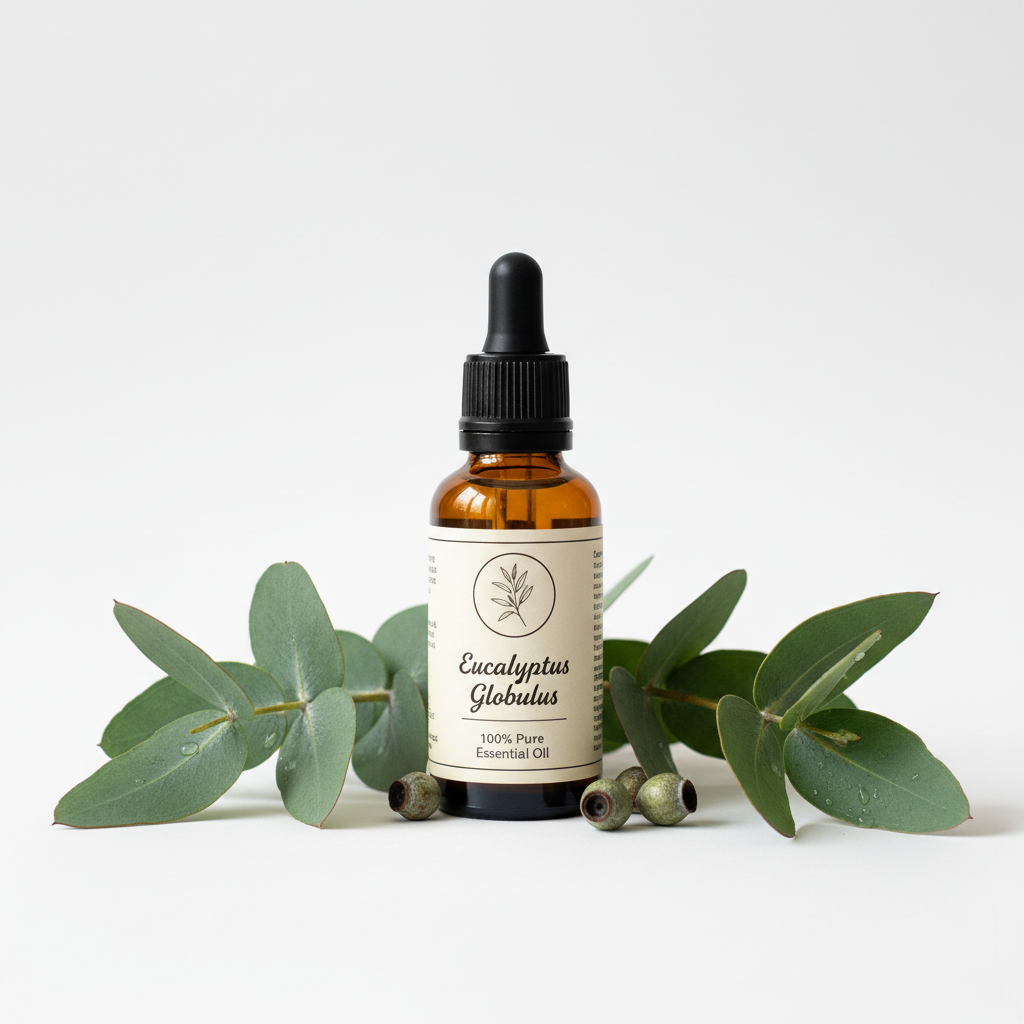
Eucalyptus Essential Oil
Eucalyptus globulus
Eucalyptus essential oil is a powerful and refreshing oil known for its wide range of therapeutic properties. This aromatic oil is extracted from the leaves of the eucalyptus tree, specifically from the species Eucalyptus globulus, which is native to Australia. The leaves are typically steam distilled to capture the pure essence of the plant, resulting in an oil that is both invigorating and beneficial for various health issues. ### Origin and Extraction Method The eucalyptus tree, often referred to as the "blue gum tree," thrives in warm climates and can grow up to 50 meters tall. The oil is extracted from fresh leaves through a process called steam distillation, where steam passes through the plant material, vaporizing the essential oil. Once cooled, the resulting liquid separates into water and oil, with the essential oil floating on top due to its lighter density. ### Botanical Information Eucalyptus is part of the Myrtaceae family and has over 700 species, but the most commonly used for essential oil production is the Eucalyptus globulus. This evergreen tree has a distinctive aroma, and its leaves contain a significant amount of cineole (also known as eucalyptol), which is responsible for many of its therapeutic properties. ### Therapeutic Properties and Benefits Eucalyptus essential oil is known for its impressive therapeutic attributes. It is often used in aromatherapy to promote respiratory health. The oil's expectorant properties help clear mucus and phlegm from the airways, making it particularly helpful for conditions such as colds, coughs, and sinusitis. Furthermore, the refreshing scent can help boost mental clarity and focus, making it an excellent oil for those needing an extra mental boost during stressful situations. In addition to respiratory benefits, eucalyptus oil has anti-inflammatory properties, which can soothe sore muscles and relieve tension when used in topical applications or massage blends. Many athletes and fitness enthusiasts incorporate it into their post-workout routines to promote muscle recovery. ### Historical and Traditional Uses Historically, eucalyptus has been used by Indigenous Australians for its healing properties. The leaves were used to treat wounds and fevers due to their antibacterial qualities. In traditional medicine, eucalyptus oil was often utilized for its analgesic (pain-relieving) and antipyretic (fever-reducing) effects. ### Scientific Facts and Research Research has shown that eucalyptus essential oil possesses antimicrobial properties, making it effective against certain bacteria and fungi. Scientific studies have also highlighted its potential benefits for respiratory health, showcasing its ability to improve lung function and reduce inflammation in the airways. As more research is conducted, the therapeutic applications of eucalyptus oil continue to expand, confirming its place as a staple in natural health remedies. ### Aroma Profile and Characteristics Eucalyptus essential oil has a fresh, medicinal, and slightly sweet aroma that invigorates the senses. The distinctive scent is often described as clean and crisp, resembling that of menthol, which can provide a cooling sensation when inhaled. ### Common Applications and Methods Eucalyptus oil can be used in various ways: - **Aromatherapy**: Diffuse a few drops in a diffuser to clean the air and promote respiratory health. - **Topical Use**: Dilute with a carrier oil (such as coconut or jojoba oil) for massage or to relieve muscle soreness. - **Bath Additive**: Add a few drops to bathwater for a refreshing, invigorating soak. - **Steam Inhalation**: Add a few drops to a bowl of hot water, cover your head with a towel, and inhale the steam for congestion relief. ### Interesting Facts and Trivia - The eucalyptus tree is not only valued for its oil; its wood is also used in construction and furniture making due to its durability. - Eucalyptus oil is a common ingredient in many over-the-counter cough and cold preparations. - In Australia, the leaves of the eucalyptus tree are the primary food source for koalas, which have an incredible ability to digest the tough eucalypt leaves. In conclusion, eucalyptus essential oil is a remarkable oil with a rich history and a variety of applications in health and wellness. Its benefits for respiratory health, combined with its invigorating aroma, make it a favorite among essential oil users. Whether you are new to essential oils or an experienced user, adding eucalyptus essential oil to your collection can enhance your natural health and well-being.
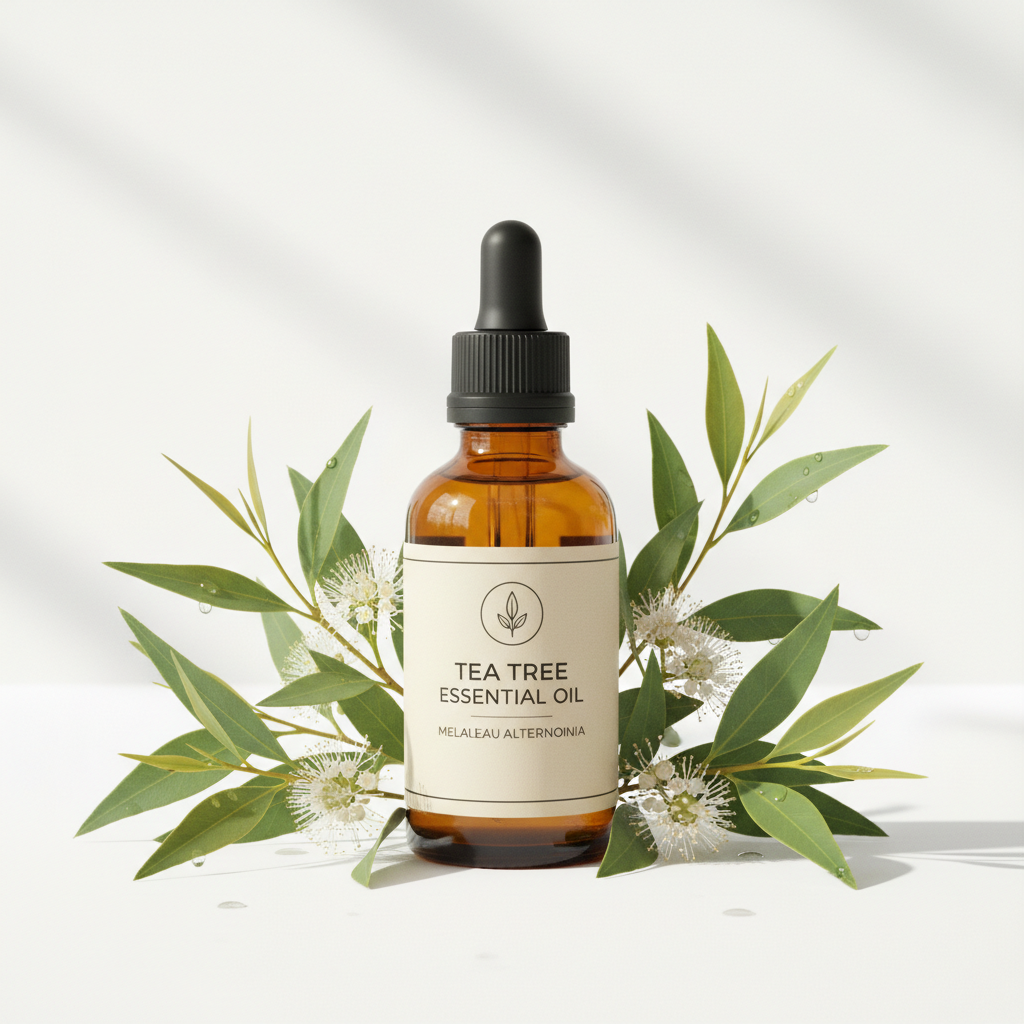
Tea Tree Essential Oil
Melaleuca alternifolia
### What is Tea Tree Essential Oil? Tea Tree essential oil, derived from the leaves of the *Melaleuca alternifolia* plant, is an essential oil praised for its powerful antiseptic and healing properties. Native to Australia, this potent oil has been utilized for centuries, both by indigenous Australians and modern herbalists, for its myriad of therapeutic benefits. ### Origin and Extraction Method Tea Tree oil is extracted through steam distillation of the fresh leaves and twigs of the Tea Tree plant, which is a small tree or shrub indigenous to the southeastern regions of Australia. The extraction process captures the naturally occurring compounds within the plant, yielding a highly concentrated oil rich in beneficial components such as terpinen-4-ol, which is known for its antiseptic qualities. ### Botanical Information The botanical name for Tea Tree is *Melaleuca alternifolia,* belonging to the Myrtaceae family. This evergreen shrub can grow up to 7 meters tall and features narrow leaves and clusters of white flowers. The indigenous population has long recognized the therapeutic potential of this plant, using it as a traditional remedy for various ailments. ### Therapeutic Properties and Benefits Tea Tree essential oil is renowned for its numerous health benefits. Here are some of the key therapeutic properties: - **Antiseptic:** Tea Tree oil is famously known for its ability to fight bacteria and fungi, making it a go-to oil for treating minor cuts and abrasions. - **Anti-inflammatory:** It helps reduce redness and swelling on the skin, thus supporting skin healing. - **Antiviral:** Useful in combating viruses, Tea Tree oil can bolster the immune system, helping to fend off colds and infections. - **Expectorant:** The oil can help clear respiratory pathways, making it beneficial for respiratory health. ### Historical and Traditional Uses Historically, Tea Tree oil was used by Australian Aborigines for bruises, cuts, and skin infections. They crushed the leaves and applied them directly to wounds. In modern herbal medicine, it is used in various formulations, from skin care products to aromatherapy blends. The oil gained global popularity due to its effectiveness and versatility in treating skin conditions, as well as its potent antibacterial qualities. ### Scientific Facts and Research Recent studies have highlighted the efficacy of Tea Tree essential oil in treating skin conditions like acne, athlete's foot, and dandruff. A review published in the *Journal of Dermatology* established that Tea Tree oil is effective against *Propionibacterium acnes,* the bacteria responsible for acne. Research has also shown that it possesses anti-inflammatory effects, making it a valuable component in the treatment of inflammatory skin diseases. ### Aroma Profile and Characteristics Tea Tree essential oil features a fresh, medicinal aroma with earthy, woody undertones. Its unique scent is invigorating and can promote a sense of cleanliness and focus. The aroma is often described as fresh and camphorous, making it a popular component in cleansing products. ### Common Applications and Methods Tea Tree oil can be used in several ways: - **Skincare**: Diluted with a carrier oil for topical applications, it can be used to treat cuts, insect bites, and minor skin irritations. - **Aromatherapy**: Adding a few drops to a diffuser can promote relaxation and mental clarity. - **Household Cleaner**: Its antibacterial properties make it suitable for natural cleaning solutions. - **Hair Care**: Incorporating it in shampoos can help alleviate dandruff and itchy scalp. ### Interesting Facts and Trivia - Tea Tree oil was first discovered by Captain James Cook, who noted the Aborigines using the leaves for medicinal purposes. - It is believed that just a small amount of Tea Tree oil can have a powerful effect when used in skincare routines. - In aromatherapy, it is often combined with other essential oils like lavender for enhanced benefits. In conclusion, Tea Tree essential oil is a versatile and potent oil with numerous benefits for health and wellness. Whether you're using it for skin care, inhalation for respiratory issues, or as a natural cleaner, the myriad of uses make it a staple in holistic therapies and natural health practices. Add Tea Tree essential oil to your collection for an effective tool in maintaining good health and hygiene.