DIY Saline Nasal Mist Recipe for Soothing Relief
Discover how this DIY saline nasal mist recipe can provide natural relief for nasal congestion and enhance your respiratory health.
Benefits & What to Expect
Benefits & What to Expect
What is This Recipe Good For?
The DIY Saline Nasal Mist Recipe for Soothing Relief is designed to provide a gentle, natural remedy for nasal congestion. This recipe can be particularly helpful for individuals experiencing seasonal allergies, colds, or dryness in their nasal passages due to environmental factors. The saline mist helps to moisturize and flush away irritants, promoting a clearer, more comfortable breathing experience.
Purpose and Who It Helps
This nasal mist is suited for adults and children alike who may benefit from soothing nasal relief. By using simple, ingredients, this recipe caters to those looking for a natural alternative to over-the-counter medications. It can also serve as an aid in enhancing respiratory health, making it a fantastic choice for anyone who regularly faces respiratory discomfort.
Ingredient Breakdown
- Distilled Water (1.3 oz / 38 ml) – Serves as the base of the solution, providing a clean and safe moisture source.
- Non-Iodized Salt (0.1 oz / 3 g) – Adds saline properties that help to thin mucus and decrease congestion.
- Baking Soda (0.05 oz / 1 g) – Balances the pH of the solution, making it gentler on the nasal passages.
- Menthol Crystals (a small pinch, optional) – Provides a refreshing cooling effect, helping to enhance breathing.
- Tea Tree Essential Oil (1 drop, optional) – May help reduce the presence of nasal irritants with its natural antibacterial properties.
- Eucalyptus Essential Oil (1 drop, optional) – Offers added relief by promoting clear airways, known for its soothing aroma.
Each ingredient works synergistically to provide a safe and effective nasal care solution.
Usage Scenarios and Practical Tips
The saline nasal mist can be used in various situations, including:
- After exposure to allergens such as pollen or dust.
- When experiencing symptoms of a cold or flu.
- During dry seasons or in air-conditioned environments, where nasal tissues might become irritated.
Practical Tips:
- Spray into each nostril as needed, but avoid excessive use to prevent dryness of the nasal passages.
- To enhance the effects, use it before bed or during allergy season for optimal comfort before sleep.
Always ensure to use a clean spray bottle to maintain hygiene and avoid contamination.
Results Timeline
Users may begin to notice effects shortly after spraying, as the saline solution works to moisturize and soothe the nasal membranes. Generally, mild relief can be felt immediately, while more significant benefits, like reduced congestion, can be seen with regular use. Individuals may find it beneficial to use the saline mist multiple times a day for persistent symptoms, but respecting the body's natural rhythms is key.
Safety and Dilution Guidance
The saline nasal mist is safe for multiple uses throughout the day but should be used judiciously to prevent any potential drying of the nasal passages.
Safety Notes:
- Avoid overuse, which might dry out nasal tissues and aggravate discomfort.
- If you experience any irritation or unusual symptoms, discontinue use and consult with a healthcare professional.
- Always ensure the essential oils used are of high quality and appropriate for nasal use to avoid adverse reactions.
In conclusion, the DIY Saline Nasal Mist Recipe offers an accessible and natural way to support respiratory health and alleviate nasal congestion while ensuring safety and gentle care for your nasal passages.
How to Use
Spray into each nostril as needed for relief from congestion. Avoid excessive use to prevent dryness of the nasal passages.
Original Recipe (below is the converted recipe into different container sizes)
- 1.25 ozDistilled Water
- 0.1 ozNon-Iodized Salt
- 0.05 ozBaking Soda
- A small pinch (optional)Menthol Crystals
- 0.05 mlTea Tree Essential Oil
- 0.05 mlEucalyptus Essential Oil
Equipment
Instructions
- 1
Prepare Your Workspace: Clean your working area and sanitize all utensils. Ensure your hands are washed thoroughly before beginning.
- 2
Heat the Water (Optional): Pour the distilled water (see the ingredients list for the exact amount) into a small saucepan. Heat gently until warm but not boiling. This helps dissolve the salt and baking soda more effectively.
- 3
Combine the Ingredients: Stir in the non-iodized salt (see the ingredients list for the exact amount) and the baking soda until fully dissolved (see the ingredients list for the exact amount).
- 4
Incorporate Optional Ingredients: For an invigorating effect, consider adding a small pinch of menthol crystals or the essential oil (see the ingredients list for the exact amount). Use these sparingly.
- 5
Cool the Solution: Allow the saline solution to cool to room temperature before transferring it to a bottle.
- 6
Fill the Spray Bottle: Carefully pour the cooled solution into the the spray bottle using a funnel (see the ingredients list for the exact amount) to prevent spills.
- 7
Label and Store: Label the bottle with the preparation date and contents. Store in a cool, dry place away from sunlight.
Scaled Ingredients
2 oz to 8 oz
| Ingredient | 2 oz | 4 oz | 8 oz |
|---|---|---|---|
| Distilled Water | 1.75 oz | 3.5 oz | 7.25 oz |
| Non-Iodized Salt | 0.25 oz | 0.25 oz | 0.5 oz |
| Baking Soda | 0.0688051 oz | 0.25 oz | 0.25 oz |
| Menthol Crystals | A small pinch | A small pinch | A small pinch |
| Tea Tree Essential Oil | 0.0688051 ml | 0.25 ml | 0.25 ml |
| Eucalyptus Essential Oil | 0.0688051 ml | 0.25 ml | 0.25 ml |
16 oz to 128 oz
| Ingredient | 16 oz | 32 oz | 64 oz | 128 oz |
|---|---|---|---|---|
| Distilled Water | 14.25 oz | 28.5 oz | 57.25 oz | 114.5 oz |
| Non-Iodized Salt | 1 oz | 2.25 oz | 4.5 oz | 8.75 oz |
| Baking Soda | 0.5 oz | 1 oz | 2.25 oz | 4.5 oz |
| Menthol Crystals | A small pinch | A small pinch | A small pinch | A small pinch |
| Tea Tree Essential Oil | 0.5 ml | 1 ml | 2.25 ml | 4.5 ml |
| Eucalyptus Essential Oil | 0.5 ml | 1 ml | 2.25 ml | 4.5 ml |
Looking for something else?
Essential Oils Used
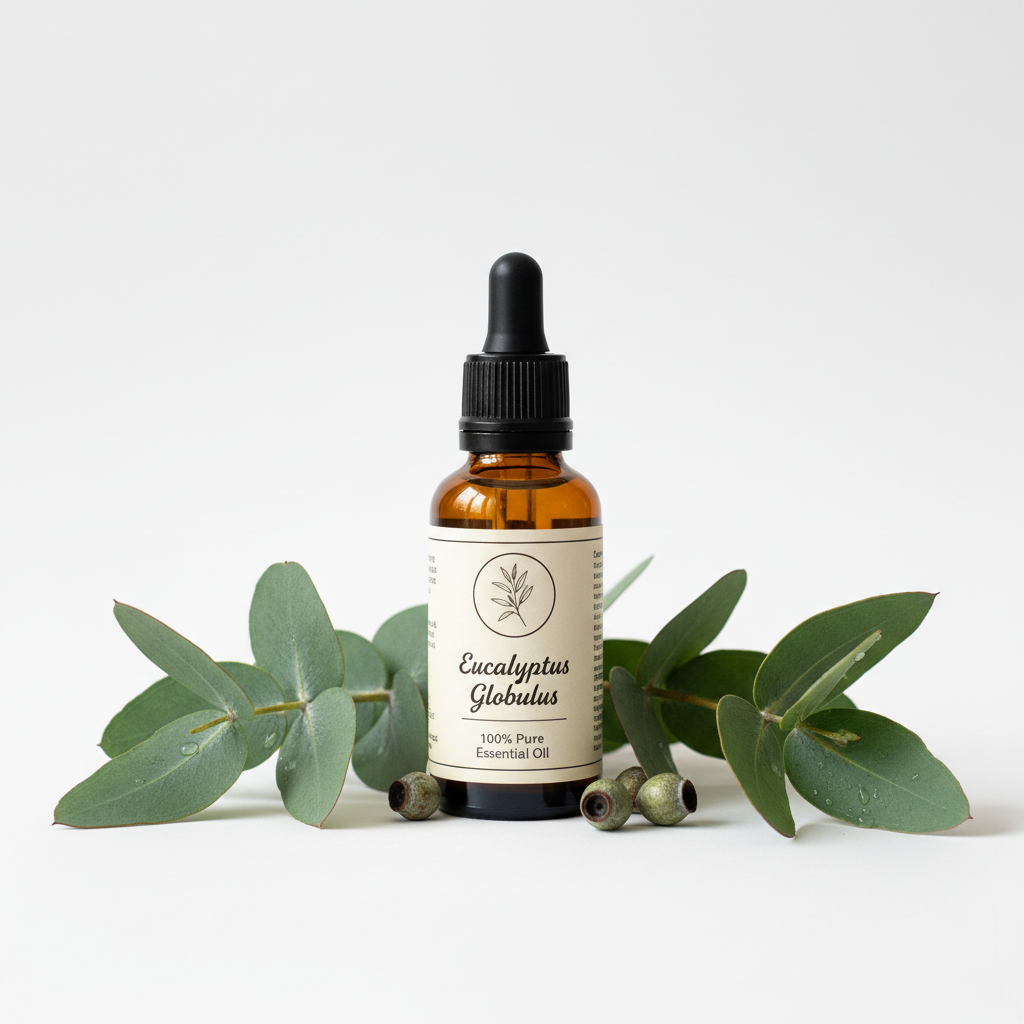
Eucalyptus Essential Oil
Eucalyptus globulus
Eucalyptus essential oil is a powerful and refreshing oil known for its wide range of therapeutic properties. This aromatic oil is extracted from the leaves of the eucalyptus tree, specifically from the species Eucalyptus globulus, which is native to Australia. The leaves are typically steam distilled to capture the pure essence of the plant, resulting in an oil that is both invigorating and beneficial for various health issues. ### Origin and Extraction Method The eucalyptus tree, often referred to as the "blue gum tree," thrives in warm climates and can grow up to 50 meters tall. The oil is extracted from fresh leaves through a process called steam distillation, where steam passes through the plant material, vaporizing the essential oil. Once cooled, the resulting liquid separates into water and oil, with the essential oil floating on top due to its lighter density. ### Botanical Information Eucalyptus is part of the Myrtaceae family and has over 700 species, but the most commonly used for essential oil production is the Eucalyptus globulus. This evergreen tree has a distinctive aroma, and its leaves contain a significant amount of cineole (also known as eucalyptol), which is responsible for many of its therapeutic properties. ### Therapeutic Properties and Benefits Eucalyptus essential oil is known for its impressive therapeutic attributes. It is often used in aromatherapy to promote respiratory health. The oil's expectorant properties help clear mucus and phlegm from the airways, making it particularly helpful for conditions such as colds, coughs, and sinusitis. Furthermore, the refreshing scent can help boost mental clarity and focus, making it an excellent oil for those needing an extra mental boost during stressful situations. In addition to respiratory benefits, eucalyptus oil has anti-inflammatory properties, which can soothe sore muscles and relieve tension when used in topical applications or massage blends. Many athletes and fitness enthusiasts incorporate it into their post-workout routines to promote muscle recovery. ### Historical and Traditional Uses Historically, eucalyptus has been used by Indigenous Australians for its healing properties. The leaves were used to treat wounds and fevers due to their antibacterial qualities. In traditional medicine, eucalyptus oil was often utilized for its analgesic (pain-relieving) and antipyretic (fever-reducing) effects. ### Scientific Facts and Research Research has shown that eucalyptus essential oil possesses antimicrobial properties, making it effective against certain bacteria and fungi. Scientific studies have also highlighted its potential benefits for respiratory health, showcasing its ability to improve lung function and reduce inflammation in the airways. As more research is conducted, the therapeutic applications of eucalyptus oil continue to expand, confirming its place as a staple in natural health remedies. ### Aroma Profile and Characteristics Eucalyptus essential oil has a fresh, medicinal, and slightly sweet aroma that invigorates the senses. The distinctive scent is often described as clean and crisp, resembling that of menthol, which can provide a cooling sensation when inhaled. ### Common Applications and Methods Eucalyptus oil can be used in various ways: - **Aromatherapy**: Diffuse a few drops in a diffuser to clean the air and promote respiratory health. - **Topical Use**: Dilute with a carrier oil (such as coconut or jojoba oil) for massage or to relieve muscle soreness. - **Bath Additive**: Add a few drops to bathwater for a refreshing, invigorating soak. - **Steam Inhalation**: Add a few drops to a bowl of hot water, cover your head with a towel, and inhale the steam for congestion relief. ### Interesting Facts and Trivia - The eucalyptus tree is not only valued for its oil; its wood is also used in construction and furniture making due to its durability. - Eucalyptus oil is a common ingredient in many over-the-counter cough and cold preparations. - In Australia, the leaves of the eucalyptus tree are the primary food source for koalas, which have an incredible ability to digest the tough eucalypt leaves. In conclusion, eucalyptus essential oil is a remarkable oil with a rich history and a variety of applications in health and wellness. Its benefits for respiratory health, combined with its invigorating aroma, make it a favorite among essential oil users. Whether you are new to essential oils or an experienced user, adding eucalyptus essential oil to your collection can enhance your natural health and well-being.
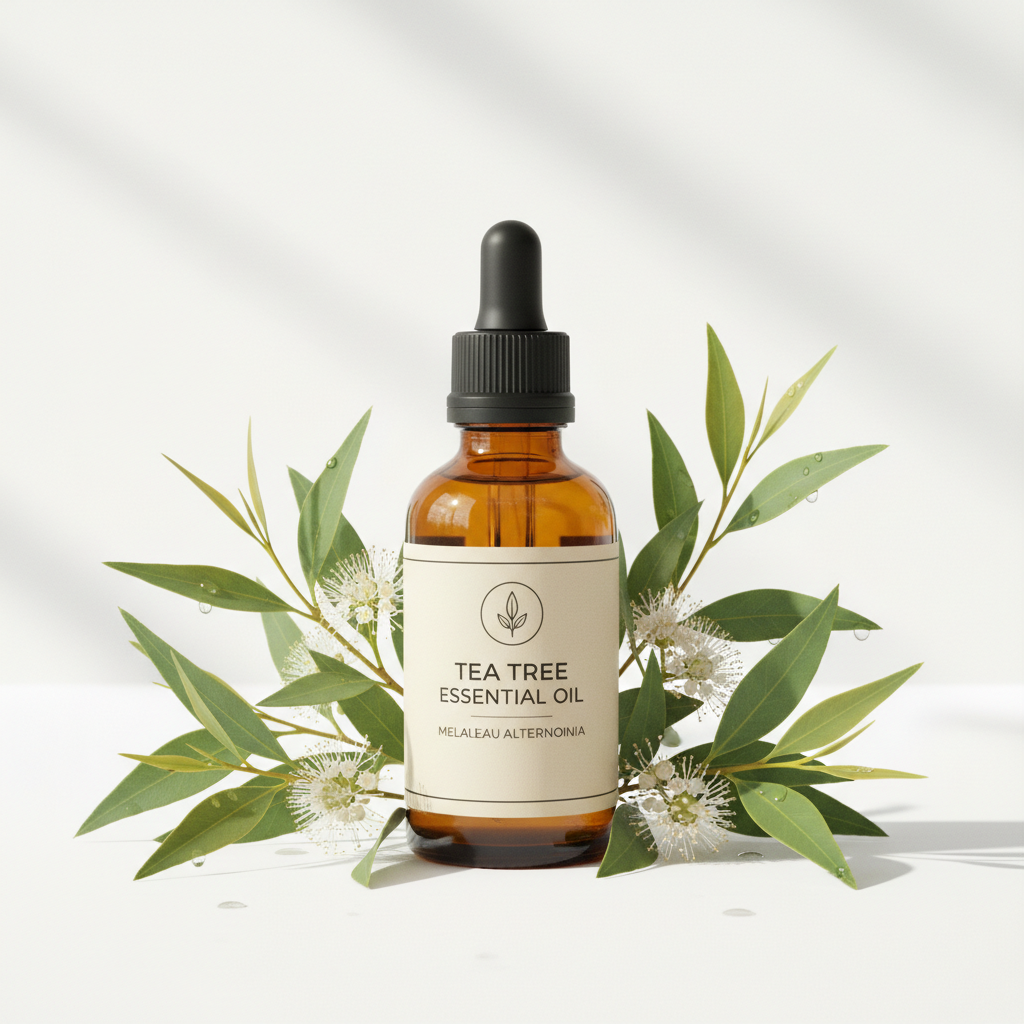
Tea Tree Essential Oil
Melaleuca alternifolia
### What is Tea Tree Essential Oil? Tea Tree essential oil, derived from the leaves of the *Melaleuca alternifolia* plant, is an essential oil praised for its powerful antiseptic and healing properties. Native to Australia, this potent oil has been utilized for centuries, both by indigenous Australians and modern herbalists, for its myriad of therapeutic benefits. ### Origin and Extraction Method Tea Tree oil is extracted through steam distillation of the fresh leaves and twigs of the Tea Tree plant, which is a small tree or shrub indigenous to the southeastern regions of Australia. The extraction process captures the naturally occurring compounds within the plant, yielding a highly concentrated oil rich in beneficial components such as terpinen-4-ol, which is known for its antiseptic qualities. ### Botanical Information The botanical name for Tea Tree is *Melaleuca alternifolia,* belonging to the Myrtaceae family. This evergreen shrub can grow up to 7 meters tall and features narrow leaves and clusters of white flowers. The indigenous population has long recognized the therapeutic potential of this plant, using it as a traditional remedy for various ailments. ### Therapeutic Properties and Benefits Tea Tree essential oil is renowned for its numerous health benefits. Here are some of the key therapeutic properties: - **Antiseptic:** Tea Tree oil is famously known for its ability to fight bacteria and fungi, making it a go-to oil for treating minor cuts and abrasions. - **Anti-inflammatory:** It helps reduce redness and swelling on the skin, thus supporting skin healing. - **Antiviral:** Useful in combating viruses, Tea Tree oil can bolster the immune system, helping to fend off colds and infections. - **Expectorant:** The oil can help clear respiratory pathways, making it beneficial for respiratory health. ### Historical and Traditional Uses Historically, Tea Tree oil was used by Australian Aborigines for bruises, cuts, and skin infections. They crushed the leaves and applied them directly to wounds. In modern herbal medicine, it is used in various formulations, from skin care products to aromatherapy blends. The oil gained global popularity due to its effectiveness and versatility in treating skin conditions, as well as its potent antibacterial qualities. ### Scientific Facts and Research Recent studies have highlighted the efficacy of Tea Tree essential oil in treating skin conditions like acne, athlete's foot, and dandruff. A review published in the *Journal of Dermatology* established that Tea Tree oil is effective against *Propionibacterium acnes,* the bacteria responsible for acne. Research has also shown that it possesses anti-inflammatory effects, making it a valuable component in the treatment of inflammatory skin diseases. ### Aroma Profile and Characteristics Tea Tree essential oil features a fresh, medicinal aroma with earthy, woody undertones. Its unique scent is invigorating and can promote a sense of cleanliness and focus. The aroma is often described as fresh and camphorous, making it a popular component in cleansing products. ### Common Applications and Methods Tea Tree oil can be used in several ways: - **Skincare**: Diluted with a carrier oil for topical applications, it can be used to treat cuts, insect bites, and minor skin irritations. - **Aromatherapy**: Adding a few drops to a diffuser can promote relaxation and mental clarity. - **Household Cleaner**: Its antibacterial properties make it suitable for natural cleaning solutions. - **Hair Care**: Incorporating it in shampoos can help alleviate dandruff and itchy scalp. ### Interesting Facts and Trivia - Tea Tree oil was first discovered by Captain James Cook, who noted the Aborigines using the leaves for medicinal purposes. - It is believed that just a small amount of Tea Tree oil can have a powerful effect when used in skincare routines. - In aromatherapy, it is often combined with other essential oils like lavender for enhanced benefits. In conclusion, Tea Tree essential oil is a versatile and potent oil with numerous benefits for health and wellness. Whether you're using it for skin care, inhalation for respiratory issues, or as a natural cleaner, the myriad of uses make it a staple in holistic therapies and natural health practices. Add Tea Tree essential oil to your collection for an effective tool in maintaining good health and hygiene.