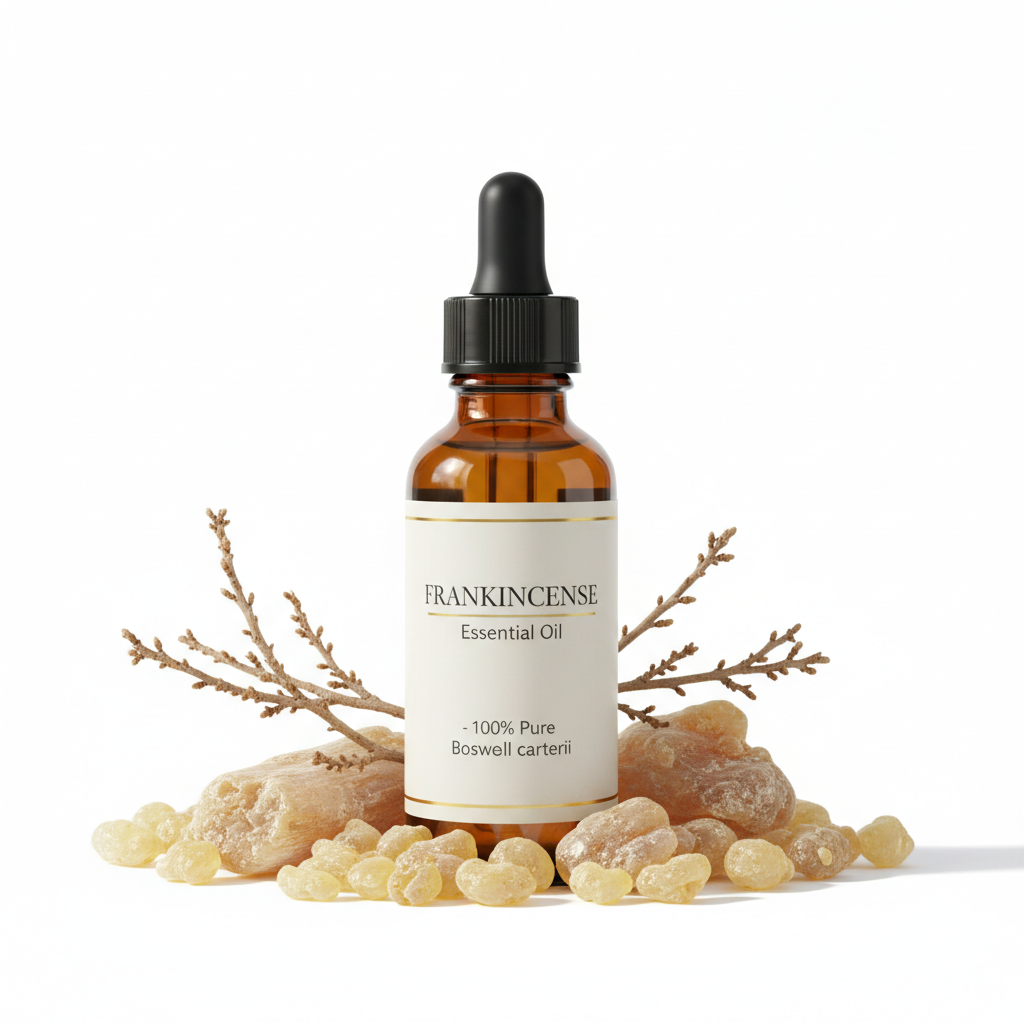
Frankincense Essential Oil
Boswellia carterii
Plant Source
Resin
"Discover the benefits of Frankincense essential oil, its origins, therapeutic properties, traditional uses, and how to incorporate this grounding oil into your daily life."
Frankincense Essential Oil: Origins, Benefits and Applications
Frankincense essential oil is derived from the resin of the Boswellia tree, primarily Boswellia serrata, which is native to the arid regions of Africa and the Arabian Peninsula. The extraction method typically involves steam distillation of the resin, capturing the rich, aromatic compounds that have been utilized by various cultures for thousands of years.
Botanical Information
The Boswellia tree is recognizable for its gnarled branches and waxy green leaves. Frankincense resin is harvested by making incisions in the tree’s bark, allowing the sap to ooze out and harden into tear-shaped lumps. This resin is then collected and subjected to distillation to produce the essential oil, known for its deep, woody, and slightly spicy aroma.
Therapeutic Properties and Benefits
Frankincense essential oil boasts a range of therapeutic properties that have made it a staple in traditional medicine. It is renowned for its:
- Anti-inflammatory effects: Helps reduce inflammation and promote joint health.
- Calming properties: Often used in aromatherapy to alleviate stress and anxiety, promoting a sense of peace.
- Immune support: Research suggests frankincense may enhance the immune system by fighting off viruses and bacteria.
- Cellular health: It has been linked to healthy cell regeneration and may support overall skin health, especially in reducing the appearance of scars and blemishes.
Historical and Traditional Uses
Historically, frankincense has been revered in many cultures. In ancient Egypt, it was used in the embalming process and as a sacred incense in religious rituals. The Three Wise Men famously brought it as a gift to the newborn Jesus, highlighting its value and significance. It has been used in traditional Chinese and Ayurvedic medicine for centuries, showcasing its global importance as a healing oil.
Scientific Facts and Research
Recent studies have delved into the science behind frankincense essential oil. One notable study published in "The Journal of Alternative and Complementary Medicine" found that frankincense oil may possess anti-cancer properties, particularly against certain types of tumors. Additionally, research indicates that the oil's active compounds, such as boswellic acids, may play a crucial role in reducing inflammation and pain, making it a potent ally in holistic health.
Aroma Profile and Characteristics
The aroma of frankincense essential oil is both grounding and uplifting. It’s often described as warm, spicy, and slightly sweet. This complex scent profile makes it an excellent choice for meditation and introspection, as it helps create an atmosphere of tranquility.
Common Applications and Methods
Frankincense essential oil can be used in various ways:
- Aromatherapy: Diffuse the oil in your living space or add a few drops to a warm bath to unwind.
- Topical application: Dilute with a carrier oil and apply directly to the skin to promote cellular health and rejuvenation.
- Massage: Incorporate into your massage oil for an added relaxing effect.
- Skincare: Use in lotions or creams to enhance skin appearance and support healing of blemishes.
Interesting Facts and Trivia
- Frankincense is often referred to as olibanum, derived from the Arabic term “al-lubān” meaning “that which produces milk,” referring to its milky white sap.
- It takes approximately 10 years for a Boswellia tree to produce resin that is suitable for harvesting.
- Frankincense essential oil can also be used in household cleaners due to its antibacterial properties, making it not only a fragrant addition to your home but also a beneficial one.
Conclusion
Frankincense essential oil is much more than just a fragrant oil; its rich heritage, combined with its extensive health benefits, lends it a significant place in both historical and modern wellness practices. By understanding its origins, uses, and benefits, you can seamlessly integrate frankincense essential oil into your daily routine, harnessing its powerful properties in a holistic manner.
Ask AI About Frankincense Essential Oil
Get instant answers about this essential oil
Benefits & Uses
- Promotes feelings of peace
- Supports meditation
- Grounding and centering
- Reduces anxious feelings
- Supports healthy cellular function
- Promotes feelings of relaxation
- Supports immune health
- Reduces appearance of aging
- Supports healthy skin cell renewal
- Evens skin tone
- Reduces appearance of scars
- Meditation space
- Spiritual practices
- Calming atmosphere
How to Use
Diffuser
Add 3-4 drops for grounding, meditative atmosphere. Blends beautifully with lavender or citrus.
Topical
Dilute 2-3 drops with carrier oil. Apply to face for skin benefits or wrists for emotional support.
Inhalation
Apply to palms, cup over nose and breathe deeply during meditation or prayer.
Safety & Precautions
Generally safe for most people. Always dilute for topical use.
Who should avoid:
- Use with caution during pregnancy
Recommended Products

Understanding the aromatic layers of Frankincense Essential Oil
Top Notes
Heart Notes
Base Notes
Scent Evolution
Top Notes: First impression, evaporate quickly (15-30 min)
Heart Notes: Main character, last 2-4 hours
Base Notes: Lasting foundation, linger for hours
Complementary essential oils that pair beautifully with Frankincense Essential Oil
Agarwood Essential Oil
Aquilaria
✓enhanced aromatherapy benefits
Allspice Essential Oil
Pimenta dioica
✓balanced scent profile
Ammi Visnaga Essential Oil
Ammi visnaga
✓traditional pairing in aromatherapy
Amyris Essential Oil
Amyris balsamifera
✓balanced scent profile
Angelica Essential Oil
Angelica archangelica
✓traditional pairing in aromatherapy
Angelica Root Essential Oil
Angelica archangelica
✓traditional pairing in aromatherapy
Blending Tips
- • Start with 2-3 oils for simple blends
- • Use 3-5 drops total per 10ml carrier oil
- • Let blends sit for 24-48 hours to marry
- • Test on a small skin area first
Calculating for: Frankincense Essential Oil
Recommended: 2% | Max safe: 5%
29.57 ml
Your Recipe
0.59 ml
28.98 ml
💡 Dilution Tips
- • Always do a patch test before full application
- • Children and elderly need lower dilutions (1-2%)
- • Facial products should be gentle (0.5-1%)
- • 1 drop ≈ 0.05 ml (20 drops per ml)
- • Common carrier oils: fractionated coconut, jojoba, sweet almond
Recipes Using Frankincense Essential Oil
Related Recipes

Calming Essential Oil Pillow Mist Recipe for Relaxation
Discover this easy recipe for a soothing pillow mist that features lavender and bergamot for ultimate relaxation and better sleep.

Calming Lavender Linen Spray Recipe
A gentle, relaxing linen and room spray that promotes restful sleep and calm using lavender, chamomile, and cedarwood essential oils.

DIY Acne Calming Gel Spot Treatment Recipe for Clear Skin
Explore our DIY acne calming gel spot treatment recipe to soothe inflammation and fight breakouts using natural ingredients for healthier skin.

DIY Essential Oil Foaming Hand Soap Recipe
Craft your own moisturizing foaming hand soap using essential oils! This DIY recipe combines natural ingredients for clean, soft hands. Perfect for home use!
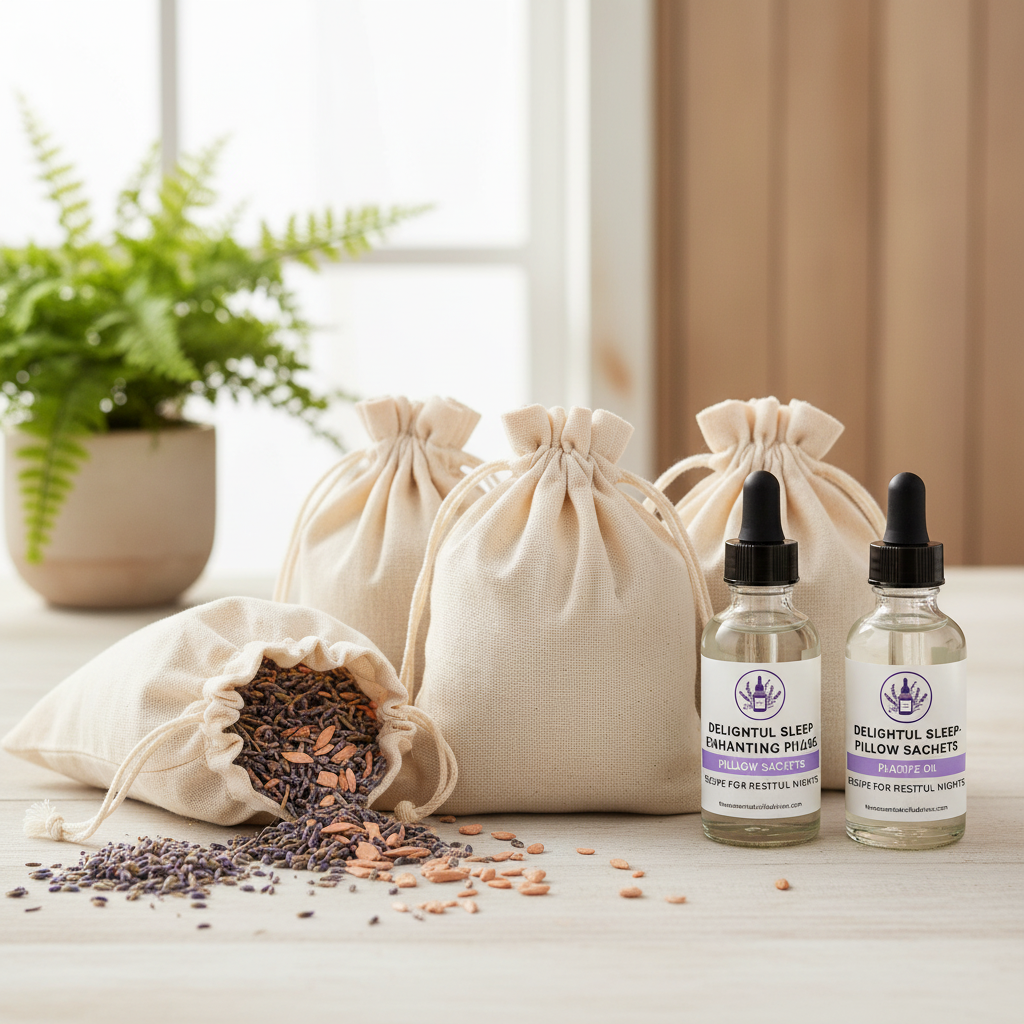
Delightful Sleep-Enhancing Pillow Sachets Recipe for Restful Nights
Discover how to create a calming sleep environment with this easy recipe for pillow sachets infused with soothing essential oils to improve your sleep quality.

Lavender Essential Oil Body Wash Recipe
Discover the perfect Sandalwood essential oil body wash recipe that promotes relaxation, relieves stress, and moisturizes your skin with natural ingredients.