DIY Pet Urine Cleaner Recipe with Essential Oils
This DIY pet urine cleaner recipe uses natural ingredients to remove stains and odors safely. Discover how to make your effective pet stain remover today!
Benefits & What to Expect
What is This Recipe Good For?
This DIY pet urine cleaner recipe is designed to tackle one of the most common problems pet owners face: removing stains and odors from urine. Utilizing natural ingredients, this cleaner not only eliminates the unsightly mess but also targets the lingering smells that can be a nuisance in your home. By opting for homemade solutions instead of commercial products, you can ensure that your cleaning tasks are safer for both pets and humans, as this recipe uses all-natural components that are less toxic than traditional cleaners.
The effectiveness of this pet urine cleaner lies in its well-balanced formulation, which combines the power of vinegar, baking soda, and essential oils to neutralize odors while providing cleansing properties. This method is particularly beneficial for homes with multiple pets or for those whose pets are not yet fully house-trained. The DIY approach also allows you to control the ingredients used, making it an eco-friendly alternative that contributes to a healthier indoor environment for you and your furry friends.
Purpose and Who It Helps
This cleaner primarily serves pet owners looking for safe, effective ways to manage urine stains and odors. Whether you have a playful puppy or an older dog who may have accidents indoors, this recipe is tailored to help you maintain cleanliness without relying on harsh chemicals. It supports individuals who prioritize environmentally friendly and pet-safe products in their households, as well as those with allergies or sensitivities to commercial cleaning solutions.
Ingredient Breakdown
- White Vinegar (1 oz): Vinegar is a natural deodorizer and stain remover due to its acidity, which helps break down the compounds in pet urine that cause odors and staining.
- Baking Soda (0.2 oz): A common household item that acts as a mild abrasive, baking soda absorbs moisture and neutralizes odors, enhancing the cleaning power of this recipe.
- Lemon Essential Oil (10 drops): Known for its fresh scent, lemon essential oil also has antibacterial properties, helping to disinfect the area and further mask unpleasant odors.
- Tea Tree Essential Oil (5 drops): Often praised for its antimicrobial properties, tea tree oil complements the cleaning action by helping to kill bacteria associated with urine stains and odors.
- Hydrogen Peroxide (3%) (1 oz): A gentle bleaching agent, hydrogen peroxide helps brighten stained areas without damaging surfaces, making it ideal for lifting tough stains.
Usage Scenarios and Practical Tips
This DIY cleaner is versatile and can be used in various situations related to pet accidents. To use, shake the bottle gently before each application to ensure the ingredients are well mixed. Spray directly on the stained area and let the solution sit for 5-10 minutes; this allows it to penetrate and effectively neutralize the stain and odor. Afterward, simply wipe the area clean with a cloth or mop.
For added effectiveness, it is advisable to test a small hidden area on your flooring or upholstery for colorfastness, especially when using hydrogen peroxide, as it may lighten certain surfaces. Keeping this cleaner handy in a spray bottle ensures you are prepared for any unforeseen accidents. Additionally, using this cleaner on a routine basis for areas where pets frequently congregate can help maintain overall freshness.
Results Timeline
After using the cleaner, immediate results can often be seen as stains begin to lift and odors dissipate. However, complete odor elimination might take a couple of applications, especially in cases of older or set-in stains. Regular maintenance with this cleaner can lead to long-term freshness and help establish a pet-friendly environment that deters repeat accidents. Over time, frequent cleaning helps condition the area, making it less likely for pets to return to the same spot.
Safety and Dilution Guidance
- Always keep the cleaner out of reach of children and pets to prevent accidental ingestion.
- Do not mix this cleaner with other chemical-based products, as reactions may produce harmful fumes.
- Test surfaces first to ensure compatibility, particularly with hydrogen peroxide.
- Store in a cool, dark place to preserve the efficacy of essential oils.
How to Use
Shake the bottle gently before each use. Spray directly onto the urine stain and let it sit for about 5-10 minutes. This allows the solution to penetrate and neutralize the stain and odor effectively. Wipe clean with a cloth or mop, ensuring the area is dry and residue-free.
Original Recipe (below is the converted recipe into different container sizes)
- 1 ozWhite Vinegar
- 0.25 ozBaking Soda
- 0.5 mlLemon Essential Oil
- 0.25 mlTea Tree Essential Oil
- 1 ozHydrogen Peroxide (3%)
Instructions
- 1
Before you begin, ensure you have all your ingredients and tools laid out on your kitchen counter. This preparation step makes the process smoother and more organized.
- 2
Combine the white vinegar (see the ingredients list for the exact amount) and the hydrogen peroxide in a small mixing bowl (see the ingredients list for the exact amount). Slowly add the baking soda (see the ingredients list for the exact amount), stirring gently to prevent foaming.
- 3
Incorporate the lemon essential oil (see the ingredients list for the exact amount) and the tea tree essential oil (see the ingredients list for the exact amount) into the mixture. Stir well to ensure the oils are distributed evenly throughout the solution.
- 4
Using a funnel, pour the mixture into a clean the spray bottle (see the ingredients list for the exact amount). Ensure the nozzle is tightly secured to prevent leaks.
- 5
Label the spray bottle clearly. This not only helps you identify the cleaner among other household solutions but also reminds you of its contents for safety purposes.
Scaled Ingredients
2 oz to 8 oz
| Ingredient | 2 oz | 4 oz | 8 oz |
|---|---|---|---|
| White Vinegar | 1 oz | 1.75 oz | 3.5 oz |
| Baking Soda | 0.25 oz | 0.25 oz | 0.75 oz |
| Lemon Essential Oil | 0.5 ml | 1 ml | 1.75 ml |
| Tea Tree Essential Oil | 0.25 ml | 0.5 ml | 1 ml |
| Hydrogen Peroxide (3%) | 1 oz | 1.75 oz | 3.5 oz |
16 oz to 128 oz
| Ingredient | 16 oz | 32 oz | 64 oz | 128 oz |
|---|---|---|---|---|
| White Vinegar | 7.25 oz | 14.5 oz | 28.75 oz | 57.5 oz |
| Baking Soda | 1.5 oz | 3 oz | 5.75 oz | 11.5 oz |
| Lemon Essential Oil | 3.5 ml | 7.25 ml | 14.5 ml | 28.75 ml |
| Tea Tree Essential Oil | 1.75 ml | 3.5 ml | 7.25 ml | 14.5 ml |
| Hydrogen Peroxide (3%) | 7.25 oz | 14.5 oz | 28.75 oz | 57.5 oz |
Looking for something else?
Essential Oils Used
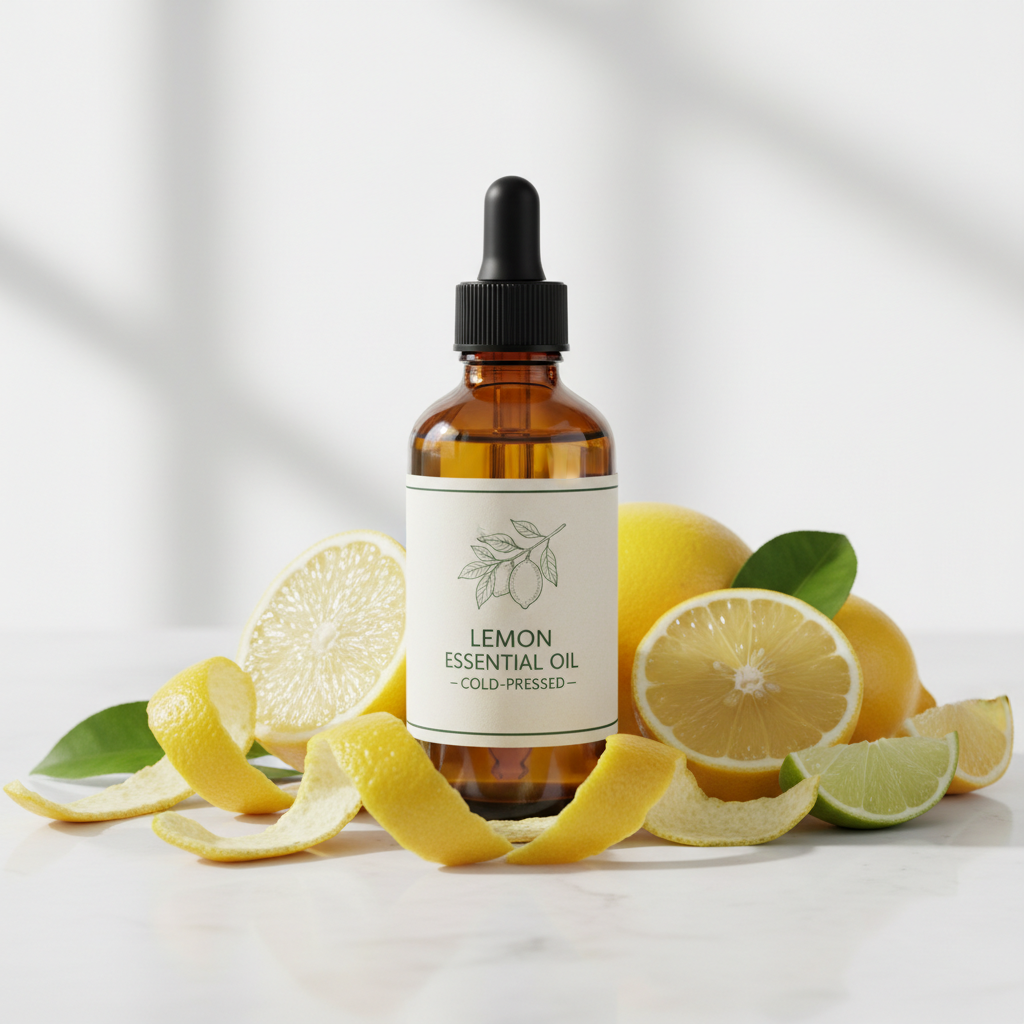
Lemon Essential Oil
Citrus limon
Lemon Essential Oil, derived from the peel of the Citrus limon tree, is celebrated for its bright and invigorating scent. This essential oil is extracted through a cold-press method, which preserves the oil's potency and vibrant aroma. Known for its wide array of therapeutic properties, Lemon Essential Oil is a staple in aromatherapy and wellness practices. ### Origin and Extraction Lemon trees are thought to have originated in Southeast Asia, particularly in regions such as India and China. Today, they are cultivated in various countries, including Italy, Spain, and the United States. The essential oil is extracted from the fruit’s outer peels through a process called cold-pressing. This technique involves mechanically pressing the lemon peels to release the oil without using any heat, ensuring that the natural properties of the oil are retained. ### Botanical Information Citrus limon, the botanical name for lemon, belongs to the Rutaceae family. The lemon tree can grow up to 6-20 feet tall and thrives in citrus-friendly climates. Its glossy leaves and fragrant flowers contribute to its popularity not just for its fruit but also for its essential oil. ### Therapeutic Properties and Benefits Lemon Essential Oil is renowned for its numerous therapeutic benefits. Its invigorating aroma can uplift mood and promote feelings of positivity and energy. Research has shown that Lemon Oil may reduce feelings of stress and anxiety, making it a great addition to your daily routine. Additionally, it supports the immune system, aids in digestion, and exhibits antibacterial and antiviral properties. ### Historical and Traditional Uses Historically, lemons have been utilized since ancient Rome and Egypt, both for culinary and medicinal purposes. The essential oil has been used in traditional medicine for its various health benefits, including its capacity to alleviate respiratory issues and improve overall vitality. In folk medicine, lemon oil was often used to purify and detoxify, believed to cleanse the body of harmful toxins. ### Scientific Facts and Research Studies have indicated the efficacy of Lemon Essential Oil in improving mood and cognitive function. A study published in the Journal of Essential Oil Research highlighted its anti-stress properties, while others have noted its potential for enhancing the immune response. This research supports the traditional claim of lemon as a health-promoting fruit. ### Aroma Profile and Characteristics Lemon Essential Oil has a sharp, zesty scent that is both fresh and invigorating. Its aroma is often described as uplifting and is used in many fragrances and cleaning products, reflecting its versatile application. The top notes of Lemon Oil are bright and citrusy, making it a highly sought-after fragrance in aromatherapy. ### Common Applications and Methods Lemon Essential Oil is incredibly versatile and can be used in a variety of ways. In aromatherapy, it can be diffused to enhance mood and stimulate the senses. For topical application, it should always be diluted with a carrier oil to prevent skin irritation. Lemon Oil can also be added to water or beverages for a refreshing drink, providing internal benefits and enhancing taste. ### Interesting Facts and Trivia - Lemon Essential Oil is often referred to as the ‘Oil of Purity’ due to its cleansing properties. - It is known for its ability to naturally deodorize and purify the air. - In cosmetics, lemon oil is a popular ingredient for its astringent properties, often included in face washes and toners. - Due to its phototoxic nature, it is important to avoid direct sunlight after applying lemon oil to the skin. In conclusion, Lemon Essential Oil is a dynamic and beneficial addition to any wellness routine. Its unique properties and delightful scent make it an excellent choice for enhancing both physical and emotional well-being. Whether you use it for cleaning, cooking, or relaxation, lemon oil offers a multitude of benefits that can enrich your daily life.
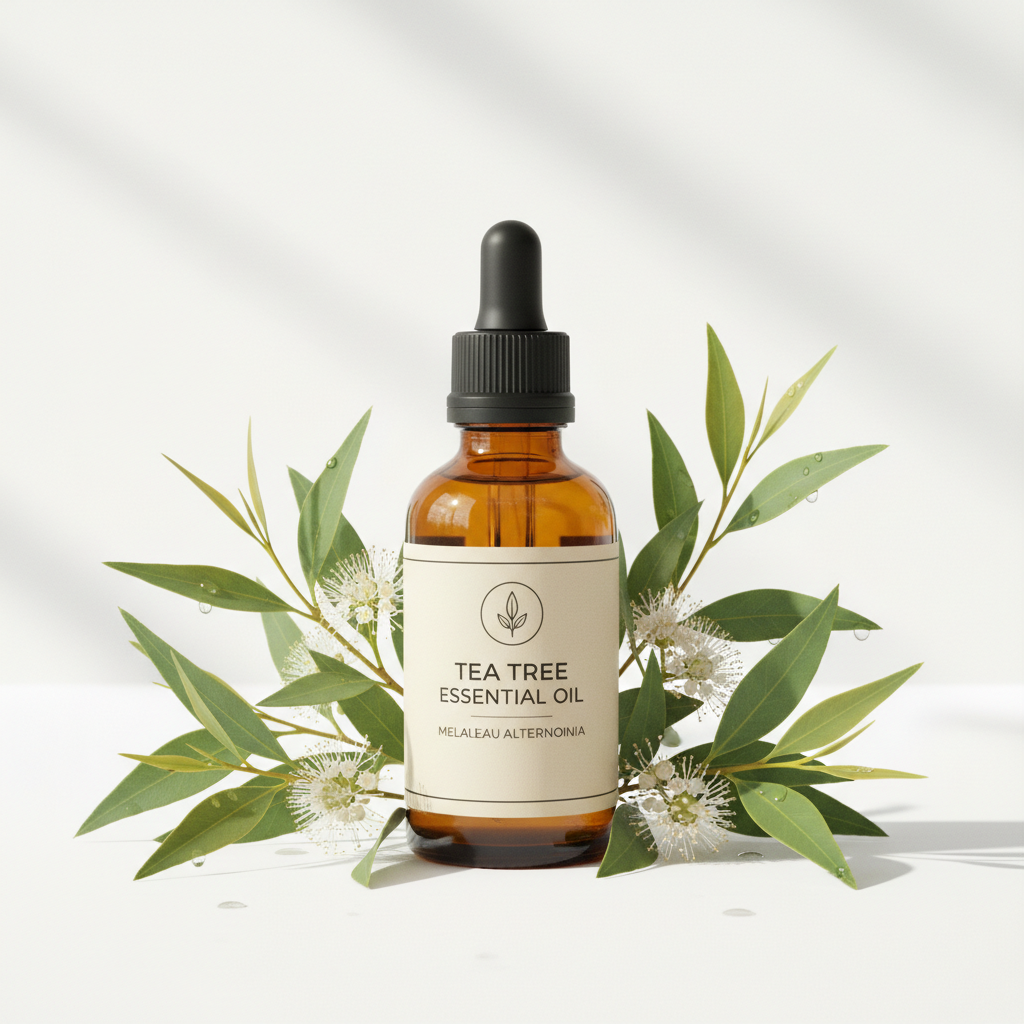
Tea Tree Essential Oil
Melaleuca alternifolia
### What is Tea Tree Essential Oil? Tea Tree essential oil, derived from the leaves of the *Melaleuca alternifolia* plant, is an essential oil praised for its powerful antiseptic and healing properties. Native to Australia, this potent oil has been utilized for centuries, both by indigenous Australians and modern herbalists, for its myriad of therapeutic benefits. ### Origin and Extraction Method Tea Tree oil is extracted through steam distillation of the fresh leaves and twigs of the Tea Tree plant, which is a small tree or shrub indigenous to the southeastern regions of Australia. The extraction process captures the naturally occurring compounds within the plant, yielding a highly concentrated oil rich in beneficial components such as terpinen-4-ol, which is known for its antiseptic qualities. ### Botanical Information The botanical name for Tea Tree is *Melaleuca alternifolia,* belonging to the Myrtaceae family. This evergreen shrub can grow up to 7 meters tall and features narrow leaves and clusters of white flowers. The indigenous population has long recognized the therapeutic potential of this plant, using it as a traditional remedy for various ailments. ### Therapeutic Properties and Benefits Tea Tree essential oil is renowned for its numerous health benefits. Here are some of the key therapeutic properties: - **Antiseptic:** Tea Tree oil is famously known for its ability to fight bacteria and fungi, making it a go-to oil for treating minor cuts and abrasions. - **Anti-inflammatory:** It helps reduce redness and swelling on the skin, thus supporting skin healing. - **Antiviral:** Useful in combating viruses, Tea Tree oil can bolster the immune system, helping to fend off colds and infections. - **Expectorant:** The oil can help clear respiratory pathways, making it beneficial for respiratory health. ### Historical and Traditional Uses Historically, Tea Tree oil was used by Australian Aborigines for bruises, cuts, and skin infections. They crushed the leaves and applied them directly to wounds. In modern herbal medicine, it is used in various formulations, from skin care products to aromatherapy blends. The oil gained global popularity due to its effectiveness and versatility in treating skin conditions, as well as its potent antibacterial qualities. ### Scientific Facts and Research Recent studies have highlighted the efficacy of Tea Tree essential oil in treating skin conditions like acne, athlete's foot, and dandruff. A review published in the *Journal of Dermatology* established that Tea Tree oil is effective against *Propionibacterium acnes,* the bacteria responsible for acne. Research has also shown that it possesses anti-inflammatory effects, making it a valuable component in the treatment of inflammatory skin diseases. ### Aroma Profile and Characteristics Tea Tree essential oil features a fresh, medicinal aroma with earthy, woody undertones. Its unique scent is invigorating and can promote a sense of cleanliness and focus. The aroma is often described as fresh and camphorous, making it a popular component in cleansing products. ### Common Applications and Methods Tea Tree oil can be used in several ways: - **Skincare**: Diluted with a carrier oil for topical applications, it can be used to treat cuts, insect bites, and minor skin irritations. - **Aromatherapy**: Adding a few drops to a diffuser can promote relaxation and mental clarity. - **Household Cleaner**: Its antibacterial properties make it suitable for natural cleaning solutions. - **Hair Care**: Incorporating it in shampoos can help alleviate dandruff and itchy scalp. ### Interesting Facts and Trivia - Tea Tree oil was first discovered by Captain James Cook, who noted the Aborigines using the leaves for medicinal purposes. - It is believed that just a small amount of Tea Tree oil can have a powerful effect when used in skincare routines. - In aromatherapy, it is often combined with other essential oils like lavender for enhanced benefits. In conclusion, Tea Tree essential oil is a versatile and potent oil with numerous benefits for health and wellness. Whether you're using it for skin care, inhalation for respiratory issues, or as a natural cleaner, the myriad of uses make it a staple in holistic therapies and natural health practices. Add Tea Tree essential oil to your collection for an effective tool in maintaining good health and hygiene.
More cleaning Recipes
Easy DIY Floor Cleaner Recipe with Essential Oils
Learn how to create a natural, effective, and eco-friendly floor cleaner using this simple recipe that includes essential oils for a fresh scent.
DIY Essential Oil Equipment Cleaner Recipe for Pristine Tools
This DIY essential oil equipment cleaner recipe ensures tools are residue-free, enhancing the quality of your blends while being eco-friendly and effective.
DIY Essential Oil All-Purpose Cleaner Recipe for a Fresh Home
Discover the benefits of this DIY essential oil all-purpose cleaner recipe for a clean, safe, and aromatic household environment.
DIY Essential Oil Dishwasher Detergent Recipe
Discover the ultimate DIY dishwasher detergent recipe using essential oils, safe for your dishes and the environment. Make your kitchen eco-friendly!