DIY Pet Safe Floor Cleaner Recipe for a Fresh Home
Learn how to make a pet safe floor cleaner recipe at home. This DIY guide features non-toxic ingredients that keep your pets safe and your floors sparkling!
Benefits & What to Expect
What is This Recipe Good For?
DIY Pet Safe Floor Cleaner is an excellent solution for pet owners who want to maintain a clean home without compromising the safety of their furry friends. This recipe leverages natural ingredients that are effective at cutting through dirt and grime while being gentle enough for households with pets. With this cleaner, you can expect a sparkling clean floor that won’t result in harmful chemical exposure for your animals. Moreover, the fresh scent derived from essential oils will keep your home smelling delightful and welcoming.
Crafting your own floor cleaner is not only beneficial for your pets, but it also promotes a more sustainable and eco-friendly lifestyle. Store-bought cleaners often contain harsh chemicals that are detrimental to both the environment and indoor air quality. By using this DIY recipe, you take control of what goes into your home cleaning routine, ensuring a healthier atmosphere for you, your family, and your pets.
Purpose and Who It Helps
This recipe is particularly advantageous for pet owners, parents, or anyone with allergies or sensitivities to strong chemical cleaners. It’s designed to be safe for cats, dogs, rabbits, and other small pets while providing an effective cleaning power that is comparable to many conventional cleaners.
Additionally, this cleaner is suitable for owners looking to reduce their reliance on commercial products for environmental or health reasons. It caters to anyone who is interested in eco-friendly cleaning solutions, allowing you to maintain a healthy living space without exposure to potentially harmful substances.
Ingredient Breakdown
- White Vinegar (5.33 oz / 158 ml): Acts as a natural disinfectant and deodorizer, helping to eliminate odors and germs without the use of harsh chemicals.
- Distilled Water (5.33 oz / 158 ml): Serves as a diluent to mix the ingredients effectively while also preventing any mineral build-up that might come from tap water.
- Baking Soda (0.67 oz / 19 g): Known for its gentle abrasive qualities, baking soda helps lift dirt and stains without scratching surfaces, and it neutralizes odors.
- Lemon Essential Oil (8 drops / 0.4 ml): Gives a bright, refreshing scent while also providing antimicrobial properties to help sanitize the floors naturally.
- Lavender Essential Oil (8 drops / 0.4 ml): Offers soothing scent benefits while also possessing natural antiseptic qualities that make it a perfect addition to your cleaning arsenal.
Usage Scenarios and Practical Tips
This DIY Pet Safe Floor Cleaner can be used on a variety of hard surface floors, including tile, laminate, and sealed hardwood. To use, simply spray the solution directly onto the floor and wipe it clean with a mop or cloth. Always make sure to shake the bottle well before each use to ensure the ingredients are thoroughly mixed.
For best results, do a patch test on a small, inconspicuous area of your floor to ensure compatibility with the surface type. This cleaner is especially handy for weekly cleaning routines or for quick spot cleans after any messes your pets may make.
Results Timeline
After applying this floor cleaner, you can expect to see results immediately, with your floors sparkling clean and fresh-smelling right after use. With regular application, you'll notice a reduction in pet odors and an overall fresher home environment. As a bonus, the use of natural ingredients means you won’t have to worry about harmful residues lingering on your floors over time, creating a safer space for your pets.
Safety and Dilution Guidance
- Although this cleaner is non-toxic and safe for pets, moderate usage is advised to prevent any accidental ingesting of larger amounts by curious pets.
- Always consult with a veterinarian if you believe your pet has ingested a substantial quantity of the cleaner, even though all ingredients are considered pet safe.
- Ensure proper air ventilation while using essential oils, as some pets may be sensitive to strong fragrances.
How to Use
Spray directly onto the floor and wipe with a mop or cloth. Before each use, shake the bottle well to ensure the ingredients are mixed. Always patch test on a small area to ensure compatibility with your floor type.
Original Recipe (below is the converted recipe into different container sizes)
- 5.25 ozWhite Vinegar
- 5.25 ozDistilled Water
- 0.75 ozBaking Soda
- 0.5 mlLemon Essential Oil
- 0.5 mlLavender Essential Oil
Instructions
- 1
Gather all your ingredients and tools. Ensure your work area is clean and organized.
- 2
In a medium-sized mixing bowl, pour the white vinegar (see the ingredients list for the exact amount).
- 3
Add the distilled water (see the ingredients list for the exact amount) and stir gently to mix.
- 4
Carefully measure and add the baking soda (see the ingredients list for the exact amount) into the vinegar-water mixture. Be mindful of the fizzing reaction that will occur.
- 5
Add the each of lemon (see the ingredients list for the exact amount) and lavender essential oils into the mixture. Stir gently to ensure they are evenly distributed.
- 6
Using a funnel, pour the mixture into the the spray bottle (see the ingredients list for the exact amount), filling it evenly.
- 7
Ensure the bottle is securely capped and labeled as "Pet Safe Floor Cleaner."
- 8
Store the cleaner in a cool, dry place away from direct sunlight.
- 9
Before each use, shake the bottle well to ensure the ingredients are mixed.
- 10
Spray directly onto the floor and wipe with a mop or cloth.
- 11
Before full use, test a small area to ensure floor compatibility.
Scaled Ingredients
2 oz to 8 oz
| Ingredient | 2 oz | 4 oz | 8 oz |
|---|---|---|---|
| White Vinegar | 1 oz | 2 oz | 3.75 oz |
| Distilled Water | 1 oz | 2 oz | 3.75 oz |
| Baking Soda | 0.117988 oz | 0.25 oz | 0.5 oz |
| Lemon Essential Oil | 0.0704408 ml | 0.25 ml | 0.25 ml |
| Lavender Essential Oil | 0.0704408 ml | 0.25 ml | 0.25 ml |
16 oz to 128 oz
| Ingredient | 16 oz | 32 oz | 64 oz | 128 oz |
|---|---|---|---|---|
| White Vinegar | 7.5 oz | 15 oz | 30 oz | 60 oz |
| Distilled Water | 7.5 oz | 15 oz | 30 oz | 60 oz |
| Baking Soda | 1 oz | 2 oz | 3.75 oz | 7.5 oz |
| Lemon Essential Oil | 0.5 ml | 1.25 ml | 2.25 ml | 4.5 ml |
| Lavender Essential Oil | 0.5 ml | 1.25 ml | 2.25 ml | 4.5 ml |
Looking for something else?
Essential Oils Used
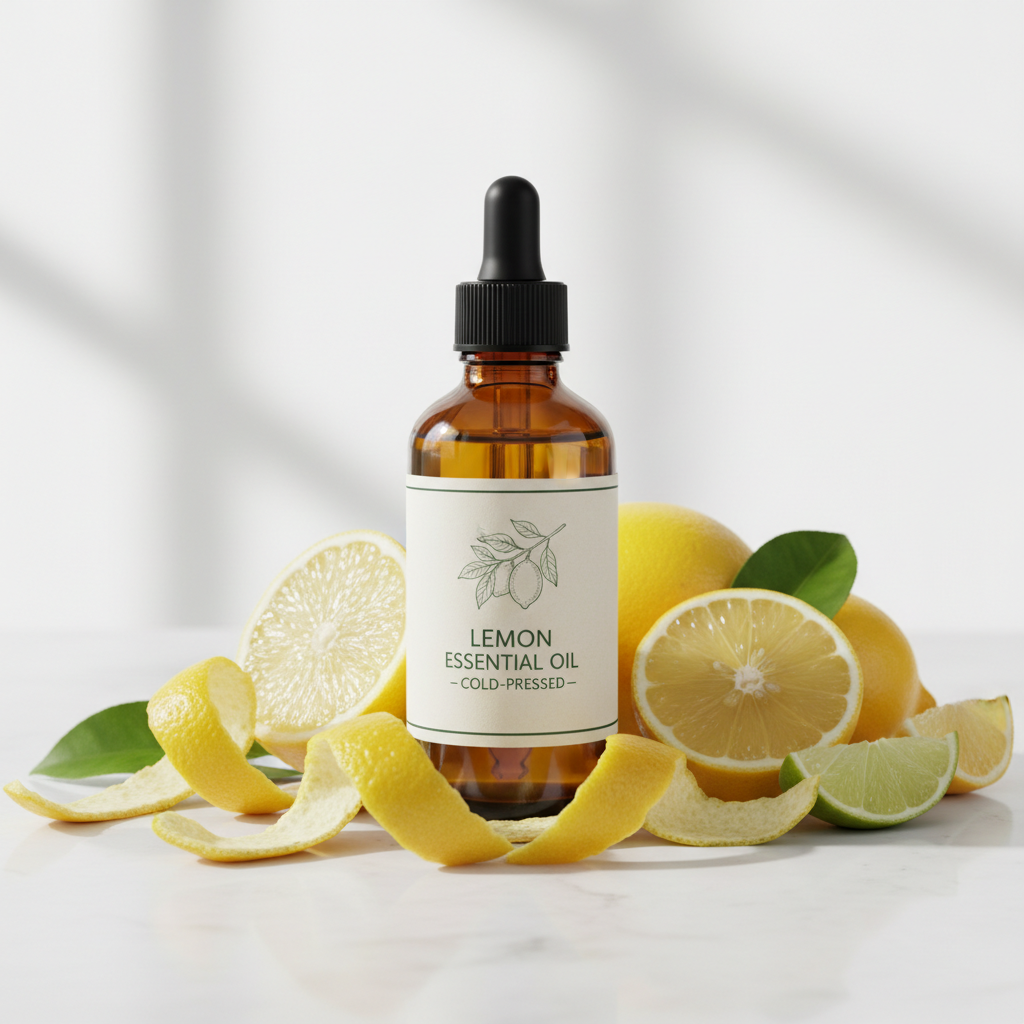
Lemon Essential Oil
Citrus limon
Lemon Essential Oil, derived from the peel of the Citrus limon tree, is celebrated for its bright and invigorating scent. This essential oil is extracted through a cold-press method, which preserves the oil's potency and vibrant aroma. Known for its wide array of therapeutic properties, Lemon Essential Oil is a staple in aromatherapy and wellness practices. ### Origin and Extraction Lemon trees are thought to have originated in Southeast Asia, particularly in regions such as India and China. Today, they are cultivated in various countries, including Italy, Spain, and the United States. The essential oil is extracted from the fruit’s outer peels through a process called cold-pressing. This technique involves mechanically pressing the lemon peels to release the oil without using any heat, ensuring that the natural properties of the oil are retained. ### Botanical Information Citrus limon, the botanical name for lemon, belongs to the Rutaceae family. The lemon tree can grow up to 6-20 feet tall and thrives in citrus-friendly climates. Its glossy leaves and fragrant flowers contribute to its popularity not just for its fruit but also for its essential oil. ### Therapeutic Properties and Benefits Lemon Essential Oil is renowned for its numerous therapeutic benefits. Its invigorating aroma can uplift mood and promote feelings of positivity and energy. Research has shown that Lemon Oil may reduce feelings of stress and anxiety, making it a great addition to your daily routine. Additionally, it supports the immune system, aids in digestion, and exhibits antibacterial and antiviral properties. ### Historical and Traditional Uses Historically, lemons have been utilized since ancient Rome and Egypt, both for culinary and medicinal purposes. The essential oil has been used in traditional medicine for its various health benefits, including its capacity to alleviate respiratory issues and improve overall vitality. In folk medicine, lemon oil was often used to purify and detoxify, believed to cleanse the body of harmful toxins. ### Scientific Facts and Research Studies have indicated the efficacy of Lemon Essential Oil in improving mood and cognitive function. A study published in the Journal of Essential Oil Research highlighted its anti-stress properties, while others have noted its potential for enhancing the immune response. This research supports the traditional claim of lemon as a health-promoting fruit. ### Aroma Profile and Characteristics Lemon Essential Oil has a sharp, zesty scent that is both fresh and invigorating. Its aroma is often described as uplifting and is used in many fragrances and cleaning products, reflecting its versatile application. The top notes of Lemon Oil are bright and citrusy, making it a highly sought-after fragrance in aromatherapy. ### Common Applications and Methods Lemon Essential Oil is incredibly versatile and can be used in a variety of ways. In aromatherapy, it can be diffused to enhance mood and stimulate the senses. For topical application, it should always be diluted with a carrier oil to prevent skin irritation. Lemon Oil can also be added to water or beverages for a refreshing drink, providing internal benefits and enhancing taste. ### Interesting Facts and Trivia - Lemon Essential Oil is often referred to as the ‘Oil of Purity’ due to its cleansing properties. - It is known for its ability to naturally deodorize and purify the air. - In cosmetics, lemon oil is a popular ingredient for its astringent properties, often included in face washes and toners. - Due to its phototoxic nature, it is important to avoid direct sunlight after applying lemon oil to the skin. In conclusion, Lemon Essential Oil is a dynamic and beneficial addition to any wellness routine. Its unique properties and delightful scent make it an excellent choice for enhancing both physical and emotional well-being. Whether you use it for cleaning, cooking, or relaxation, lemon oil offers a multitude of benefits that can enrich your daily life.
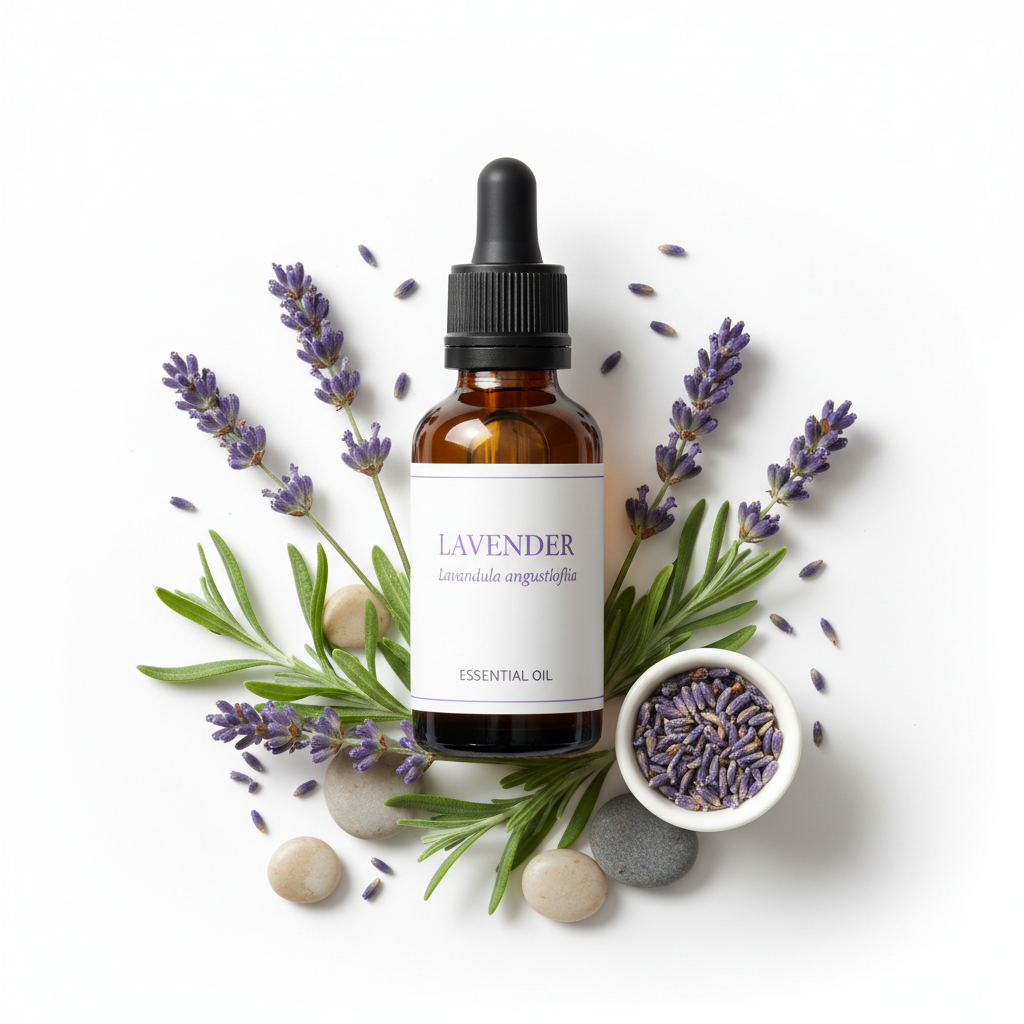
Lavender Essential Oil
Lavandula angustifolia
## Lavender Essential Oil: A Comprehensive Guide Lavender essential oil, extracted from the lavender plant (Lavandula angustifolia), is one of the most well-known and widely used essential oils today. It is celebrated for its relaxing properties and a range of therapeutic benefits that promote mental, emotional, and physical well-being. ### Origin and Extraction Method Lavender is native to the Mediterranean region, especially in areas of France, Italy, and Spain, where it flourishes in dry, sunny climates. The oil is obtained through steam distillation of the delicate flowering tops of the lavender plant. This method preserves the oil's delicate chemical composition, fostering its aromatic and therapeutic qualities, making it a staple in aromatherapy and natural health practices. ### Botanical Information Lavandula angustifolia, commonly known as true lavender, belongs to the Lamiaceae (mint) family. The plant typically reaches about 1 meter in height and has slender, greenish-gray leaves adorned with vibrant purple flowers. The distinctive aroma emanates from the plant's essential oil, which comprises various aromatic compounds such as linalool, linalyl acetate, and camphor, recognized for their calming effects. ### Therapeutic Properties and Benefits Lavender essential oil offers a myriad of therapeutic benefits, including: - **Promoting Relaxation:** Known as an anxiolytic, lavender oil effectively reduces anxiety and stress, helping to promote a sense of calm and tranquility. - **Improving Sleep Quality:** It is widely recommended as a natural remedy for insomnia and sleep disturbances. Adding a few drops to a diffuser or pillow can help induce restful sleep. - **Enhancing Mood and Emotional Balance:** Lavender oil can uplift mood and support emotional stability, making it beneficial for those experiencing sadness or irritability. - **Alleviating Headaches and Migraines:** Inhaling lavender oil or applying diluted oil to the temples may provide relief from headaches and migraines. - **Soothing Muscle Tension:** The anti-inflammatory properties of lavender oil make it effective for soothing sore muscles and reducing tension. - **Supporting Respiratory Health:** With its antiseptic properties, lavender oil may alleviate symptoms associated with colds, allergies, and respiratory infections. ### Historical and Traditional Uses Historically, lavender has been treasured for its medicinal and aromatic properties for centuries. Ancient Egyptians utilized lavender for mummification and as a cosmetic fragrance. Romans added it to their baths to relieve stress and enhance mood. In the Middle Ages, lavender symbolized purity, often used in perfumes and sachets, and its presence was common in homes to ward off pests. ### Scientific Facts and Research Numerous scientific studies have validated the benefits of lavender essential oil. Research published in *Evidence-Based Complementary and Alternative Medicine* confirmed that individuals who inhaled lavender experienced significant reductions in anxiety and improved sleep quality compared to placebo groups. Furthermore, studies indicate that lavender oil may influence neurotransmitter systems, enhancing its sedative effects. ### Aroma Profile and Characteristics Lavender essential oil possesses a sweet, floral, and herbaceous aroma that is both uplifting and calming. Its scent, often described as fresh and clean, makes it a popular choice in aromatherapy blends, personal care products, and home fragrances. The calming aroma can cultivate a serene environment, ideal for meditation and relaxation practices. ### Common Applications and Methods Lavender essential oil's versatility allows for a variety of applications: - **Aromatherapy:** Diffusing lavender oil in your home purifies the air and creates a relaxing atmosphere, beneficial for stress relief. - **Topical Use:** Diluting lavender oil with a carrier oil for massages or targeted skin applications helps alleviate pain and supports skin health. - **Baths:** Adding lavender oil to bathwater not only promotes relaxation but also eases muscle tension and soothes the mind. - **Culinary Uses:** When used in moderation, lavender adds a unique flavor to culinary dishes, commonly included in herbal teas, desserts, and infused syrups. ### Interesting Facts and Trivia - Lavender is often regarded as the “universal oil” due to its myriad benefits and applications across different practices. - It takes approximately 250 pounds of lavender flowers to produce about 1 pound of essential oil, demonstrating its value and potency. - The color purple, associated with lavender, symbolizes tranquility and peace, reflecting its effects on the mind and body. - Additionally, lavender is renowned for attracting pollinators like bees and butterflies, contributing positively to local biodiversity. In conclusion, lavender essential oil is not only remarkable with its profound history but also offers extensive benefits and versatile applications. Whether used to promote relaxation, enhance mood, or enjoy aromatic qualities, it plays an essential role in holistic health. Incorporate lavender essential oil into your daily routine for a touch of serenity and a pathway to balance your emotional and physical well-being.
More cleaning Recipes
Easy DIY Floor Cleaner Recipe with Essential Oils
Learn how to create a natural, effective, and eco-friendly floor cleaner using this simple recipe that includes essential oils for a fresh scent.
DIY Essential Oil Equipment Cleaner Recipe for Pristine Tools
This DIY essential oil equipment cleaner recipe ensures tools are residue-free, enhancing the quality of your blends while being eco-friendly and effective.
DIY Essential Oil All-Purpose Cleaner Recipe for a Fresh Home
Discover the benefits of this DIY essential oil all-purpose cleaner recipe for a clean, safe, and aromatic household environment.
DIY Essential Oil Dishwasher Detergent Recipe
Discover the ultimate DIY dishwasher detergent recipe using essential oils, safe for your dishes and the environment. Make your kitchen eco-friendly!