DIY Perfume Recipe: Create Your Signature Scent at Home
This DIY perfume recipe lets you craft a unique fragrance that lifts your spirits and is great for daily wear or celebrations.
Benefits & What to Expect
What is This Recipe Good For?
Creating a homemade perfume opens the door to customizing your own signature scent, providing a sense of individuality and creativity. This DIY perfume recipe is perfect for uplifting your spirits, making it suitable for everyday wear or special celebrations where you want to stand out.
Purpose and Who It Helps
This recipe is designed not only for fragrance enthusiasts looking to craft their unique aroma but also for individuals seeking safe alternatives to commercial perfumes, which can sometimes contain synthetic ingredients. It's ideal for people with sensitive skin or allergies to conventional perfume ingredients since you control what goes into your blend.
Ingredient Breakdown
The DIY perfume consists of natural ingredients that contribute to a pleasant scent and may also provide mood-enhancing properties:
- Jojoba Oil (1.0 ml) - Serves as a carrier oil, helping to dilute the essential oils and make them safe for skin application. Jojoba oil is known for its moisturizing properties and skin compatibility.
- Lavender Essential Oil (10 drops) - Renowned for its calming effects, lavender can help reduce stress and promote relaxation. It's a versatile essential oil commonly used in aromatherapy.
- Bergamot Essential Oil (8 drops) - Offering a fresh citrus scent, bergamot is thought to be uplifting and can improve mood. It’s also known to have potential stress-relieving properties.
- Ylang Ylang Essential Oil (6 drops) - This oil imparts a sweet, floral fragrance that can be emotionally balancing and uplifting, making it a popular choice for fragrances.
- Patchouli Essential Oil (4 drops) - Known for its earthy and grounding scent, patchouli adds depth to the fragrance and may aid in emotional balance.
This combination creates a balanced, aromatic blend that can evoke positivity and enhance your mood throughout the day.
Usage Scenarios and Practical Tips
To apply your DIY perfume, place a small amount on your pulse points—typically your wrists, neck, or behind the ears—for long-lasting scent diffusion. Avoid applying it to areas that may be exposed to direct sunlight or high friction, as this can affect the longevity of the fragrance.
For best results, consider these practical tips:
- Store the perfume in a cool, dark place to preserve the integrity of the essential oils.
- Experiment with the blend—adjust the number of drops according to your personal fragrance preference. You can increase or decrease the essential oils to enhance specific notes.
Results Timeline
After creating your DIY perfume, allow it to sit for at least 48 hours before your first use. This waiting period enables the oils to meld together, creating a more harmonious scent. You might find that the fragrance evolves over time, so give it a week to assess the final aroma.
Safety and Dilution Guidance
While this DIY perfume uses natural ingredients, it’s crucial to proceed with caution:
- Perform a patch test by applying a small amount of the final blend to a discreet area of skin to check for any allergic reactions before full application. If irritation occurs, discontinue use.
- Make sure to dilute the essential oils properly. Essential oils are potent; thus, proper dilution in a carrier oil like jojoba is essential to prevent skin sensitivities. As a general rule, a few drops of essential oil per tablespoon of carrier oil should suffice, in this case, a generous ratio is provided by the recipe.
By following these safety guidelines, you can enjoy your personalized fragrance with confidence, knowing that you have crafted a product that suits your unique style.
How to Use
Apply to pulse points like wrists, neck, or behind the ears for a lovely scent throughout the day.
Original Recipe (below is the converted recipe into different container sizes)
- 1 ozJojoba Oil
- 10 mlLavender Essential Oil
- 8 mlBergamot Essential Oil
- 6 mlYlang Ylang Essential Oil
- 4 mlPatchouli Essential Oil
- 1 ozPerfume Bottles
- 1 (optional)Small Funnel
- 1 (optional)Measuring Dropper
Equipment
Instructions
- 1
Prepare Your Workspace: Ensure your hands are clean and your workspace is tidy. Gather all your ingredients and tools.
- 2
Combine Essential Oils: Take your measuring dropper and start adding the essential oils into a small, clean mixing bowl or directly into the glass bottles. Begin with the Lavender Oil (see the ingredients list for the exact amount). Add the Bergamot Oil (see the ingredients list for the exact amount). Add the Ylang Ylang Oil (see the ingredients list for the exact amount). Finally, add the Patchouli Oil (see the ingredients list for the exact amount). Stir gently or swirl the bottle to mix the oils.
- 3
Add Carrier Oil: Using the funnel, pour the Jojoba Oil (see the ingredients list for the exact amount) into each of the glass bottles. Ensure the oils blend well by sealing the bottles and rolling them gently between your palms.
- 4
Test the Scent: Allow the perfume to sit for a few days. This allows the oils to blend and mature, enhancing the fragrance. After a few days, test the scent to see if it meets your satisfaction.
- 5
Store and Use: Keep the bottles tightly closed when not in use to maintain the fragrance. Apply to pulse points like wrists, neck, or behind the ears for a lovely scent throughout the day.
Scaled Ingredients
2 oz to 8 oz
| Ingredient | 2 oz | 4 oz | 8 oz |
|---|---|---|---|
| Jojoba Oil | 0.68 oz | 1.36 oz | 2.71 oz |
| Lavender Essential Oil | 6.75 ml | 13.5 ml | 27.25 ml |
| Bergamot Essential Oil | 5.5 ml | 10.75 ml | 21.75 ml |
| Ylang Ylang Essential Oil | 4 ml | 8.25 ml | 16.25 ml |
| Patchouli Essential Oil | 2.75 ml | 5.5 ml | 10.75 ml |
| Perfume Bottles | 0.68 oz | 1.36 oz | 2.71 oz |
| Small Funnel | 0.68 | 1.4 | 2.7 |
| Measuring Dropper | 0.68 | 1.4 | 2.7 |
16 oz to 128 oz
| Ingredient | 16 oz | 32 oz | 64 oz | 128 oz |
|---|---|---|---|---|
| Jojoba Oil | 5.43 oz | 10.9 oz | 21.7 oz | 43.4 oz |
| Lavender Essential Oil | 54.25 ml | 108.5 ml | 217.25 ml | 434.25 ml |
| Bergamot Essential Oil | 43.5 ml | 86.75 ml | 173.75 ml | 347.5 ml |
| Ylang Ylang Essential Oil | 32.5 ml | 65.25 ml | 130.25 ml | 260.5 ml |
| Patchouli Essential Oil | 21.75 ml | 43.5 ml | 86.75 ml | 173.75 ml |
| Perfume Bottles | 5.43 oz | 10.9 oz | 21.7 oz | 43.4 oz |
| Small Funnel | 5.4 | 11 | 22 | 43 |
| Measuring Dropper | 5.4 | 11 | 22 | 43 |
Looking for something else?
Essential Oils Used
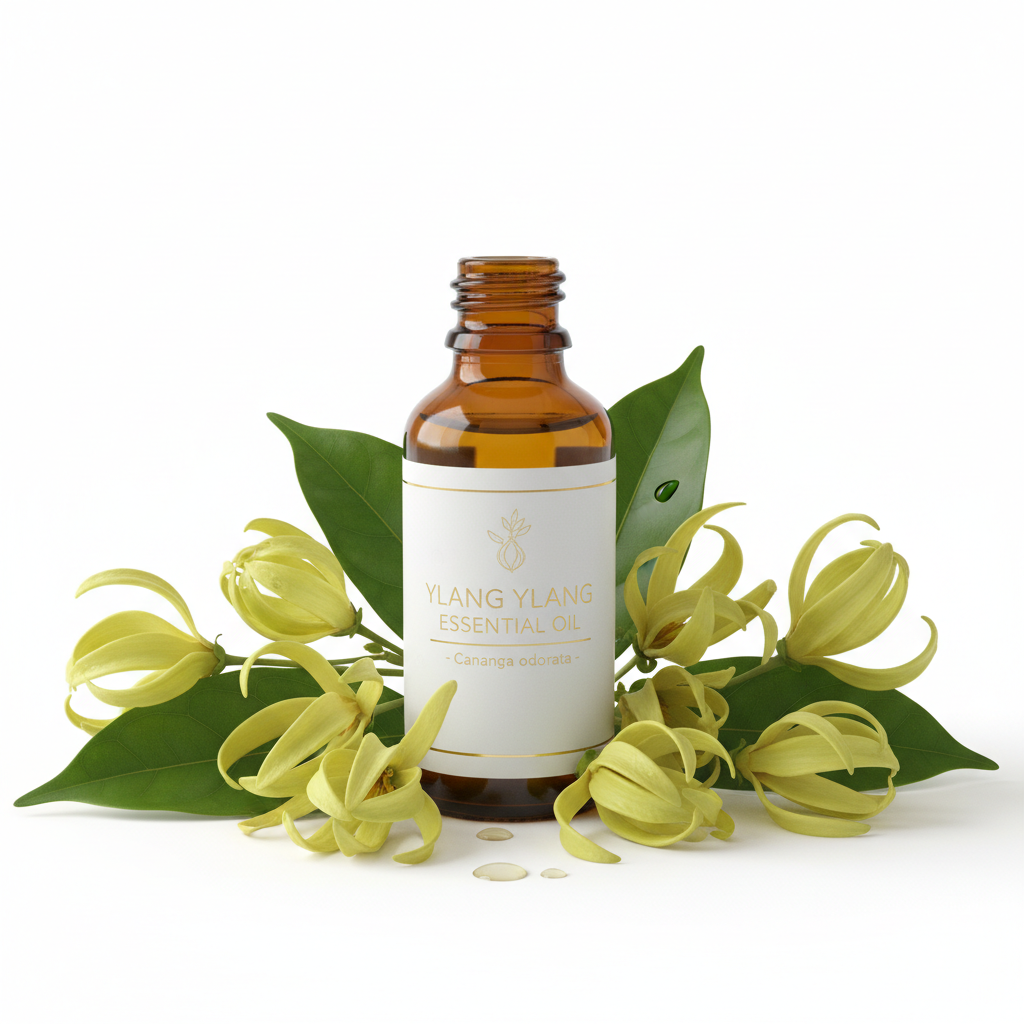
Ylang Ylang Essential Oil
Cananga odorata
Ylang Ylang Essential Oil: An In-Depth Guide Ylang Ylang essential oil, extracted from the vibrant yellow flowers of the Cananga odorata tree, is celebrated for its sweet, floral aroma and numerous therapeutic properties. Known as "the flower of flowers," Ylang Ylang originates from Southeast Asia and has been treasured by ancient cultures for centuries. ### Origin and Extraction Method The Cananga odorata tree thrives in tropical climates, especially in countries like Indonesia, the Philippines, and Madagascar. Ylang Ylang essential oil is primarily extracted using steam distillation, which captures the delicate fragrance and beneficial compounds from the blossoms. The extraction process is crucial, as it defines the quality of the oil, with different distillation durations resulting in various grades: Ylang Ylang Extra, Grade I, II, and III. Each grade possesses unique aromatic qualities and potency. ### Botanical Information Ylang Ylang, a flowering plant in the Annonaceae family, can grow up to 20 meters tall. Its striking yellow flowers bloom in clusters and have historically symbolized love and beauty. Rich in monoterpene compounds such as linalool and geranyl acetate, Ylang Ylang essential oil boasts a chemical profile that contributes to its calming and balancing properties. ### Therapeutic Properties and Benefits Ylang Ylang essential oil is revered in aromatherapy for its diverse range of benefits, including: 1. **Stress Relief**: The oil has calming effects known to reduce anxiety and stress levels, promoting tranquility in daily life. 2. **Mood Enhancement**: Its floral scent serves as a natural mood lifter, helping to alleviate feelings of sadness and negativity. 3. **Emotional Balance**: Many employ Ylang Ylang to stabilize emotions, providing support for those experiencing mood swings or emotional upheaval. 4. **Romantic Atmosphere**: Known for its aphrodisiac qualities, it is often used in romantic settings to strengthen emotional connections. 5. **Skin Nourishment**: This essential oil enhances skin texture and hydration, making it wonderful for adding to skincare routines, particularly for dry or aging skin. 6. **Hair Care**: Ylang Ylang is recognized for promoting healthy hair growth and scalp health, frequently included in shampoos and hair treatments. 7. **Inflammation Reduction**: It may aid in reducing inflammation and soothing irritation, providing relief for various discomforts. 8. **Digestive Support**: The oil can assist with digestive issues, alleviating symptoms such as bloating and nausea. 9. **Respiratory Aid**: Often used in diffusion, it supports respiratory functions by calming the passages, making it easier to breathe during colds or allergies. ### Historical and Traditional Uses Ylang Ylang has a rich history, traditionally utilized in Southeast Asian cultures for spiritual and medicinal purposes. In Indonesia, flower petals were spread on the beds of newlywed couples to enhance romance. In traditional medicine, Ylang Ylang is used to treat a variety of ailments, including skin infections and hypertension. Its integration into religious and cultural rituals highlights its significance across generations. ### Scientific Facts and Research Recent scientific studies have explored the oil's potential health benefits, with research indicating its effectiveness in reducing cortisol levels, thereby alleviating stress. Studies also suggest its positive impact on mental health, helping to combat depression and anxiety through its uplifting aroma. ### Aroma Profile and Characteristics Ylang Ylang essential oil has a distinctive, sweet floral scent with hints of fruity and spicy undertones. The unique aroma profile makes it a popular choice in perfumery and cosmetic applications, where it is used to create luxurious fragrances. The scent's complexity means it can blend beautifully with other essential oils, such as bergamot and sandalwood, enhancing its aromatic appeal. ### Common Applications and Methods Ylang Ylang essential oil can be used in various ways: - **Aromatherapy**: Diffusing the oil in a space can create a calming atmosphere. - **Massage**: Diluting with a carrier oil allows for therapeutic massage, enhancing relaxation. - **Skincare**: Adding to skincare formulations can nourish and rejuvenate the skin. - **Hair Care**: Incorporate into shampoos or conditioners for added hydration and care. ### Interesting Facts and Trivia - Ylang Ylang essential oil is one of the key ingredients in the famous Chanel No. 5 perfume. - The name "Ylang Ylang" comes from the Tagalog language, meaning "flower of flowers." - Its antiseptic properties make it valuable in natural health remedies. In conclusion, Ylang Ylang essential oil is not only a fragrant addition to aromatherapy and cosmetics but also a compound with diverse therapeutic properties and historical significance. Whether used for relaxation, skincare, or enhancing romantic encounters, its applications are vast, making it a cherished essential oil in holistic wellness.
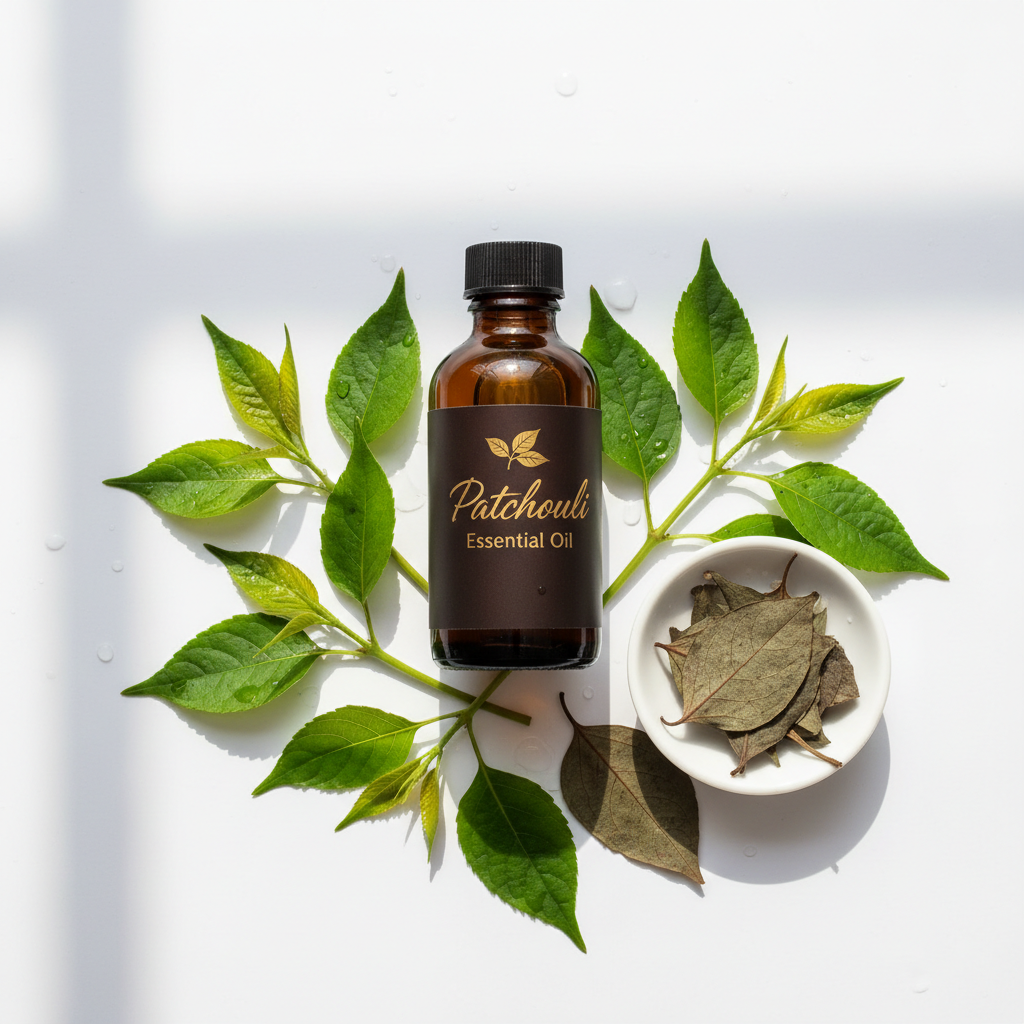
Patchouli Essential Oil
Pogostemon cablin
Patchouli essential oil, scientifically known as Pogostemon cablin, is an essential oil that has captured the interest of both the aromatherapy community and the fragrance industry. Its extraction is primarily through steam distillation of the leaves, a method that preserves the potent aromatic profiles and therapeutic properties, resulting in a deep, earthy fragrance that is instantly recognizable. ### Origin and Extraction Method Originating from tropical regions of Asia, especially countries like Indonesia and the Philippines, patchouli is a perennial herb that grows up to 1 meter tall. The steam distillation process involves harvesting the leaves, wilting them for a few days, and then passing steam through the plant material, which extracts the essential oil. This oil is beloved not just for its scent but also for its historical significance in ancient trade routes. ### Botanical Information Patchouli belongs to the mint family, Lamiaceae, and has broad, oval-shaped leaves that emit a distinct aroma when crushed. The plant thrives in warm, humid climates, which contribute to its high-quality oil yield. The unique composition of patchouli oil, featuring notable constituents such as patchoulol, contributes to its rich fragrance and numerous health benefits. ### Therapeutic Properties and Benefits Patchouli essential oil is celebrated in aromatherapy for its wide range of therapeutic properties: - **Stress Relief:** Known to reduce feelings of anxiety and promote a sense of calm. - **Mood Enhancement:** Commonly used to uplift spirits and improve emotional balance. - **Emotional Grounding:** Helps foster stability during turbulent emotional times, making it a favorite among those seeking mental clarity. - **Skin Care:** Often incorporated in skincare for its antifungal properties and ability to rejuvenate the skin, making it ideal for treating acne and improving mature skin's appearance. - **Digestive Aid:** Can soothe digestive issues and promote healthy digestion. - **Pain Relief:** Known for its analgesic properties, it may help alleviate mild aches and pains. ### Historical and Traditional Uses The use of patchouli can be traced back to ancient civilizations. It was popular in the perfume trade, particularly in conjunction with silk production. Traders would often use patchouli to protect fabrics from insects and add an exotic aroma. In addition to its use in perfumes, patchouli has significant cultural significance in various traditions, particularly in Hinduism and Ayurveda, where it is believed to enhance spiritual practices and rituals. ### Scientific Facts and Research Numerous studies have been conducted on the benefits of patchouli essential oil. Research indicates that the oil has significant anti-inflammatory and antibacterial properties, contributing to its effectiveness in treating skin conditions. Furthermore, the calming effect of patchouli oil has been backed by scientific understanding of how aromatherapy impacts the limbic system, the part of the brain responsible for emotions. ### Aroma Profile and Characteristics Patchouli essential oil possesses a unique aroma—deep, musky, and earthy—making it a versatile base note in perfumery. Its scent can be described as both robust and calming, often evoking a sense of tranquility which is why it pairs beautifully with other essential oils such as lavender, cedarwood, and bergamot. ### Common Applications and Methods Patchouli essential oil is widely used in various applications: - **Aromatherapy:** Often used in diffusers, inhalation practices, and mixed with carriers for topical applications. - **Home Fragrance:** Added to candles, incense, and potpourri for its rich, soothing aroma. - **Skin Care Products:** Incorporated into lotions, creams, and oils for its beneficial properties. - **Hair Care:** Added to shampoos and conditioners to enhance scalp health and strengthen hair. ### Interesting Facts and Trivia - Patchouli oil was considered a sign of wealth and sophistication in Victorian England, commonly used to scent garments. - The oil's role in the hippie movement of the 1960s popularized its use and introduced it to a broader audience, leading to its status as a symbol of peace and love. In conclusion, Patchouli essential oil is not just valued for its captivating scent but is also appreciated for its extensive health benefits, rich history, and diverse applications. As a foundational oil in both aromatherapy and perfumery, patchouli continues to be a cherished favorite among those seeking both relaxation and rejuvenation.
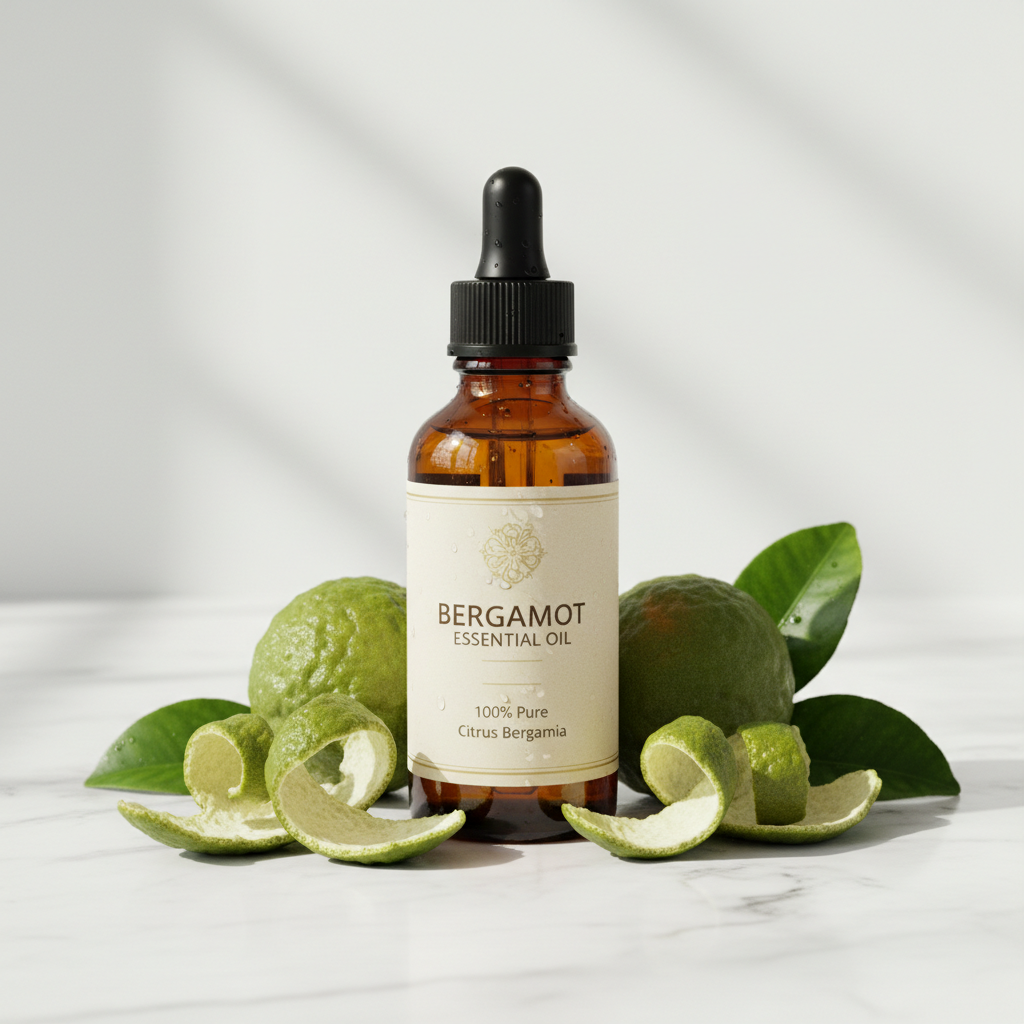
Bergamot Essential Oil
Citrus bergamia
### Introduction to Bergamot Essential Oil Bergamot essential oil is extracted from the peel of the Citrus bergamia fruit, a small citrus fruit primarily grown in the Mediterranean region, particularly in Calabria, Italy. Known for its bright, uplifting, and soothing scent, this essential oil has garnered a reputation beyond just aromatherapy; it's widely utilized in the perfume industry and wellness practices alike. ### Origin and Extraction Method The extraction of bergamot essential oil is primarily performed through cold pressing, a method that involves mechanically pressing the fruit peel without heat. This process preserves the oil's vibrant and fresh aroma along with its therapeutic characteristics. The cold-pressed technique allows for a pure and potent oil that retains the natural qualities of the bergamot fruit. ### Botanical Information Botanically, bergamot belongs to the Rutaceae family and is classified as Citrus bergamia. The plant typically grows to about 3 to 4 meters tall and features glossy green leaves and fragrant white or pale yellow flowers. The fruit itself resembles a lime or small orange, and its unique scent profile is a blend of citrusy and floral notes. ### Therapeutic Properties and Benefits Bergamot essential oil is celebrated for an array of therapeutic properties, including: - **Mood Enhancement:** One of the primary benefits of bergamot essential oil is its ability to uplift and enhance mood. When diffused or applied topically, it is known for creating a sense of calm and well-being, particularly valuable for those experiencing anxiety or stress. - **Stress Relief:** The soothing scent of bergamot is often used in aromatherapy practices to alleviate stress and promote relaxation. It helps reduce cortisol levels, making it an excellent addition to any stress-relief routine. - **Emotional Balance:** Bergamot supports emotional health, assisting with feelings of grief or sadness. It fosters a sense of emotional stability, making it beneficial for individuals experiencing mood swings or emotional turmoil. - **Facilitates Meditation:** Incorporating bergamot into meditation or yoga practices enhances the overall mindfulness experience. Its calming aroma can create a serene environment conducive to deeper relaxation and focus. ### Historical and Traditional Uses Historically, bergamot has been used in various traditional practices, particularly in Italian folk medicine. The oil was often employed to help with digestive issues, reduce fever, and as a remedy for skin ailments. Additionally, it is famously used to flavor Earl Grey tea, imparting its unique taste and aroma to this popular beverage. ### Scientific Facts and Research Research supports the many benefits of bergamot essential oil. Studies indicate that bergamot can reduce anxiety and stress levels, with some focusing on its ability to lower heart rate and blood pressure. Its antibacterial and antifungal properties have also been recognized, making it useful in skincare regimens and for overall skin health. ### Aroma Profile and Characteristics The aroma of bergamot essential oil is often described as fresh, citrusy, and slightly floral. This inviting scent profile makes it a popular choice for perfumers and aromatherapists alike. Its versatility allows it to blend beautifully with other essential oils, such as lavender, cedarwood, and geranium, enhancing their collective aroma and benefits. ### Common Applications and Methods Bergamot essential oil is versatile and can be used in numerous applications: - **Aromatherapy:** Diffuse in an essential oil diffuser or inhale directly from the bottle for an instant mood boost. - **Topical Application:** Dilute with carrier oils and apply to pulse points or problematic skin areas for therapeutic effects. - **Baths:** Add a few drops to a warm bath for a calming soak that relieves stress and promotes relaxation. - **DIY Products:** Use in homemade lotions, creams, or candles to enjoy its delightful scent while reaping its benefits. ### Interesting Facts and Trivia - Bergamot essential oil is prized for its use in creating perfumes, with its scent being a key ingredient in the iconic Eau de Cologne. - The oil is often used in culinary dishes as well, especially in desserts, to add a unique citrus flavor. - Bergamot trees can produce fruit for over 50 years, making them a sustainable source of essential oil. ### Conclusion With its enchanting aroma and array of therapeutic benefits, bergamot essential oil proves to be a valuable addition to any essential oil collection. Whether you're seeking mood enhancement, emotional support, or simply wish to enjoy its delightful scent, bergamot offers a rich history and robust health benefits that make it a must-try essential oil.
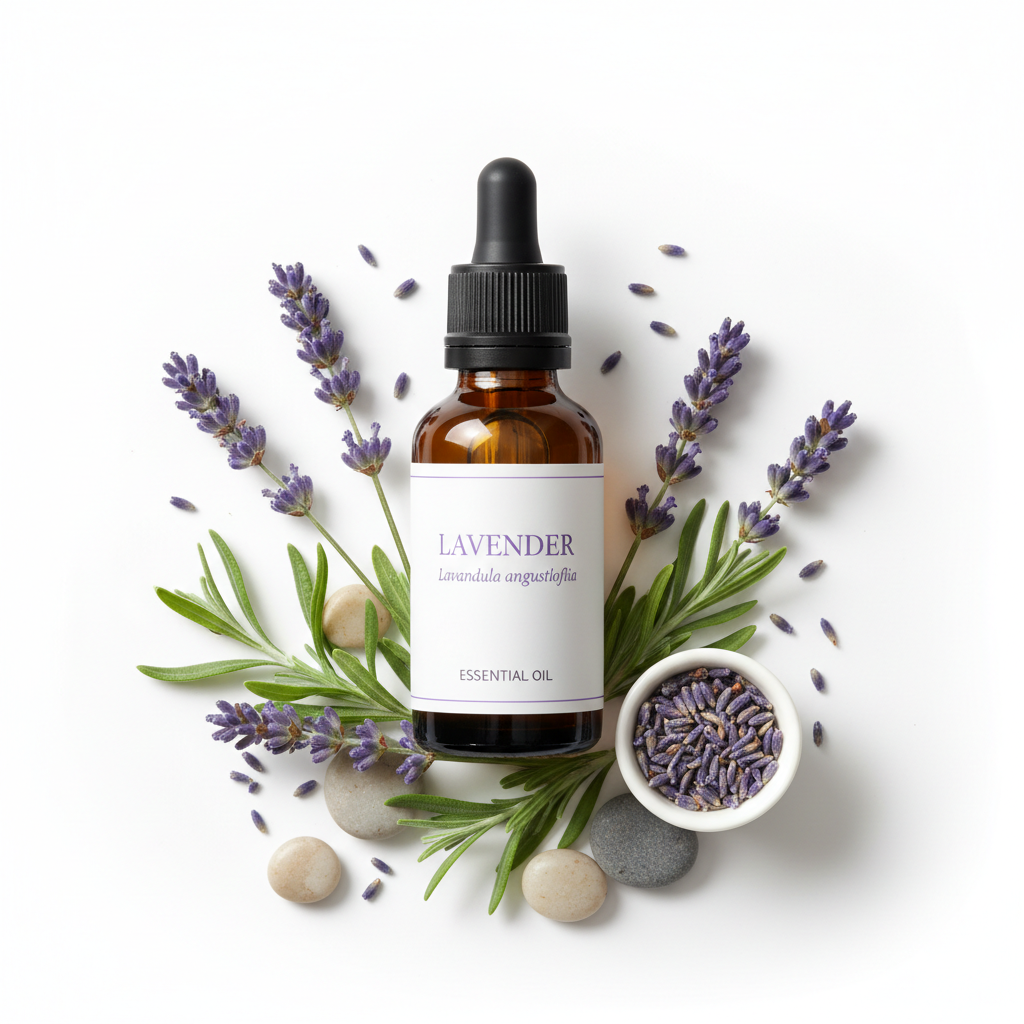
Lavender Essential Oil
Lavandula angustifolia
## Lavender Essential Oil: A Comprehensive Guide Lavender essential oil, extracted from the lavender plant (Lavandula angustifolia), is one of the most well-known and widely used essential oils today. It is celebrated for its relaxing properties and a range of therapeutic benefits that promote mental, emotional, and physical well-being. ### Origin and Extraction Method Lavender is native to the Mediterranean region, especially in areas of France, Italy, and Spain, where it flourishes in dry, sunny climates. The oil is obtained through steam distillation of the delicate flowering tops of the lavender plant. This method preserves the oil's delicate chemical composition, fostering its aromatic and therapeutic qualities, making it a staple in aromatherapy and natural health practices. ### Botanical Information Lavandula angustifolia, commonly known as true lavender, belongs to the Lamiaceae (mint) family. The plant typically reaches about 1 meter in height and has slender, greenish-gray leaves adorned with vibrant purple flowers. The distinctive aroma emanates from the plant's essential oil, which comprises various aromatic compounds such as linalool, linalyl acetate, and camphor, recognized for their calming effects. ### Therapeutic Properties and Benefits Lavender essential oil offers a myriad of therapeutic benefits, including: - **Promoting Relaxation:** Known as an anxiolytic, lavender oil effectively reduces anxiety and stress, helping to promote a sense of calm and tranquility. - **Improving Sleep Quality:** It is widely recommended as a natural remedy for insomnia and sleep disturbances. Adding a few drops to a diffuser or pillow can help induce restful sleep. - **Enhancing Mood and Emotional Balance:** Lavender oil can uplift mood and support emotional stability, making it beneficial for those experiencing sadness or irritability. - **Alleviating Headaches and Migraines:** Inhaling lavender oil or applying diluted oil to the temples may provide relief from headaches and migraines. - **Soothing Muscle Tension:** The anti-inflammatory properties of lavender oil make it effective for soothing sore muscles and reducing tension. - **Supporting Respiratory Health:** With its antiseptic properties, lavender oil may alleviate symptoms associated with colds, allergies, and respiratory infections. ### Historical and Traditional Uses Historically, lavender has been treasured for its medicinal and aromatic properties for centuries. Ancient Egyptians utilized lavender for mummification and as a cosmetic fragrance. Romans added it to their baths to relieve stress and enhance mood. In the Middle Ages, lavender symbolized purity, often used in perfumes and sachets, and its presence was common in homes to ward off pests. ### Scientific Facts and Research Numerous scientific studies have validated the benefits of lavender essential oil. Research published in *Evidence-Based Complementary and Alternative Medicine* confirmed that individuals who inhaled lavender experienced significant reductions in anxiety and improved sleep quality compared to placebo groups. Furthermore, studies indicate that lavender oil may influence neurotransmitter systems, enhancing its sedative effects. ### Aroma Profile and Characteristics Lavender essential oil possesses a sweet, floral, and herbaceous aroma that is both uplifting and calming. Its scent, often described as fresh and clean, makes it a popular choice in aromatherapy blends, personal care products, and home fragrances. The calming aroma can cultivate a serene environment, ideal for meditation and relaxation practices. ### Common Applications and Methods Lavender essential oil's versatility allows for a variety of applications: - **Aromatherapy:** Diffusing lavender oil in your home purifies the air and creates a relaxing atmosphere, beneficial for stress relief. - **Topical Use:** Diluting lavender oil with a carrier oil for massages or targeted skin applications helps alleviate pain and supports skin health. - **Baths:** Adding lavender oil to bathwater not only promotes relaxation but also eases muscle tension and soothes the mind. - **Culinary Uses:** When used in moderation, lavender adds a unique flavor to culinary dishes, commonly included in herbal teas, desserts, and infused syrups. ### Interesting Facts and Trivia - Lavender is often regarded as the “universal oil” due to its myriad benefits and applications across different practices. - It takes approximately 250 pounds of lavender flowers to produce about 1 pound of essential oil, demonstrating its value and potency. - The color purple, associated with lavender, symbolizes tranquility and peace, reflecting its effects on the mind and body. - Additionally, lavender is renowned for attracting pollinators like bees and butterflies, contributing positively to local biodiversity. In conclusion, lavender essential oil is not only remarkable with its profound history but also offers extensive benefits and versatile applications. Whether used to promote relaxation, enhance mood, or enjoy aromatic qualities, it plays an essential role in holistic health. Incorporate lavender essential oil into your daily routine for a touch of serenity and a pathway to balance your emotional and physical well-being.