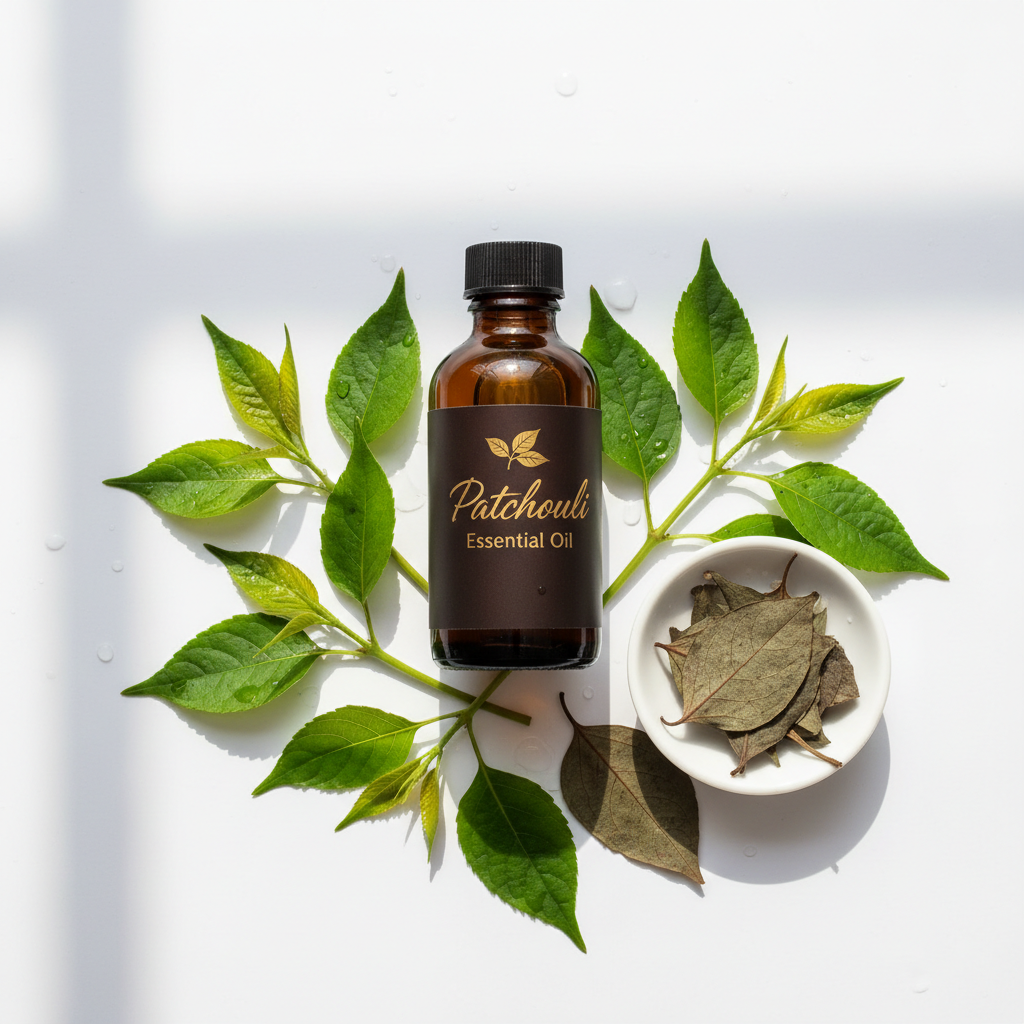
Patchouli Essential Oil
Pogostemon cablin
Plant Source
Leaves
Scent Family
Earthy
"Discover the benefits of Patchouli essential oil, its extraction process, and traditional uses. Learn about its properties and applications in aromatherapy."
Patchouli essential oil, scientifically known as Pogostemon cablin, is an essential oil that has captured the interest of both the aromatherapy community and the fragrance industry. Its extraction is primarily through steam distillation of the leaves, a method that preserves the potent aromatic profiles and therapeutic properties, resulting in a deep, earthy fragrance that is instantly recognizable.
Origin and Extraction Method
Originating from tropical regions of Asia, especially countries like Indonesia and the Philippines, patchouli is a perennial herb that grows up to 1 meter tall. The steam distillation process involves harvesting the leaves, wilting them for a few days, and then passing steam through the plant material, which extracts the essential oil. This oil is beloved not just for its scent but also for its historical significance in ancient trade routes.
Botanical Information
Patchouli belongs to the mint family, Lamiaceae, and has broad, oval-shaped leaves that emit a distinct aroma when crushed. The plant thrives in warm, humid climates, which contribute to its high-quality oil yield. The unique composition of patchouli oil, featuring notable constituents such as patchoulol, contributes to its rich fragrance and numerous health benefits.
Therapeutic Properties and Benefits
Patchouli essential oil is celebrated in aromatherapy for its wide range of therapeutic properties:
- Stress Relief: Known to reduce feelings of anxiety and promote a sense of calm.
- Mood Enhancement: Commonly used to uplift spirits and improve emotional balance.
- Emotional Grounding: Helps foster stability during turbulent emotional times, making it a favorite among those seeking mental clarity.
- Skin Care: Often incorporated in skincare for its antifungal properties and ability to rejuvenate the skin, making it ideal for treating acne and improving mature skin's appearance.
- Digestive Aid: Can soothe digestive issues and promote healthy digestion.
- Pain Relief: Known for its analgesic properties, it may help alleviate mild aches and pains.
Historical and Traditional Uses
The use of patchouli can be traced back to ancient civilizations. It was popular in the perfume trade, particularly in conjunction with silk production. Traders would often use patchouli to protect fabrics from insects and add an exotic aroma. In addition to its use in perfumes, patchouli has significant cultural significance in various traditions, particularly in Hinduism and Ayurveda, where it is believed to enhance spiritual practices and rituals.
Scientific Facts and Research
Numerous studies have been conducted on the benefits of patchouli essential oil. Research indicates that the oil has significant anti-inflammatory and antibacterial properties, contributing to its effectiveness in treating skin conditions. Furthermore, the calming effect of patchouli oil has been backed by scientific understanding of how aromatherapy impacts the limbic system, the part of the brain responsible for emotions.
Aroma Profile and Characteristics
Patchouli essential oil possesses a unique aroma—deep, musky, and earthy—making it a versatile base note in perfumery. Its scent can be described as both robust and calming, often evoking a sense of tranquility which is why it pairs beautifully with other essential oils such as lavender, cedarwood, and bergamot.
Common Applications and Methods
Patchouli essential oil is widely used in various applications:
- Aromatherapy: Often used in diffusers, inhalation practices, and mixed with carriers for topical applications.
- Home Fragrance: Added to candles, incense, and potpourri for its rich, soothing aroma.
- Skin Care Products: Incorporated into lotions, creams, and oils for its beneficial properties.
- Hair Care: Added to shampoos and conditioners to enhance scalp health and strengthen hair.
Interesting Facts and Trivia
- Patchouli oil was considered a sign of wealth and sophistication in Victorian England, commonly used to scent garments.
- The oil's role in the hippie movement of the 1960s popularized its use and introduced it to a broader audience, leading to its status as a symbol of peace and love.
In conclusion, Patchouli essential oil is not just valued for its captivating scent but is also appreciated for its extensive health benefits, rich history, and diverse applications. As a foundational oil in both aromatherapy and perfumery, patchouli continues to be a cherished favorite among those seeking both relaxation and rejuvenation.
Ask AI About Patchouli Essential Oil
Get instant answers about this essential oil
Benefits & Uses
- Stress relief: Helps reduce feelings of stress and promote a sense of calm.
- Mood enhancement: Uplifts spirits and fosters a positive mental state.
- Emotional grounding: Promotes stability and balance during overwhelming periods.
- Increased self-esteem: Can boost confidence and improve self-image.
- Emotional support: Provides comfort and reassurance during emotional upheavals.
- Digestive aid: Helps soothe digestive discomfort and promote healthy digestion.
- Anti-fungal properties: Can be used to combat fungal infections.
- Pain relief: May assist in alleviating mild aches and pains.
- Skin rejuvenation: Helps improve the appearance of mature skin and acne.
- Hair care: Can strengthen hair follicles and enhance scalp health.
- Acne treatment: Helps manage breakouts and reduces scarring.
- Wrinkle reducer: Improves skin elasticity and reduces the appearance of wrinkles.
- Moisturizing agent: Used in creams to hydrate and nourish skin.
- Scalp treatment: Supports a healthy scalp and may mitigate dandruff.
- Natural insect repellent: Acts as a deterrent for bugs and pests.
- Air freshener: Infuses spaces with a relaxing, earthy scent.
- Room deodorizer: Helps neutralize unpleasant odors in various areas of the home.
- Cleaning ingredient: Added to homemade cleaning solutions for antimicrobial properties.
How to Use
Diffuser
Add 3-5 drops of patchouli oil for small rooms, 5-8 drops for medium, and 8-12 drops for large rooms. Diffuse for sessions of 30-60 minutes and can be repeated 2-3 times daily, best in the evenings or when stress relief is needed.
Topical
For topical use: dilute to 2-3% for adults, 0.5-1% for children, and 1-2% for elderly individuals. Good carrier oils include jojoba, sweet almond, or coconut. Apply to areas of tension or where moisture is needed with gentle massage for effective absorption.
Inhalation
For direct inhalation, place 1-2 drops on a tissue or use hands cupping around the nose. For steam inhalation, add 2-3 drops to hot water and inhale the steam for 5-10 minutes. A personal inhaler can also be prepared for individual use.
Safety & Precautions
Conduct a patch test prior to use to check for irritation. Avoid direct sunlight for 12 hours after topical application due to potential photosensitivity. Pregnant or nursing individuals should consult a healthcare provider. Store in a cool, dark place and use within 1-2 years for optimal freshness.
Who should avoid:
- Pregnant or breastfeeding individuals without prior consultation.
- People with hypersensitivity to plants in the mint family.
- Those currently taking anticoagulant medications.
Recommended Products

Understanding the aromatic layers of Patchouli Essential Oil
Top Notes
Heart Notes
Base Notes
Scent Evolution
Top Notes: First impression, evaporate quickly (15-30 min)
Heart Notes: Main character, last 2-4 hours
Base Notes: Lasting foundation, linger for hours
Complementary essential oils that pair beautifully with Patchouli Essential Oil
Abyssinian Carrier Oil
Crambe abyssinica
✓similar chemical compositions
Ajowan Seed Essential Oil
Trachyspermum ammi
✓balanced scent profile
Allspice Essential Oil
Pimenta dioica
✓enhanced aromatherapy benefits
Ammi Visnaga Essential Oil
Ammi visnaga
✓traditional pairing in aromatherapy
Amyris Essential Oil
Amyris balsamifera
✓traditional pairing in aromatherapy
Angelica Essential Oil
Angelica archangelica
✓enhanced aromatherapy benefits
Blending Tips
- • Start with 2-3 oils for simple blends
- • Use 3-5 drops total per 10ml carrier oil
- • Let blends sit for 24-48 hours to marry
- • Test on a small skin area first
Calculating for: Patchouli Essential Oil
Recommended: 2% | Max safe: 5%
29.57 ml
Your Recipe
0.59 ml
28.98 ml
💡 Dilution Tips
- • Always do a patch test before full application
- • Children and elderly need lower dilutions (1-2%)
- • Facial products should be gentle (0.5-1%)
- • 1 drop ≈ 0.05 ml (20 drops per ml)
- • Common carrier oils: fractionated coconut, jojoba, sweet almond
Recipes Using Patchouli Essential Oil
Related Recipes
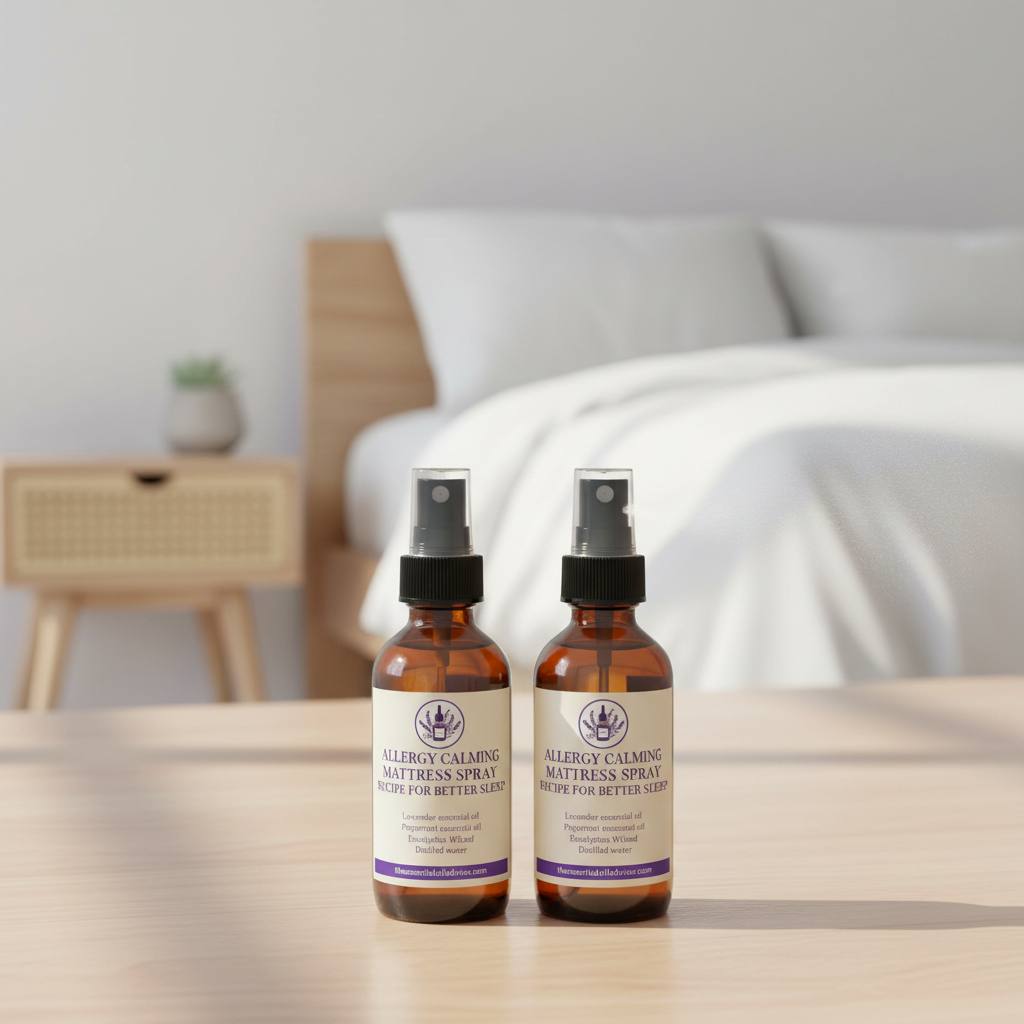
Allergy Calming Mattress Spray Recipe for Better Sleep
Discover the calming recipe for a mattress spray that relieves allergy symptoms and promotes a restful night's sleep in your home.
Aromatherapy Recipe: Under-Bed Storage Drawer Bombs
Discover this simple recipe for Under-Bed Storage Drawer Aroma Bombs, perfect for freshening up your space with delightful scents!

Calming Essential Oil Pillow Mist Recipe for Relaxation
Discover this easy recipe for a soothing pillow mist that features lavender and bergamot for ultimate relaxation and better sleep.

Calming Lavender Linen Spray Recipe
A gentle, relaxing linen and room spray that promotes restful sleep and calm using lavender, chamomile, and cedarwood essential oils.

DIY Acne Calming Gel Spot Treatment Recipe for Clear Skin
Explore our DIY acne calming gel spot treatment recipe to soothe inflammation and fight breakouts using natural ingredients for healthier skin.
DIY Candle Making Fragrance Blend Recipe for Aromatic Bliss
Discover how to create a delightful essential oil blend recipe tailored for your candle making needs, enhancing your home with captivating scents.