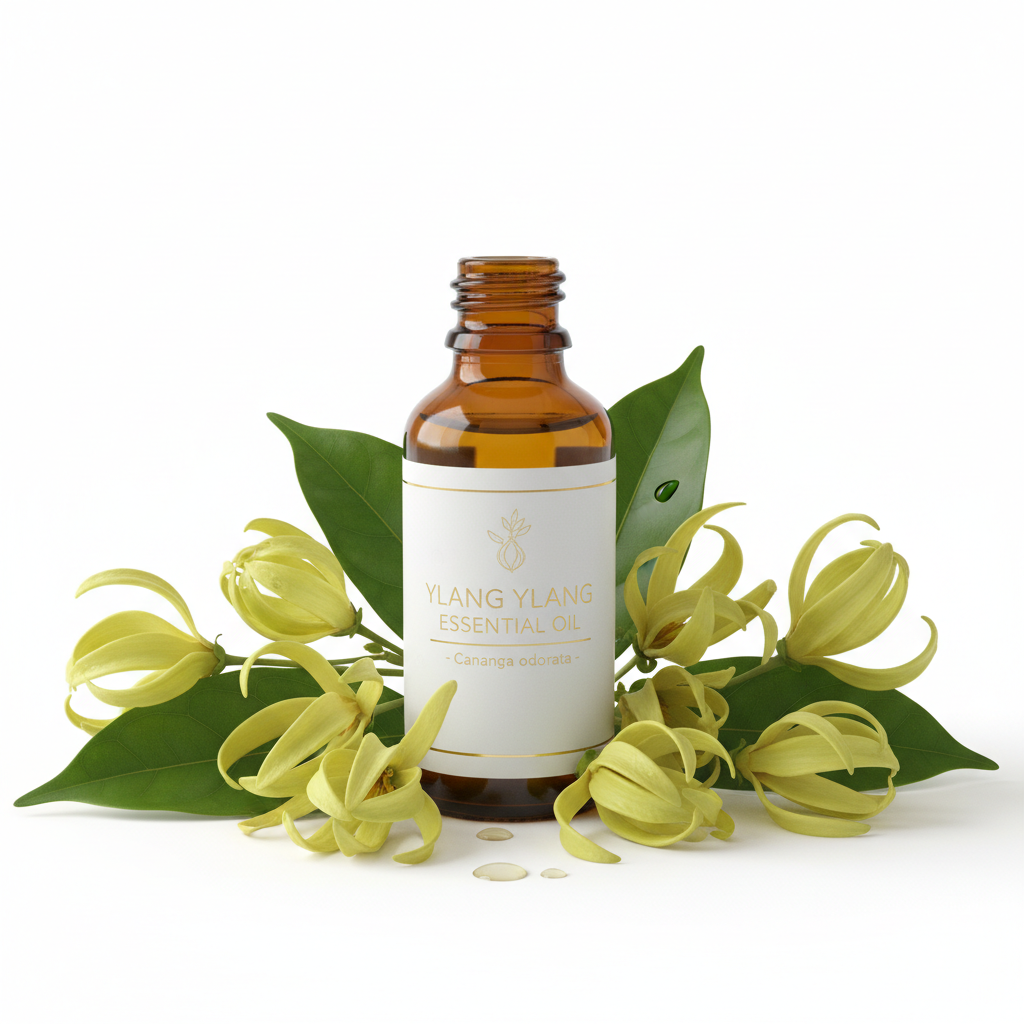
Ylang Ylang Essential Oil
Cananga odorata
Plant Source
Flowers
Scent Family
Floral
"Discover Ylang Ylang essential oil benefits, extraction info, aroma profile, and historical uses. Explore its therapeutic properties for wellness."
Ylang Ylang Essential Oil: An In-Depth Guide
Ylang Ylang essential oil, extracted from the vibrant yellow flowers of the Cananga odorata tree, is celebrated for its sweet, floral aroma and numerous therapeutic properties. Known as "the flower of flowers," Ylang Ylang originates from Southeast Asia and has been treasured by ancient cultures for centuries.
Origin and Extraction Method
The Cananga odorata tree thrives in tropical climates, especially in countries like Indonesia, the Philippines, and Madagascar. Ylang Ylang essential oil is primarily extracted using steam distillation, which captures the delicate fragrance and beneficial compounds from the blossoms. The extraction process is crucial, as it defines the quality of the oil, with different distillation durations resulting in various grades: Ylang Ylang Extra, Grade I, II, and III. Each grade possesses unique aromatic qualities and potency.
Botanical Information
Ylang Ylang, a flowering plant in the Annonaceae family, can grow up to 20 meters tall. Its striking yellow flowers bloom in clusters and have historically symbolized love and beauty. Rich in monoterpene compounds such as linalool and geranyl acetate, Ylang Ylang essential oil boasts a chemical profile that contributes to its calming and balancing properties.
Therapeutic Properties and Benefits
Ylang Ylang essential oil is revered in aromatherapy for its diverse range of benefits, including:
- Stress Relief: The oil has calming effects known to reduce anxiety and stress levels, promoting tranquility in daily life.
- Mood Enhancement: Its floral scent serves as a natural mood lifter, helping to alleviate feelings of sadness and negativity.
- Emotional Balance: Many employ Ylang Ylang to stabilize emotions, providing support for those experiencing mood swings or emotional upheaval.
- Romantic Atmosphere: Known for its aphrodisiac qualities, it is often used in romantic settings to strengthen emotional connections.
- Skin Nourishment: This essential oil enhances skin texture and hydration, making it wonderful for adding to skincare routines, particularly for dry or aging skin.
- Hair Care: Ylang Ylang is recognized for promoting healthy hair growth and scalp health, frequently included in shampoos and hair treatments.
- Inflammation Reduction: It may aid in reducing inflammation and soothing irritation, providing relief for various discomforts.
- Digestive Support: The oil can assist with digestive issues, alleviating symptoms such as bloating and nausea.
- Respiratory Aid: Often used in diffusion, it supports respiratory functions by calming the passages, making it easier to breathe during colds or allergies.
Historical and Traditional Uses
Ylang Ylang has a rich history, traditionally utilized in Southeast Asian cultures for spiritual and medicinal purposes. In Indonesia, flower petals were spread on the beds of newlywed couples to enhance romance. In traditional medicine, Ylang Ylang is used to treat a variety of ailments, including skin infections and hypertension. Its integration into religious and cultural rituals highlights its significance across generations.
Scientific Facts and Research
Recent scientific studies have explored the oil's potential health benefits, with research indicating its effectiveness in reducing cortisol levels, thereby alleviating stress. Studies also suggest its positive impact on mental health, helping to combat depression and anxiety through its uplifting aroma.
Aroma Profile and Characteristics
Ylang Ylang essential oil has a distinctive, sweet floral scent with hints of fruity and spicy undertones. The unique aroma profile makes it a popular choice in perfumery and cosmetic applications, where it is used to create luxurious fragrances. The scent's complexity means it can blend beautifully with other essential oils, such as bergamot and sandalwood, enhancing its aromatic appeal.
Common Applications and Methods
Ylang Ylang essential oil can be used in various ways:
- Aromatherapy: Diffusing the oil in a space can create a calming atmosphere.
- Massage: Diluting with a carrier oil allows for therapeutic massage, enhancing relaxation.
- Skincare: Adding to skincare formulations can nourish and rejuvenate the skin.
- Hair Care: Incorporate into shampoos or conditioners for added hydration and care.
Interesting Facts and Trivia
- Ylang Ylang essential oil is one of the key ingredients in the famous Chanel No. 5 perfume.
- The name "Ylang Ylang" comes from the Tagalog language, meaning "flower of flowers."
- Its antiseptic properties make it valuable in natural health remedies.
In conclusion, Ylang Ylang essential oil is not only a fragrant addition to aromatherapy and cosmetics but also a compound with diverse therapeutic properties and historical significance. Whether used for relaxation, skincare, or enhancing romantic encounters, its applications are vast, making it a cherished essential oil in holistic wellness.
Ask AI About Ylang Ylang Essential Oil
Get instant answers about this essential oil
Benefits & Uses
- Stress Relief: Calming effects help reduce daily stressors and promote a sense of peace.
- Mood Enhancement: Its uplifting scent can boost mood and encourage a positive mindset.
- Emotional Balance: Supports emotional stability and helps manage mood swings.
- Romantic Atmosphere: Creates a loving and intimate environment, enhancing connections with partners.
- Grounding: Assists in grounding overactive emotions, fostering clarity of thought.
- Skin Nourishment: Helps to improve skin texture and hydration, making it ideal for dry or mature skin.
- Hair Care: Promotes healthy hair and scalp, often used in shampoos and conditioners.
- Inflammation Reduction: May alleviate discomfort from inflammation-related conditions.
- Digestive Support: Can aid in digestion and alleviate symptoms of discomfort.
- Respiratory Aid: Supports respiratory health by soothing breathing passages.
- Facial Blend: Useful in facial oils for dry or mature skin types.
- Moisturizer: Adds hydration when mixed with lotions or creams.
- Hair Treatment: Can be added to hair products to enhance shine and health.
- Perfume: A key ingredient in many natural perfumes for its intoxicating scent.
- Air Freshener: Diffused to freshen and purify the air.
- Mood Enhancer: Used in home diffusers to create a calming ambiance.
- Natural Insect Repellent: Distilled properties may help repel common home insects.
- Scented Candles: Often featured in candles for its fragrant profile.
How to Use
Diffuser
For small rooms: 3-5 drops; medium rooms: 5-8 drops; large rooms: 8-12 drops. Diffuse for 30-60 minutes, 2-3 times daily. Best used in the evening or during meditation practices.
Topical
Dilute to 2-3% for adults (12-18 drops per oz of carrier oil), 0.5-1% for children (3-6 drops per oz), and 1-2% for elderly (6-12 drops per oz). Recommended carriers include sweet almond or jojoba. Massage into skin, focusing on areas of tension, allowing to absorb fully.
Inhalation
For direct inhalation, place 1-2 drops on a tissue and breathe deeply. For steam inhalation, add 2-3 drops to hot water and inhale the vapor for 5-10 minutes. Personal inhalers may also be used to keep the aroma close.
Safety & Precautions
Always perform a patch test prior to topical use. Can cause photosensitivity; avoid sun exposure for 12 hours after application. Not recommended during the first trimester of pregnancy or while nursing. Ensure it is stored in a cool, dark place, away from children.
Who should avoid:
- Pregnant women (especially first trimester)
- Individuals with hormone-sensitive conditions
- Individuals taking blood pressure medication
- Children under 2 years old
- Those with sensitive skin or allergies
Recommended Products

Understanding the aromatic layers of Ylang Ylang Essential Oil
Top Notes
Heart Notes
Base Notes
Scent Evolution
Top Notes: First impression, evaporate quickly (15-30 min)
Heart Notes: Main character, last 2-4 hours
Base Notes: Lasting foundation, linger for hours
Complementary essential oils that pair beautifully with Ylang Ylang Essential Oil
Abyssinian Carrier Oil
Crambe abyssinica
✓similar chemical compositions
Agarwood Essential Oil
Aquilaria
✓similar chemical compositions
Ajowan Seed Essential Oil
Trachyspermum ammi
✓traditional pairing in aromatherapy
Allspice Essential Oil
Pimenta dioica
✓complementary therapeutic properties
Ammi Visnaga Essential Oil
Ammi visnaga
✓similar chemical compositions
Amyris Essential Oil
Amyris balsamifera
✓similar chemical compositions
Blending Tips
- • Start with 2-3 oils for simple blends
- • Use 3-5 drops total per 10ml carrier oil
- • Let blends sit for 24-48 hours to marry
- • Test on a small skin area first
Calculating for: Ylang Ylang Essential Oil
Recommended: 2% | Max safe: 5%
29.57 ml
Your Recipe
0.59 ml
28.98 ml
💡 Dilution Tips
- • Always do a patch test before full application
- • Children and elderly need lower dilutions (1-2%)
- • Facial products should be gentle (0.5-1%)
- • 1 drop ≈ 0.05 ml (20 drops per ml)
- • Common carrier oils: fractionated coconut, jojoba, sweet almond
Recipes Using Ylang Ylang Essential Oil
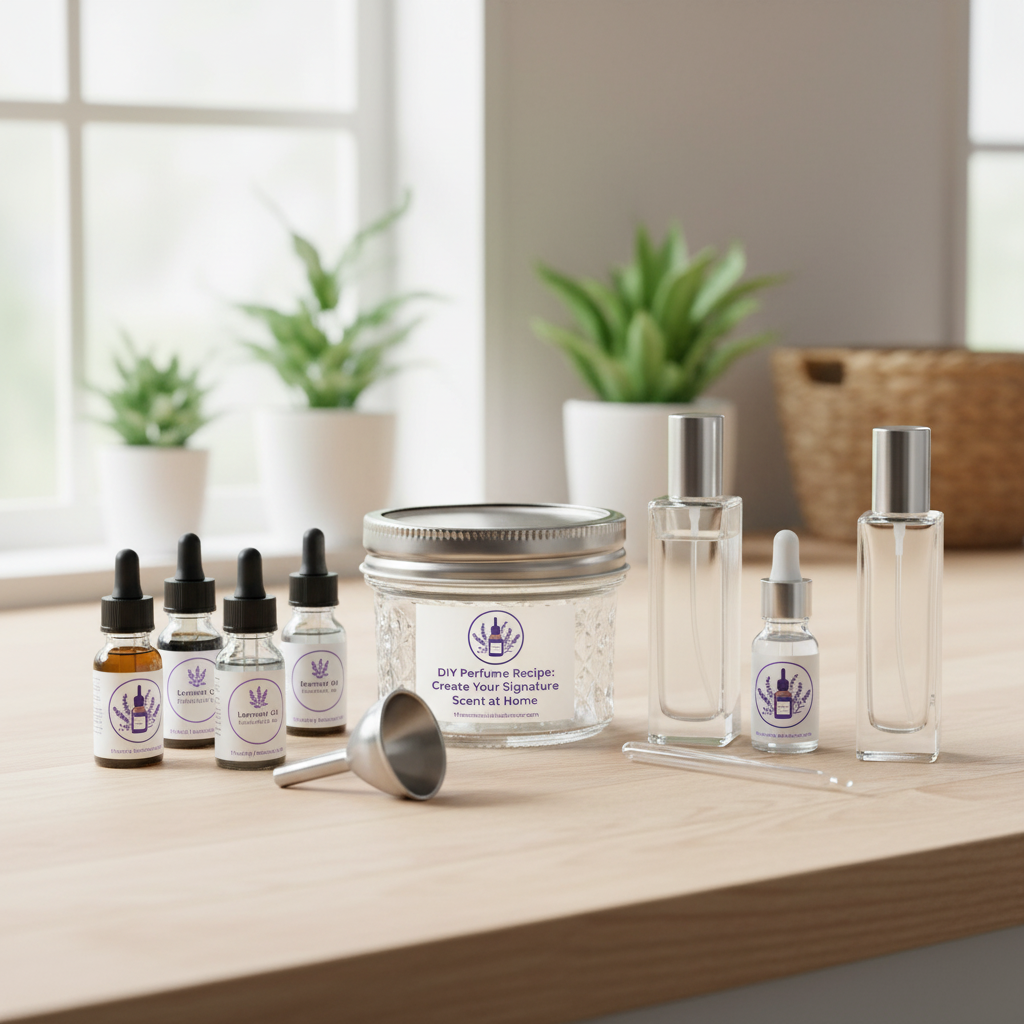
DIY Perfume Recipe: Create Your Signature Scent at Home
This DIY perfume recipe lets you craft a unique fragrance that lifts your spirits and is great for daily wear or celebrations.
Ylang Ylang Face Cleanser Recipe for Glowing Skin
Discover our Ylang Ylang Face Cleanser recipe. This gentle DIY skincare formula promotes skin wellness and is perfect for all skin types.
Related Recipes
Aromatherapy Recipe: Under-Bed Storage Drawer Bombs
Discover this simple recipe for Under-Bed Storage Drawer Aroma Bombs, perfect for freshening up your space with delightful scents!

Calming Essential Oil Pillow Mist Recipe for Relaxation
Discover this easy recipe for a soothing pillow mist that features lavender and bergamot for ultimate relaxation and better sleep.

Calming Lavender Linen Spray Recipe
A gentle, relaxing linen and room spray that promotes restful sleep and calm using lavender, chamomile, and cedarwood essential oils.

DIY Acne Calming Gel Spot Treatment Recipe for Clear Skin
Explore our DIY acne calming gel spot treatment recipe to soothe inflammation and fight breakouts using natural ingredients for healthier skin.
DIY Acne Scar Fading Serum Recipe with Essential Oils
Discover this DIY serum recipe to effectively reduce acne scars and promote skin healing using natural essential oils like rosehip and lavender.
DIY Anti-Mosquito Aroma Pouches Recipe for Outdoors
Discover this easy recipe for DIY anti-mosquito aroma pouches that provide a natural way to keep mosquitoes away during your outdoor gatherings.