Ylang Ylang Face Cleanser Recipe for Glowing Skin
Discover our Ylang Ylang Face Cleanser recipe. This gentle DIY skincare formula promotes skin wellness and is perfect for all skin types.
Ylang Ylang Face Cleanser Recipe for Glowing Skin
Discover our Ylang Ylang Face Cleanser recipe. This gentle DIY skincare formula promotes skin wellness and is perfect for all skin types.
Benefits & What to Expect
Benefits & What to Expect
What is This Recipe Good For?
Our Ylang Ylang Face Cleanser recipe offers a gentle yet effective solution for maintaining skin wellness. Designed to nourish and cleanse, this DIY formulation enhances your skincare routine, promoting a radiant and healthy complexion. The combination of ingredients targets impurities while moisturizing the skin, making it suitable for all skin types, including sensitive skin.
Using this cleanser can help you achieve a fresh-faced glow, helping to remove dirt and makeup without stripping your skin of its natural oils. As you integrate this cleanser into your daily regimen, you can expect your skin to feel revitalized and clean, preparing it for subsequent skincare products.
Purpose and Who It Helps
This face cleanser is perfect for those seeking a natural alternative to commercial products. It is especially beneficial for individuals with dry or mature skin, as Ylang Ylang essential oil is known for its moisturizing properties. Additionally, those concerned about harsh chemicals in their skincare may find peace of mind in this gentle formulation. Overall, this recipe serves anyone passionate about gentle, plant-based skincare solutions.
Ingredient Breakdown
- Distilled Water (7 oz): Serves as the base for the cleanser, providing hydration and a safe medium for other ingredients.
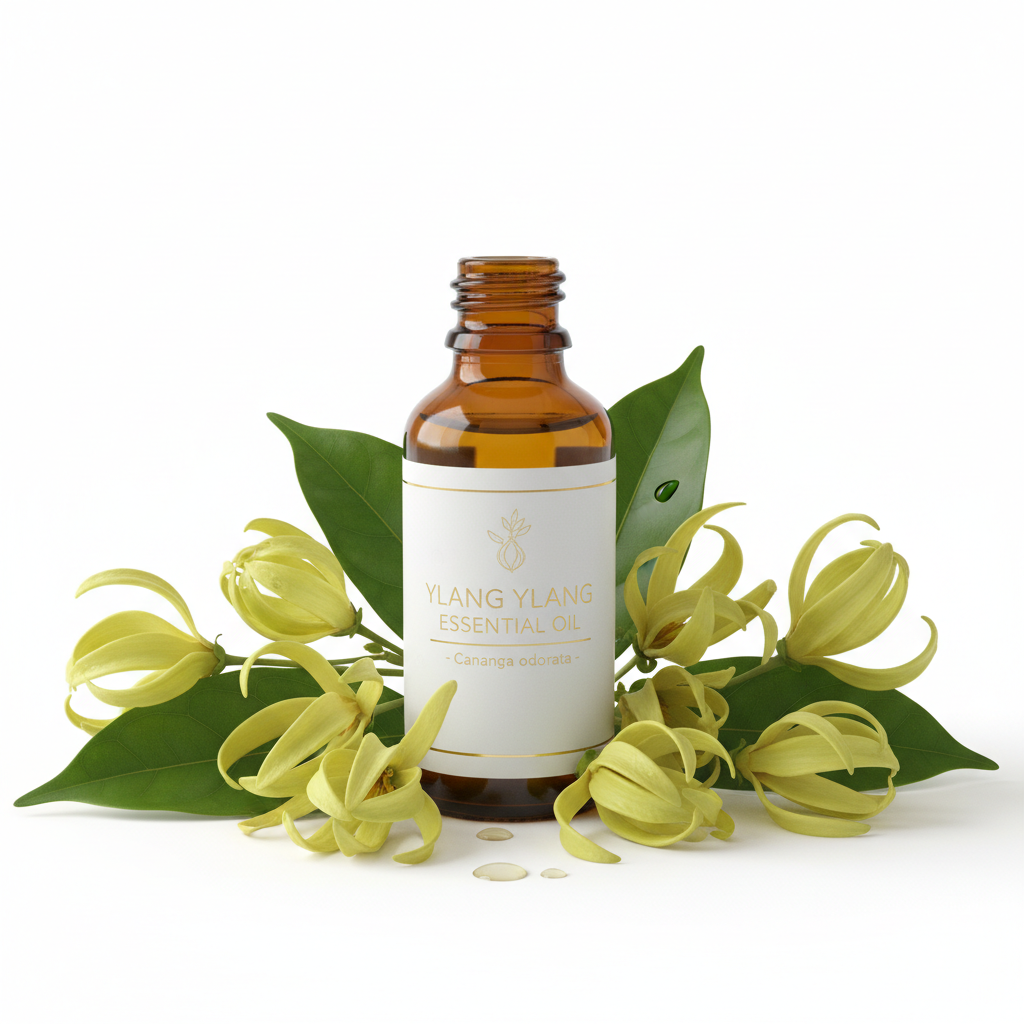
- Ylang Ylang Essential Oil (10 drops): Known for its soothing and skin-nourishing properties, it adds a floral scent and helps to balance oil production, making it great for various skin types.
- Witch Hazel (1 oz): A natural astringent that helps to tighten pores and controls excess oil while providing anti-inflammatory benefits.
Usage Scenarios and Practical Tips
For best results, shake the bottle well before each use to ensure the ingredients are properly mixed. Apply a small amount of the cleanser to a cotton pad and gently wipe over your face in circular motions, targeting areas that may need extra attention, such as around the nose and forehead. You can use this face cleanser as part of both your morning and evening routine to keep your skin fresh throughout the day.
Store the cleanser in a cool, dark place to maintain its efficacy and to avoid degradation of the essential oil. It's advisable to use the cleanser within 6 months to ensure optimal quality.
Results Timeline
While immediate results can be seen after the first use—your skin will feel cleaner and refreshed—consistent use over several weeks can lead to an enhanced skin texture and appearance. Over time, many users report a clearer complexion with a natural glow as the skin adjusts to the nourishing properties of Ylang Ylang and witch hazel.
Safety and Dilution Guidance
- Patch Test: Always perform a patch test prior to using the cleanser to ensure no adverse reactions occur, particularly if you have sensitive skin.
- Essential Oil Dilution: Ensure the essential oil is adequately diluted in the product; this recipe maintains a safe dilution ratio.
- Storage: Keep the product away from direct sunlight and high temperatures to maintain freshness and effectiveness.
With these considerations in mind, indulge in the beauty of natural skincare with our Ylang Ylang Face Cleanser.
How to Use
Shake well before each use and apply a small amount to your face using a cotton pad.
Original Recipe (below is the converted recipe into different container sizes)
- 7 ozDistilled water
- 0.5 mlYlang Ylang Essential Oil
- 1 ozWitch hazel
Ingredients
- ›7 ozDistilled water
- ›0.5 mlYlang Ylang Essential Oil
- ›1 ozWitch hazel
Equipment & Tools
- ✓Measuring cup
- ✓Glass funnel
- ✓Mixing spoon
Instructions
- 1.
Measure (see the ingredients list for the exact amount) of distilled water and pour it into the glass bottle.
- 2.
Add (see the ingredients list for the exact amount) of Ylang Ylang Essential Oil to the water.
- 3.
Pour in (see the ingredients list for the exact amount) of witch hazel.
- 4.
Cap the bottle and shake gently to mix.
How to Use
Shake well before each use and apply a small amount to your face using a cotton pad.
Storage Tips
Store in a cool, dark place to maintain freshness.
⚠️Safety Notes
Do a patch test before using to check for skin sensitivity.
Instructions
- 1
Measure (see the ingredients list for the exact amount) of distilled water and pour it into the glass bottle.
- 2
Add (see the ingredients list for the exact amount) of Ylang Ylang Essential Oil to the water.
- 3
Pour in (see the ingredients list for the exact amount) of witch hazel.
- 4
Cap the bottle and shake gently to mix.
Scaled Ingredients
2 oz to 8 oz
| Ingredient | 2 oz | 4 oz | 8 oz |
|---|---|---|---|
| Distilled water | 1.75 oz | 3.49 oz | 6.99 oz |
| Ylang Ylang Essential Oil | 0.25 ml | 0.25 ml | 0.5 ml |
| Witch hazel | 0.25 oz | 0.5 oz | 1 oz |
16 oz to 128 oz
| Ingredient | 16 oz | 32 oz | 64 oz | 128 oz |
|---|---|---|---|---|
| Distilled water | 14 oz | 27.9 oz | 55.9 oz | 111.8 oz |
| Ylang Ylang Essential Oil | 1 ml | 2 ml | 4 ml | 8 ml |
| Witch hazel | 2 oz | 3.99 oz | 7.98 oz | 16 oz |